Tanabe Castle (田辺城, Tanabe-jō), also known as Maizuru Castle (舞鶴城, Maizuru-jō), is a flatland-style Japanese castle situated in Maizuru, in the northern part of Kyoto Prefecture. Unlike many Japanese castles built on hills or mountains, Tanabe Castle was constructed on flat terrain, which influenced its defensive design and layout. The castle played a significant role in the feudal history of the region, particularly during the Edo period (1603–1868).
At the end of the Edo period, Tanabe Castle served as the residence of a branch of the Makino clan, who were the daimyō of the Tango-Tanabe Domain. The Makino were a prominent samurai family entrusted with governing the domain under the Tokugawa shogunate. The castle's strategic location near the Sea of Japan coast allowed it to function as both a military stronghold and a local administrative center.
Historical background and significance
The origins of Tanabe Castle trace back to the early 17th century, during the establishment of the Tokugawa shogunate. The castle was constructed as part of the shogunate's efforts to consolidate control over the Tango region, an area of strategic importance due to its coastal access and trade routes. The castle's alternative name, Maizuru Castle, reflects the name of the city that later developed around it.
During the Edo period, Tanabe Castle was a symbol of feudal authority and governance. The Makino clan managed the domain from this castle, overseeing local administration, tax collection, and maintaining order. The castle's presence contributed to the development of Maizuru as a regional hub.
Architectural features and layout
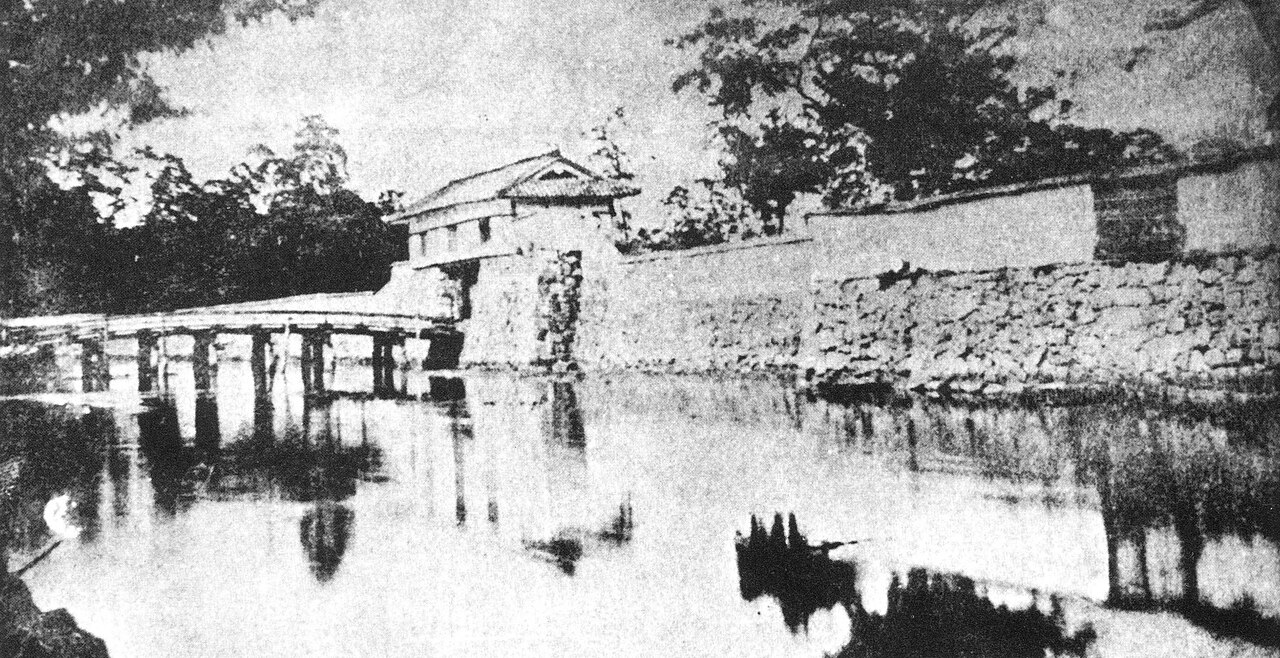
As a flatland castle, Tanabe Castle's design adapted to the challenges of defense without the natural elevation advantage. The castle was surrounded by extensive moats and earthen walls to compensate for the lack of height. These defensive features were crucial in deterring attacks and controlling access.
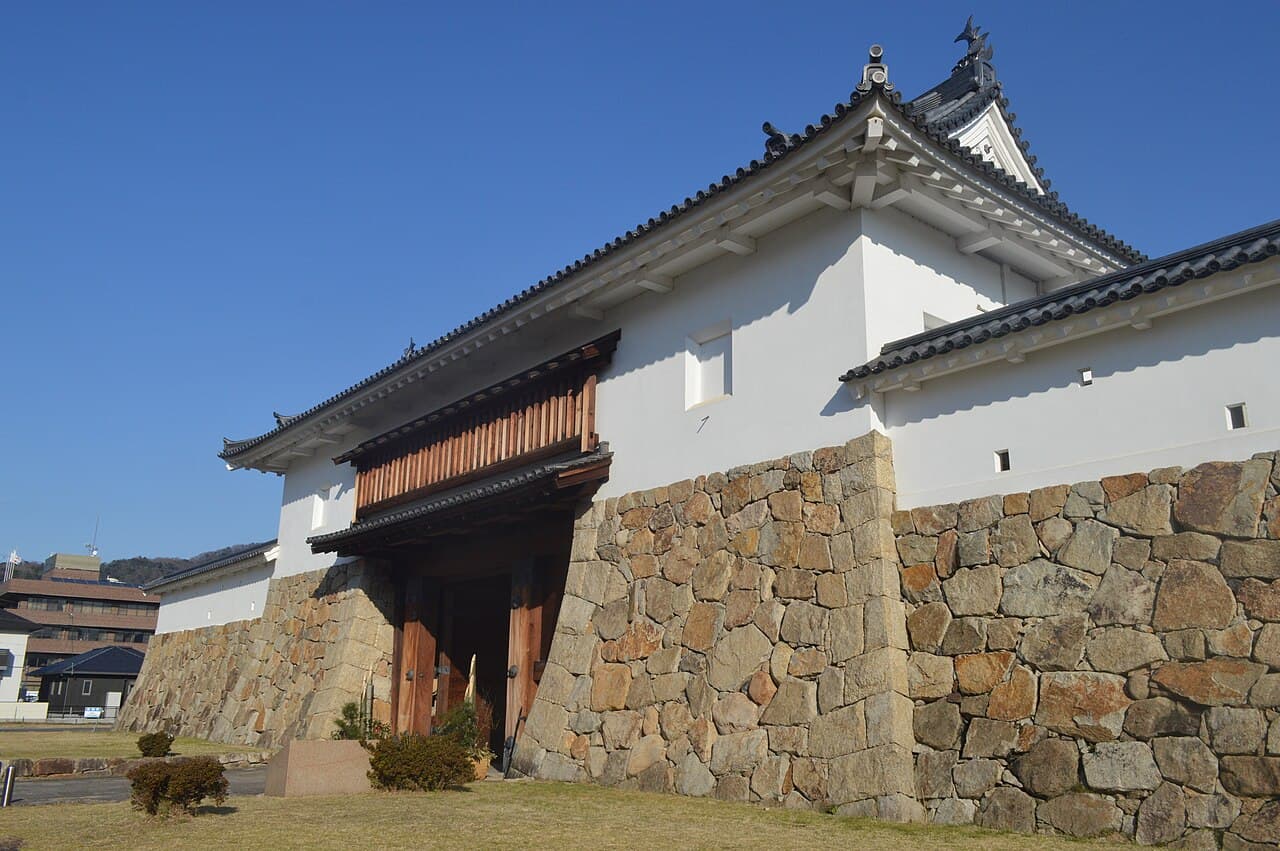
The castle complex included several important structures typical of Japanese castles, such as gates, watchtowers, and residential quarters for the daimyō and his retainers. The layout emphasized both defense and administrative functionality.
Moats and walls
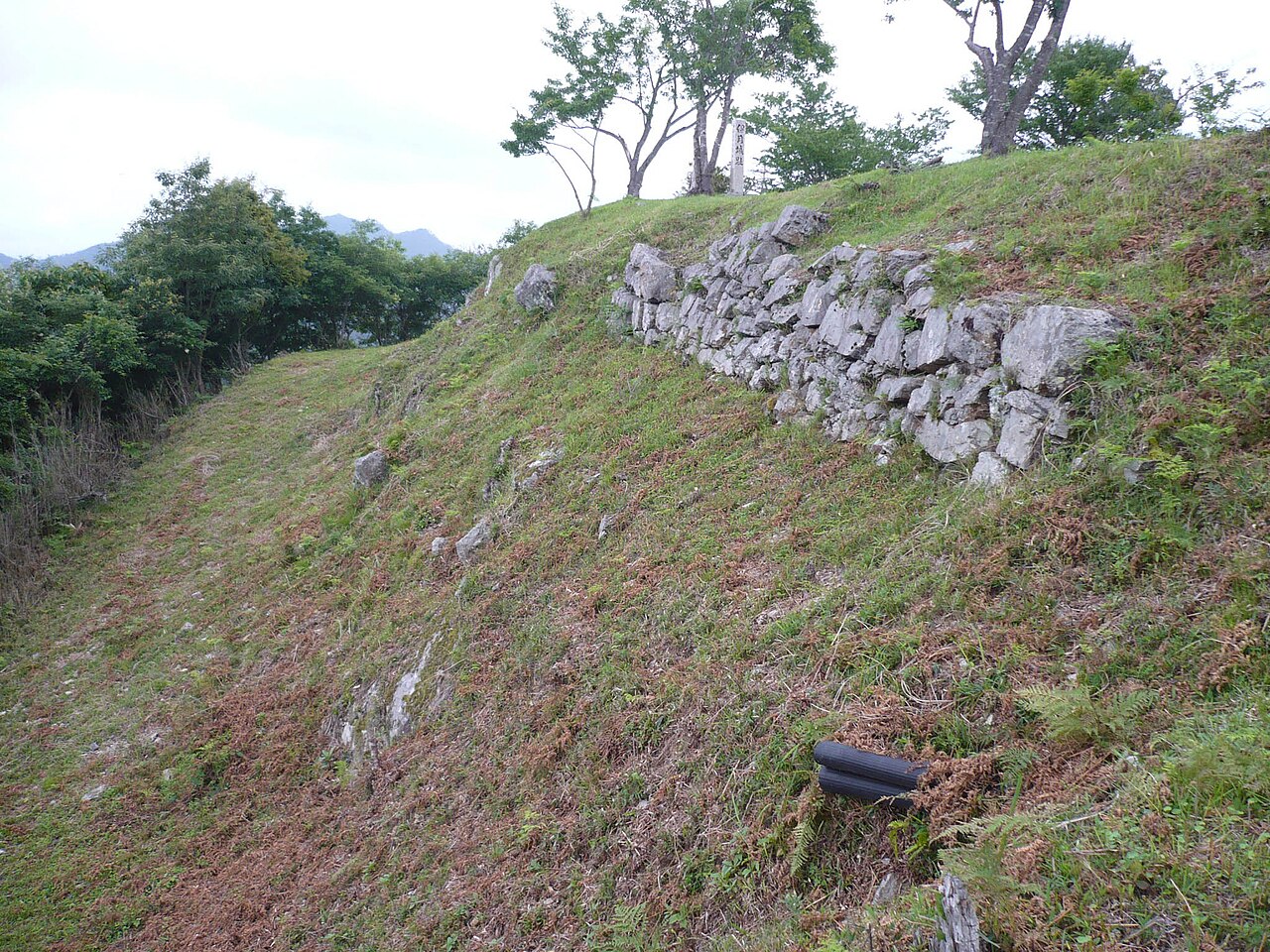
Tanabe Castle featured multiple concentric moats, which were filled with water from nearby sources. These moats formed the primary line of defense, creating physical barriers against invaders. The earthen walls, reinforced with stone in some areas, provided elevated platforms for defenders and helped absorb the impact of any assaults.
Castle buildings
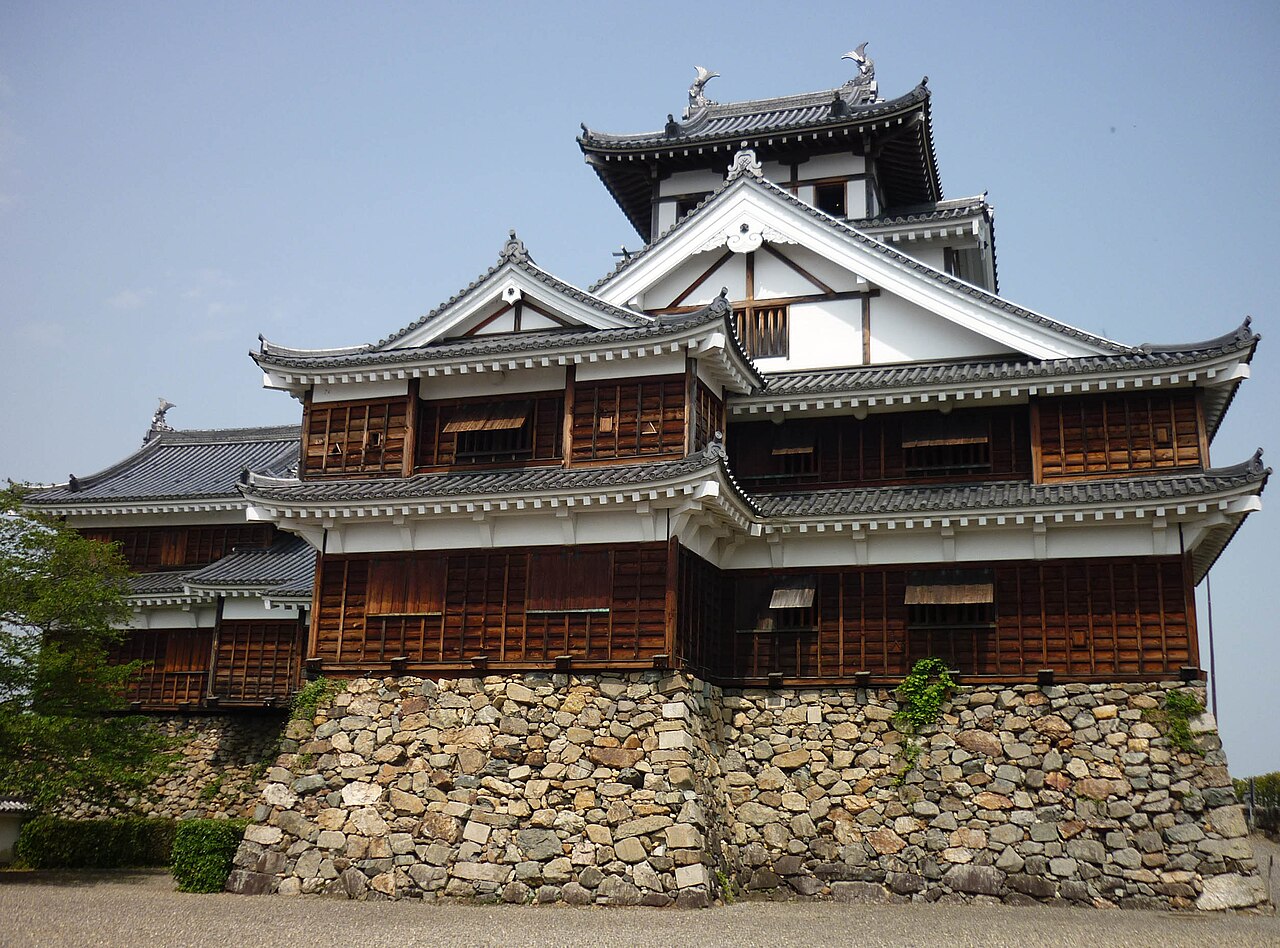
The main structures within the castle grounds included the honmaru (main bailey), where the daimyō's residence was located, and the ninomaru (secondary bailey), which housed administrative offices and barracks. While Tanabe Castle did not have a large tenshu (main keep) like some other castles, its buildings were functional and suited to the needs of the domain's rulers.
The castle in the Meiji period and modern times
Following the Meiji Restoration in 1868, the feudal system was dismantled, and many castles across Japan were abandoned or dismantled. Tanabe Castle was no exception; much of its original structures were lost during this period. However, the site remained an important cultural landmark for the city of Maizuru.
The city's name, Maizuru, was adopted during the early Meiji period to distinguish it from another city named Kyōtanabe in southern Kyoto Prefecture. This change highlights the close historical connection between the castle and the city's identity.
Present-day status and cultural importance
Today, Tanabe Castle is recognized as a significant historical site in Maizuru. While the castle's original buildings no longer stand in their entirety, the moats and some earthen walls remain preserved, providing visitors with a glimpse into the castle's past. The site is accessible to the public and often visited by those interested in Japanese history and castle architecture.
Efforts have been made to maintain the castle grounds as a heritage site, with informational displays and preservation work aimed at educating visitors about the castle's role in the region's history. Tanabe Castle's legacy continues to influence the cultural landscape of Maizuru and the surrounding Tango region.
Visiting Tanabe Castle
Visitors to Tanabe Castle can explore the remaining moats and walls, which outline the castle's former footprint. The site offers a peaceful setting for walks and photography, especially during the cherry blossom season when the grounds are adorned with blooming sakura trees.
Nearby attractions in Maizuru include the Maizuru Naval Port Museum and various coastal parks, making the castle a part of a broader cultural and historical itinerary for tourists.
Frequently asked questions (FAQ)
- What is the best time to visit Tanabe Castle?
- The best time to visit Tanabe Castle is during the spring cherry blossom season when the grounds are beautifully decorated with sakura flowers, offering picturesque views.
- Is Tanabe Castle accessible to the public?
- Yes, Tanabe Castle's site is open to the public, allowing visitors to explore the remaining moats and earthen walls that outline the castle's historical layout.
- What remains of Tanabe Castle today?
- Today, visitors can see the preserved moats and some earthen walls of Tanabe Castle, which mark the original castle boundaries despite the loss of most buildings.
- How did Tanabe Castle get its nickname Maizuru Castle?
- Tanabe Castle was nicknamed Maizuru Castle, and the city later adopted the name Maizuru in the Meiji period to avoid confusion with another city named Kyōtanabe in southern Kyoto Prefecture.
Photo gallery

Information
Loading map...
Visitor reviews
No reviews yet. Been here? Write the first review and help other travelers!
Write the first reviewVisited this castle? Share your experience
Your review helps other travelers and adds first-hand knowledge to our encyclopedia.