Miyazu Castle — Japan castle

Miyazu Castle

Miyazu Castle: historic hill castle in Kyoto Prefecture
Miyazu, Japan
Renaissance (15th–17th c.)
Partially Preserved

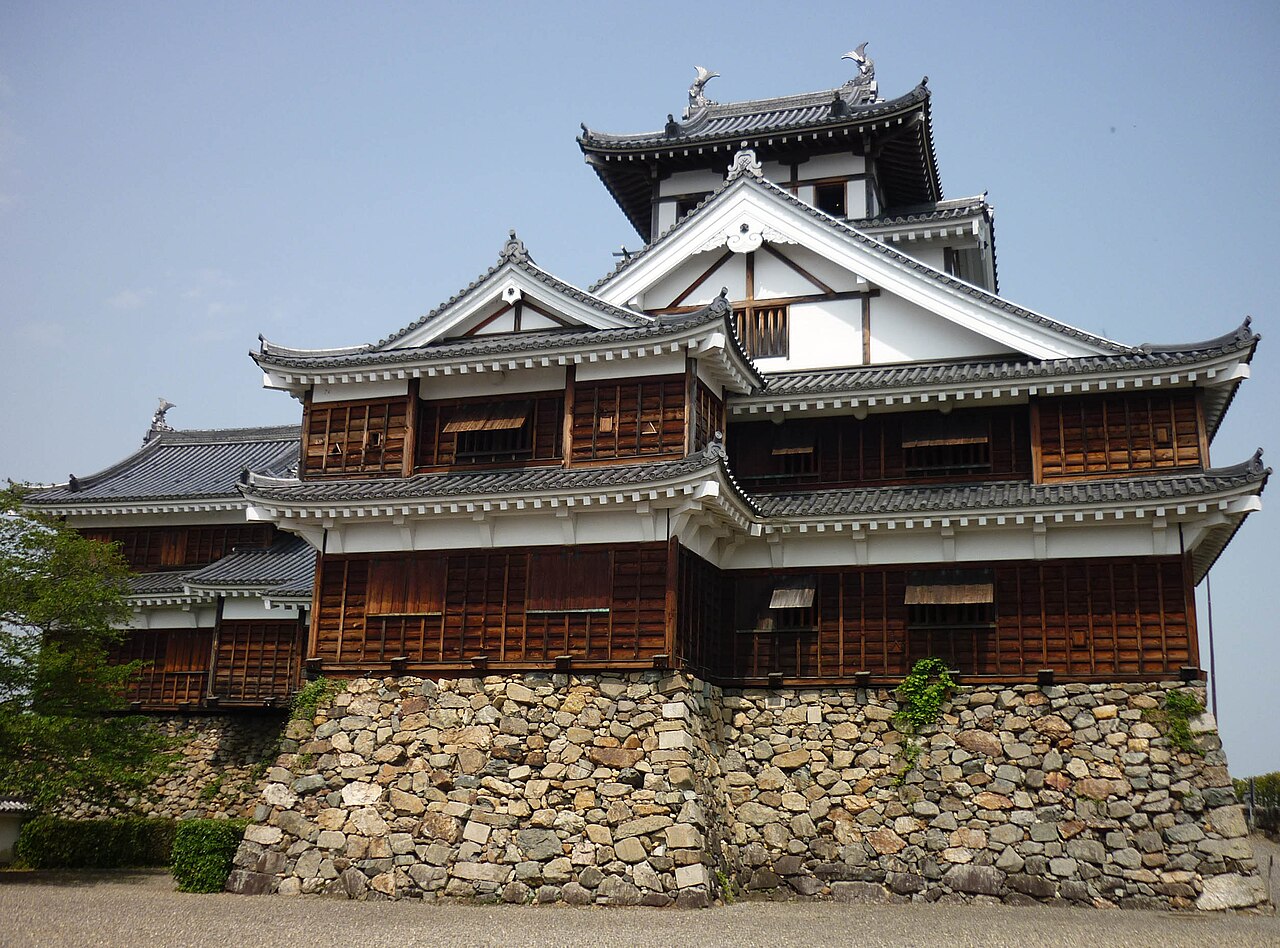
Miyazu Castle (宮津城, Miyazu-jō) is a prominent hill castle located in the city of Miyazu, in the northern part of Kyoto Prefecture, Japan. Constructed in the 16th century, during the Sengoku period, it played a significant role in regional power struggles and governance. Despite being described as a flatland-style castle in some sources, Miyazu Castle is primarily classified as a hill castle due to its strategic placement on elevated terrain, which provided natural defensive advantages.

Historical background and significance

The castle was originally built by the Hosokawa clan during the tumultuous Sengoku period, a time marked by constant military conflict and shifting alliances. It later came under the control of the Honjō-Matsudaira family, who ruled the Miyazu Domain throughout much of the Edo period. The Honjō-Matsudaira were a branch of the powerful Matsudaira clan, closely related to the Tokugawa shogunate, which governed Japan from the early 17th century until the Meiji Restoration in 1868.

Architectural features and layout

Miyazu Castle was designed with typical defensive features of Japanese castles from the late medieval period, including multiple baileys (courtyards), stone walls, and earthen ramparts. The castle's layout took advantage of the natural topography, with the main keep (tenshu) positioned on the highest ground to oversee the surrounding area. Although the original tenshu no longer exists, records indicate it was a modest structure compared to larger castles of the era.

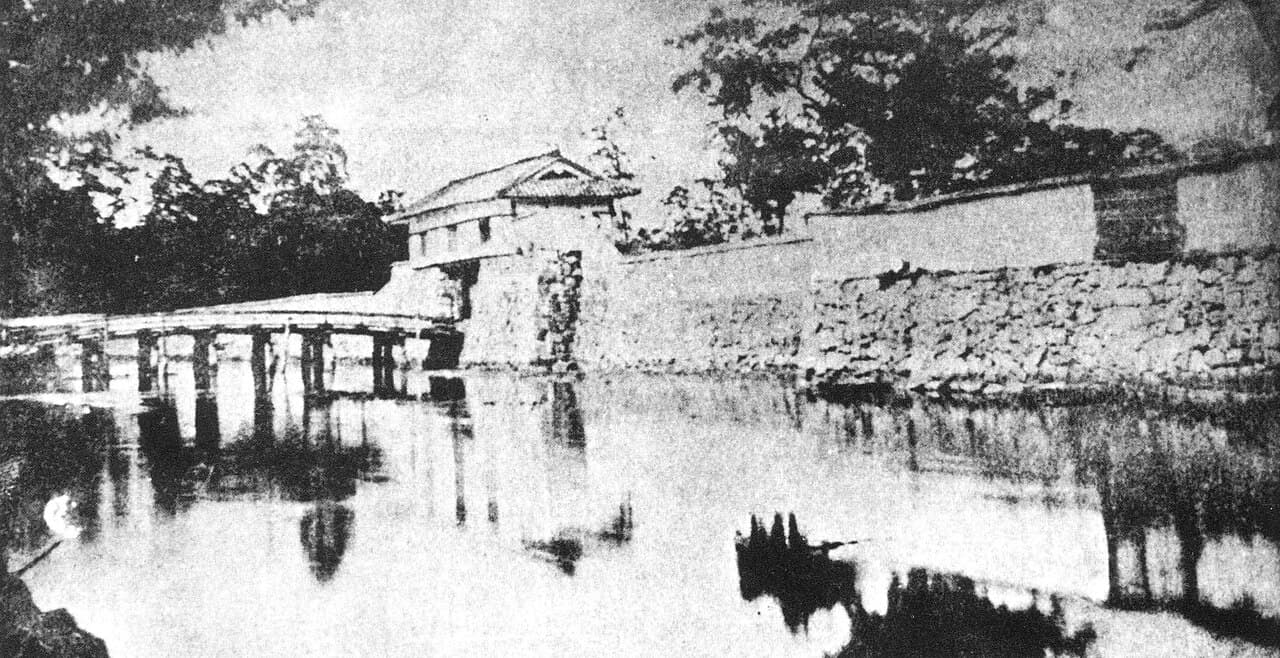
The castle complex included gates, watchtowers, and moats that enhanced its defenses. The moats were likely a combination of dry and water-filled ditches, a common feature in Japanese castle design to deter attackers. The stone walls were constructed using the traditional nozura-zumi technique, stacking unshaped stones to create sturdy fortifications.

Role during the edo period

During the Edo period, Miyazu Castle served as the administrative center for the Miyazu Domain, overseeing local governance, tax collection, and military readiness. The Honjō-Matsudaira daimyō maintained the castle as their residence and seat of power, reflecting the feudal hierarchy established by the Tokugawa shogunate.

The castle town around Miyazu developed as a hub for commerce and culture, supporting the needs of the castle and its retainers. The surrounding area benefited from the stability provided by the shogunate's rule, allowing for economic growth and infrastructure development.

Decline and current condition

Following the Meiji Restoration and the abolition of the feudal domain system in the late 19th century, Miyazu Castle was dismantled as part of the government's efforts to modernize and centralize power. Much of the original structure was lost, with only fragments of stone walls and earthworks remaining today.

The site is currently classified as partially preserved, with some restoration efforts undertaken to maintain the remaining features. It serves as a historical landmark and a place of local cultural heritage, attracting visitors interested in Japan's feudal past and castle architecture.

Visiting miyazu castle today

Visitors to Miyazu Castle can explore the castle grounds, including the remnants of the stone walls and moats. Informational plaques and guided tours provide context about the castle's history and architectural significance. The site is accessible year-round, with the best times to visit being spring and autumn when the natural scenery enhances the historic atmosphere.

Nearby attractions include the scenic Amanohashidate sandbar, one of Japan's three famous views, making Miyazu Castle a worthwhile stop for those exploring northern Kyoto Prefecture.

Frequently asked questions (FAQ)

What is the historical significance of Miyazu Castle?
Miyazu Castle, originally built in the 16th century, served as a strategic fortification during the feudal era in Japan. It played a crucial role in the region's defense and governance, reflecting the power of the local samurai clans. Today, it stands as a symbol of Miyazu's rich history and cultural heritage.
When was Miyazu Castle built?
Miyazu Castle was constructed in 1576 by the lord of the region, Toyotomi Hideyoshi, and underwent several renovations over the years. The castle was pivotal during the Edo period, showcasing the architectural styles and defensive strategies of its time. Although much of the original structure has been lost, its ruins still attract history enthusiasts.
What are the opening hours for Miyazu Castle?
Miyazu Castle is open to visitors daily from 9 AM to 5 PM. However, it is advisable to check for seasonal variations in hours or special closures. The castle grounds and surrounding park areas are accessible at all times, making it a great spot for a leisurely visit.
Can I access Miyazu Castle by public transport?
Yes, Miyazu Castle is accessible via public transport. Visitors can take a train to Miyazu Station and then a short bus ride or a pleasant walk to reach the castle grounds. This makes it convenient for travelers who want to explore the area without a car.
Is it possible to tour the castle grounds?
Absolutely! Visitors can explore the castle grounds, which include beautiful gardens and scenic views of the surrounding area. Guided tours are also available for those interested in learning more about the history and architecture of Miyazu Castle.
What is the best time to visit Miyazu Castle?
The best time to visit Miyazu Castle is during the spring (March to May) or autumn (September to November) when the weather is mild, and the scenery is particularly stunning. During these seasons, visitors can enjoy blooming cherry blossoms or vibrant autumn leaves. Additionally, many local festivals take place during these times, enhancing the overall experience.
What are the ticket prices for Miyazu Castle?
Admission to Miyazu Castle is generally free, allowing visitors to enjoy the grounds without a fee. However, certain areas or guided tours may have a nominal charge. It's a great opportunity to experience the castle's beauty without breaking the bank.
Are there any nearby attractions to Miyazu Castle?
Yes, there are several attractions near Miyazu Castle, including the scenic Amanohashidate, one of Japan's three scenic views. Additionally, visitors can explore local temples and shrines, as well as enjoy the beautiful coastal scenery. This makes Miyazu Castle a perfect starting point for a day of exploration in the region.

Photo gallery

Miyazu Castle
Click to view

Photo by 投稿者がファイル作成•Public domain

1 photo • Click any image to view in full screen

Information

Hill Castle

Loading map...

Visitor reviews

No reviews yet. Been here? Write the first review and help other travelers!

Write the first review

Visited this castle? Share your experience

Your review helps other travelers and adds first-hand knowledge to our encyclopedia.
Write a review

(5/5)

0/2000 characters

Your review will be visible after admin approval

Nearby castles

15.7 km
Tanabe Castle — Japan castle

Tanabe Castle

Maizuru, Japan

Tanabe Castle (田辺城, Tanabe-jō), also known as Maizuru Castle (舞鶴城, Maizuru-jō), is a flatland-style Japanese castle situated in Maizuru, in the northern part of Kyoto Prefecture. Unlike many Japanese castles built on hills or mountains, Tanabe Castle was constructed on flat terrain, which influenced its defensive design and layout. The castle played a significant role in the feudal history of the region, particularly during the Edo period (1603–1868). At the end of the Edo period, Tanabe Castle served as the residence of a branch of the Makino clan, who were the daimyō of the Tango-Tanabe Domain. The Makino were a prominent samurai family entrusted with governing the domain under the Tokugawa shogunate. The castle's strategic location near the Sea of Japan coast allowed it to function as both a military stronghold and a local administrative center. Historical background and significance The origins of Tanabe Castle trace back to the early 17th century, during the establishment of the Tokugawa shogunate. The castle was constructed as part of the shogunate's efforts to consolidate control over the Tango region, an area of strategic importance due to its coastal access and trade routes. The castle's alternative name, Maizuru Castle, reflects the name of the city that later developed around it. During the Edo period, Tanabe Castle was a symbol of feudal authority and governance. The Makino clan managed the domain from this castle, overseeing local administration, tax collection, and maintaining order. The castle's presence contributed to the development of Maizuru as a regional hub. Architectural features and layout As a flatland castle, Tanabe Castle's design adapted to the challenges of defense without the natural elevation advantage. The castle was surrounded by extensive moats and earthen walls to compensate for the lack of height. These defensive features were crucial in deterring attacks and controlling access. The castle complex included several important structures typical of Japanese castles, such as gates, watchtowers, and residential quarters for the daimyō and his retainers. The layout emphasized both defense and administrative functionality. Moats and walls Tanabe Castle featured multiple concentric moats, which were filled with water from nearby sources. These moats formed the primary line of defense, creating physical barriers against invaders. The earthen walls, reinforced with stone in some areas, provided elevated platforms for defenders and helped absorb the impact of any assaults. Castle buildings The main structures within the castle grounds included the honmaru (main bailey), where the daimyō's residence was located, and the ninomaru (secondary bailey), which housed administrative offices and barracks. While Tanabe Castle did not have a large tenshu (main keep) like some other castles, its buildings were functional and suited to the needs of the domain's rulers. The castle in the Meiji period and modern times Following the Meiji Restoration in 1868, the feudal system was dismantled, and many castles across Japan were abandoned or dismantled. Tanabe Castle was no exception; much of its original structures were lost during this period. However, the site remained an important cultural landmark for the city of Maizuru. The city's name, Maizuru, was adopted during the early Meiji period to distinguish it from another city named Kyōtanabe in southern Kyoto Prefecture. This change highlights the close historical connection between the castle and the city's identity. Present-day status and cultural importance Today, Tanabe Castle is recognized as a significant historical site in Maizuru. While the castle's original buildings no longer stand in their entirety, the moats and some earthen walls remain preserved, providing visitors with a glimpse into the castle's past. The site is accessible to the public and often visited by those interested in Japanese history and castle architecture. Efforts have been made to maintain the castle grounds as a heritage site, with informational displays and preservation work aimed at educating visitors about the castle's role in the region's history. Tanabe Castle's legacy continues to influence the cultural landscape of Maizuru and the surrounding Tango region. Visiting Tanabe Castle Visitors to Tanabe Castle can explore the remaining moats and walls, which outline the castle's former footprint. The site offers a peaceful setting for walks and photography, especially during the cherry blossom season when the grounds are adorned with blooming sakura trees. Nearby attractions in Maizuru include the Maizuru Naval Port Museum and various coastal parks, making the castle a part of a broader cultural and historical itinerary for tourists.

Details
27.4 km
Fukuchiyama Castle — Japan castle

Fukuchiyama Castle

Fukuchiyama, Japan

Fukuchiyama Castle (福知山城, Fukuchiyama-jō) is a prominent hill castle located in Fukuchiyama city, within Kyoto Prefecture, Japan. Constructed in the 16th century during Japan's Sengoku period, the castle played a strategic role in regional defense and governance. Its location atop a hill provided a commanding view of the surrounding landscape, which was essential for military observation and control. Historical background and construction The castle was originally built by Akechi Mitsuhide, a notable samurai and general under Oda Nobunaga, in 1579. Mitsuhide established Fukuchiyama Castle as a base of power after being appointed lord of the region. The castle's construction reflects the military and political turbulence of the late Sengoku period, a time marked by frequent conflicts among feudal lords vying for dominance. Fukuchiyama Castle was designed primarily as a defensive stronghold, incorporating typical fortification features of the era. Its layout included stone walls, moats, and multiple baileys to create layered defenses. The castle's main keep (tenshu) was a multi-storied structure that served both as a residence and a last line of defense. Architectural features and style The castle exhibits architectural elements characteristic of the Renaissance period in Japan, which coincides with the late Sengoku and early Azuchi-Momoyama periods. This style is marked by the integration of stone bases supporting wooden superstructures, and the use of curved gables and decorative roof tiles. Fukuchiyama Castle's design emphasizes both functionality and aesthetics. The stone foundation was expertly constructed to withstand sieges and natural disasters such as earthquakes. The wooden structures above were crafted with attention to detail, featuring intricate joinery and ornate interior spaces. The castle grounds included several gates and watchtowers positioned strategically to monitor and control access. Surrounding the main keep were courtyards and gardens that added to the livability and prestige of the castle. Role in Japanese history Fukuchiyama Castle played a significant role during the late 16th century as a military and administrative center. After Akechi Mitsuhide's betrayal of Oda Nobunaga and subsequent death, the castle changed hands several times, reflecting the shifting allegiances and power struggles of the period. During the Edo period, the castle served as the seat of the Fukuchiyama Domain under the Tokugawa shogunate. It was maintained and occasionally renovated by successive lords, adapting to changes in military technology and residential needs. Decline, restoration, and current status Like many Japanese castles, Fukuchiyama Castle suffered decline during the Meiji Restoration when feudal domains were abolished, and many castles were dismantled or fell into disrepair. The original main keep was destroyed, but parts of the stone walls and moats remain intact. In the 20th century, efforts were made to restore the castle. The current main keep is a reconstruction completed in the 1980s, built using modern materials but designed to replicate the original appearance faithfully. Today, the castle functions as a museum and cultural site, attracting visitors interested in Japanese history and architecture. Visiting Fukuchiyama Castle The castle is accessible to the public and offers panoramic views of Fukuchiyama city and the surrounding mountains. Visitors can explore the reconstructed main keep, which houses exhibits on the castle's history and the Sengoku period. The grounds feature walking paths along the preserved stone walls and moats. Seasonal events and festivals are held at the castle, enhancing its role as a community and tourist destination. The site is especially popular during cherry blossom season when the castle grounds are adorned with blooming sakura trees. Architectural legacy and cultural significance Fukuchiyama Castle stands as a representation of Japanese castle architecture from the late 16th century. Its combination of military fortification and residential elegance reflects the dual purpose of castles during the Sengoku and early Edo periods. The castle's restoration preserves important architectural techniques and offers insight into feudal Japan's social and political structures. As a cultural landmark, Fukuchiyama Castle contributes to the understanding of regional history in Kyoto Prefecture and the broader narrative of Japan's feudal era. It remains a symbol of the area's heritage and a valuable resource for education and tourism.

Renaissance (15th–17th c.)
Details
30 km
Konosumiyama Castle — Japan castle

Konosumiyama Castle

Toyooka, Japan

Konosumiyama Castle (此隅山城, Konosumiyama-jō) is a historically significant hill castle located in the Izushi neighborhood of Toyooka city, within Hyōgo Prefecture, Japan. Constructed in the 14th century during the Late Medieval period, this fortress played a vital role throughout the Muromachi to Sengoku periods as a strategic stronghold of the Yamana clan. The castle's ruins, alongside those of the nearby Arikoyama Castle, have been protected as a National Historic Site since 1934 under the collective designation "Yamana clan castle ruins." Historical context and significance Built amid the turbulent Sengoku era, Konosumiyama Castle was a central base for the powerful Yamana clan, who were influential daimyo in western Japan. The castle's location in Izushi provided strategic control over the surrounding region, including important transportation routes and agricultural lands. The Yamana clan's prominence peaked during the 15th and 16th centuries, and Konosumiyama Castle was integral to their military and political power. The castle witnessed numerous conflicts and power struggles characteristic of the Sengoku period, when regional warlords vied for dominance. Its control was essential for maintaining the Yamana clan's influence in Harima and Tajima provinces. However, as the clan's power waned in the late 16th century, Konosumiyama Castle was eventually abandoned, leading to its current ruined state. Architectural features and layout Konosumiyama Castle exemplifies the typical characteristics of a Japanese hill castle (yamajiro), designed to take advantage of the natural topography for defense. The castle was constructed on a mountain ridge, utilizing steep slopes as natural barriers against attackers. Its layout included multiple enclosures (kuruwa) arranged in terraces, connected by narrow paths and protected by earthen walls and dry moats. The castle's defensive structures featured stone walls in key areas, although much of the fortification relied on earthworks and wooden palisades. The main enclosure likely housed the lord's residence and command facilities, while secondary enclosures served as barracks, storehouses, and lookout points. The castle's design reflects the military architecture of the Late Medieval period in Japan, focusing on adaptability to rugged terrain and layered defense. Defensive elements Konosumiyama Castle's defenses included steep slopes, deep dry moats, and strategically placed gates to control access. The use of natural cliffs and ridges reduced the need for extensive stone fortifications, although some stonework was incorporated to reinforce vulnerable sections. The castle's elevated position offered commanding views of the surrounding valleys, enabling early detection of enemy movements. Cultural heritage and preservation Today, the site of Konosumiyama Castle remains a ruined archaeological site, with remnants of earthworks, stone foundations, and moats visible to visitors. The castle ruins, together with those of Arikoyama Castle, are recognized for their historical value and contribution to understanding the military and political history of the Yamana clan and the Sengoku period. Conservation efforts have focused on preserving the remaining structures and promoting public awareness of the site's significance. The designation as a National Historic Site ensures protection under Japanese cultural heritage laws, allowing for archaeological research and educational activities. Visiting Konosumiyama castle ruins The castle ruins are accessible to visitors who wish to explore the remains and enjoy panoramic views of the surrounding landscape. The site offers hiking trails that lead through the former castle grounds, providing insight into the castle's layout and strategic position. Interpretive signage helps visitors understand the historical context and architectural features. While the castle is in ruins, the natural setting and preserved earthworks make it an important destination for those interested in Japanese history, castle architecture, and the legacy of the Sengoku era.

Late Medieval (14th–15th c.)
Details