Takiyama Castle
Takiyama Castle (滝山城, Takiyama-jō) is a significant Japanese castle ruin located in the Tani neighborhood of Hachiōji city, within Tokyo. Built in the 16th century, during the turbulent Sengoku period, it served as a strategic stronghold in the region. Today, the castle ruins are protected as a National Historic Site since 2007, reflecting their cultural and historical importance.
Historical background and strategic importance
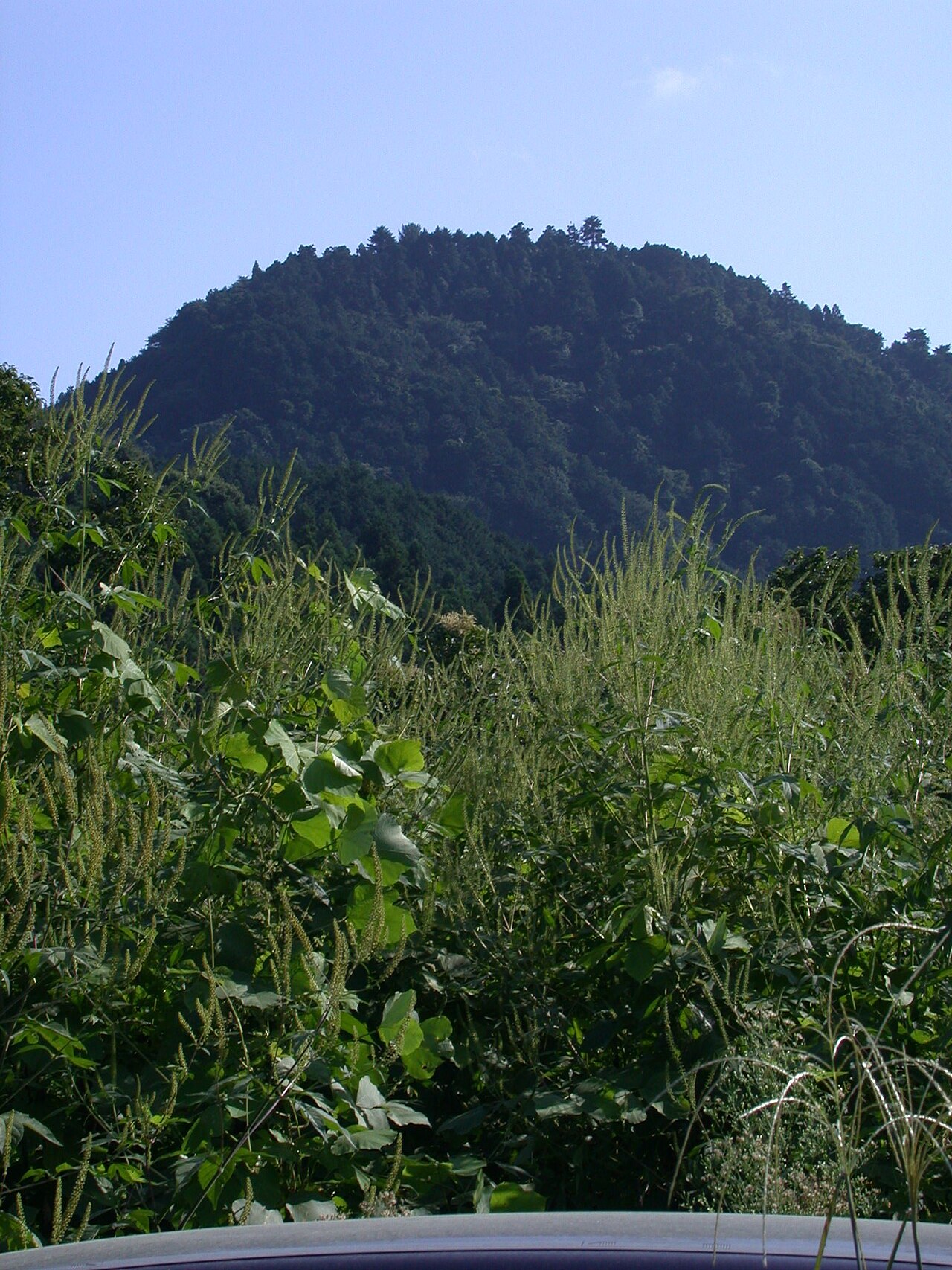
Constructed in the mid-1500s, Takiyama Castle was a hill castle designed to oversee and control the western approaches to the Musashi Province. Its location was chosen for its natural defensive advantages, situated on a steep ridge that provided commanding views of the surrounding terrain. The castle played a role in regional conflicts during the Sengoku period, a time marked by incessant warfare among feudal lords vying for power.
The castle was initially under the control of the Hojo clan, a powerful samurai family that dominated the Kanto region. Takiyama Castle functioned as a military base and administrative center, helping to secure the clan's territorial interests.
Architectural features and layout
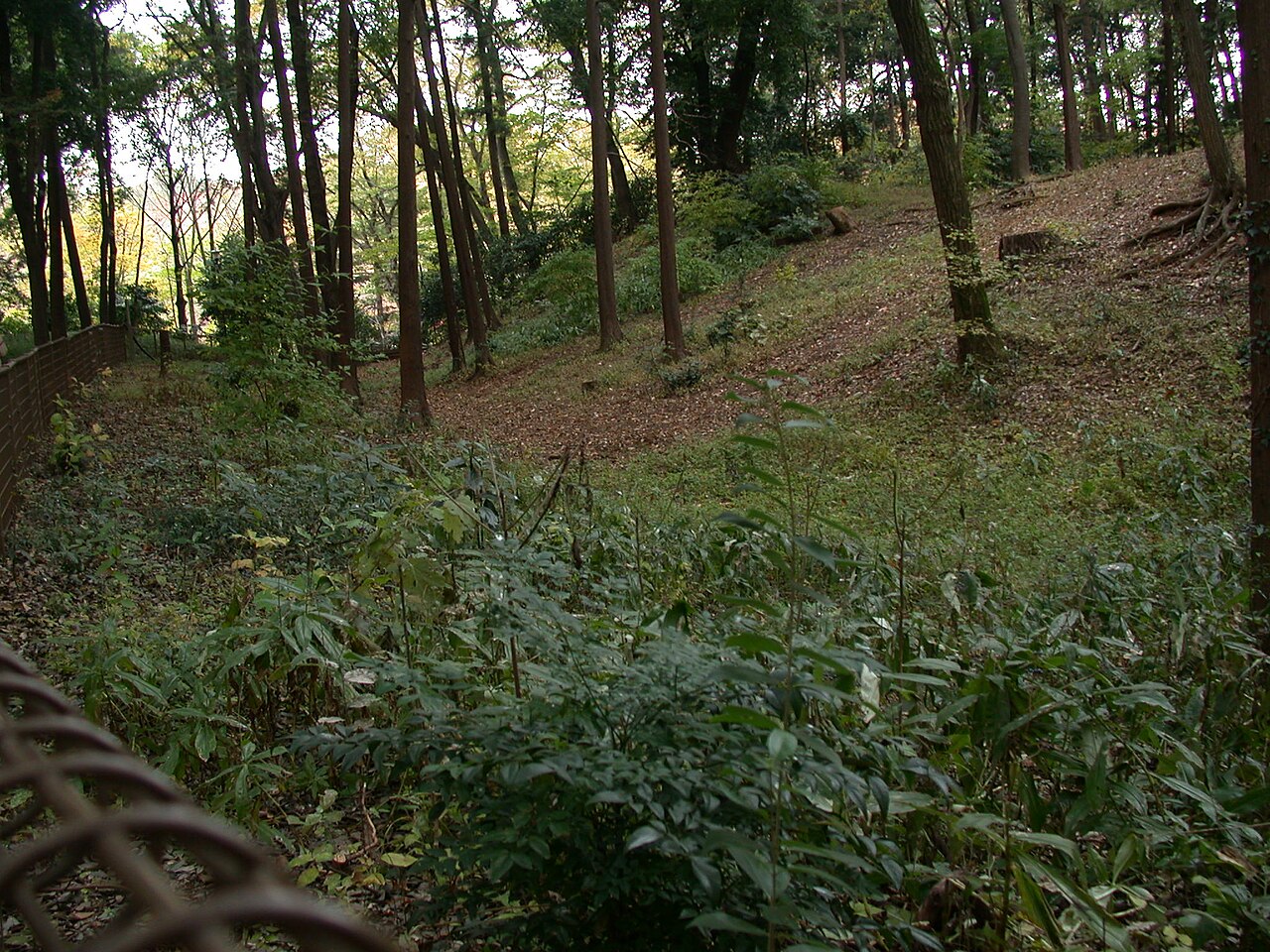
Takiyama Castle was constructed primarily as a hill castle (yamajiro), utilizing the natural topography for defense. The castle complex included multiple baileys (kuruwa) arranged along the ridge, connected by narrow paths and fortified with earthen walls and dry moats. Stone walls were limited, as was typical for Japanese castles of this period, relying more on natural terrain and wooden structures.
The main enclosure (honmaru) was situated at the highest point, serving as the last line of defense and housing the lord's residence and key facilities. Surrounding this were secondary enclosures (ni-no-maru, san-no-maru) that provided layered defense. The castle's design emphasized defense through elevation and natural barriers rather than extensive stone fortifications.
Defensive structures
Defensive features included steep slopes, dry moats, and strategically placed gates that controlled access to the inner areas. The castle's position on a ridge made direct assaults difficult, forcing attackers to navigate narrow, exposed paths under defensive fire.
Decline and current condition
Following the unification of Japan under the Tokugawa shogunate in the early 17th century, Takiyama Castle lost its military significance and was eventually abandoned. Over time, the wooden structures decayed, and the site fell into ruin.
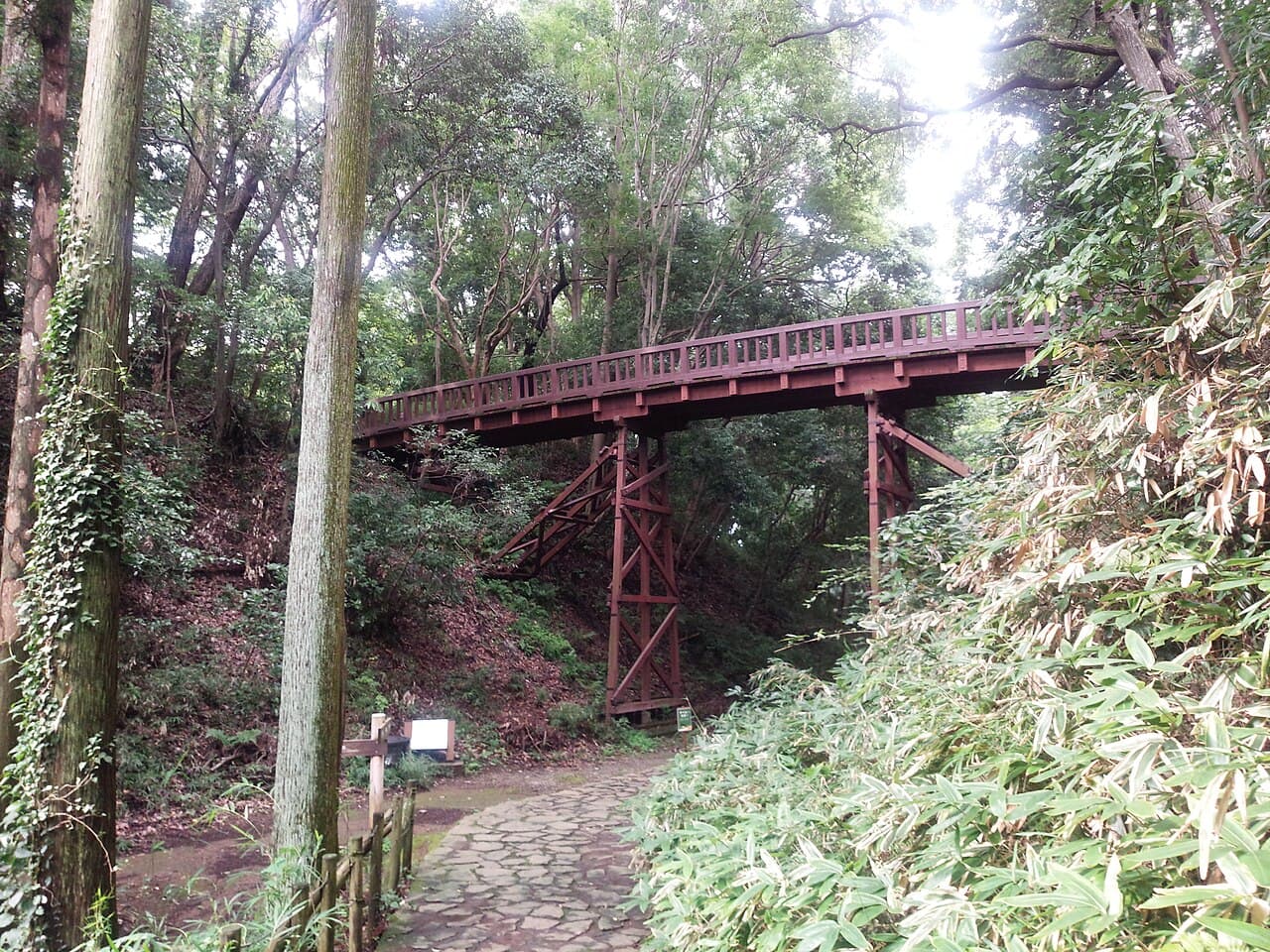
Today, the castle remains as archaeological ruins with earthworks, moats, and some stone remnants visible. The site is accessible to visitors, offering insight into Sengoku-era castle construction and the strategic use of natural terrain in Japanese fortifications.
Cultural significance and preservation
Designated a National Historic Site in 2007, Takiyama Castle is recognized for its historical value and as a representative example of hill castle architecture from the Sengoku period. Preservation efforts focus on maintaining the remaining earthworks and preventing further erosion.
The site attracts historians, archaeologists, and tourists interested in Japan's feudal past and castle architecture. Interpretive signs and guided tours help visitors understand the castle's layout, history, and role in regional conflicts.
Visiting takiyama castle ruins
The ruins are located within a wooded area in Hachiōji and can be reached by local transportation followed by a short hike. The site is open year-round, with no entrance fee, making it accessible for casual visitors and those with a keen interest in Japanese history.
Visitors should wear suitable footwear for uneven terrain and can explore the remains of the moats, earthworks, and terraces that outline the former castle grounds.
Frequently asked questions (FAQ)
- What is the historical significance of Takiyama Castle?
- Takiyama Castle, built in the late 16th century, served as a strategic military fortress during the tumultuous Sengoku period in Japan. It was established by the famous warlord Takeda Shingen and played a significant role in the region's defense, showcasing the architectural prowess of the time.
- When was Takiyama Castle constructed?
- Construction of Takiyama Castle began in 1590 and was completed shortly thereafter. The castle was primarily built to serve as a stronghold and to control the surrounding territory during a time of intense conflict in Japan.
- Can I visit Takiyama Castle?
- Yes, Takiyama Castle is open to visitors year-round. The castle grounds offer a glimpse into its historical architecture, and you can explore the scenic views of Hachiōji from its elevated position.
- What are the opening hours for Takiyama Castle?
- Takiyama Castle is typically open from 9:00 AM to 5:00 PM, but hours may vary depending on the season. It's advisable to check the official website or contact local tourism information for the most current hours before your visit.
- Is there an entrance fee to visit Takiyama Castle?
- There is no entrance fee to access the castle grounds, making it an attractive option for budget-conscious travelers. However, some guided tours or special exhibits may have associated costs, so it's best to check for any additional fees.
- What is the best time to visit Takiyama Castle?
- The best time to visit Takiyama Castle is during the spring, when cherry blossoms bloom, or in the autumn, when the foliage is vibrant. These seasons not only enhance the beauty of the castle but also provide a more enjoyable climate for exploring the area.
- How accessible is Takiyama Castle for visitors with mobility issues?
- Takiyama Castle has some steep paths and uneven terrain, which may pose challenges for visitors with mobility issues. However, there are viewing areas accessible from the main paths, allowing everyone to enjoy the stunning scenery.
- Are there any nearby attractions to visit along with Takiyama Castle?
- Yes, nearby attractions include the Hachiōji Yakuō-ji Temple and the scenic Mount Takao, famous for its hiking trails and natural beauty. These sites complement your visit to Takiyama Castle, offering a richer experience of the region's cultural and natural heritage.
Photo gallery

Information
Loading map...
Visitor reviews
No reviews yet. Been here? Write the first review and help other travelers!
Write the first reviewVisited this castle? Share your experience
Your review helps other travelers and adds first-hand knowledge to our encyclopedia.