Shakujii Castle (石神井城, -jō) was a significant hill castle located along the Shakujii River in what is now Shakujii Park, situated in Tokyo's Nerima ward. Constructed in the 12th century during Japan's high medieval period, it played a pivotal role in the region's feudal history. The castle's remains and the historical records attached to it provide one of the clearest accounts of territorial inheritance in the area that is now modern Tokyo.
Historical background and significance
Shakujii Castle was established during a time of considerable political fragmentation and local warfare in Japan. As a hill castle, it was strategically positioned to oversee and control the surrounding lands along the Shakujii River, which was a vital natural resource and transportation route. The castle served as the seat of local lords who managed the feudal territories in the region. Its history is closely tied to the prominent families and clans that governed the area, making it an important site for understanding the feudal dynamics of eastern Japan during the high medieval period.
Architectural features and layout
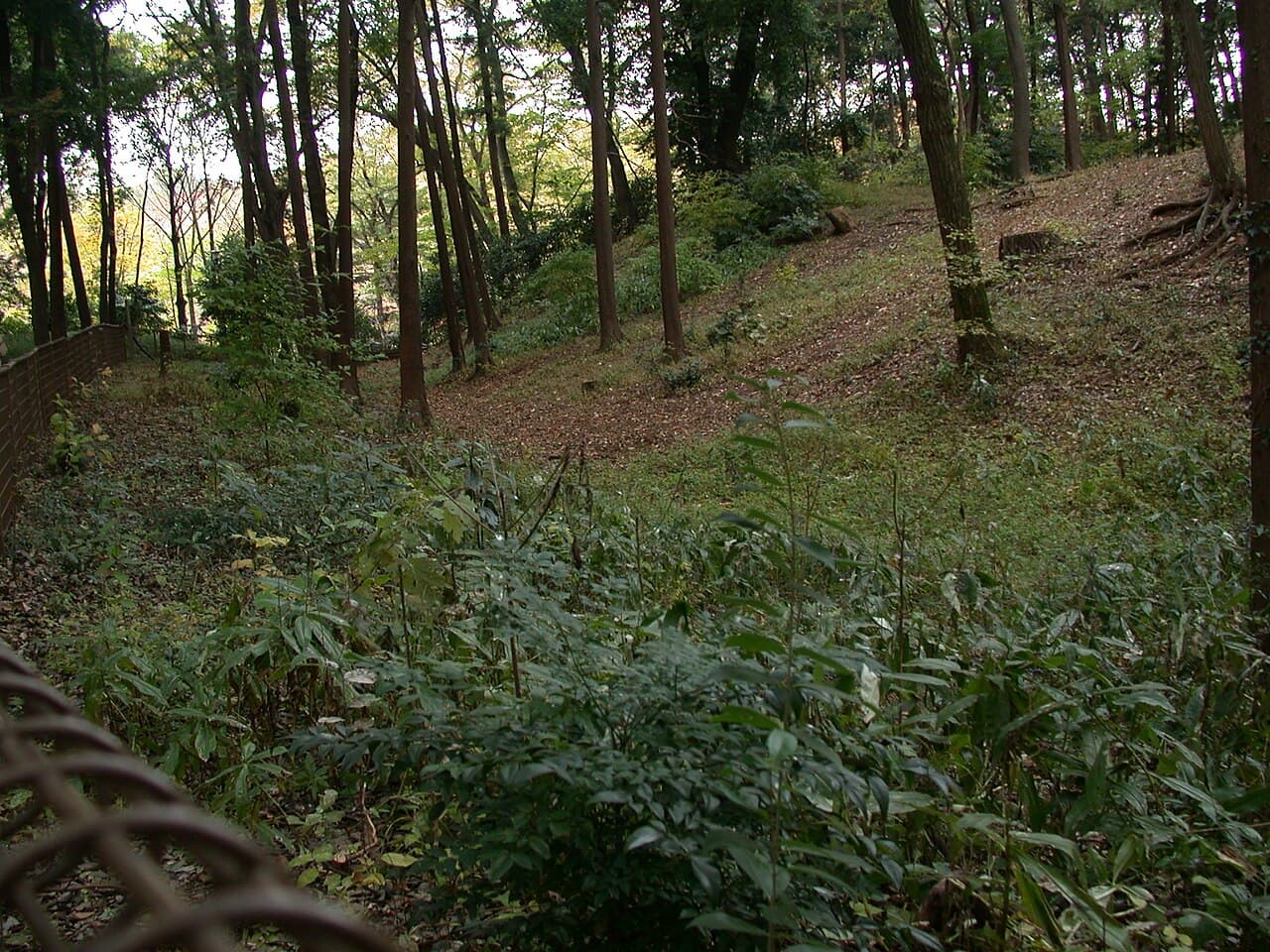
Though now mostly in ruins, archaeological studies and historical documents reveal that Shakujii Castle featured typical defensive elements of a hill castle from its era. It was likely constructed with earthen ramparts and wooden palisades, complemented by moats fed by the nearby river. The castle's location on elevated terrain provided natural defense advantages, including visibility over the surrounding plains and control of river crossings. The layout would have included a central enclosure or honmaru, surrounded by secondary enclosures and defensive structures to protect the lord and retainers.
Defensive structures
The castle's defenses were enhanced by the natural topography, with steep slopes and water features acting as barriers against attackers. The use of moats and earthen walls was typical of Japanese castles in this period, providing multiple layers of protection. Although no large stone walls remain, the design would have incorporated wooden gates and watchtowers to monitor and repel enemy forces.
Feudal inheritance and governance
One of the most notable aspects of Shakujii Castle is its well-documented history of feudal inheritance. The castle was a center of governance for the local lordship, and the records detail the succession of power and land ownership through several generations. This continuity provides valuable insights into the administrative and familial structures of feudal Japan, particularly in the Kantō region. The castle's history reflects the broader political shifts and alliances that shaped the region's development.
Current status and cultural importance
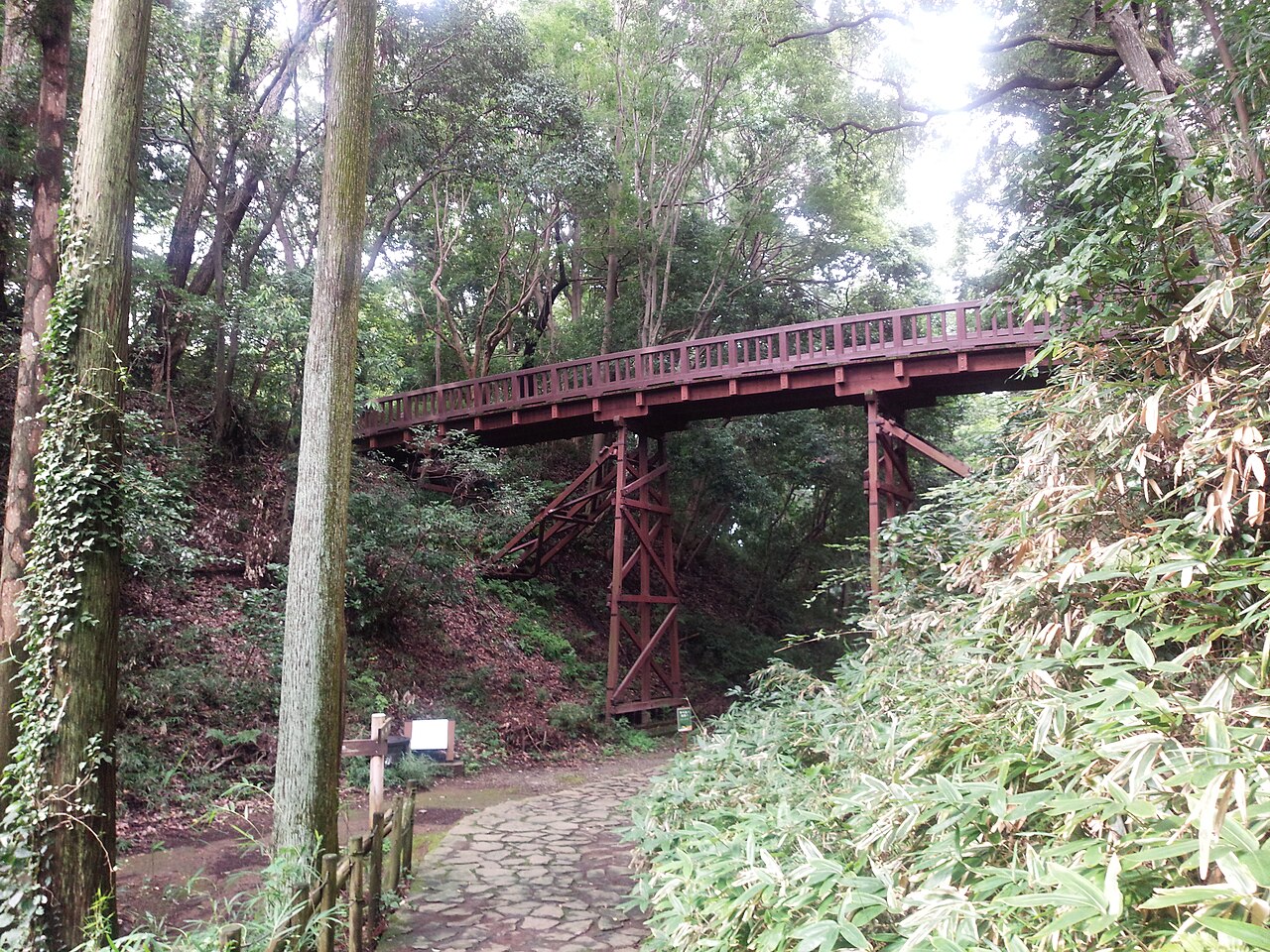
Today, Shakujii Castle exists primarily as an archaeological site within Shakujii Park. While much of the original structure has been lost to time and urban development, the site remains an important cultural and historical landmark in Tokyo. Efforts have been made to preserve the ruins and interpret the castle's significance for visitors and scholars alike. The park provides a green space where people can appreciate the historical landscape and the legacy of the feudal era in Tokyo.
Visitor information
Visitors to Shakujii Park can explore the castle ruins and learn about its history through informational displays and guided tours offered by local heritage organizations. The site is accessible year-round and offers a unique glimpse into Japan's medieval past within the modern urban environment of Tokyo.
Frequently asked questions (FAQ)
- What is the historical significance of Shakujii Castle?
- Shakujii Castle is notable for its well-documented history of feudal inheritance and governance in the Tokyo region during the 12th century. It provides valuable insights into the political and territorial dynamics of medieval Japan.
- Can I visit the ruins of Shakujii Castle today?
- Yes, the castle ruins are located within Shakujii Park in Tokyo's Nerima ward. The site is accessible to the public year-round and features informational displays about the castle's history.
- What architectural features did Shakujii Castle have?
- Shakujii Castle was a hill castle featuring earthen ramparts, wooden palisades, moats, and natural defenses like steep slopes. It had a central enclosure surrounded by secondary defensive structures typical of 12th-century Japanese castles.
- Why was Shakujii Castle strategically important?
- Its position along the Shakujii River and on elevated terrain allowed control over vital transportation routes and natural resources, making it a key defensive and administrative site in the region during the high medieval period.
Photo gallery

Information
Loading map...
Visitor reviews
No reviews yet. Been here? Write the first review and help other travelers!
Write the first reviewVisited this castle? Share your experience
Your review helps other travelers and adds first-hand knowledge to our encyclopedia.