Kawagoe Castle
Kawagoe Castle stands as a significant historical monument in Kawagoe, Japan, embodying centuries of Japanese feudal history and architectural evolution. Founded in 1457 by Ota Doshin and his son Dokan under the orders of Uesugi Mochitomo, this lowland castle played a pivotal role in regional power struggles during Japan's late medieval period. Its strategic location made it a crucial defensive stronghold, particularly during the rise of the Hojo clan and later under the Tokugawa shogunate.
Founding and early history
The castle's origins date back to the mid-15th century, a time marked by territorial conflicts among feudal lords. Ota Doshin and Dokan constructed the castle as a fortification to consolidate the Uesugi clan's influence in the region. The site's selection as a lowland castle (hirajiro) was strategic, leveraging the flat terrain near Kawagoe for both defense and control over surrounding trade routes.
The Hojo clan and military significance
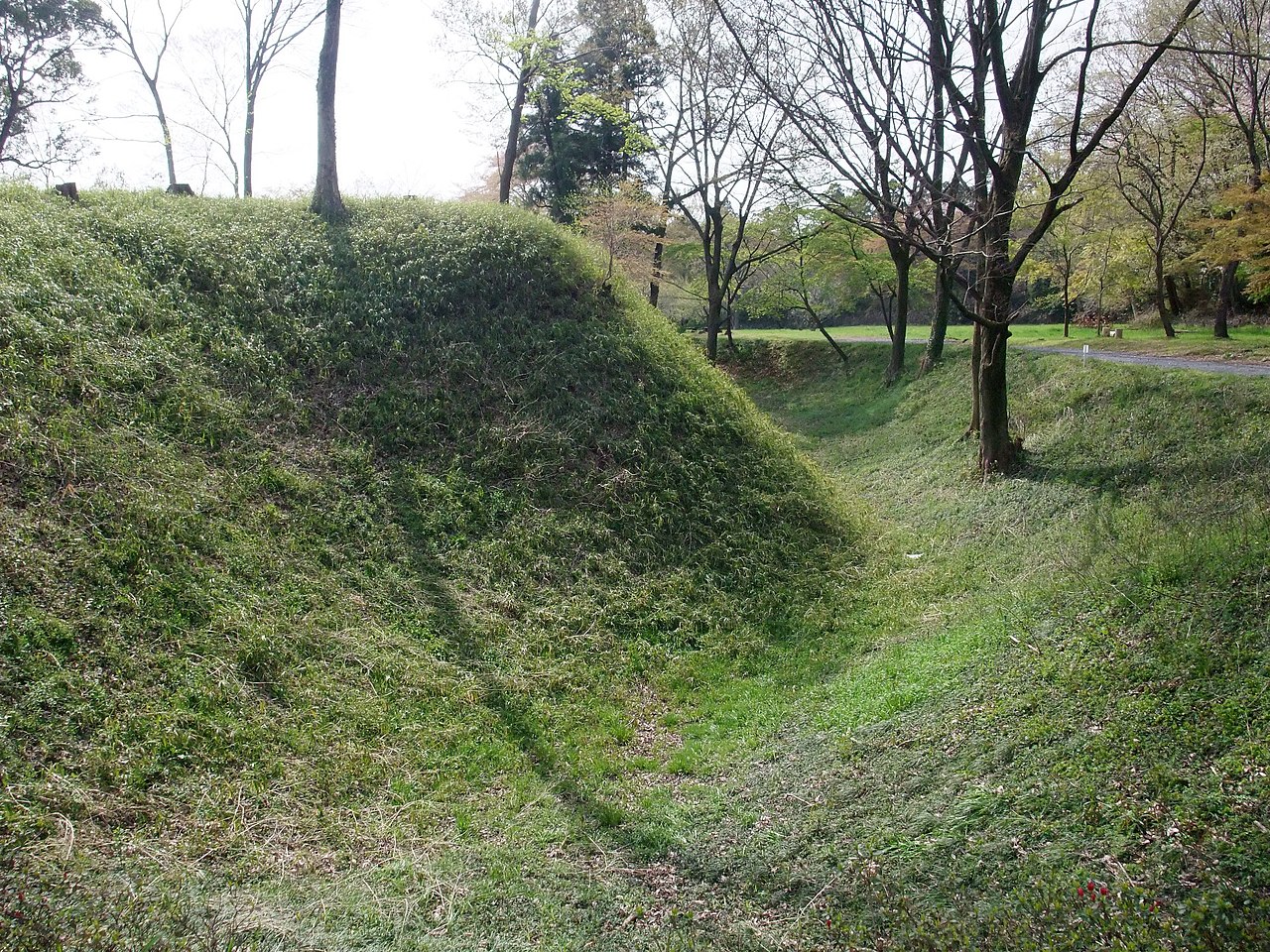
In 1546, the castle came under the control of the powerful Hojo clan, who expanded its fortifications to strengthen their hold over the Kanto region. Kawagoe Castle became a key military base during the Sengoku period, serving as a bulwark against rival clans. Its defenses included moats, earthen walls, and watchtowers, typical of Japanese castle architecture of the time.
During the late 16th century, the castle was involved in significant conflicts, notably falling to Toyotomi Hideyoshi during his campaign against the Hojo in the Siege of Odawara (1590). This event marked the end of Hojo dominance and the consolidation of power under Hideyoshi, reshaping the political landscape of Japan.
Kawagoe castle under the Tokugawa shogunate
Following the establishment of the Tokugawa shogunate with its seat in Edo (modern Tokyo), Kawagoe Castle assumed a vital role as a defensive outpost protecting the capital. It also functioned as an administrative center overseeing the surrounding region. The castle's position facilitated the control of logistics and transport routes, ensuring the steady supply of food and goods to Edo.
The prosperity of Kawagoe city during this period was closely linked to the castle's role in trade and logistics. The town developed into a bustling hub, with many storehouse-style buildings (kura) constructed to support the storage and distribution of commodities. These kura contribute to the historic atmosphere that visitors can still experience today in Kawagoe’s old town district.
Architectural features and surviving structures
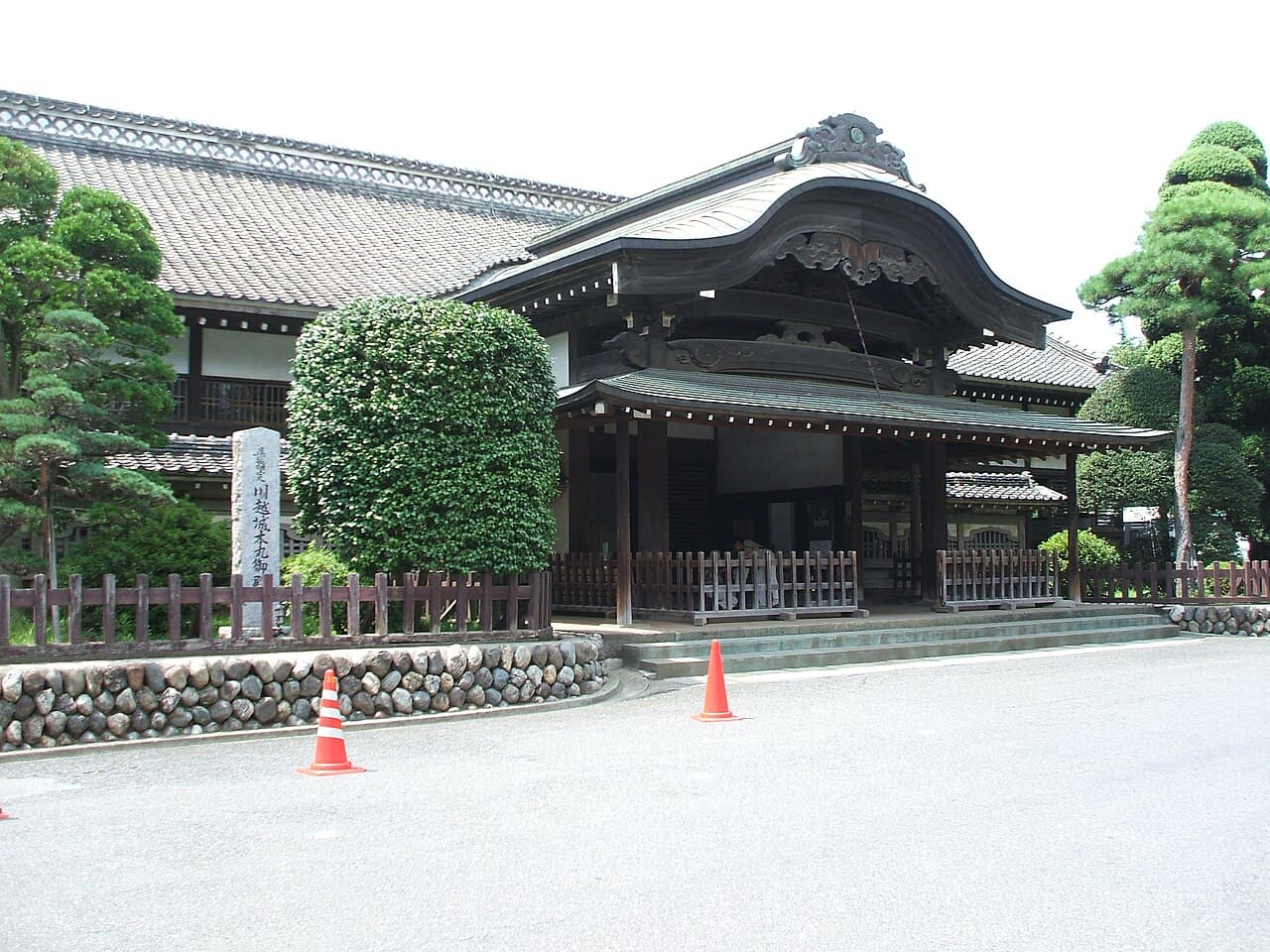
While much of Kawagoe Castle's original fortifications have not survived, the lord's palace (Oyakata yashiki) remains a rare and valuable example of castle palace architecture from the Edo period. This structure provides insight into the residential and administrative functions of a feudal lord's residence within a castle complex.
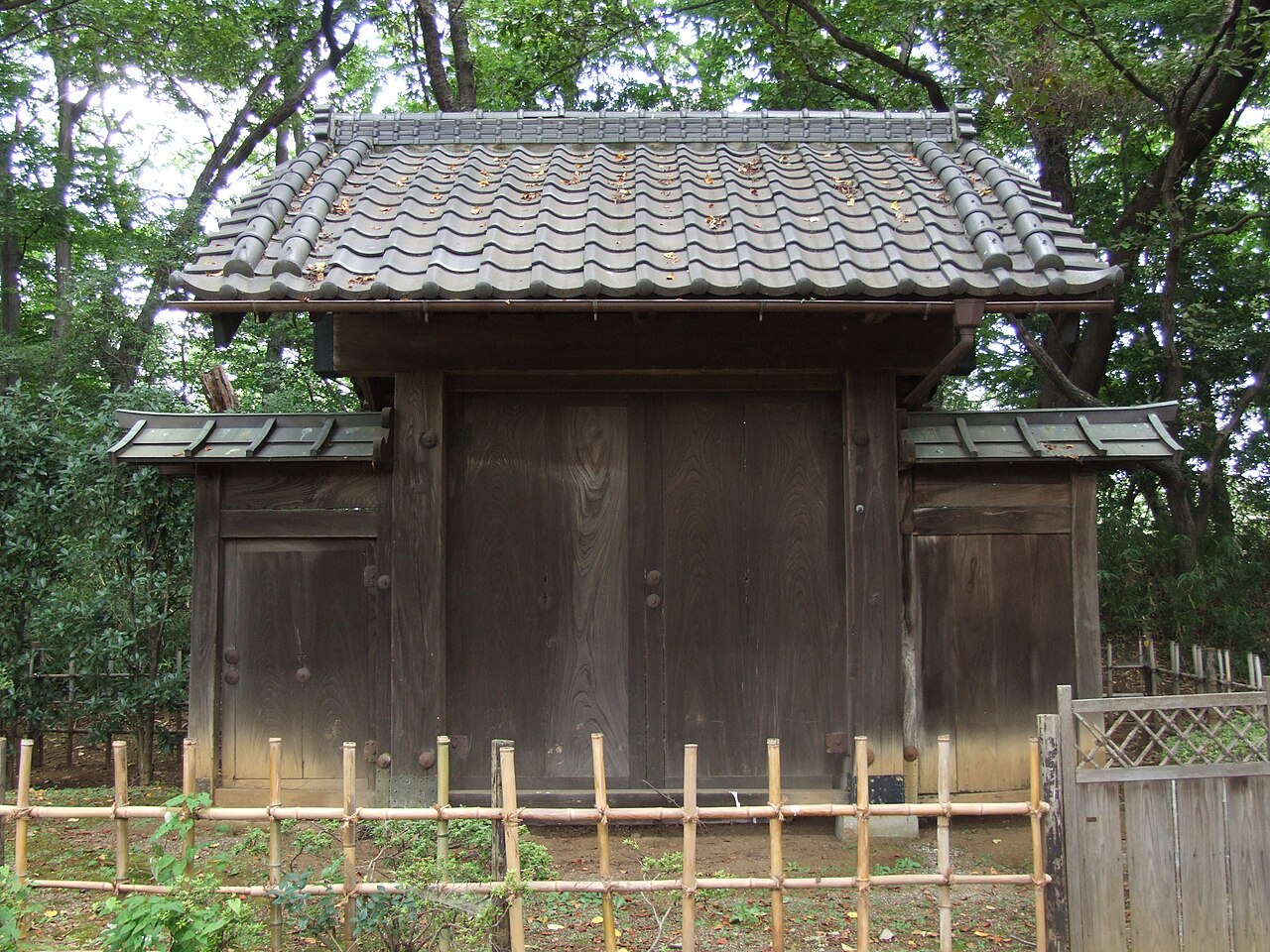
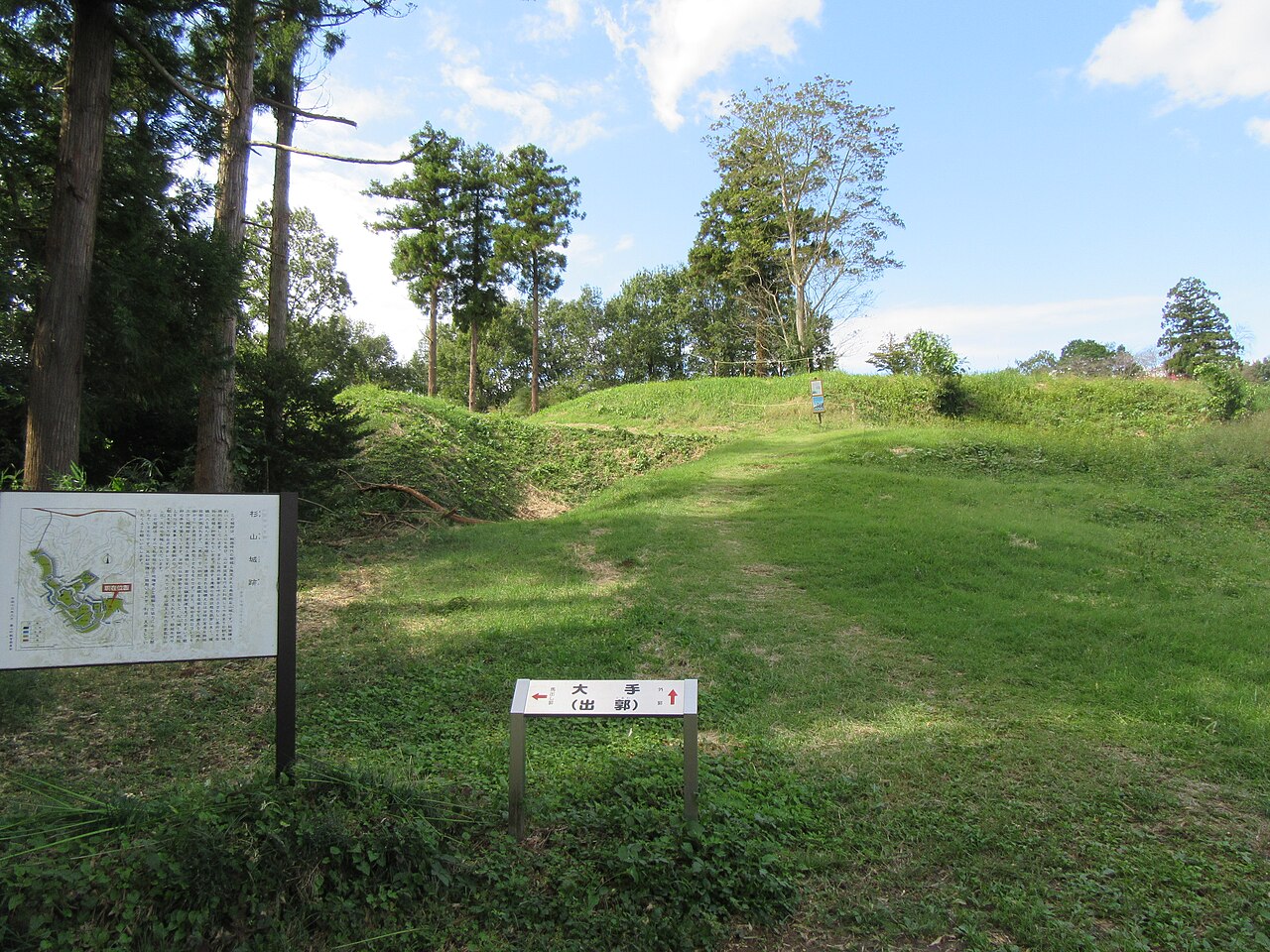
The castle grounds once included moats, stone walls, gates, and battlements, but these features have largely disappeared or been repurposed over time. The preservation of the lord's palace allows visitors to appreciate the craftsmanship and design aesthetics of the period.
The lord's palace (Oyakata yashiki)
This surviving building is notable for its traditional Japanese architectural style, featuring wooden construction, tiled roofs, and sliding doors. The palace served as the residence of the castle lord and the administrative headquarters. Its preservation is particularly significant given the rarity of such structures in Japan, where many castles were dismantled or destroyed during the Meiji Restoration and subsequent modernization.
Kawagoe castle town and cultural heritage
The area surrounding Kawagoe Castle developed into a classic Edo period castle town, characterized by a grid-like street layout and merchant districts. The town's historical ambiance is preserved through its well-maintained streets and traditional buildings, offering visitors a glimpse into Japan's feudal past.
Kawagoe is often referred to as "Little Edo" due to its preserved Edo period architecture and atmosphere. The castle's presence was central to this identity, influencing urban planning and economic activity in the region.
Storehouse buildings and merchant culture
The abundance of storehouse-style buildings in Kawagoe reflects the town's historical role as a commercial hub. These kura were built to protect valuable goods from fire and theft, constructed with thick earthen walls and fire-resistant materials. Today, many of these buildings have been converted into museums, shops, and cafes, enriching the cultural experience for visitors.
Visiting Kawagoe castle today
Visitors to Kawagoe Castle can explore the lord's palace and surrounding castle grounds, gaining insight into feudal Japanese architecture and history. The castle is part of a broader network of historical sites in Kawagoe, making it an ideal destination for those interested in Japan's cultural heritage.
The castle area is complemented by nearby attractions such as traditional merchant streets, temples, and museums, allowing visitors to spend a full day immersed in the Edo period ambiance. The preservation efforts have made Kawagoe Castle a valuable educational and tourist site, highlighting the importance of historical conservation in Japan.
Frequently asked questions (FAQ)
- What is the historical significance of Kawagoe Castle?
- Kawagoe Castle, also known as Kawagoe-jo, played a vital role during the Edo period as a stronghold for the Kawagoe clan. It served as an administrative center and a military base, reflecting the power dynamics of feudal Japan. The castle is an important cultural heritage site that provides insight into Japan's history and architecture.
- When was Kawagoe Castle built?
- Kawagoe Castle was originally constructed in 1457. It has undergone several renovations and reconstructions over the centuries, particularly after being damaged during battles. The current structures represent the castle's restoration efforts during the Edo period.
- What are the opening hours for Kawagoe Castle?
- Kawagoe Castle is typically open to visitors from 9:00 AM to 5:00 PM, with last entry at 4:30 PM. However, these hours may vary during national holidays or special events, so it’s advisable to check the official website before your visit.
- Can I access Kawagoe Castle by public transportation?
- Yes, Kawagoe Castle is easily accessible by public transportation. Visitors can take the Tobu Tojo Line or the JR Kawagoe Line to Kawagoe Station and then a short bus ride or a pleasant walk to the castle grounds. Clear signage along the way makes it easy to navigate.
- Is it possible to take guided tours of Kawagoe Castle?
- Yes, guided tours of Kawagoe Castle are available and highly recommended for those interested in learning more about its rich history and architecture. Tours are usually conducted in Japanese, but English-speaking guides may be arranged in advance. Check with the visitor center for details.
- What is the best time to visit Kawagoe Castle?
- The best time to visit Kawagoe Castle is during the spring (March to May) when cherry blossoms bloom, creating a picturesque setting. Autumn (September to November) is also a fantastic time, with vibrant foliage enhancing the castle's beauty. These seasons offer pleasant weather and a chance to enjoy local festivals.
- Are there any nearby attractions to Kawagoe Castle?
- Yes, there are several nearby attractions including the Kawagoe Hikawa Shrine, known for its beautiful architecture and serene atmosphere, and the historic Kurazukuri Street, famous for its traditional warehouses and shops. Both locations are within walking distance, making it easy to explore the rich culture of Kawagoe.
- What are the ticket prices for Kawagoe Castle?
- Admission to Kawagoe Castle is generally free, allowing visitors to explore the castle grounds and some of the historical buildings without charge. However, certain areas or exhibitions may have a small fee. Always check for updates on ticket pricing before your visit.
Photo gallery

Information
Opening hours
100 yen admission. Closed Mondays except National Holidays after which it is closed on Tuesday. Closed on the 4th Friday of each month except National Holidays. Closed Dec 28 - Jan 4.
Website
Visit websiteSources & official resources
Verify the information above using these authoritative references.
Loading map...
Visitor reviews
No reviews yet. Been here? Write the first review and help other travelers!
Write the first reviewVisited this castle? Share your experience
Your review helps other travelers and adds first-hand knowledge to our encyclopedia.