Hachioji Castle — Japan castle

Hachioji Castle

Hachioji castle: historic hilltop fortress in tokyo
Hachioji, Tokyo, Japan
Late Medieval (14th–15th c.)
Ruins

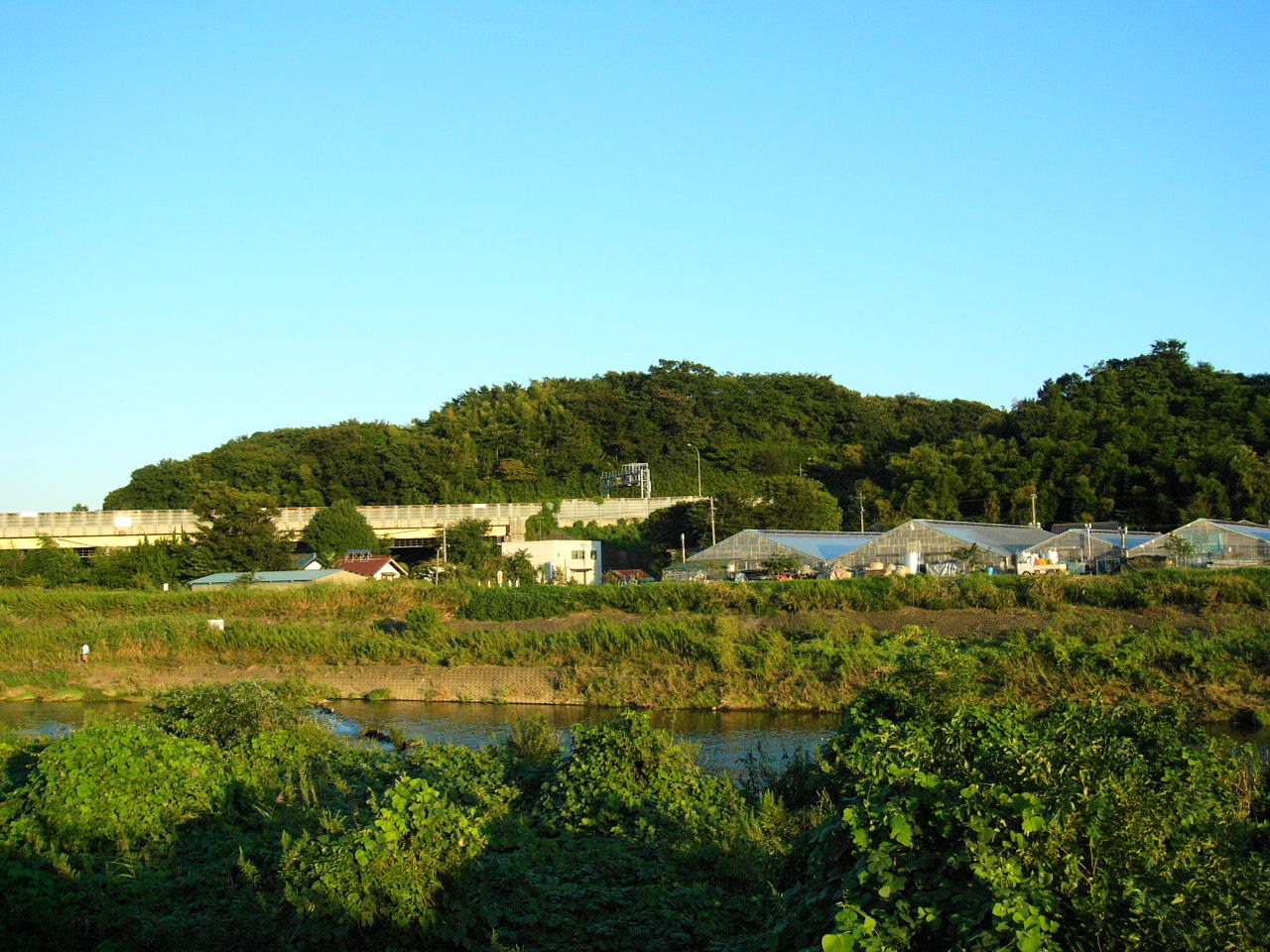
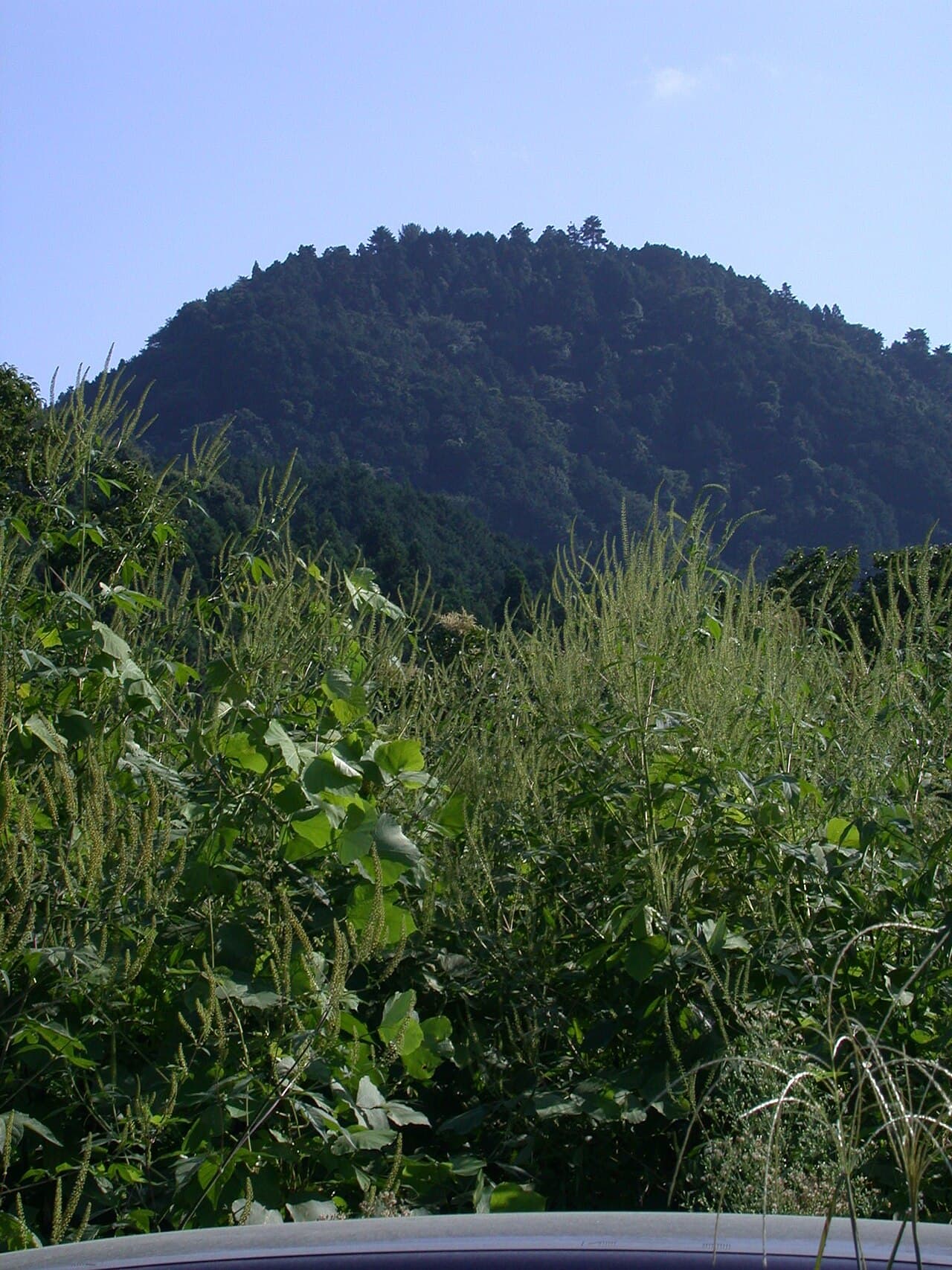
Hachioji Castle stands as a significant historical site in Tokyo, Japan, embodying the strategic military architecture of the late Sengoku period. Constructed in 1570 by Hojo Ujiteru, a prominent lord of the Hojo clan, the castle was designed to reinforce the Hojo family's control over the region and serve as a defensive bulwark protecting the vital stronghold of Odawara Castle. This hill castle was strategically positioned atop a mountain, utilizing the natural terrain to enhance its defensive capabilities, a hallmark of Japanese castle design during this era.

Historical context and significance

The construction of Hachioji Castle occurred during a tumultuous period in Japanese history marked by constant military conflict and political upheaval known as the Sengoku period. The Hojo clan, one of the most powerful samurai families, sought to consolidate their power in the Kantō region. Hojo Ujiteru, entrusted with the defense of the northern approaches to Odawara, established Hachioji Castle as a critical military outpost.

In 1590, during the decisive campaign led by Toyotomi Hideyoshi to unify Japan, Hachioji Castle became a focal point of conflict. When Hideyoshi's forces laid siege to Odawara Castle, the main Hojo leadership, including Hojo Ujiteru, Hojo Ujimasa, and Hojo Ujinao, departed Hachioji to defend Odawara, leaving Hachioji Castle vulnerable. The castle fell swiftly to Hideyoshi's army on June 23, 1590, succumbing within a single day. This loss was a pivotal moment that led to the eventual defeat of the Hojo clan and the completion of Japan's unification under Hideyoshi.

Architectural features and layout

Hachioji Castle was a sprawling complex that made full use of its mountainous setting. The castle's design incorporated multiple barricades and defensive structures strategically placed to delay and obstruct enemy advances. The castle's layout included a series of baileys and fortified enclosures connected by gates and stone walls, typical of Japanese hill castles of the period.

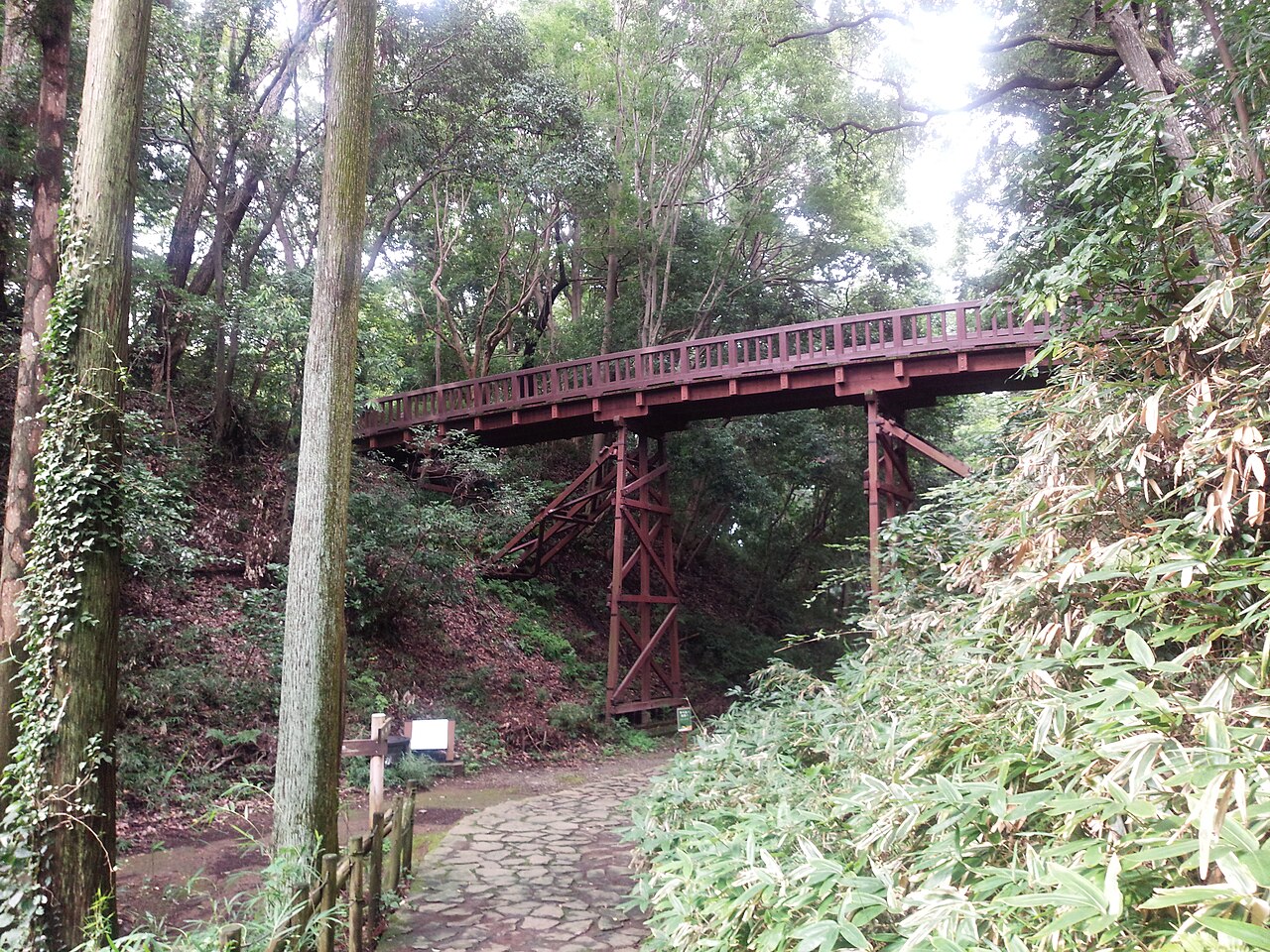
The entrance to the lord's palace, located at the base of the mountain, remains a notable feature. Though the main castle was situated at the summit, the palace area was heavily fortified and connected by a bridge. Today, visitors can observe remnants of stone walls, the bridge, and the entrance gate, which provide a tangible sense of the castle's former grandeur despite the absence of standing buildings.

Defensive structures and horikiri

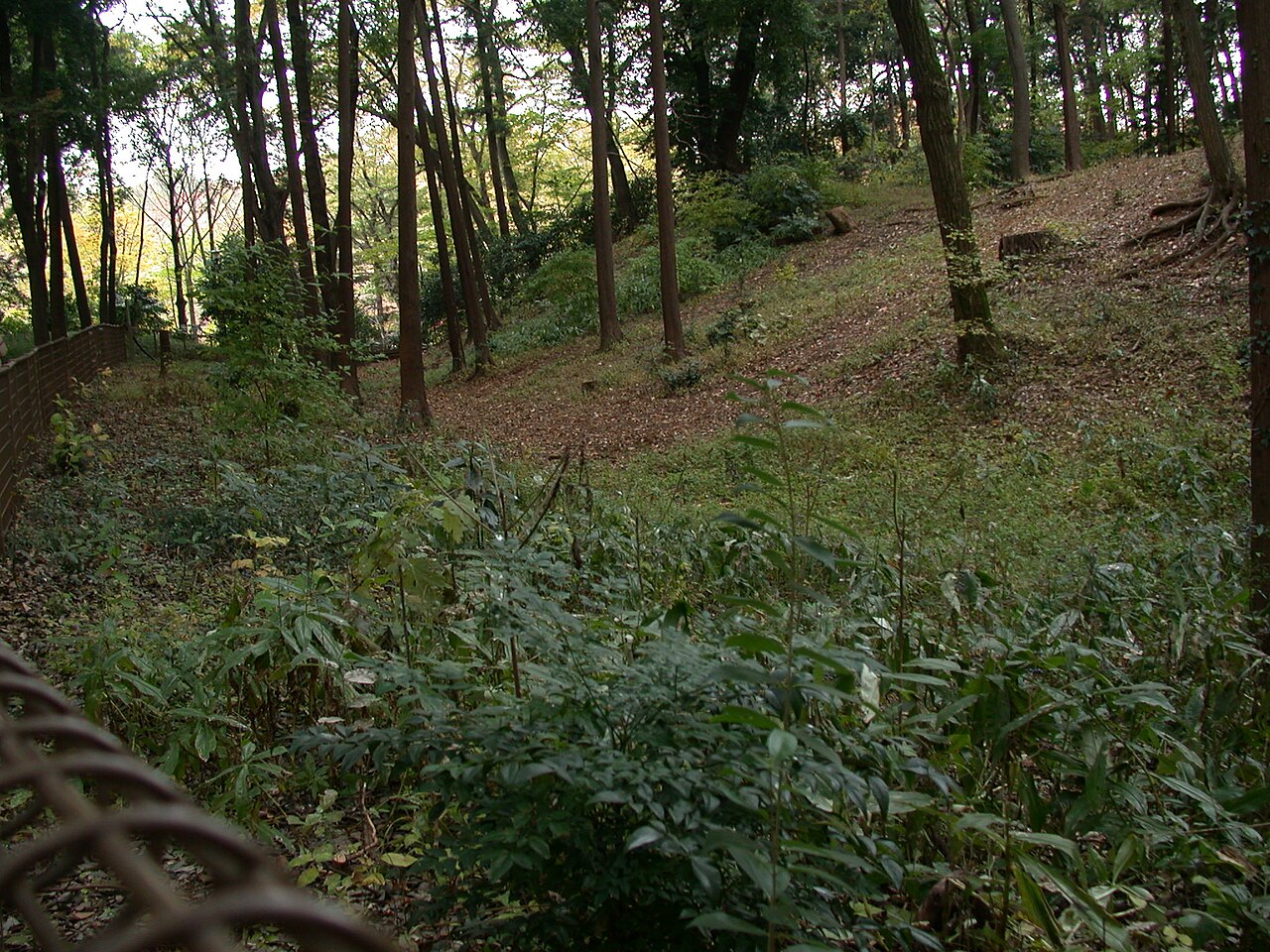
One of the most impressive defensive features of Hachioji Castle is the horikiri (大堀切), a large trench cut into the mountain to impede attackers. This horikiri, along with the stone embankments along the approach, exemplifies the sophisticated defensive engineering employed to protect the castle. These earthworks and stoneworks were designed to channel and slow enemy forces, maximizing the defenders' advantage.

Cultural and heritage importance

Though now in ruins, Hachioji Castle is recognized as one of the top historic castles to visit in the Tokyo area. The site offers valuable insights into the military strategies and architectural techniques of late 16th-century Japan. The castle's association with the Hojo clan and the dramatic events of the 1590 siege contribute to its cultural significance.

Local volunteer guides provide knowledgeable tours, enriching visitors' understanding of the castle's history and layout. The site encourages exploration beyond the main enclosure, inviting visitors to walk the trails that reveal the extensive defensive works and the natural landscape that shaped the castle's design.

Visitor information and access

Hachioji Castle is accessible via public transportation, with a bus running from Takao Station to the castle on weekends and holidays, making it convenient for day trips from central Tokyo. While the castle no longer has standing buildings, the preserved walls, bridge, and entrance to the lord's palace stimulate the imagination, allowing visitors to envision the castle's original form and function.

Visitors are encouraged to explore the entire site, including the horikiri and stone embankments, to fully appreciate the scale and complexity of the castle's defenses. The presence of expert guides enhances the experience, especially for those with some knowledge of Japanese, providing deeper historical context and architectural insights.

Frequently asked questions (FAQ)

How do I get to Hachioji Castle?
You can reach Hachioji Castle by taking a train to Hachioji Station and then a local bus or taxi to the castle site. The castle is located on a hill, so be prepared for a short hike to reach the ruins.
What is the historical significance of Hachioji Castle?
Hachioji Castle was built in the late 16th century and served as a strategic military base during the Sengoku period. It played a vital role in the battles between various feudal lords and is recognized as an important site in Japanese history.
When was Hachioji Castle constructed?
Hachioji Castle was constructed in 1584 by the commander Saito Doshin. It was established during a time of military conflict and was used until it was abandoned in the early 17th century.
Can I enter the castle grounds?
Yes, visitors can enter the castle grounds and explore the ruins. While there are no original buildings left, the site offers beautiful views and a chance to learn about its history through informational signs.
Why is Hachioji Castle a popular tourist destination?
Hachioji Castle is popular due to its rich historical background and scenic location. Visitors enjoy hiking to the castle while taking in the beautiful landscapes of the surrounding area.
Is it possible to visit Hachioji Castle year-round?
Yes, Hachioji Castle is open year-round, but the best times to visit are during the spring and autumn when the weather is mild and the foliage is stunning. Be sure to check local weather conditions before your visit.
What are the opening hours for Hachioji Castle?
Hachioji Castle is open from sunrise to sunset, allowing visitors to enjoy the site at various times of the day. However, it is advisable to arrive before sunset to fully appreciate the views and historical significance.
Are there any nearby attractions to Hachioji Castle?
Yes, nearby attractions include Takao-san, a popular hiking area, and the Hachioji Yakuo-in Temple. Both locations offer additional insights into the natural beauty and cultural heritage of the region.
What are the ticket prices for visiting Hachioji Castle?
There is no admission fee to visit Hachioji Castle, making it an accessible destination for all visitors. However, there may be fees for guided tours or special events held at the site.

Photo gallery

Hachioji Castle
Click to view

Photo by by Monado•CC BY-SA 2.5

1 photo • Click any image to view in full screen

Information

Hill Castle

Opening hours

Free; the Visitor Center (Guidance Center) is open 830am-5pm. Closed 12/29-1/3

Sources & official resources

Verify the information above using these authoritative references.

Loading map...

Visitor reviews

No reviews yet. Been here? Write the first review and help other travelers!

Write the first review

Visited this castle? Share your experience

Your review helps other travelers and adds first-hand knowledge to our encyclopedia.
Write a review

(5/5)

0/2000 characters

Your review will be visible after admin approval

Nearby castles

8.7 km
Takiyama Castle — Japan castle

Takiyama Castle

Hachiōji, Japan

Takiyama Castle (滝山城, Takiyama-jō) is a significant Japanese castle ruin located in the Tani neighborhood of Hachiōji city, within Tokyo. Built in the 16th century, during the turbulent Sengoku period, it served as a strategic stronghold in the region. Today, the castle ruins are protected as a National Historic Site since 2007, reflecting their cultural and historical importance. Historical background and strategic importance Constructed in the mid-1500s, Takiyama Castle was a hill castle designed to oversee and control the western approaches to the Musashi Province. Its location was chosen for its natural defensive advantages, situated on a steep ridge that provided commanding views of the surrounding terrain. The castle played a role in regional conflicts during the Sengoku period, a time marked by incessant warfare among feudal lords vying for power. The castle was initially under the control of the Hojo clan, a powerful samurai family that dominated the Kanto region. Takiyama Castle functioned as a military base and administrative center, helping to secure the clan's territorial interests. Architectural features and layout Takiyama Castle was constructed primarily as a hill castle (yamajiro), utilizing the natural topography for defense. The castle complex included multiple baileys (kuruwa) arranged along the ridge, connected by narrow paths and fortified with earthen walls and dry moats. Stone walls were limited, as was typical for Japanese castles of this period, relying more on natural terrain and wooden structures. The main enclosure (honmaru) was situated at the highest point, serving as the last line of defense and housing the lord's residence and key facilities. Surrounding this were secondary enclosures (ni-no-maru, san-no-maru) that provided layered defense. The castle's design emphasized defense through elevation and natural barriers rather than extensive stone fortifications. Defensive structures Defensive features included steep slopes, dry moats, and strategically placed gates that controlled access to the inner areas. The castle's position on a ridge made direct assaults difficult, forcing attackers to navigate narrow, exposed paths under defensive fire. Decline and current condition Following the unification of Japan under the Tokugawa shogunate in the early 17th century, Takiyama Castle lost its military significance and was eventually abandoned. Over time, the wooden structures decayed, and the site fell into ruin. Today, the castle remains as archaeological ruins with earthworks, moats, and some stone remnants visible. The site is accessible to visitors, offering insight into Sengoku-era castle construction and the strategic use of natural terrain in Japanese fortifications. Cultural significance and preservation Designated a National Historic Site in 2007, Takiyama Castle is recognized for its historical value and as a representative example of hill castle architecture from the Sengoku period. Preservation efforts focus on maintaining the remaining earthworks and preventing further erosion. The site attracts historians, archaeologists, and tourists interested in Japan's feudal past and castle architecture. Interpretive signs and guided tours help visitors understand the castle's layout, history, and role in regional conflicts. Visiting takiyama castle ruins The ruins are located within a wooded area in Hachiōji and can be reached by local transportation followed by a short hike. The site is open year-round, with no entrance fee, making it accessible for casual visitors and those with a keen interest in Japanese history. Visitors should wear suitable footwear for uneven terrain and can explore the remains of the moats, earthworks, and terraces that outline the former castle grounds.

Renaissance (15th–17th c.)
Details
32.4 km
Shakujii Castle — Japan castle

Shakujii Castle

, Japan

Shakujii Castle (石神井城, -jō) was a significant hill castle located along the Shakujii River in what is now Shakujii Park, situated in Tokyo's Nerima ward. Constructed in the 12th century during Japan's high medieval period, it played a pivotal role in the region's feudal history. The castle's remains and the historical records attached to it provide one of the clearest accounts of territorial inheritance in the area that is now modern Tokyo. Historical background and significance Shakujii Castle was established during a time of considerable political fragmentation and local warfare in Japan. As a hill castle, it was strategically positioned to oversee and control the surrounding lands along the Shakujii River, which was a vital natural resource and transportation route. The castle served as the seat of local lords who managed the feudal territories in the region. Its history is closely tied to the prominent families and clans that governed the area, making it an important site for understanding the feudal dynamics of eastern Japan during the high medieval period. Architectural features and layout Though now mostly in ruins, archaeological studies and historical documents reveal that Shakujii Castle featured typical defensive elements of a hill castle from its era. It was likely constructed with earthen ramparts and wooden palisades, complemented by moats fed by the nearby river. The castle's location on elevated terrain provided natural defense advantages, including visibility over the surrounding plains and control of river crossings. The layout would have included a central enclosure or honmaru, surrounded by secondary enclosures and defensive structures to protect the lord and retainers. Defensive structures The castle's defenses were enhanced by the natural topography, with steep slopes and water features acting as barriers against attackers. The use of moats and earthen walls was typical of Japanese castles in this period, providing multiple layers of protection. Although no large stone walls remain, the design would have incorporated wooden gates and watchtowers to monitor and repel enemy forces. Feudal inheritance and governance One of the most notable aspects of Shakujii Castle is its well-documented history of feudal inheritance. The castle was a center of governance for the local lordship, and the records detail the succession of power and land ownership through several generations. This continuity provides valuable insights into the administrative and familial structures of feudal Japan, particularly in the Kantō region. The castle's history reflects the broader political shifts and alliances that shaped the region's development. Current status and cultural importance Today, Shakujii Castle exists primarily as an archaeological site within Shakujii Park. While much of the original structure has been lost to time and urban development, the site remains an important cultural and historical landmark in Tokyo. Efforts have been made to preserve the ruins and interpret the castle's significance for visitors and scholars alike. The park provides a green space where people can appreciate the historical landscape and the legacy of the feudal era in Tokyo. Visitor information Visitors to Shakujii Park can explore the castle ruins and learn about its history through informational displays and guided tours offered by local heritage organizations. The site is accessible year-round and offers a unique glimpse into Japan's medieval past within the modern urban environment of Tokyo.

High Medieval (11th–13th c.)
Details
34.6 km
Kozukue Castle — Japan castle

Kozukue Castle

Yokohama, Japan

Kozukue Castle (小机城, Kozukue-jō) represents the earthly remains of a late medieval Japanese castle located in the Kozukue area of Kōhoku-ku ward, Yokohama, Kanagawa Prefecture. Constructed in the 15th century, this castle played a strategic role during the turbulent Sengoku period, a time defined by frequent military conflicts among feudal lords. Historical background and significance The castle was built during the Muromachi period, specifically in the late medieval era, a period marked by the rise of regional warlords and the need for fortified structures to defend territories. Kozukue Castle was originally controlled by the Uesugi clan, a powerful samurai family influential in the Kantō region. Its location near the Tsurumi River and close to important transportation routes enhanced its strategic value. Throughout its history, Kozukue Castle witnessed several sieges and military engagements, especially during the Sengoku period (1467–1615), when the Kantō region was a hotbed of conflict. The castle's defenses were designed to withstand attacks from rival clans, reflecting the military architecture of the time. Architectural features and layout Kozukue Castle was a hirayama-style castle, built on a low hill to maximize natural defensive advantages. The castle's layout included multiple baileys (kuruwa) protected by earthen walls and dry moats, typical of Japanese fortifications of the period. The main enclosure (honmaru) was situated at the highest point, surrounded by secondary enclosures that housed residences, storehouses, and defensive structures. Although the castle is now in ruins, archaeological excavations have revealed the foundations of stone walls, remnants of earthen ramparts, and traces of moats. These features illustrate the castle's defensive strategy, which relied on natural terrain augmented by man-made barriers. The absence of a large stone keep (tenshu) aligns with many regional castles of the late medieval period, focusing more on earthworks and wooden fortifications. Defensive structures The castle's defensive system included multiple layers of protection, such as dry moats and earthen embankments, designed to slow down enemy forces. The baileys were connected by narrow pathways that could be easily defended. The strategic placement of gates and watchtowers allowed for surveillance of approaching enemies. Decline and current status Kozukue Castle fell into disuse after the unification of Japan under the Tokugawa shogunate in the early 17th century, as many regional fortifications were dismantled or abandoned. Today, the site is classified as archaeological ruins and is protected as a cultural heritage site by local authorities. Visitors to the site can explore the remains of the castle's earthworks and stone foundations, which offer insight into the defensive techniques of the period. The ruins are surrounded by modern urban development but retain a quiet, historical atmosphere. Interpretive signs provide information about the castle's history and layout, making it a valuable destination for those interested in Japanese medieval fortifications. Access and visitor information The ruins of Kozukue Castle are accessible to the public year-round, with no entrance fee. The site is located within a park area in Kōhoku-ku, Yokohama, making it convenient for visitors combining historical exploration with urban sightseeing. While the castle remains are primarily earthworks and foundations, the site offers walking paths and viewing points to appreciate the castle's former strategic position. Nearby attractions include other historical sites in Kanagawa Prefecture and cultural landmarks in Yokohama, enhancing the visitor experience with a blend of history and modern city life.

Late Medieval (14th–15th c.)
Details