Takatenjin Castle — Japan castle

Takatenjin Castle

Takatenjin Castle: Sengoku period yamashiro-style ruins in Shizuoka
Ruins

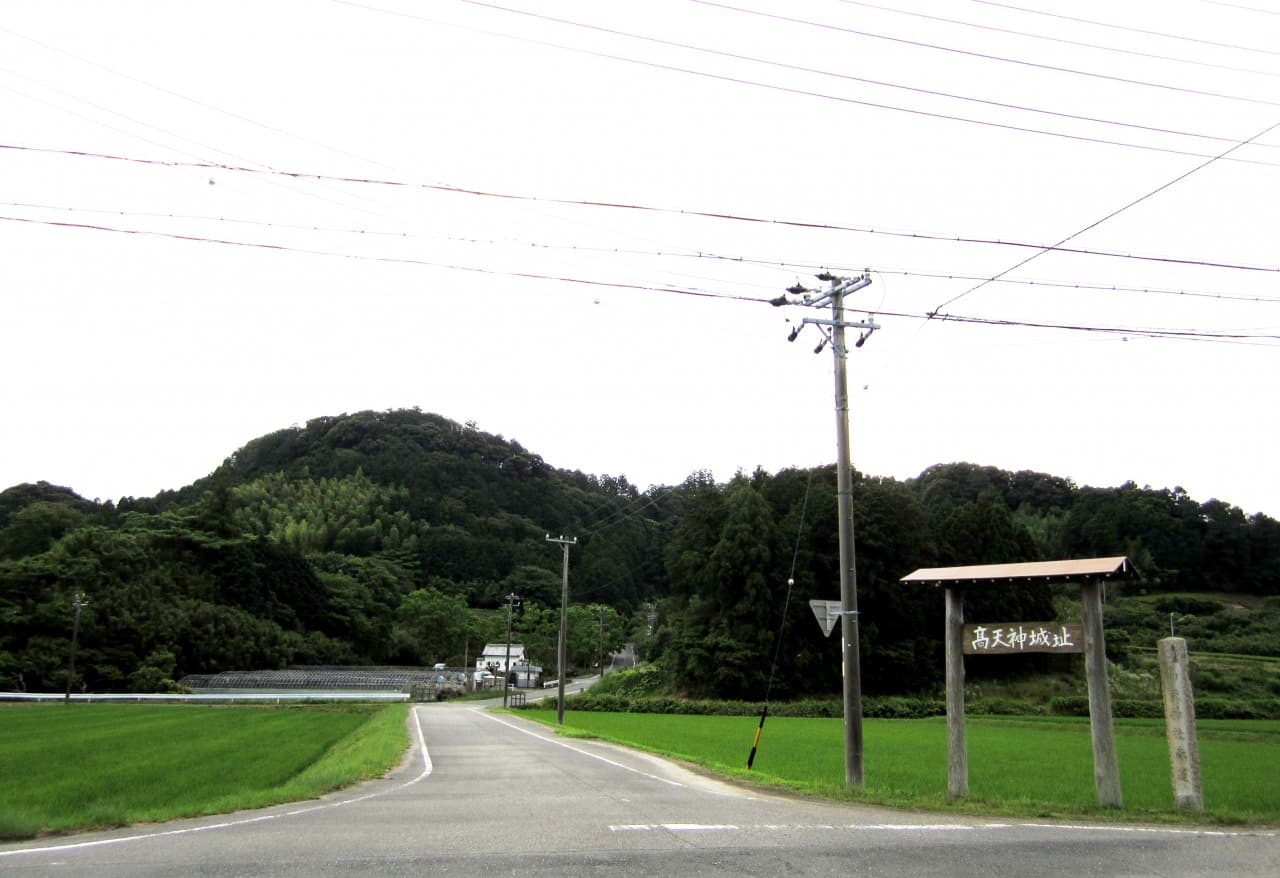
Takatenjin Castle (高天神城, Takatenjin-jō) is a significant Sengoku period yamashiro-style Japanese castle located in the Kamihijikata and Shimohijikata neighborhoods of Kakegawa city, within Shizuoka prefecture. The castle's ruins have been preserved as a National Historic Site since 1975, with the protected area expanded in 2007 to include additional archaeological remains.

Constructed during the turbulent 15th to 16th centuries, Takatenjin Castle exemplifies the strategic use of mountainous terrain characteristic of yamashiro (mountain castles) designed to maximize natural defenses. Situated on a steep hill, the castle leveraged its elevation to oversee and control important regional routes, making it a key military stronghold during the Sengoku era, a time marked by frequent conflicts among feudal lords vying for power.

Historical significance and military role

Takatenjin Castle played a crucial role in the power struggles of the late Sengoku period. Its location in Shizuoka placed it on the frontier between competing clans, notably the Takeda and Tokugawa families. The castle was a focal point of several sieges, most famously the Siege of Takatenjin in the 1570s, where it changed hands multiple times. These sieges demonstrated the castle's strategic importance and the intense military efforts to control it.

During the 1574 siege, the Takeda clan captured the castle from Tokugawa forces, highlighting the shifting alliances and military campaigns of the period. However, the castle's defenses were ultimately overcome, and it was abandoned following the consolidation of power by the Tokugawa shogunate in the early 17th century.

Architectural features and layout

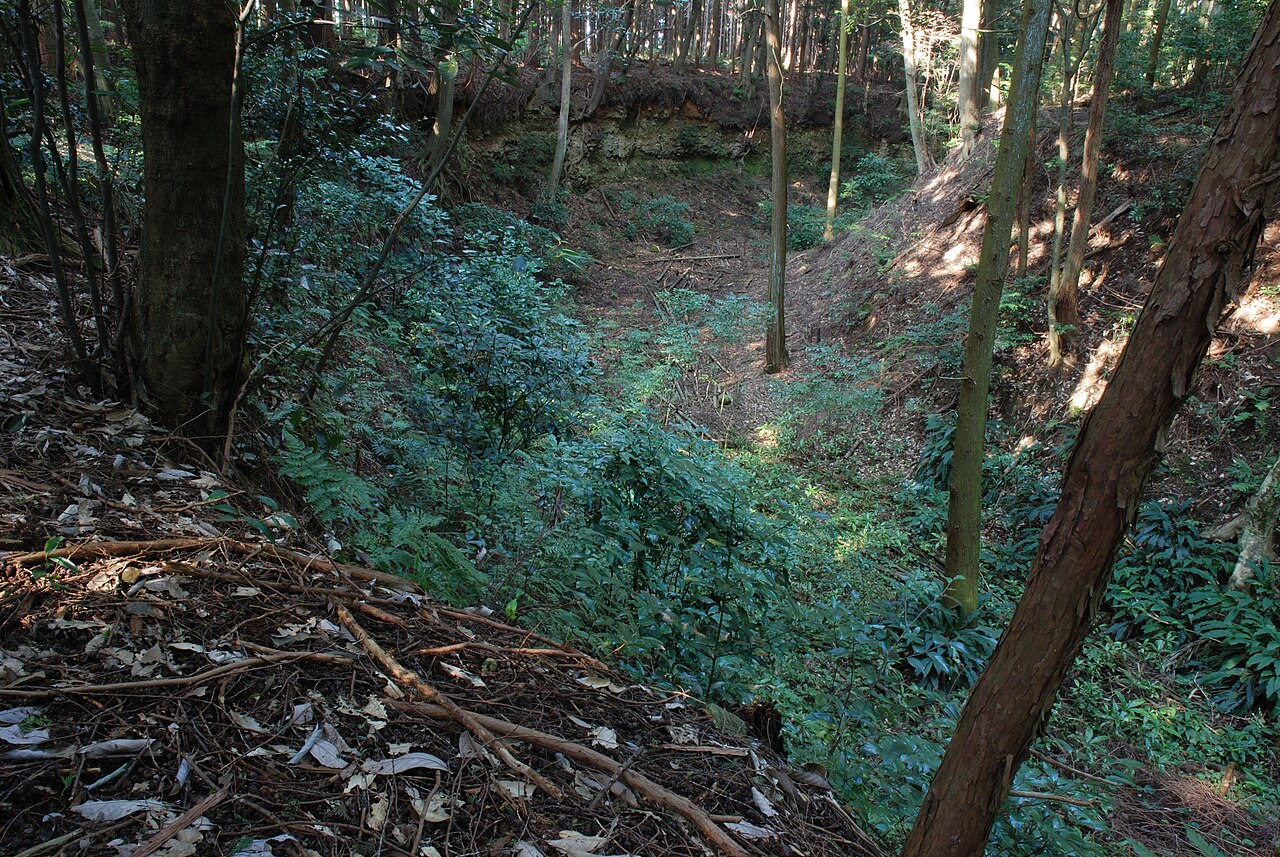
As a yamashiro-style castle, Takatenjin was constructed primarily using the natural contours of the mountain. Its design incorporated multiple baileys (courtyards) arranged along the ridges, connected by narrow paths and fortified with earthen walls and dry moats. Stonework was limited compared to later Japanese castles, reflecting the Sengoku period's emphasis on rapid construction and adaptability.

The castle's main enclosure was fortified with wooden palisades and featured watchtowers that provided extensive views of the surrounding valleys and transportation routes. Defensive features included steep slopes and natural cliffs, which served as formidable barriers against attackers.

Defensive structures

Key defensive elements included earthen ramparts reinforced with wooden stakes, strategically placed dry moats carved into the hillside, and narrow gates designed to funnel enemy forces into kill zones. The castle's elevated position also allowed defenders to use gravity to their advantage, dropping stones or firing arrows down upon assailants.

Current condition and preservation efforts

Today, Takatenjin Castle remains in a state of ruins, with only remnants of its earthworks, moats, and foundation stones visible. The site is an important archaeological resource that offers insight into Sengoku period castle construction and military strategy.

The designation as a National Historic Site has helped protect the ruins from urban development and natural erosion. Preservation efforts focus on maintaining the integrity of the earthworks and providing educational signage to inform visitors about the castle's historical context and architectural features.

Visiting Takatenjin Castle

The castle ruins are accessible to the public and offer a glimpse into Japan's feudal past amid a natural setting. Visitors can explore the hiking trails that traverse the former castle grounds, experiencing the steep terrain and strategic vantage points firsthand.

Interpretive panels and markers guide visitors through the site, explaining the layout and historical events associated with Takatenjin Castle. The area is especially popular among history enthusiasts and hikers interested in Japan's military architecture.

Best time to visit

Spring and autumn provide favorable weather conditions and scenic views of the surrounding landscape. The site is open year-round, but visitors should prepare for uneven terrain and limited facilities.

Frequently asked questions (FAQ)

How do I get to Takatenjin Castle?
You can reach Takatenjin Castle by taking a train to the nearest station, followed by a short bus ride or a pleasant walk. The castle is located in the scenic area of Japan, making it a beautiful journey. For those driving, ample parking is available nearby.
What is the historical significance of Takatenjin Castle?
Takatenjin Castle was built in the late 16th century as a strategic military stronghold. It played a crucial role during the Sengoku period and has been a symbol of local heritage ever since. Today, it stands as a testament to Japan's feudal history and architectural prowess.
When was Takatenjin Castle constructed?
Takatenjin Castle was constructed in 1583 by the powerful warlord Takeda Shingen. It underwent several renovations over the centuries, with notable modifications in the Edo period. The castle has been preserved to showcase its unique historical architecture.
Can I enter the main keep of Takatenjin Castle?
Yes, visitors can enter the main keep of Takatenjin Castle, where they can explore its historical exhibits and enjoy panoramic views of the surrounding landscape. The interior is designed to give a glimpse into the life of samurai during its prime. Don’t forget to check the opening hours to plan your visit accordingly.
Why is Takatenjin Castle a popular tourist attraction?
Takatenjin Castle attracts visitors for its rich history, stunning architecture, and beautiful surrounding scenery. The castle offers a unique insight into Japan’s feudal past and is a popular spot for photography and cultural appreciation. Additionally, its seasonal cherry blossoms draw many visitors in spring.
Is it possible to visit Takatenjin Castle year-round?
Yes, Takatenjin Castle is open to visitors year-round, though specific attractions may have seasonal hours. Each season offers a different experience, from cherry blossoms in spring to vibrant autumn foliage. Be sure to check for any special events or maintenance closures before planning your trip.
What are the ticket prices for visiting Takatenjin Castle?
The ticket prices for Takatenjin Castle are typically very reasonable, with discounts available for students and seniors. Admission fees help maintain the castle and its grounds, ensuring a quality experience for all visitors. It’s advisable to check the official website for the latest pricing and any special offers.
What are the opening hours for Takatenjin Castle?
Takatenjin Castle generally opens from 9 AM to 5 PM, with extended hours during peak tourist seasons. Visitors are encouraged to arrive early to fully enjoy the castle and its surroundings. Always confirm the hours on the official website or at the entrance, as they may vary by season.
What nearby attractions should I visit while at Takatenjin Castle?
While visiting Takatenjin Castle, you can also explore the nearby gardens and historical sites that reflect the region's culture. Local museums and temples are within a short distance and offer additional insights into the area’s history. Don’t miss the chance to sample local cuisine at nearby restaurants as well.

Photo gallery

Takatenjin Castle
Click to view

Photo by 立花左近•CC BY-SA 3.0

1 photo • Click any image to view in full screen

Information

Archaeological Site / Ruins

Loading map...

Visitor reviews

No reviews yet. Been here? Write the first review and help other travelers!

Write the first review

Visited this castle? Share your experience

Your review helps other travelers and adds first-hand knowledge to our encyclopedia.
Write a review

(5/5)

0/2000 characters

Your review will be visible after admin approval

Nearby castles

8.8 km
Kakegawa Castle — Japan castle

Kakegawa Castle

Kakegawa, Japan

Kakegawa Castle is a prominent hill castle located in Kakegawa city, Shizuoka Prefecture, Japan. Originally constructed in 1497 during the late medieval period, this castle played a vital strategic role along the historic Tokaido road, a major route connecting Kyoto and Edo (modern Tokyo). The castle's location atop a hill provided excellent defensive advantages and control over the surrounding area, making it a key military and administrative center throughout its history. The castle's initial construction was commissioned by Imagawa Yoshitada, who tasked his retainer Asahina Yasuhiro with building the fortress approximately 0.5 kilometers northeast of the current site. This early version of Kakegawa Castle was intended to secure the region and monitor the movement along the Tokaido road. In 1569, the castle fell to the forces of Tokugawa Ieyasu, a pivotal figure in Japanese history who would later unify the country and establish the Tokugawa shogunate. Historical significance and ownership transitions Following Tokugawa Ieyasu's acquisition of the castle, the region underwent significant political changes. In 1590, the area was absorbed into the domain of Toyotomi Hideyoshi, the powerful warlord who succeeded in unifying Japan after the Sengoku period. Hideyoshi appointed Yamanouchi Kazutoyo as the castle's lord when Tokugawa was relocated to Edo, marking a new era for Kakegawa Castle. Yamanouchi Kazutoyo is credited with major renovations and modernization efforts at Kakegawa Castle. He constructed the castle's main keep (tenshu) on the current site, transforming it into a more contemporary and formidable fortress. His improvements extended beyond the castle itself, as he also developed the surrounding castle town, enhancing its infrastructure and fortifications to reflect the evolving needs of the period. Architectural features and reconstruction history The castle's main keep underwent several reconstructions due to natural disasters. The original keep built by Yamanouchi was destroyed in an earthquake in 1604, but it was promptly rebuilt to maintain the castle's defensive capabilities. This rebuilt keep stood for over two centuries until it was again destroyed by a major earthquake in 1854. Following this destruction, the keep was not reconstructed, and the castle gradually fell into disuse. After the Meiji Restoration and the subsequent abolition of the feudal system in 1869, Kakegawa Castle was dismantled as part of the government's efforts to modernize Japan and reduce the power of the samurai class. Despite this, several original structures survived, including an original palace building and some gates, which provide valuable insight into the castle's architectural style and historical function. Modern restoration and preservation efforts In recent decades, Kakegawa Castle has undergone partial restoration to revive its historical appearance and promote cultural heritage tourism. The main keep has been reconstructed using traditional techniques and materials, carefully replicating the design of the Edo-period structure. This reconstruction allows visitors to experience the castle's imposing presence and architectural grandeur firsthand. The castle grounds also feature a well-maintained museum housed within the reconstructed main keep. Although the museum's collection of artifacts is modest, the exhibits are thoughtfully curated to provide visitors with a clear understanding of the castle's history, architectural evolution, and the lives of its former inhabitants. The combination of restored buildings and informative displays makes Kakegawa Castle a compelling destination for enthusiasts of Japanese history and castle architecture. Architectural style and castle layout Kakegawa Castle exemplifies the late medieval Japanese castle architecture that evolved into the early Edo period style. Its design incorporates multiple defensive features typical of hill castles, such as stone walls, moats, and strategically placed gates. The castle's layout was carefully planned to maximize natural terrain advantages, including steep slopes and elevated positions, which hindered enemy advances. The main keep served as the castle's central stronghold and symbol of lordly power. Surrounding it were various baileys and courtyards that housed administrative buildings, barracks, and residences for samurai retainers. The surviving palace building offers a rare glimpse into the residential architecture of the period, featuring elegant interiors and refined craftsmanship. Visiting Kakegawa Castle today Today, Kakegawa Castle stands as a partially restored historical site that invites visitors to explore its grounds and learn about its rich past. The castle's location in Kakegawa city makes it accessible for tourists interested in Japan's feudal history and traditional architecture. Visitors can stroll through the castle's reconstructed main keep, original palace, and remaining gates, gaining insight into the strategic importance and cultural heritage of this late medieval hill castle. The castle grounds are complemented by beautiful surrounding gardens and scenic views of the city and countryside. Educational programs and guided tours are often available, enhancing the visitor experience. Kakegawa Castle's blend of restoration and preservation efforts ensures it remains a vital link to Japan's samurai era and a treasured cultural landmark.

Late Medieval (14th–15th c.)
Details
15.4 km
Suwahara Castle — Japan castle

Suwahara Castle

Shimada, Japan

Suwahara Castle (諏訪原城, Suwahara-jō) stands as a significant example of a Sengoku period yamashiro-style Japanese castle, located in the Kanaya neighborhood of Shimada city, within Shizuoka Prefecture, Japan. Constructed in the 16th century, this castle reflects the military architectural trends of a turbulent era marked by constant warfare and political upheaval. The site has been recognized and protected as a National Historic Site since 1975, underscoring its cultural and historical value. Historical context and significance The Sengoku period (c. 1467–1615) was characterized by near-constant military conflict among competing warlords vying for control over Japan. During this era, castles like Suwahara were constructed primarily for defense, strategic control, and as symbols of power. Suwahara Castle's location in Shizuoka Prefecture placed it in a region of strategic importance, controlling access routes and local territories. The castle was built by the Takeda clan, a powerful samurai family known for their military prowess. Suwahara served as a defensive stronghold and a base of operations during the clan's campaigns. Its construction and use reflect the military strategies and feudal dynamics of the late medieval period in Japan. Architectural features of Suwahara Castle Suwahara Castle is classified as a yamashiro, or mountain castle, a style that utilizes natural terrain for defense. Built on elevated ground, the castle's design integrates steep slopes, natural ridges, and forests to create formidable obstacles for attackers. Layout and defensive elements The castle complex included multiple baileys (courtyards) arranged on terraced levels along the mountainside. These baileys were protected by earthen walls, dry moats, and wooden palisades. The use of earthworks rather than extensive stone walls is typical for yamashiro castles, which relied on the natural landscape and man-made earth barriers for defense. The main enclosure (honmaru) was situated at the highest point, providing commanding views of the surrounding area. This vantage point allowed defenders to monitor enemy movements and coordinate defense effectively. Materials and construction techniques The castle's construction primarily used wood and earth, common materials in Japanese castle building of the period. Stone was used sparingly, mostly for foundations and certain defensive positions. The wooden structures included watchtowers and gates, though none of these remain intact today. The decline and current state of Suwahara Castle Following the unification of Japan under the Tokugawa shogunate in the early 17th century, many castles, including Suwahara, lost their military importance. The castle was abandoned and fell into ruin over the centuries. Today, Suwahara Castle exists as archaeological ruins, with remnants of earthworks, moats, and terraces visible in the landscape. The site offers valuable insights into Sengoku period military architecture and feudal history. Preservation efforts have maintained the ruins as a protected cultural heritage site. Visiting Suwahara Castle The castle ruins are accessible to the public and provide a unique opportunity to explore a classic example of a Sengoku period mountain castle. Visitors can walk along the terraced grounds, observe the earthworks, and imagine the strategic significance of the location. Interpretive signs and local guides help explain the historical context and architectural features. The natural setting also offers scenic views of the surrounding mountains and valleys, enhancing the visitor experience. Cultural importance and legacy Suwahara Castle is an important cultural asset that reflects the military history and architectural ingenuity of Japan's Sengoku period. As a protected National Historic Site, it contributes to understanding the regional power struggles and castle-building techniques of the time. The site continues to be a focus for archaeological research and education, helping to preserve the legacy of Japan's feudal past for future generations.

Late Medieval (14th–15th c.)
Details
28.4 km
Hamamatsu Castle — Japan castle

Hamamatsu Castle

Hamamatsu, Japan

Hamamatsu Castle (浜松城, Hamamatsu-jō) is a prominent example of a hirayama-style castle located in the city of Hamamatsu, Shizuoka Prefecture, Japan. Constructed in the 16th century, this castle played a significant role during the Sengoku period and the subsequent Edo period. It is famously known as Shusse Castle (出世城, Shusse-jō), which translates to "Castle of Success," reflecting its historical association with the rise of important samurai leaders. Historical background and significance The origins of Hamamatsu Castle date back to the mid-1500s, a turbulent era marked by constant military conflict among feudal lords. The castle was initially built by the Imagawa clan but later came under the control of Tokugawa Ieyasu, one of Japan's most influential shoguns. During his tenure as a daimyo, Tokugawa Ieyasu used Hamamatsu Castle as a strategic base for consolidating power in the region. The castle's location in the former Tōtōmi Province was critical for controlling the surrounding territories and securing important trade routes. Architecture and layout Hamamatsu Castle is classified as a hirayama-style castle, meaning it was built on a hill rising from a plain, combining natural topography with man-made fortifications. This style allowed for effective defense while maintaining accessibility. The castle complex originally featured a main keep (tenshu), multiple gates, stone walls, and a moat system. Although much of the original structure was destroyed over time, some replica buildings and reconstructed elements have been erected to give visitors a sense of the castle's former grandeur. Main keep and defensive features The main keep was a multi-storied tower that served both as a residence and a last line of defense. Its elevated position provided commanding views of the surrounding landscape, allowing defenders to monitor approaching threats. The castle's stone walls were carefully constructed for durability and defense against siege weapons. The moats surrounding the castle added an additional layer of protection by hindering enemy advances. Castle grounds and auxiliary structures The castle grounds included residential quarters for the daimyo and his retainers, storehouses for provisions and armaments, and administrative buildings for managing the domain. The layout was designed to facilitate both military readiness and the day-to-day governance of the territory. Role under the Tokugawa shogunate During the Edo period, Hamamatsu Castle served as the seat of various fudai daimyō, hereditary vassals loyal to the Tokugawa shogunate. The castle's strategic location made it a key administrative center within the Hamamatsu Domain of Tōtōmi Province. The Tokugawa regime emphasized stability and control, and castles like Hamamatsu played a vital role in maintaining order and managing local affairs. Present condition and cultural importance Today, Hamamatsu Castle is classified as ruins, with only a few reconstructed buildings and replica structures standing on the site. The castle grounds have been preserved as a public park, offering visitors a chance to explore the historic site and learn about its past. The castle is a popular cultural landmark in Hamamatsu, attracting tourists and history enthusiasts interested in Japan's feudal era and castle architecture. Visitor experience and accessibility The castle park features informative displays and walking trails that guide visitors through the remains of the fortifications and reconstructed areas. The site is accessible year-round, with seasonal events often held to celebrate the castle's heritage. Its location within the city makes it convenient for tourists to combine a visit with exploring other attractions in Shizuoka Prefecture. Legacy and historical figures Tokugawa Ieyasu's association with Hamamatsu Castle is one of its most notable historical aspects. His leadership during the castle's early years helped lay the foundation for the Tokugawa shogunate, which ruled Japan for over 250 years. The castle's nickname, Shusse Castle, reflects its reputation as a place where many samurai and officials advanced their careers. In summary, Hamamatsu Castle remains an important site for understanding Japan's feudal history, military architecture, and the political dynamics of the Sengoku and Edo periods. Its combination of strategic design, historical significance, and cultural preservation offers valuable insights into the legacy of Japanese castles.

Renaissance (15th–17th c.)
Details