Hamamatsu Castle
Hamamatsu Castle (浜松城, Hamamatsu-jō) is a prominent example of a hirayama-style castle located in the city of Hamamatsu, Shizuoka Prefecture, Japan. Constructed in the 16th century, this castle played a significant role during the Sengoku period and the subsequent Edo period. It is famously known as Shusse Castle (出世城, Shusse-jō), which translates to "Castle of Success," reflecting its historical association with the rise of important samurai leaders.
Historical background and significance
The origins of Hamamatsu Castle date back to the mid-1500s, a turbulent era marked by constant military conflict among feudal lords. The castle was initially built by the Imagawa clan but later came under the control of Tokugawa Ieyasu, one of Japan's most influential shoguns. During his tenure as a daimyo, Tokugawa Ieyasu used Hamamatsu Castle as a strategic base for consolidating power in the region. The castle's location in the former Tōtōmi Province was critical for controlling the surrounding territories and securing important trade routes.
Architecture and layout
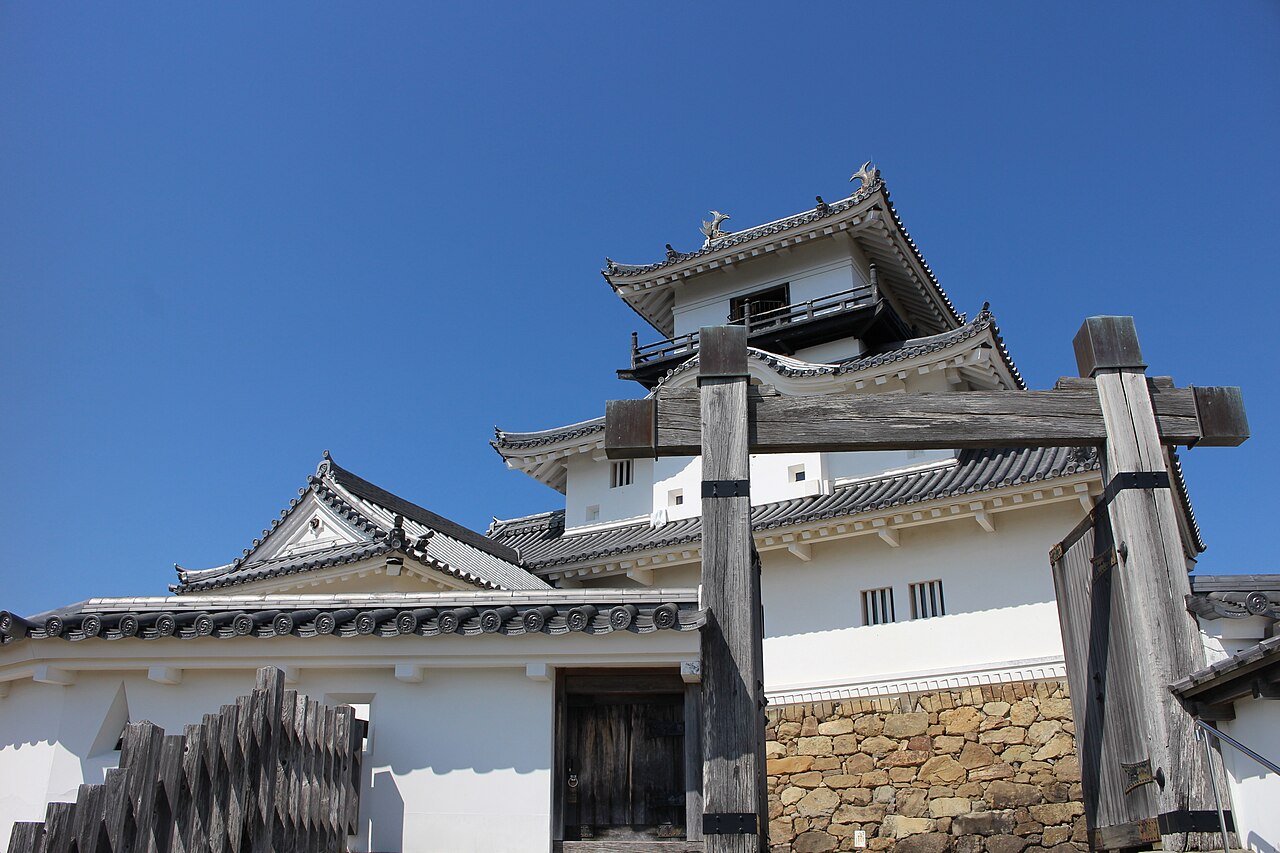
Hamamatsu Castle is classified as a hirayama-style castle, meaning it was built on a hill rising from a plain, combining natural topography with man-made fortifications. This style allowed for effective defense while maintaining accessibility. The castle complex originally featured a main keep (tenshu), multiple gates, stone walls, and a moat system. Although much of the original structure was destroyed over time, some replica buildings and reconstructed elements have been erected to give visitors a sense of the castle's former grandeur.
Main keep and defensive features
The main keep was a multi-storied tower that served both as a residence and a last line of defense. Its elevated position provided commanding views of the surrounding landscape, allowing defenders to monitor approaching threats. The castle's stone walls were carefully constructed for durability and defense against siege weapons. The moats surrounding the castle added an additional layer of protection by hindering enemy advances.
Castle grounds and auxiliary structures
The castle grounds included residential quarters for the daimyo and his retainers, storehouses for provisions and armaments, and administrative buildings for managing the domain. The layout was designed to facilitate both military readiness and the day-to-day governance of the territory.
Role under the Tokugawa shogunate
During the Edo period, Hamamatsu Castle served as the seat of various fudai daimyō, hereditary vassals loyal to the Tokugawa shogunate. The castle's strategic location made it a key administrative center within the Hamamatsu Domain of Tōtōmi Province. The Tokugawa regime emphasized stability and control, and castles like Hamamatsu played a vital role in maintaining order and managing local affairs.
Present condition and cultural importance
Today, Hamamatsu Castle is classified as ruins, with only a few reconstructed buildings and replica structures standing on the site. The castle grounds have been preserved as a public park, offering visitors a chance to explore the historic site and learn about its past. The castle is a popular cultural landmark in Hamamatsu, attracting tourists and history enthusiasts interested in Japan's feudal era and castle architecture.
Visitor experience and accessibility
The castle park features informative displays and walking trails that guide visitors through the remains of the fortifications and reconstructed areas. The site is accessible year-round, with seasonal events often held to celebrate the castle's heritage. Its location within the city makes it convenient for tourists to combine a visit with exploring other attractions in Shizuoka Prefecture.
Legacy and historical figures
Tokugawa Ieyasu's association with Hamamatsu Castle is one of its most notable historical aspects. His leadership during the castle's early years helped lay the foundation for the Tokugawa shogunate, which ruled Japan for over 250 years. The castle's nickname, Shusse Castle, reflects its reputation as a place where many samurai and officials advanced their careers.
In summary, Hamamatsu Castle remains an important site for understanding Japan's feudal history, military architecture, and the political dynamics of the Sengoku and Edo periods. Its combination of strategic design, historical significance, and cultural preservation offers valuable insights into the legacy of Japanese castles.
Frequently asked questions (FAQ)
- How do I get to Hamamatsu Castle?
- Hamamatsu Castle is conveniently located in Hamamatsu City and can be accessed by public transportation. The nearest train station is Hamamatsu Station, from where you can take a bus or a taxi to the castle.
- What is the historical significance of Hamamatsu Castle?
- Hamamatsu Castle, built in the 16th century, played a crucial role during the Sengoku period in Japan. It served as a strategic stronghold for the powerful Tokugawa clan and later became the residence of Tokugawa Ieyasu before he unified Japan.
- When was Hamamatsu Castle built?
- Hamamatsu Castle was originally constructed in 1560. The current structure is a reconstruction completed in 1958, preserving the architectural style of the original castle while allowing for modern safety standards.
- Can I enter Hamamatsu Castle?
- Yes, visitors can enter Hamamatsu Castle and explore its exhibits that showcase the castle's history and the culture of the era. The castle features an observation deck that provides stunning views of the surrounding area.
- Why is Hamamatsu Castle a popular tourist destination?
- Hamamatsu Castle is popular due to its rich history, beautiful architecture, and scenic location within a park. Additionally, the castle hosts various cultural events and festivals throughout the year, attracting visitors of all ages.
- Is it possible to visit Hamamatsu Castle year-round?
- Yes, Hamamatsu Castle is open year-round, allowing visitors to enjoy its beauty in every season. However, it's recommended to check for any special events or maintenance schedules that may affect access.
- What are the opening hours for Hamamatsu Castle?
- Hamamatsu Castle is typically open from 9:00 AM to 5:00 PM, with last admission at 4:30 PM. It's advisable to confirm the hours before your visit, as they may vary during holidays or special events.
- What are the ticket prices for Hamamatsu Castle?
- Admission to Hamamatsu Castle is generally affordable, with tickets priced at around 200 yen for adults and free for children under certain ages. Discounts may be available for groups or special occasions, so it's worth checking in advance.
- What nearby attractions can I visit after Hamamatsu Castle?
- After visiting Hamamatsu Castle, consider exploring the nearby Hamamatsu Flower Park or the Zaza City Hamamatsu shopping area. Both locations offer a variety of activities and scenic views, making them great additions to your itinerary.

Information
Loading map...
Visitor reviews
No reviews yet. Been here? Write the first review and help other travelers!
Write the first reviewVisited this castle? Share your experience
Your review helps other travelers and adds first-hand knowledge to our encyclopedia.