Kakegawa Castle
Kakegawa Castle is a prominent hill castle located in Kakegawa city, Shizuoka Prefecture, Japan. Originally constructed in 1497 during the late medieval period, this castle played a vital strategic role along the historic Tokaido road, a major route connecting Kyoto and Edo (modern Tokyo). The castle's location atop a hill provided excellent defensive advantages and control over the surrounding area, making it a key military and administrative center throughout its history.
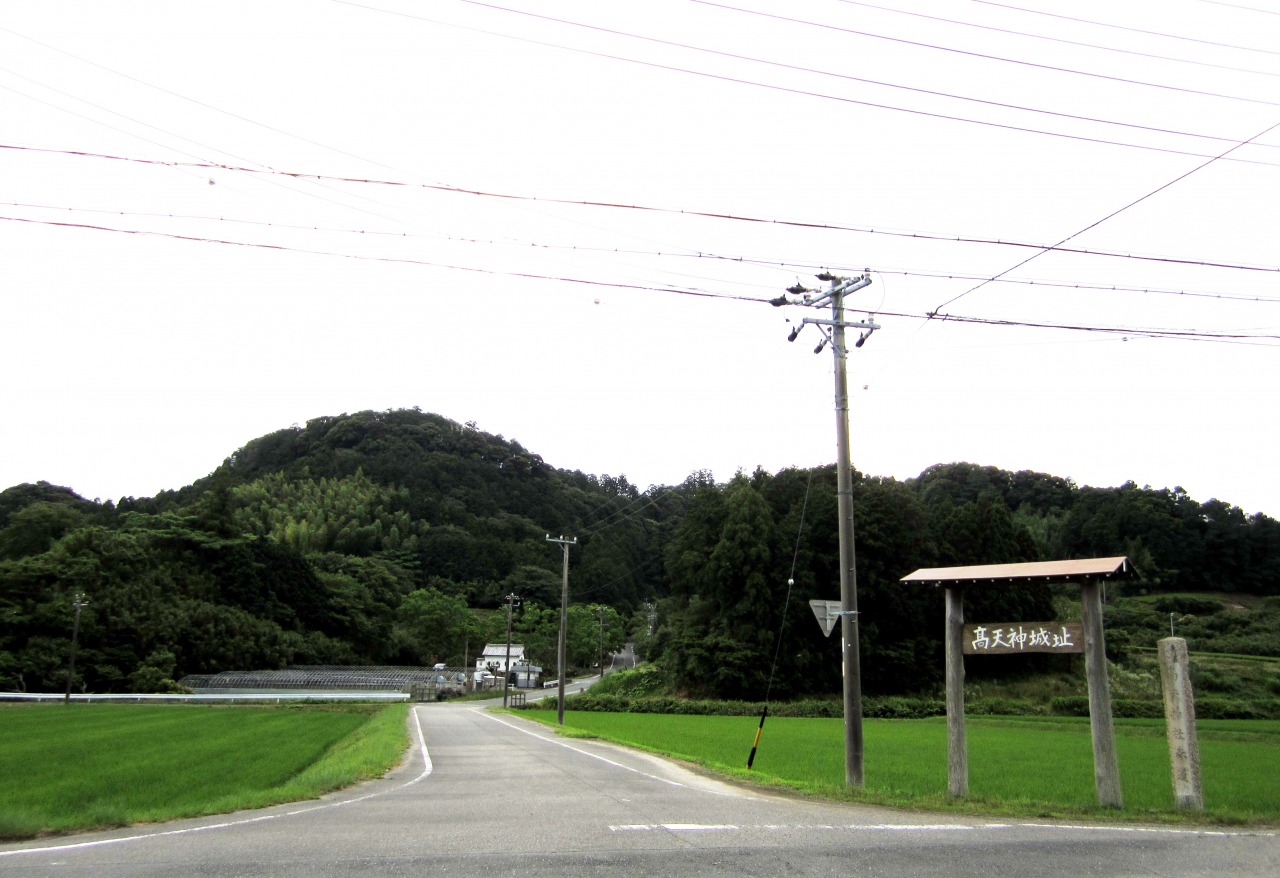
The castle's initial construction was commissioned by Imagawa Yoshitada, who tasked his retainer Asahina Yasuhiro with building the fortress approximately 0.5 kilometers northeast of the current site. This early version of Kakegawa Castle was intended to secure the region and monitor the movement along the Tokaido road. In 1569, the castle fell to the forces of Tokugawa Ieyasu, a pivotal figure in Japanese history who would later unify the country and establish the Tokugawa shogunate.
Historical significance and ownership transitions
Following Tokugawa Ieyasu's acquisition of the castle, the region underwent significant political changes. In 1590, the area was absorbed into the domain of Toyotomi Hideyoshi, the powerful warlord who succeeded in unifying Japan after the Sengoku period. Hideyoshi appointed Yamanouchi Kazutoyo as the castle's lord when Tokugawa was relocated to Edo, marking a new era for Kakegawa Castle.
Yamanouchi Kazutoyo is credited with major renovations and modernization efforts at Kakegawa Castle. He constructed the castle's main keep (tenshu) on the current site, transforming it into a more contemporary and formidable fortress. His improvements extended beyond the castle itself, as he also developed the surrounding castle town, enhancing its infrastructure and fortifications to reflect the evolving needs of the period.
Architectural features and reconstruction history
The castle's main keep underwent several reconstructions due to natural disasters. The original keep built by Yamanouchi was destroyed in an earthquake in 1604, but it was promptly rebuilt to maintain the castle's defensive capabilities. This rebuilt keep stood for over two centuries until it was again destroyed by a major earthquake in 1854. Following this destruction, the keep was not reconstructed, and the castle gradually fell into disuse.
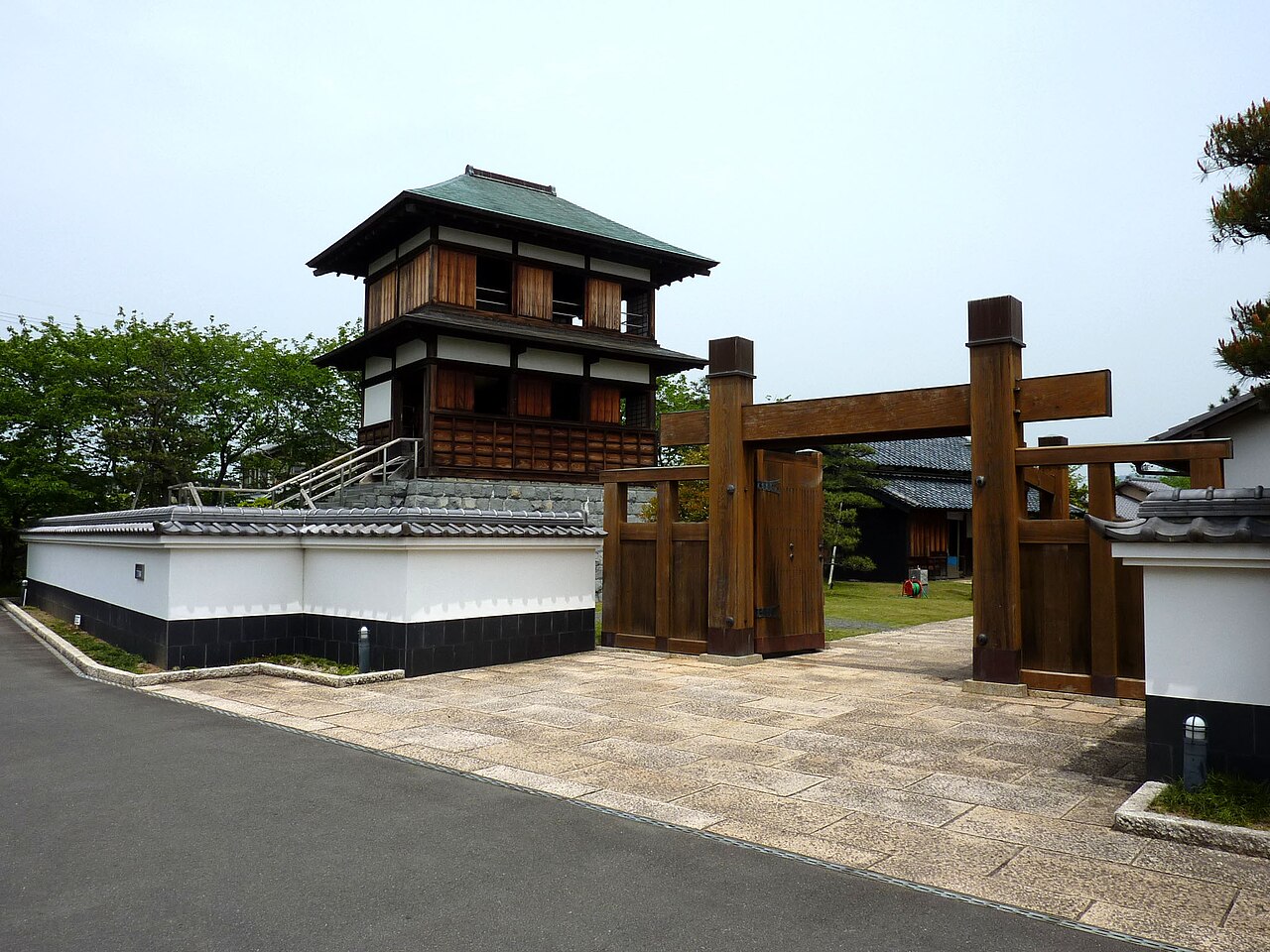
After the Meiji Restoration and the subsequent abolition of the feudal system in 1869, Kakegawa Castle was dismantled as part of the government's efforts to modernize Japan and reduce the power of the samurai class. Despite this, several original structures survived, including an original palace building and some gates, which provide valuable insight into the castle's architectural style and historical function.
Modern restoration and preservation efforts
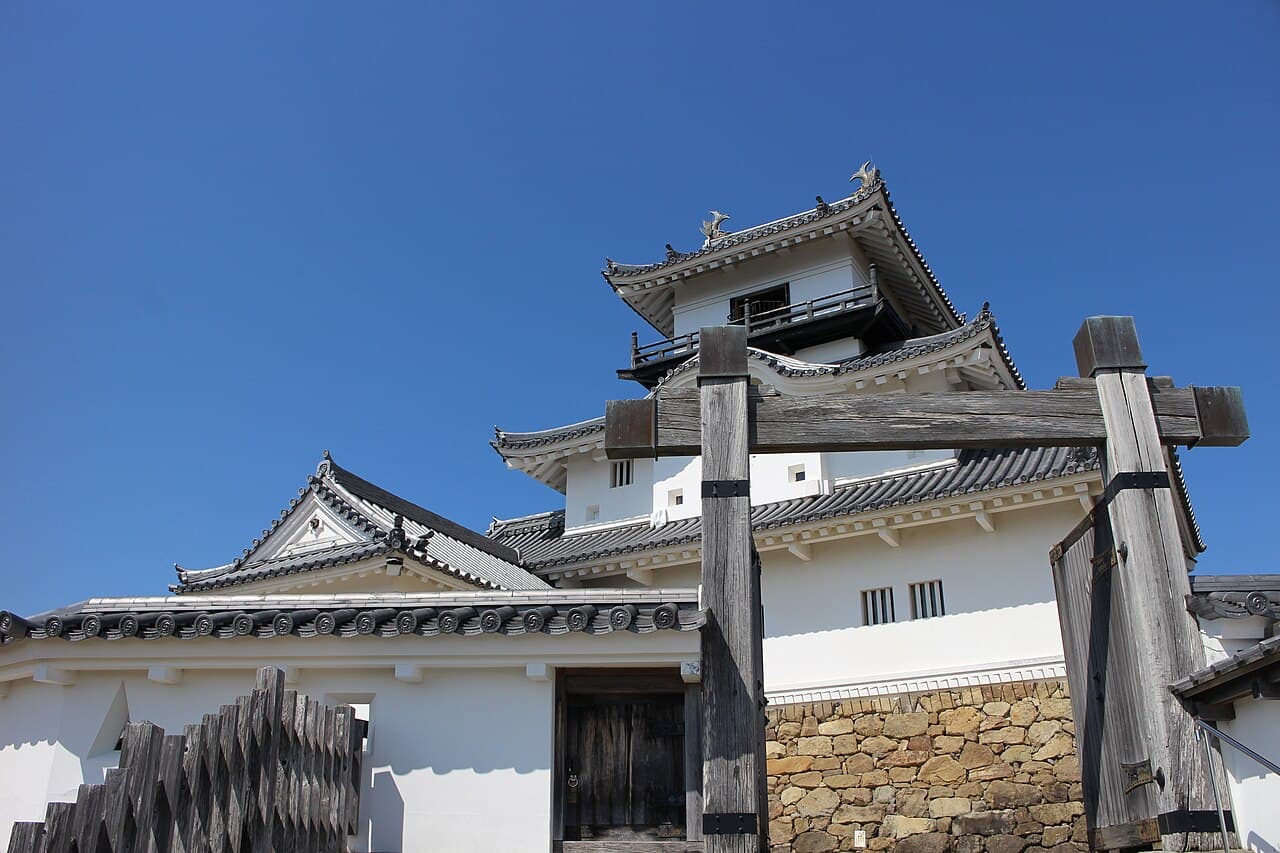
In recent decades, Kakegawa Castle has undergone partial restoration to revive its historical appearance and promote cultural heritage tourism. The main keep has been reconstructed using traditional techniques and materials, carefully replicating the design of the Edo-period structure. This reconstruction allows visitors to experience the castle's imposing presence and architectural grandeur firsthand.
The castle grounds also feature a well-maintained museum housed within the reconstructed main keep. Although the museum's collection of artifacts is modest, the exhibits are thoughtfully curated to provide visitors with a clear understanding of the castle's history, architectural evolution, and the lives of its former inhabitants. The combination of restored buildings and informative displays makes Kakegawa Castle a compelling destination for enthusiasts of Japanese history and castle architecture.
Architectural style and castle layout
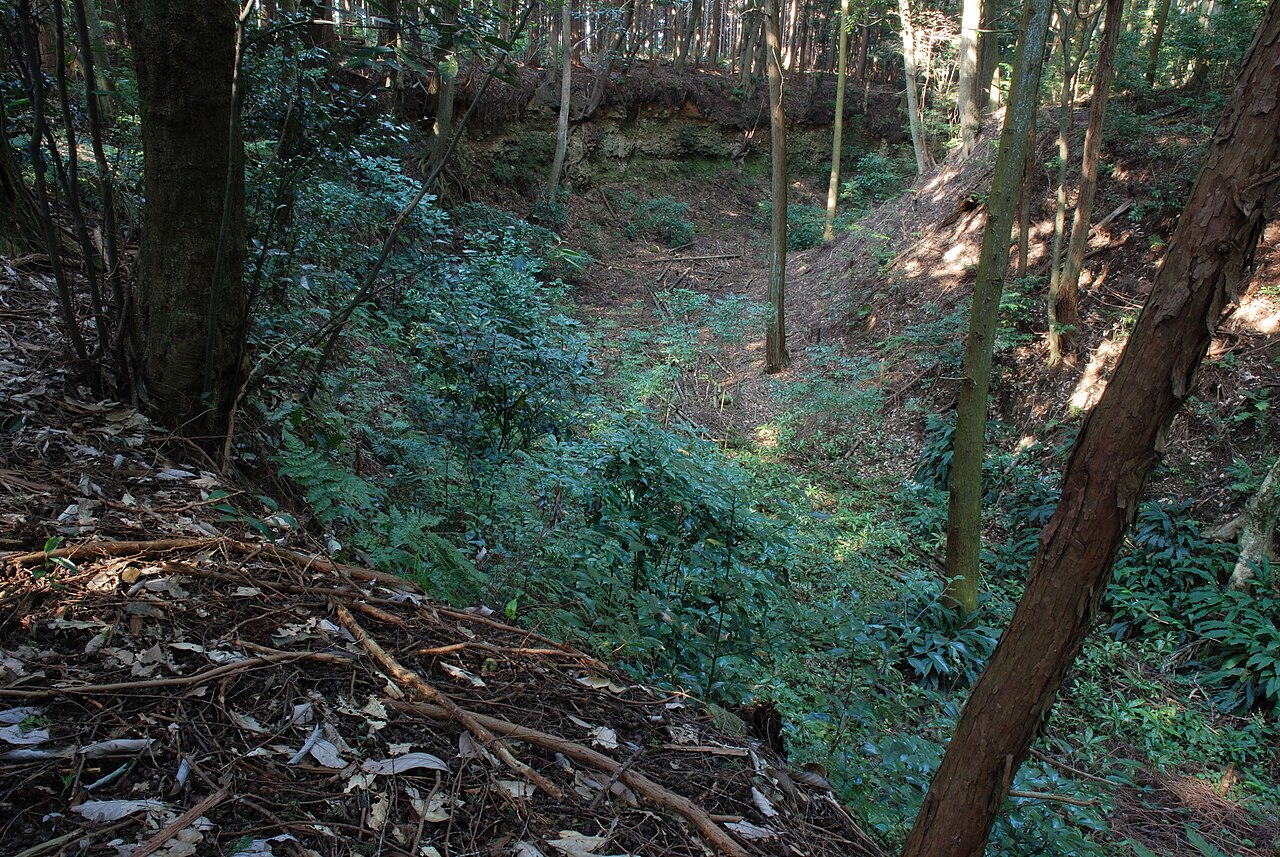
Kakegawa Castle exemplifies the late medieval Japanese castle architecture that evolved into the early Edo period style. Its design incorporates multiple defensive features typical of hill castles, such as stone walls, moats, and strategically placed gates. The castle's layout was carefully planned to maximize natural terrain advantages, including steep slopes and elevated positions, which hindered enemy advances.
The main keep served as the castle's central stronghold and symbol of lordly power. Surrounding it were various baileys and courtyards that housed administrative buildings, barracks, and residences for samurai retainers. The surviving palace building offers a rare glimpse into the residential architecture of the period, featuring elegant interiors and refined craftsmanship.
Visiting Kakegawa Castle today
Today, Kakegawa Castle stands as a partially restored historical site that invites visitors to explore its grounds and learn about its rich past. The castle's location in Kakegawa city makes it accessible for tourists interested in Japan's feudal history and traditional architecture. Visitors can stroll through the castle's reconstructed main keep, original palace, and remaining gates, gaining insight into the strategic importance and cultural heritage of this late medieval hill castle.
The castle grounds are complemented by beautiful surrounding gardens and scenic views of the city and countryside. Educational programs and guided tours are often available, enhancing the visitor experience. Kakegawa Castle's blend of restoration and preservation efforts ensures it remains a vital link to Japan's samurai era and a treasured cultural landmark.
Frequently asked questions (FAQ)
- How do I get to Kakegawa Castle?
- Kakegawa Castle is easily accessible via public transportation. You can take the JR Tōkaidō Shinkansen to Kakegawa Station, which is about a 15-minute walk from the castle.
- What is the historical significance of Kakegawa Castle?
- Kakegawa Castle was originally built in 1535 and played a crucial role in the region's feudal conflicts during the Sengoku period. It served as a strategic stronghold for several prominent clans, including the Takeda and Matsudaira.
- When was Kakegawa Castle reconstructed?
- The castle has undergone several reconstructions, with the most significant restoration occurring in 1980. The current structure is modeled after its original design and features beautiful traditional Japanese architecture.
- Can I visit Kakegawa Castle year-round?
- Yes, Kakegawa Castle is open to visitors throughout the year. However, it's advisable to check for any seasonal events or maintenance updates that may affect access on specific days.
- Why is Kakegawa Castle known for its unique architecture?
- Kakegawa Castle is renowned for its distinctive three-story keep, which showcases classic Japanese architectural elements. The use of natural materials and traditional construction techniques reflects the historical period in which it was built.
- Is it possible to explore the castle grounds and gardens?
- Yes, visitors can freely explore the castle grounds, including the beautiful gardens surrounding the castle. The area is well-maintained and offers scenic views, making it a perfect spot for leisurely walks.
- What are the opening hours for Kakegawa Castle?
- Kakegawa Castle typically opens at 9:00 AM and closes at 5:00 PM, with last entry at 4:30 PM. It's best to confirm the hours on the official website, as they may vary during holidays or special events.
- What are the ticket prices for visiting Kakegawa Castle?
- Admission to Kakegawa Castle is generally affordable, with tickets priced around 400 yen for adults and 200 yen for children. Discounts may be available for groups or special events, so check in advance for any offers.
- When is the best time to visit Kakegawa Castle?
- The best time to visit Kakegawa Castle is during spring (March to May) and autumn (September to November) when the weather is pleasant and the scenery is at its most vibrant. The cherry blossoms in spring and colorful foliage in autumn create a picturesque backdrop for your visit.
- Are there any nearby attractions to Kakegawa Castle?
- Yes, Kakegawa Castle is close to several attractions, including the Kakegawa Ninomaru Museum and the Kakegawa Flower Park. These sites provide additional opportunities to explore the local culture and natural beauty of the area.

Information
Website
Visit websiteSources & official resources
Verify the information above using these authoritative references.
Loading map...
Visitor reviews
No reviews yet. Been here? Write the first review and help other travelers!
Write the first reviewVisited this castle? Share your experience
Your review helps other travelers and adds first-hand knowledge to our encyclopedia.