Suwahara Castle
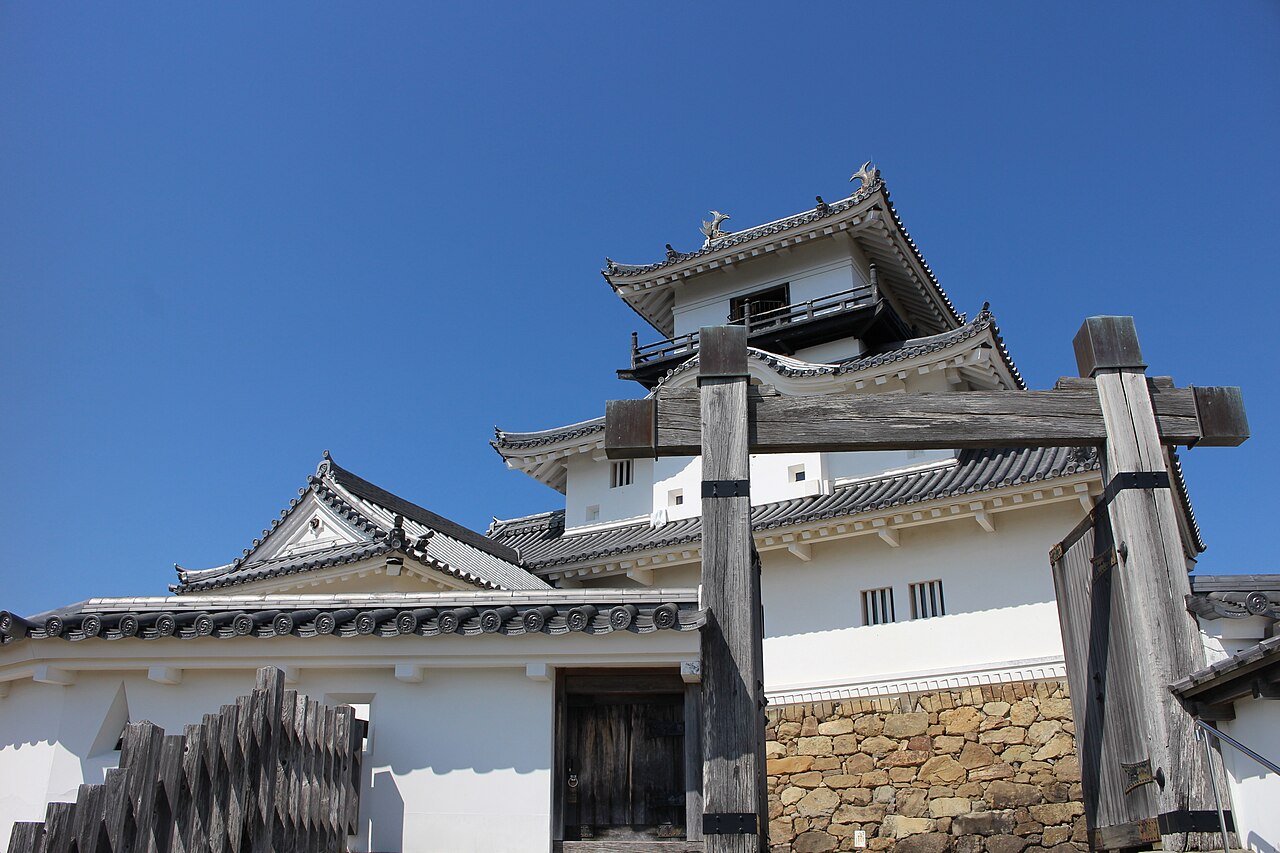
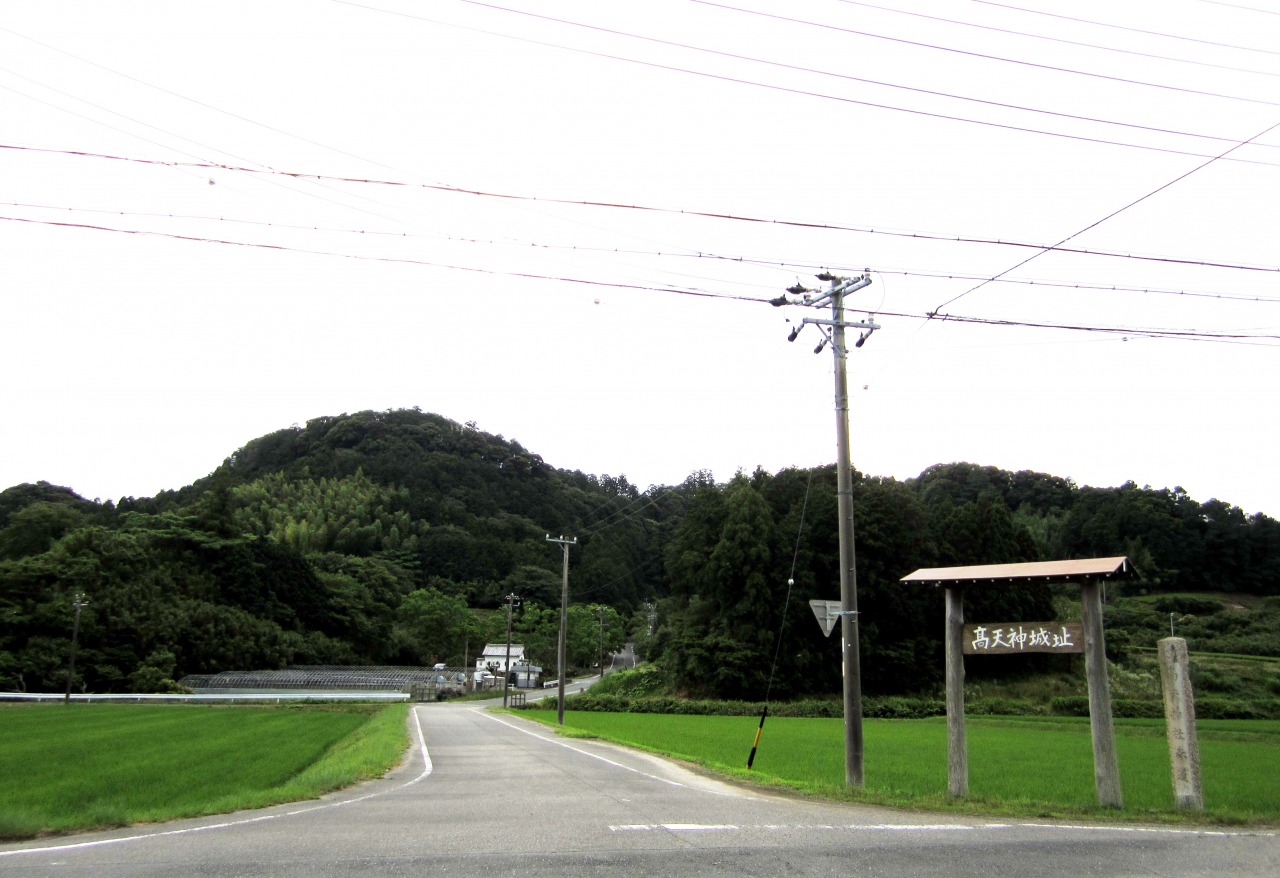
Suwahara Castle (諏訪原城, Suwahara-jō) stands as a significant example of a Sengoku period yamashiro-style Japanese castle, located in the Kanaya neighborhood of Shimada city, within Shizuoka Prefecture, Japan. Constructed in the 16th century, this castle reflects the military architectural trends of a turbulent era marked by constant warfare and political upheaval. The site has been recognized and protected as a National Historic Site since 1975, underscoring its cultural and historical value.
Historical context and significance
The Sengoku period (c. 1467–1615) was characterized by near-constant military conflict among competing warlords vying for control over Japan. During this era, castles like Suwahara were constructed primarily for defense, strategic control, and as symbols of power. Suwahara Castle's location in Shizuoka Prefecture placed it in a region of strategic importance, controlling access routes and local territories.
The castle was built by the Takeda clan, a powerful samurai family known for their military prowess. Suwahara served as a defensive stronghold and a base of operations during the clan's campaigns. Its construction and use reflect the military strategies and feudal dynamics of the late medieval period in Japan.
Architectural features of Suwahara Castle
Suwahara Castle is classified as a yamashiro, or mountain castle, a style that utilizes natural terrain for defense. Built on elevated ground, the castle's design integrates steep slopes, natural ridges, and forests to create formidable obstacles for attackers.
Layout and defensive elements
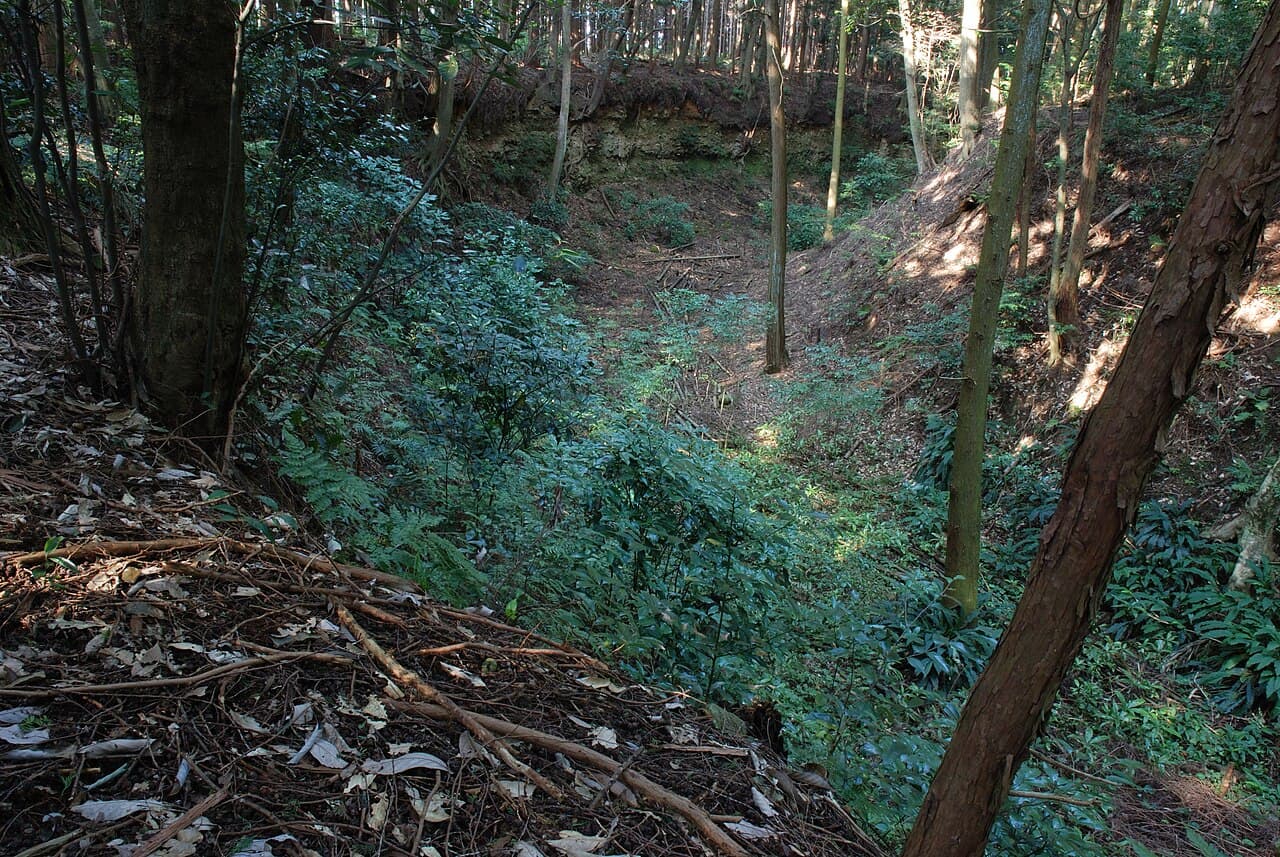
The castle complex included multiple baileys (courtyards) arranged on terraced levels along the mountainside. These baileys were protected by earthen walls, dry moats, and wooden palisades. The use of earthworks rather than extensive stone walls is typical for yamashiro castles, which relied on the natural landscape and man-made earth barriers for defense.
The main enclosure (honmaru) was situated at the highest point, providing commanding views of the surrounding area. This vantage point allowed defenders to monitor enemy movements and coordinate defense effectively.
Materials and construction techniques
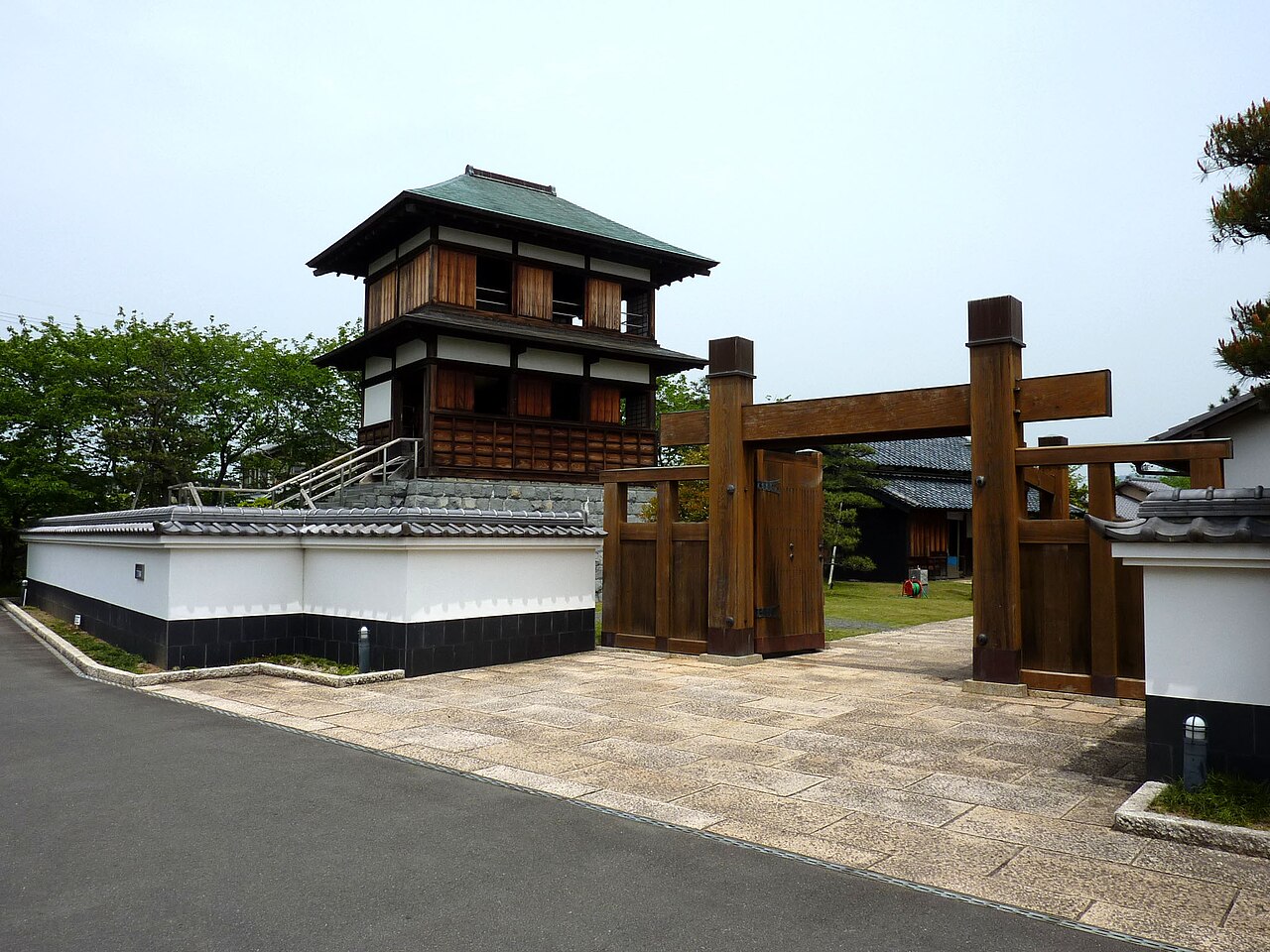
The castle's construction primarily used wood and earth, common materials in Japanese castle building of the period. Stone was used sparingly, mostly for foundations and certain defensive positions. The wooden structures included watchtowers and gates, though none of these remain intact today.
The decline and current state of Suwahara Castle
Following the unification of Japan under the Tokugawa shogunate in the early 17th century, many castles, including Suwahara, lost their military importance. The castle was abandoned and fell into ruin over the centuries.
Today, Suwahara Castle exists as archaeological ruins, with remnants of earthworks, moats, and terraces visible in the landscape. The site offers valuable insights into Sengoku period military architecture and feudal history. Preservation efforts have maintained the ruins as a protected cultural heritage site.
Visiting Suwahara Castle
The castle ruins are accessible to the public and provide a unique opportunity to explore a classic example of a Sengoku period mountain castle. Visitors can walk along the terraced grounds, observe the earthworks, and imagine the strategic significance of the location.
Interpretive signs and local guides help explain the historical context and architectural features. The natural setting also offers scenic views of the surrounding mountains and valleys, enhancing the visitor experience.
Cultural importance and legacy
Suwahara Castle is an important cultural asset that reflects the military history and architectural ingenuity of Japan's Sengoku period. As a protected National Historic Site, it contributes to understanding the regional power struggles and castle-building techniques of the time.
The site continues to be a focus for archaeological research and education, helping to preserve the legacy of Japan's feudal past for future generations.
Frequently asked questions (FAQ)
- What is the historical significance of Suwahara Castle?
- Suwahara Castle, dating back to the 16th century, played a pivotal role during the Sengoku period in Japan. It served as a strategic military base and residence for local lords, influencing the region's political landscape.
- When is the best time to visit Suwahara Castle?
- The best time to visit Suwahara Castle is during the spring and autumn months when the weather is mild and the scenery is particularly beautiful. Cherry blossoms in spring and vibrant autumn foliage create a picturesque backdrop for your visit.
- Can I access Suwahara Castle by public transportation?
- Yes, Suwahara Castle is accessible by public transportation. Visitors can take a train to Shimada Station and then use local buses or taxis to reach the castle.
- What are the opening hours for Suwahara Castle?
- Suwahara Castle is open to visitors daily from 9:00 AM to 5:00 PM. However, it's advisable to check for any seasonal changes or special closures before planning your visit.
- Is there an entrance fee to visit Suwahara Castle?
- There is a small entrance fee to visit Suwahara Castle, which helps maintain the site. Ticket prices are generally affordable, making it accessible for all visitors.
- What architectural features can I expect to see at Suwahara Castle?
- Suwahara Castle showcases traditional Japanese castle architecture, including stone walls, moats, and wooden structures. The castle's design reflects the historical military purpose, with strategic vantage points and defensive features.
- Are there any nearby attractions to visit after Suwahara Castle?
- Yes, after visiting Suwahara Castle, you can explore the nearby Shimada City Museum and the scenic banks of the Oi River. These attractions offer further insights into the region's history and natural beauty.
- Is it possible to take guided tours of Suwahara Castle?
- Yes, guided tours of Suwahara Castle are available, providing visitors with in-depth historical context and fascinating stories. These tours are often led by knowledgeable guides who enhance the overall experience.
Photo gallery

Information
Current owner
National government
Loading map...
Visitor reviews
No reviews yet. Been here? Write the first review and help other travelers!
Write the first reviewVisited this castle? Share your experience
Your review helps other travelers and adds first-hand knowledge to our encyclopedia.