Takada Castle (高田城, Takada-jō) is a historically significant flatland-style Japanese castle located in the heart of Jōetsu city, Niigata Prefecture, within the Hokuriku region of Honshu, Japan. Constructed in the early 17th century during the Edo period, the castle served as the administrative center of the Takada Domain under the Tokugawa shogunate. Unlike many Japanese castles built on hills or mountains, Takada Castle is notable for its strategic placement on flat terrain, which influenced its architectural design and defensive features.
Historical context and construction
Takada Castle was constructed in 1614 by the order of Honda Masanobu, a prominent daimyo and retainer of the Tokugawa clan. Its establishment was part of the Tokugawa shogunate's efforts to consolidate power and stabilize the region following the turbulent Sengoku period. The castle's location was carefully chosen to control the surrounding fertile plains and important transportation routes, enhancing its strategic importance.
The castle's layout reflects typical early Edo period castle architecture, featuring a central honmaru (main bailey) surrounded by multiple baileys and moats. The design incorporated extensive water moats fed by nearby rivers, which served both defensive and aesthetic purposes. The use of flatland terrain necessitated strong fortifications, including high walls and multiple gates to deter potential attackers.
Architectural features and design
Takada Castle's architectural style is representative of the early Edo period fortifications, emphasizing both functionality and the aesthetic principles of Japanese castle construction. The castle originally had a three-story tenshu (main keep), which was a prominent feature visible from afar. This tenshu was surrounded by several yagura (turrets) positioned strategically along the walls to provide overlapping fields of fire.
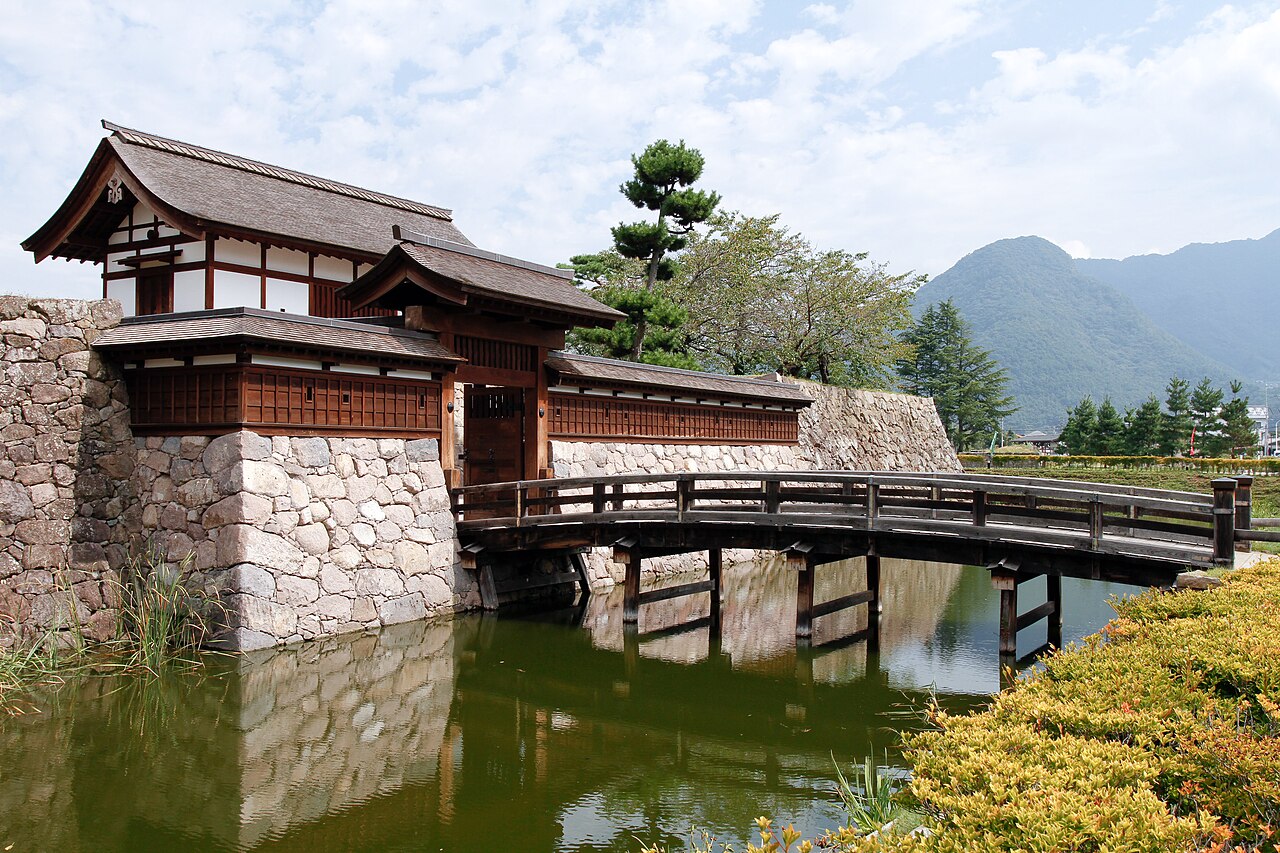
The castle grounds included multiple baileys, such as the ninomaru (second bailey) and sannomaru (third bailey), which housed administrative buildings, residences, and storehouses. The moats surrounding these baileys were wide and deep, enhancing defense against siege warfare. Stone walls reinforced the castle's perimeter, and wooden gates with iron fittings provided controlled access points.
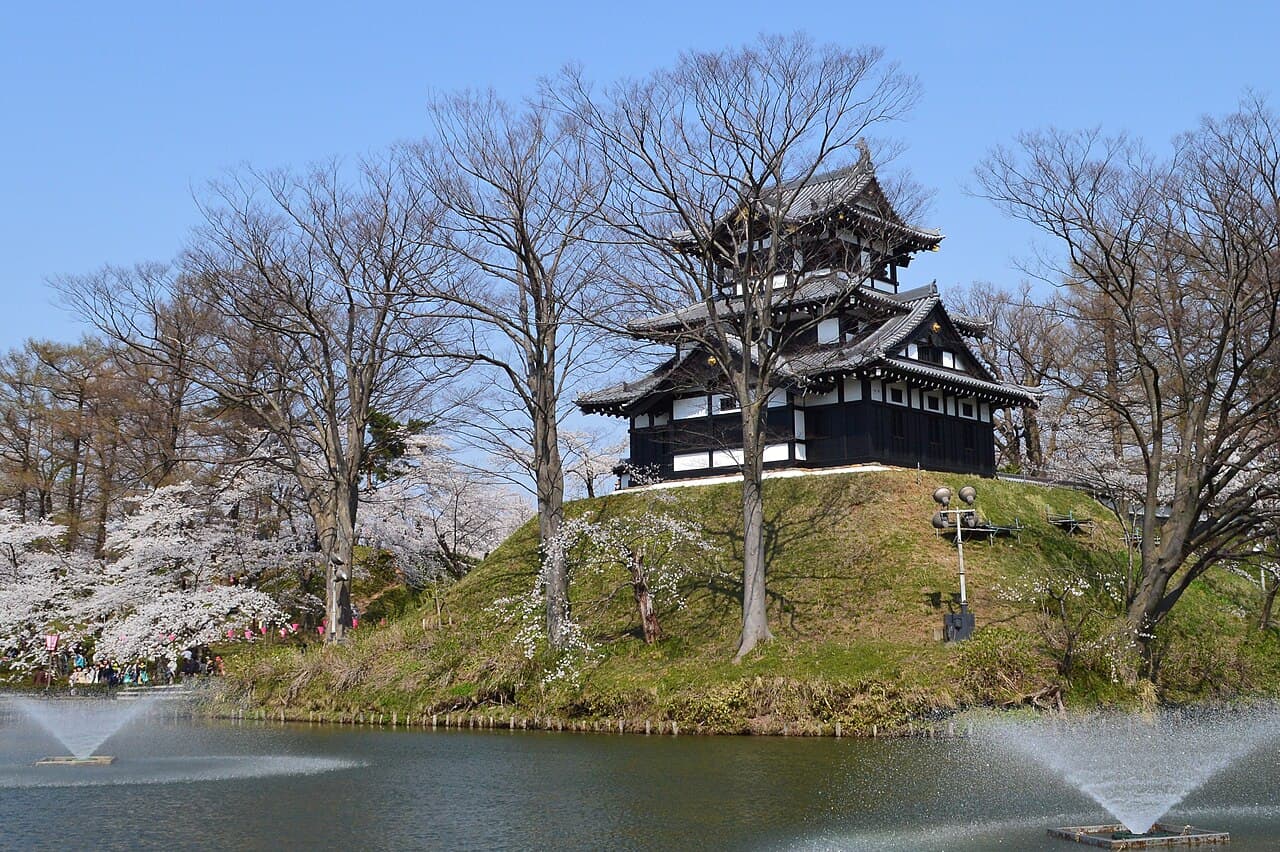
Notably, Takada Castle was known for its extensive use of water moats, which were unusual for flatland castles and required sophisticated engineering to maintain water levels. This feature also contributed to the castle's picturesque appearance, especially during the cherry blossom season when the moats reflected the blooming trees.
Takada castle in the edo period and beyond
During the Edo period, Takada Castle was the seat of the Takada Domain, governed by various daimyo families loyal to the Tokugawa shogunate. The castle played an important role in regional administration and served as a symbol of Tokugawa authority in the Hokuriku region. Its presence helped maintain peace and order in an area that had previously experienced frequent conflict.
Following the Meiji Restoration in the late 19th century, the castle's military function became obsolete. Many of its structures were dismantled or fell into disrepair as Japan modernized and centralized its government. However, parts of the castle grounds were preserved as a public park, and efforts have been made to maintain and restore some of the remaining features.
Modern preservation and cultural significance
Today, Takada Castle is recognized as an important cultural and historical site in Niigata Prefecture. Although much of the original castle has been lost, the layout of the moats and some stone walls remain visible, offering visitors a glimpse into the castle's past grandeur. The site is especially famous for its Takada Castle Park, which attracts thousands of visitors annually, particularly during the cherry blossom season.
The park surrounding the castle ruins is celebrated for its extensive sakura (cherry blossom) trees, making it one of Japan's top spots for hanami (flower viewing). The combination of historical ruins and natural beauty provides an engaging experience for tourists and locals alike. Preservation efforts continue to focus on maintaining the site's historical integrity while accommodating public access and enjoyment.
Architectural legacy
Takada Castle exemplifies the adaptation of traditional Japanese castle architecture to flatland environments, showcasing the ingenuity of Edo period builders in overcoming geographical challenges. Its use of water moats and layered baileys influenced later castle designs in similar terrain. The castle's ruins serve as a valuable resource for historians and architects studying Japanese feudal fortifications.
Visiting takada castle
Visitors to Takada Castle can explore the extensive park grounds, walk along the preserved moats and stone walls, and enjoy seasonal events centered around the cherry blossoms. Informational plaques and guided tours provide historical context and architectural insights. The castle's location in Jōetsu city makes it accessible by public transportation and offers nearby amenities for tourists.
Frequently asked questions (FAQ)
- What is the historical significance of Takada Castle?
- Takada Castle, built in the early 17th century, served as a strategic military fortification during the Edo period. It is known for its beautiful architecture and its role in the unification of Japan under the Tokugawa shogunate. Today, it stands as a symbol of the region's rich history and attracts many visitors interested in Japanese heritage.
- When is the best time to visit Takada Castle?
- The best time to visit Takada Castle is during the cherry blossom season in spring, typically from late March to early April, when the surrounding trees bloom beautifully. Autumn also offers stunning views with vibrant foliage, making it a picturesque time for photography and exploration. Summer can be quite hot, while winter may bring snow, adding a unique charm to the castle.
- Can I access Takada Castle by public transport?
- Yes, Takada Castle is easily accessible by public transport. Visitors can take a train to Takada Station, followed by a short bus ride or a leisurely walk to the castle grounds. Clear signage and information at the station make it convenient for tourists to find their way.
- What are the opening hours of Takada Castle?
- Takada Castle is open to visitors from 9 AM to 5 PM, with last admissions typically accepted at 4:30 PM. It is advisable to check for any seasonal changes in hours or special closures, especially during public holidays or events. Make sure to plan your visit accordingly to fully enjoy the castle and its surroundings.
- Is it possible to take guided tours of Takada Castle?
- Yes, guided tours are available at Takada Castle, providing a deeper insight into its history and architecture. Knowledgeable guides share fascinating stories and details that enhance the visitor experience. Tours may be offered in multiple languages, so it's recommended to inquire in advance.
- What are the ticket prices for Takada Castle?
- Admission to Takada Castle typically costs around 500 yen for adults, with discounts available for children and seniors. Tickets can be purchased at the entrance, and some special events may have separate pricing. Keep an eye out for any promotional offers or family packages to make the visit more economical.
- Are there nearby attractions to visit after Takada Castle?
- Yes, there are several nearby attractions worth visiting, including the Takada Park, known for its beautiful gardens, and the historic Takada City Museum. Additionally, the area boasts local shops and restaurants where visitors can enjoy traditional Japanese cuisine. Exploring the surroundings can enhance your experience and provide a full day of sightseeing.
- What architectural features make Takada Castle unique?
- Takada Castle is renowned for its impressive stone walls and unique layout, which blends traditional Japanese castle design with elements of Western architecture. The castle features a distinctive five-story main keep that offers panoramic views of the surrounding area. Its well-preserved structures and scenic moat contribute to its charm and historical significance.

Information
Loading map...
Visitor reviews
No reviews yet. Been here? Write the first review and help other travelers!
Write the first reviewVisited this castle? Share your experience
Your review helps other travelers and adds first-hand knowledge to our encyclopedia.