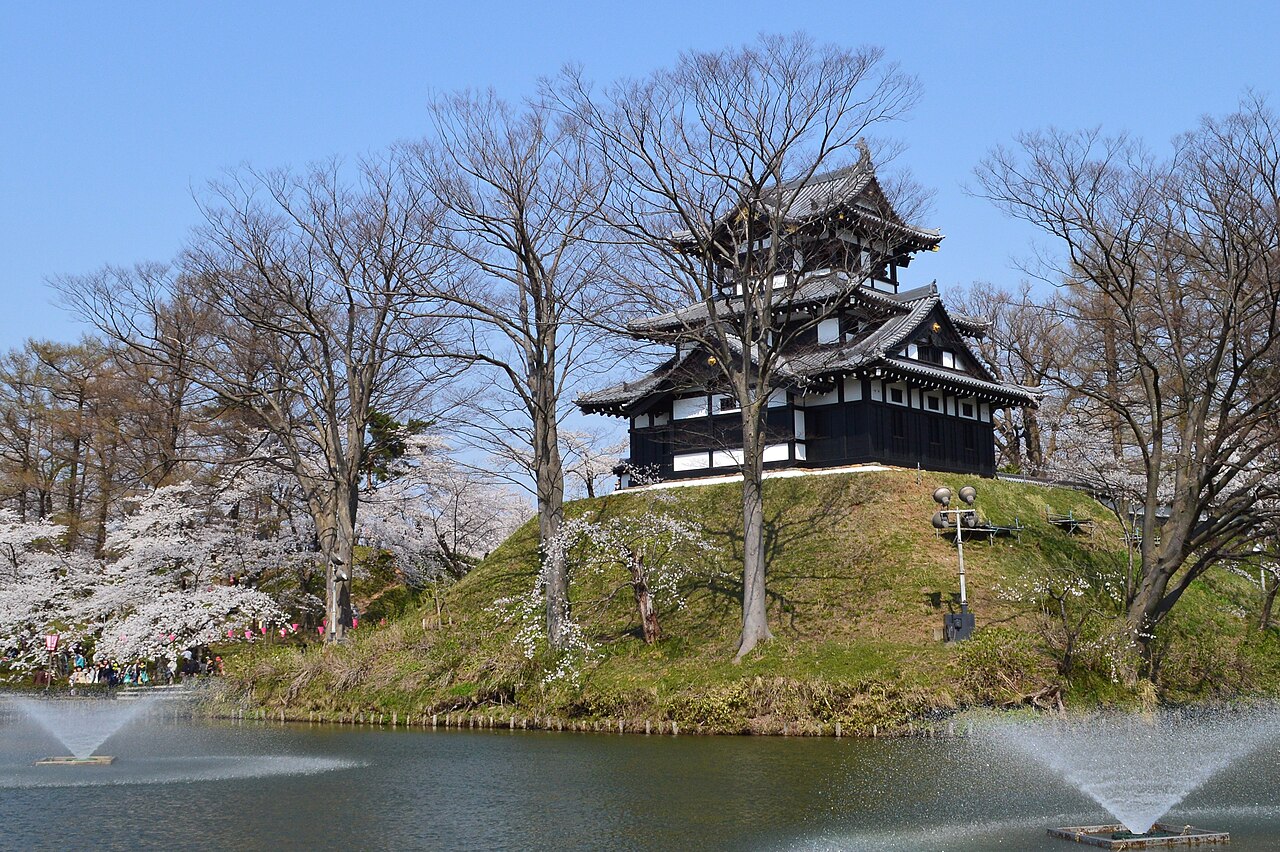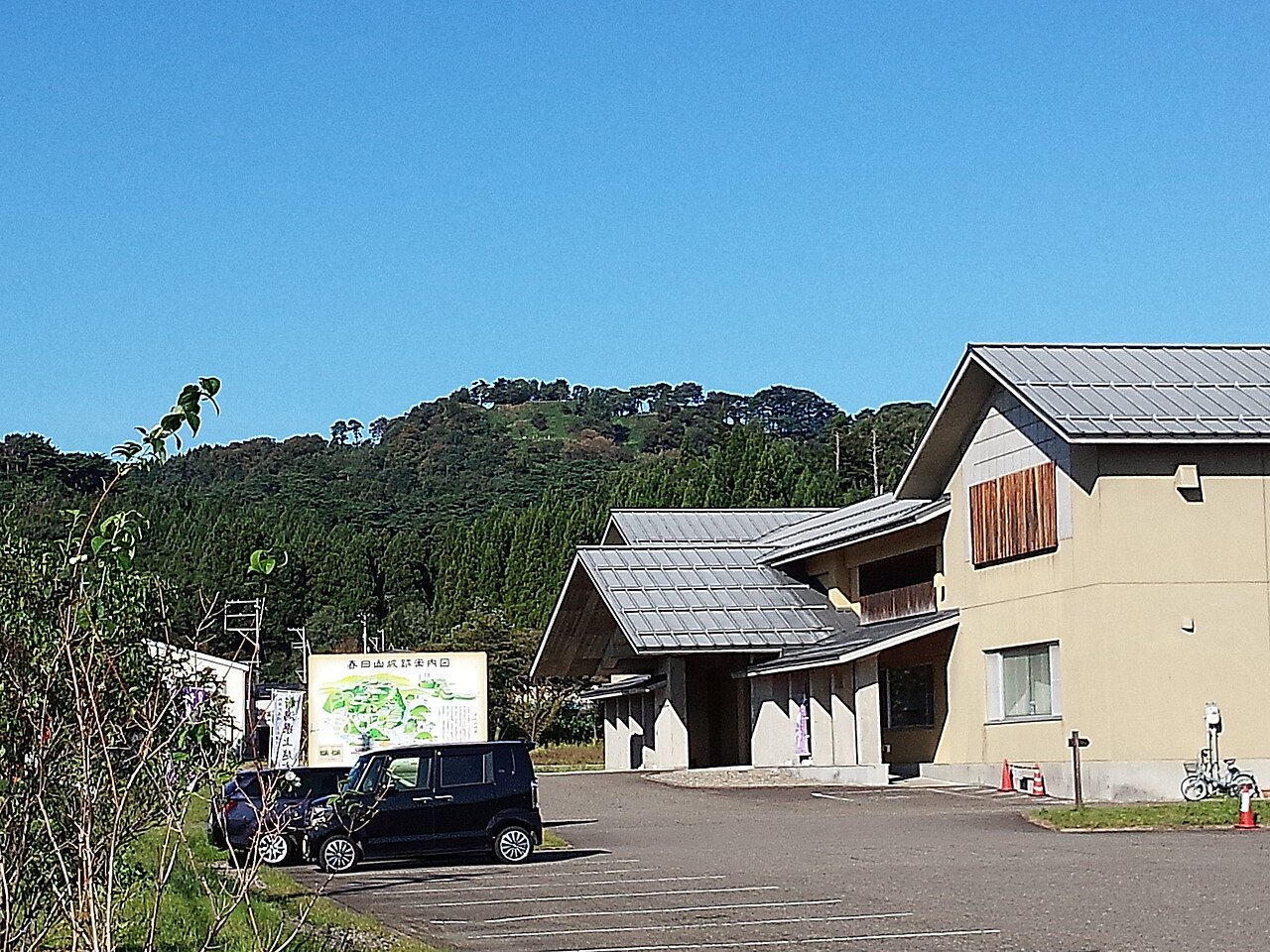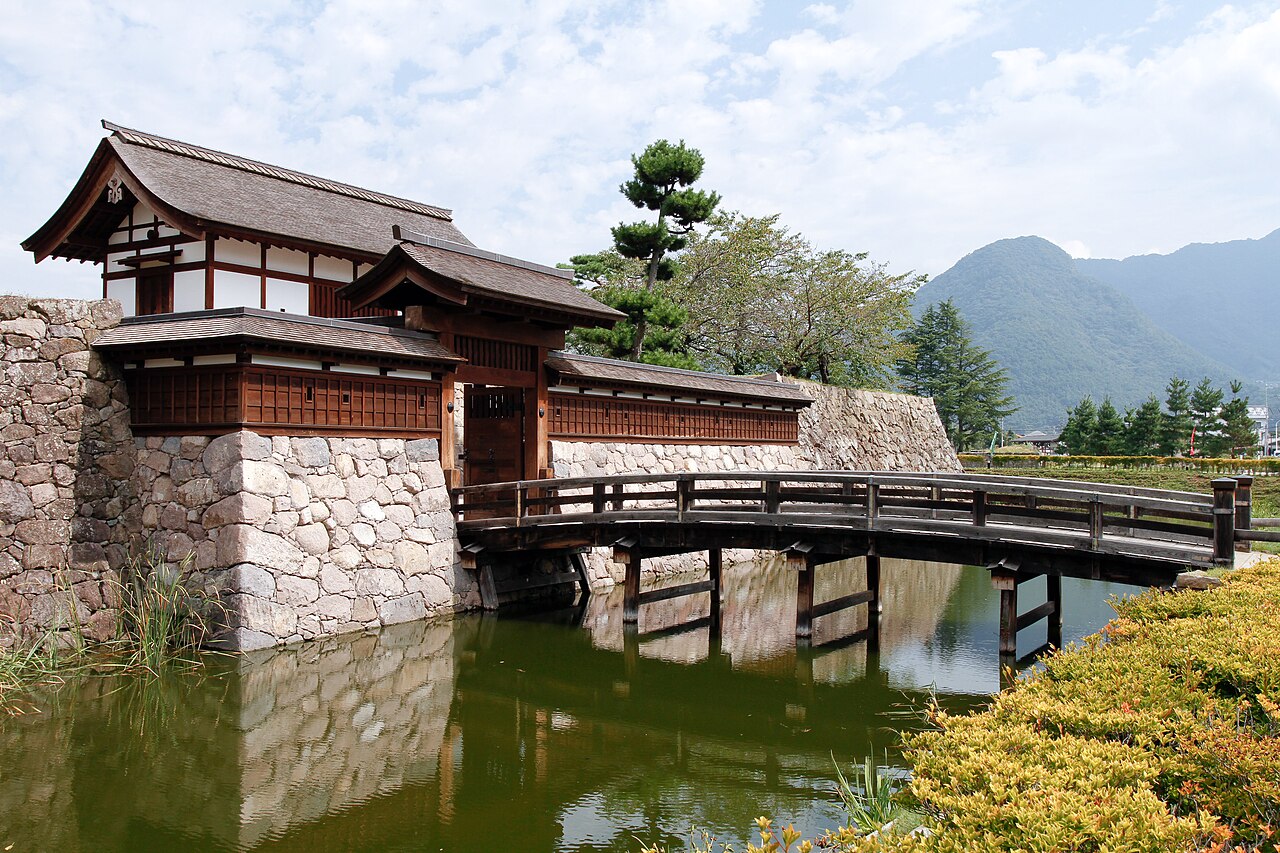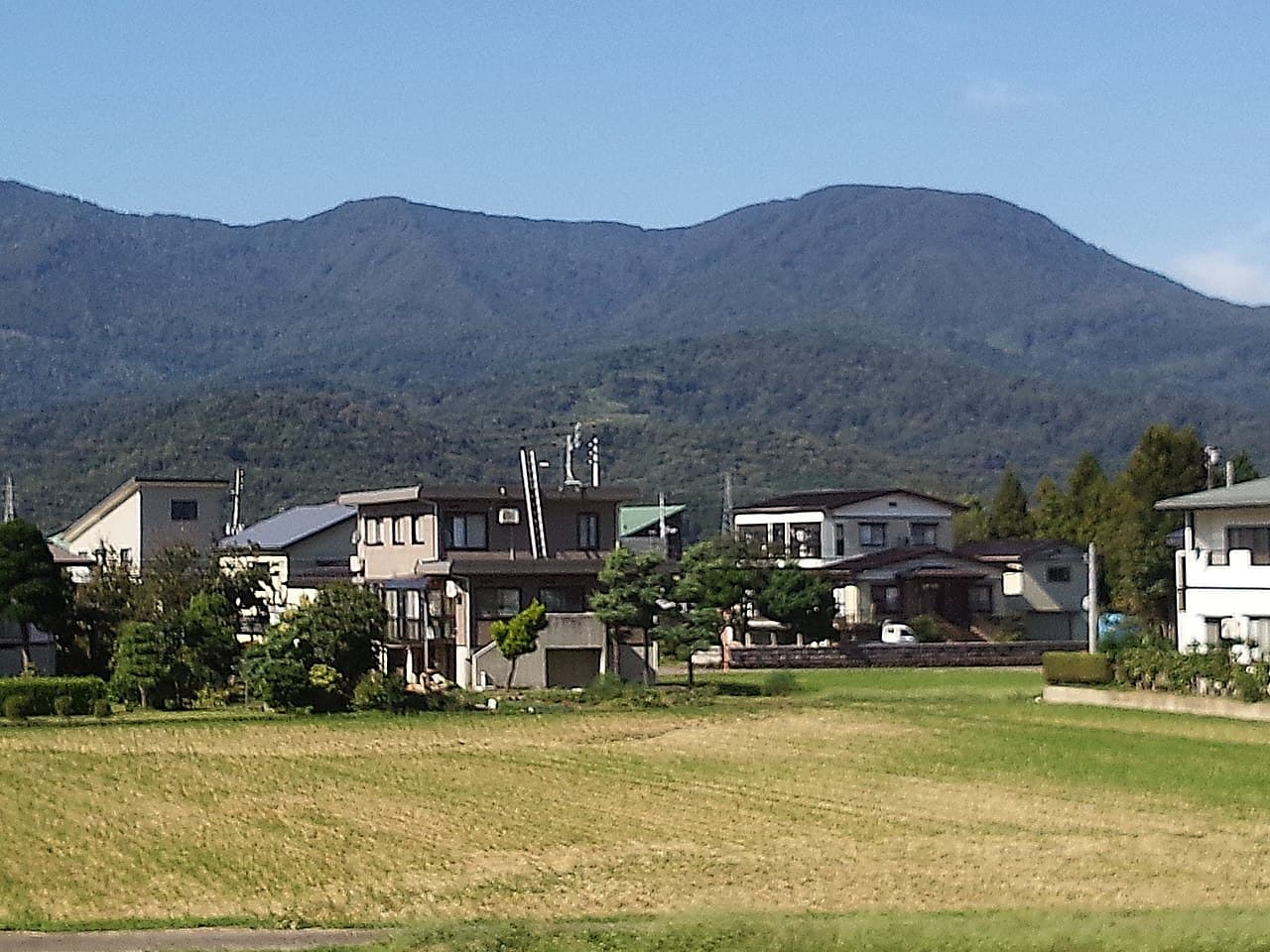
Samegao Castle
Samegao Castle (鮫ヶ尾城, Samegao-jō) is a notable example of a Sengoku period yamashiro-style Japanese castle, situated in the modern-day Yukimori and Miyauchi neighborhoods of Myōkō city, Niigata Prefecture, within the Hokuriku region of Honshu, Japan. The castle's ruins have been officially recognized and protected as a National Historic Site since 2008, reflecting its cultural and historical significance in Japan's feudal era.
Historical context and significance
Samegao Castle was constructed during the Sengoku period (mid-15th to early 17th century), a time marked by intense military conflict and political fragmentation in Japan. As a yamashiro or mountain castle, it was strategically positioned on elevated terrain to provide natural defense advantages against rival clans and invaders. This style of castle was common in the Sengoku era, emphasizing rugged terrain utilization and defensive fortifications adapted to mountainous landscapes.
The castle played a role in regional power struggles characteristic of the era, particularly in the Hokuriku region, which was a contested zone among various feudal lords. Although specific historical events tied directly to Samegao Castle are limited in records, its existence contributes to understanding the military architecture and feudal dynamics of Niigata Prefecture during the Sengoku period.
Architectural features and layout
As a yamashiro-style castle, Samegao Castle was constructed primarily using the natural topography of the mountain slopes. This style typically involves terraced enclosures, earthworks, stone walls, and wooden palisades. The castle's design likely included multiple baileys (courtyards) arranged on different levels of the hillside, connected by narrow paths and steep stairs, maximizing defensive capabilities.
Remnants of stone walls and earthworks are still visible at the site, indicating the castle's defensive structures. The use of natural ridges and slopes to create barriers and control access points was a key feature. Defensive moats, common in yamashiro castles, may have been present, though evidence is limited due to the site's ruinous state.
The castle's main enclosure would have housed the lord's residence and administrative buildings, while secondary enclosures served as barracks, storage, and defensive positions. The layout reflects typical Sengoku mountain castles, designed for both military defense and control over surrounding territories.
Preservation and archaeological importance
Today, Samegao Castle exists as archaeological ruins, with much of its original wooden structures lost to time. The site has been subject to archaeological surveys and excavations that have helped identify its layout and construction methods. These investigations contribute valuable insights into Sengoku period castle-building techniques and the strategic use of mountainous terrain in Japanese fortifications.
The designation as a National Historic Site in 2008 ensures protection and promotes awareness of the castle's historical value. Efforts to preserve the ruins focus on maintaining the visible earthworks and stone remains while allowing visitors to explore the site and appreciate its historical context.
Visiting Samegao Castle
The castle ruins are accessible to the public, offering an opportunity to experience a significant Sengoku period site firsthand. Visitors can explore the remnants of the defensive walls and earthworks, as well as enjoy the natural surroundings that once provided strategic advantages to the castle's defenders.
Interpretive signage and information panels at the site help contextualize the ruins, explaining the castle's historical background and architectural features. The location in Myōkō city also allows visitors to explore other cultural and natural attractions in Niigata Prefecture.
Frequently asked questions (FAQ)
- What is the historical significance of Samegao Castle?
- Samegao Castle, located in Myōkō, Japan, dates back to the late 16th century and played a crucial role during the Sengoku period. It was initially constructed as a strategic stronghold for local warlords and has witnessed numerous historical events over the centuries, making it an important site for understanding Japan's feudal past.
- When was Samegao Castle built?
- Samegao Castle was built in the late 1500s, specifically around 1585. Its construction was part of a broader movement of castle building during a time of great social and political upheaval in Japan.
- How do I get to Samegao Castle?
- Samegao Castle is accessible by public transportation, with the nearest train station being Myōkō Kogen Station. From there, visitors can take a bus or taxi to reach the castle, which is situated on a hill offering panoramic views of the surrounding area.
- Is it possible to visit Samegao Castle year-round?
- Yes, Samegao Castle is open to visitors throughout the year, although certain areas may close temporarily for maintenance or during adverse weather conditions. It’s advisable to check local announcements or the official website before planning your visit.
- What are the opening hours for Samegao Castle?
- Samegao Castle typically opens at 9:00 AM and closes at 5:00 PM. During peak tourist seasons, extended hours may be available, so it’s a good idea to verify current hours before your visit.
- Can I take guided tours of Samegao Castle?
- Yes, guided tours are available at Samegao Castle, providing visitors with insights into its rich history and architectural features. Guided tours can enhance your experience by offering detailed information that you might miss if exploring on your own.
- What is the best time to visit Samegao Castle?
- The best time to visit Samegao Castle is during the spring (March to May) and autumn (September to November) when the weather is mild and the natural scenery is at its most beautiful. These seasons also feature stunning cherry blossoms and vibrant fall foliage, enhancing your visit.
- Are there any attractions near Samegao Castle?
- Yes, nearby attractions include the scenic Myōkō Kogen area, famous for its outdoor activities such as hiking and skiing. Additionally, there are several temples and shrines in the vicinity that showcase traditional Japanese architecture and culture.
- What are the ticket prices for Samegao Castle?
- Entry to Samegao Castle is typically affordable, with ticket prices around 500 yen for adults and discounts available for children and seniors. Special events or exhibitions may have separate pricing, so it’s best to check in advance when planning your visit.
Photo gallery

Information
Loading map...
Visitor reviews
No reviews yet. Been here? Write the first review and help other travelers!
Write the first reviewVisited this castle? Share your experience
Your review helps other travelers and adds first-hand knowledge to our encyclopedia.