Kasugayama Castle
Kasugayama Castle is a historically significant hill castle located in Joetsu, Niigata Prefecture, Japan. The castle is renowned for its strategic position atop Kasugayama Mountain, which provided commanding views over the surrounding region during the turbulent Sengoku period (mid-15th to early 17th century). This fortress played a pivotal role in the military and political landscape of the era, particularly under the leadership of the famous warlord Uesugi Kenshin.
The origins of Kasugayama Castle trace back to an earlier fortification believed to have been established in the 14th century. However, the most notable construction phase occurred between 1573 and 1592, when Nagao Tamekage and his son Uesugi Kenshin significantly expanded and fortified the site. This period aligns with the height of the Sengoku period, a time marked by intense feudal conflicts and castle-building innovations across Japan.
Architectural features and defensive design
Mountainous terrain and fortifications
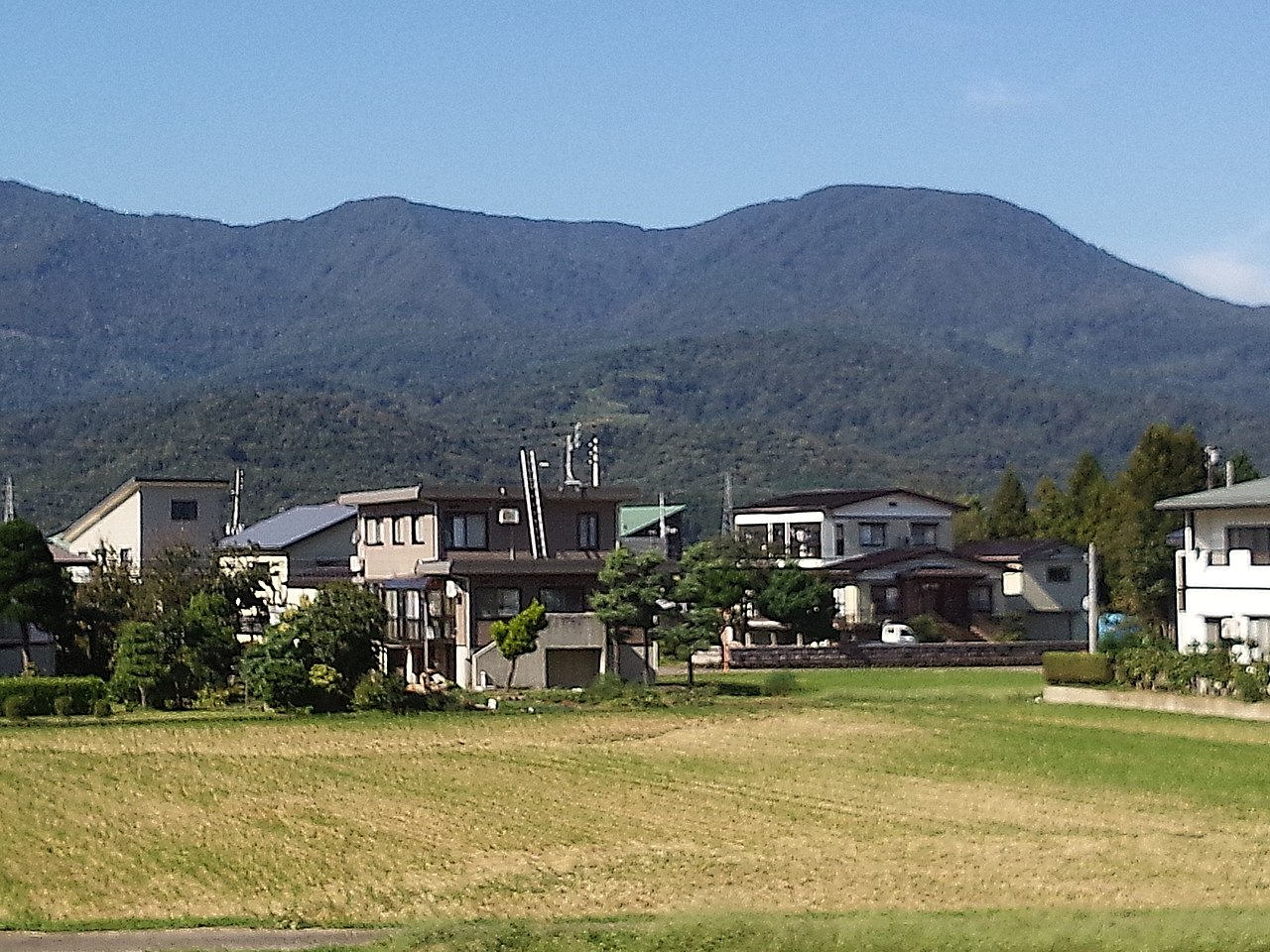
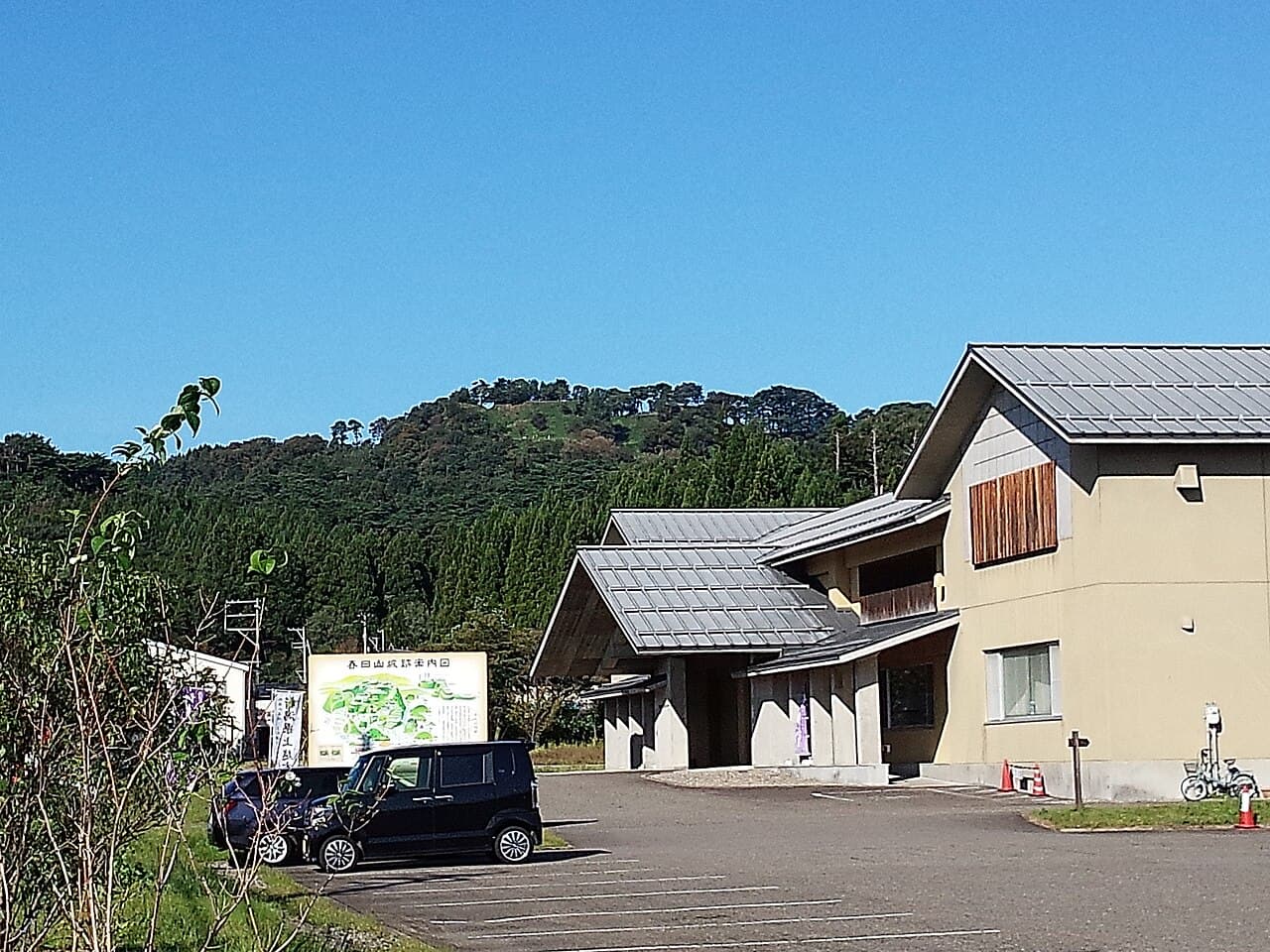
Kasugayama Castle is classified as a hill castle due to its location on Kasugayama Mountain. Unlike many Japanese castles that feature extensive stone walls, Kasugayama Castle relied primarily on natural terrain and earthworks for defense. The castle's defenses included numerous enclosures (kuruwa), dry moats (karabori), and earthen ramparts that leveraged the steep slopes and dense forests of the mountain.
Absence of stone walls and use of earthworks
One of the distinctive aspects of Kasugayama Castle is its lack of traditional stone walls, which were common in later Japanese castles. Instead, the castle's fortifications were constructed using earth embankments and wooden palisades. These features were effective in the mountainous environment, creating complex defensive layers that would have slowed or deterred attackers.
Network of satellite forts
Kasugayama Castle was part of a larger defensive system that included a network of smaller forts and outposts scattered around the region. This network provided early warning and additional protection, enhancing the castle's strategic importance. The interconnectedness of these fortifications reflects the military strategies of the Sengoku period, emphasizing control over territory and communication lines.
Historical significance and notable figures
Nagao tamekage and uesugi kenshin
The castle's key historical figures include Nagao Tamekage, who initially constructed the castle in its expanded form, and his son Uesugi Kenshin, one of Japan's most celebrated daimyo. Kenshin used Kasugayama Castle as his primary residence and military headquarters during his campaigns. His leadership and the castle's formidable defenses made it a symbol of power in the Echigo Province.
Transition of ownership and abandonment
After Uesugi Kenshin's death in 1578, his successor Uesugi Kagekatsu inherited the castle. Kagekatsu ruled from Kasugayama for about two decades before relocating to Aizu in 1598. Subsequently, Hori Hideharu became the lord of the castle but opted to build a new fortress, Fukushima Castle (Echigo), in a more accessible flatland location closer to the harbor. This shift led to Kasugayama Castle's abandonment in 1607.
Cultural heritage and current condition
Preservation and ruins
Today, Kasugayama Castle is classified as partially preserved. While no original buildings remain, the extensive earthworks, enclosures, and dry moats are well maintained, offering visitors a tangible sense of the castle's vast scale and defensive complexity. The site is cherished as an important cultural and historical landmark in Joetsu.
Visitor experience and surrounding attractions
Visitors to Kasugayama Castle can explore the expansive grounds, which include several notable points of interest such as the Rinsenji Temple, a historic Buddhist temple associated with the castle, and the Eastern Fortress area. The castle grounds are accessible via the Ote-do Road, a winding path that historically served as the main entrance and exit route. This road passes by several historical sites, enriching the visitor experience.
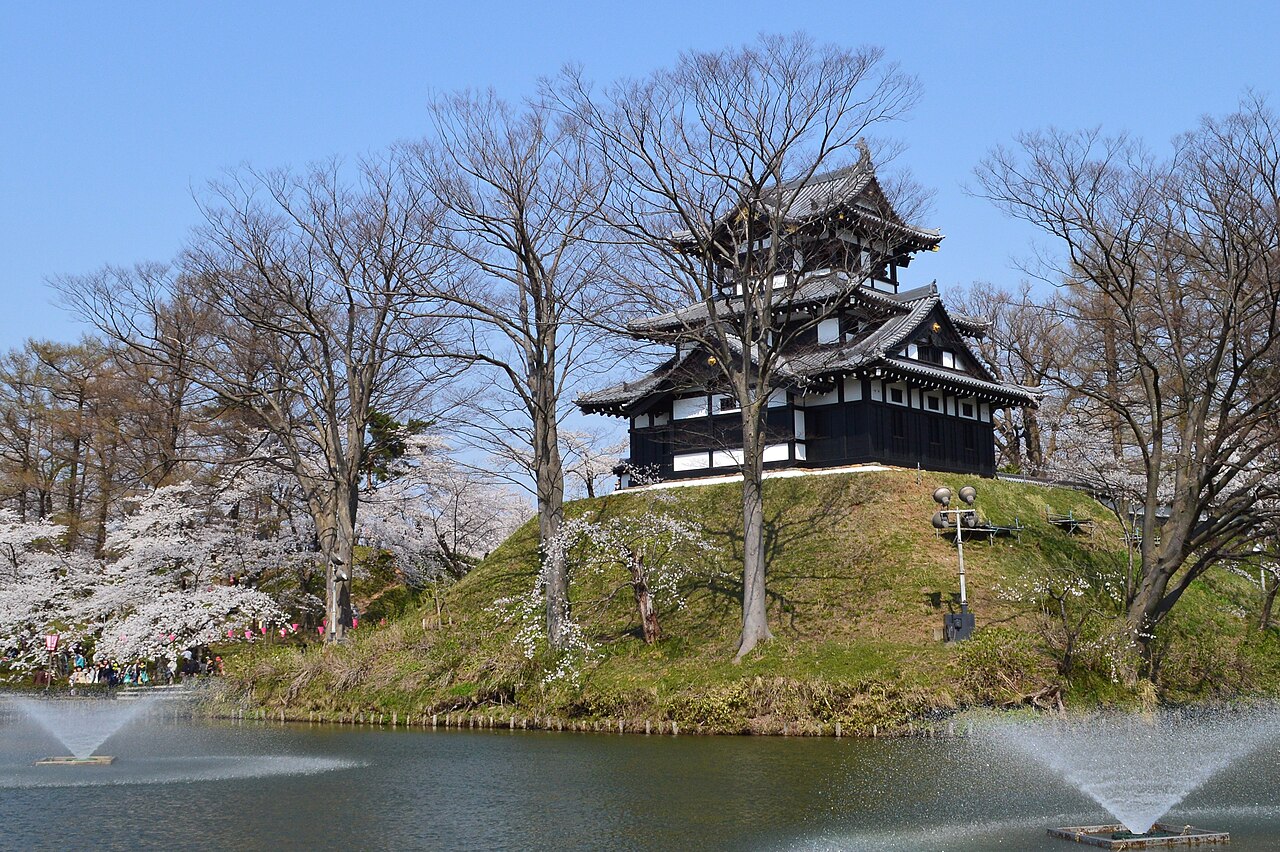
Nearby, the Takada Castle offers an additional glimpse into Japan's feudal past, making the area a rewarding destination for castle enthusiasts and history buffs alike. The juxtaposition of these castles highlights different architectural styles and strategic approaches from the same period.
Kasugayama castle in the context of japanese castle architecture
Kasugayama Castle exemplifies the characteristics of a Sengoku period hill castle, emphasizing natural defenses and earthwork fortifications over stone construction. This approach contrasts with later Azuchi-Momoyama period castles, which often featured grand stone bases and elaborate keeps. The castle's design reflects the military necessities and geographic realities of its time, prioritizing strategic location and layered defenses.
The castle's abandonment in the early 17th century corresponds with the increasing centralization of power under the Tokugawa shogunate, which favored more accessible and administratively efficient castle locations. Kasugayama Castle thus stands as a testament to the dynamic evolution of Japanese castle architecture and feudal politics.
Frequently asked questions (FAQ)
- How do I get to Kasugayama Castle?
- Kasugayama Castle is located in Joetsu, Niigata Prefecture. Visitors can reach the castle by car or local bus from Joetsu Station, followed by a hike up the mountain via the Ote-do Road.
- What is the best time to visit Kasugayama Castle?
- The best time to visit Kasugayama Castle is during spring and autumn when the weather is mild, and the surrounding foliage enhances the scenic views of the castle ruins.
- Are there any original structures remaining at Kasugayama Castle?
- No original buildings remain at Kasugayama Castle, but the extensive earthworks, dry moats, and enclosures are well preserved and provide insight into its defensive design.
- Can I visit nearby historical sites when exploring Kasugayama Castle?
- Yes, visitors can explore nearby attractions such as the Rinsenji Temple, the Eastern Fortress area, and Takada Castle, which enrich the historical experience of the region.
- Is Kasugayama Castle accessible for visitors with limited mobility?
- Due to its mountainous location and uneven terrain, Kasugayama Castle may be challenging for visitors with limited mobility. Proper footwear and physical readiness are recommended for exploring the site.
Photo gallery

Information
Website
Visit websiteSources & official resources
Verify the information above using these authoritative references.
Loading map...
Visitor reviews
No reviews yet. Been here? Write the first review and help other travelers!
Write the first reviewVisited this castle? Share your experience
Your review helps other travelers and adds first-hand knowledge to our encyclopedia.