Matsushiro Castle
Matsushiro Castle, located in Nagano City, Japan, stands as a significant historical site reflecting the turbulent Sengoku period and the refined Edo period samurai culture. Originally constructed around 1560 by the famed warlord Takeda Shingen, the castle was initially named Kaizu-jo and played a strategic role during the intense conflicts between Takeda Shingen and Uesugi Kenshin for control over northern Shinano Province. This area is renowned for the legendary Battle of Kawanakajima, a series of fierce engagements that have become emblematic of samurai warfare.
The castle’s location in a lowland area characterizes it as a lowland castle, or hirajiro, which was typical for strategic control of plains and river valleys rather than elevated hilltop fortresses. The original fortifications combined natural terrain advantages with man-made defenses such as stone walls and moats. Over time, the castle changed hands multiple times, reflecting the shifting political landscape of feudal Japan.
The origins and early history of Matsushiro Castle
Takeda Shingen’s establishment of Kaizu-jo was part of his broader campaign to dominate Shinano Province during the mid-16th century, a period marked by constant warfare known as the Sengoku period. The castle served as a military base and administrative center, supporting Shingen’s efforts against rival clans, especially the Uesugi clan led by Uesugi Kenshin. The castle’s strategic position near the Kawanakajima battlefield underlines its military importance.
After Takeda Shingen’s death in 1573, the castle’s control shifted as various lords vied for power. By 1622, the castle came under the lordship of Sanada Nobuyuki, a prominent daimyo allied with the Tokugawa shogunate. Under the Sanada family, the castle was renamed Matsushiro Castle by Sanada Yukimichi, the third generation lord, signifying a new era of governance and peace.
Architectural features and reconstruction
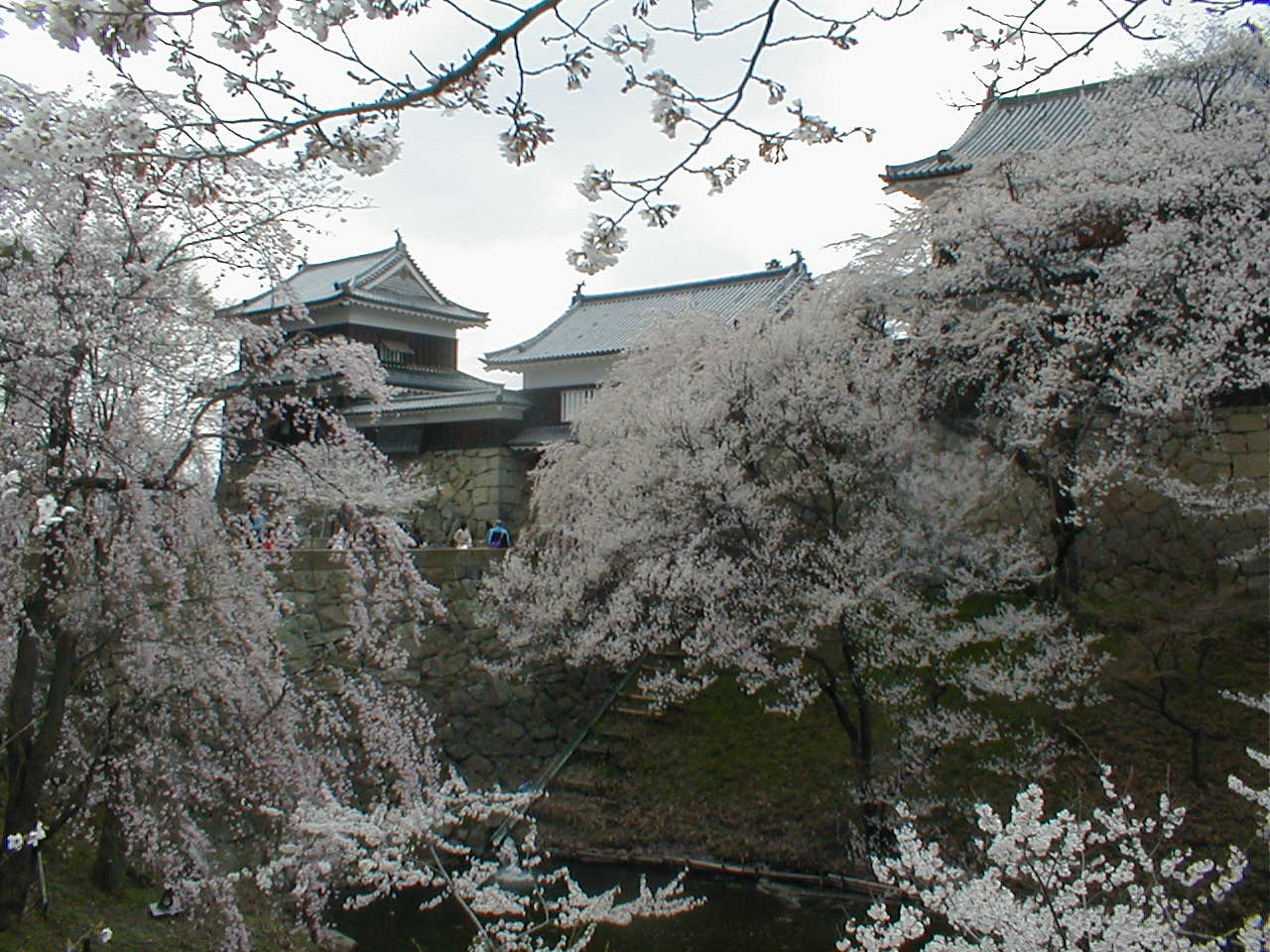
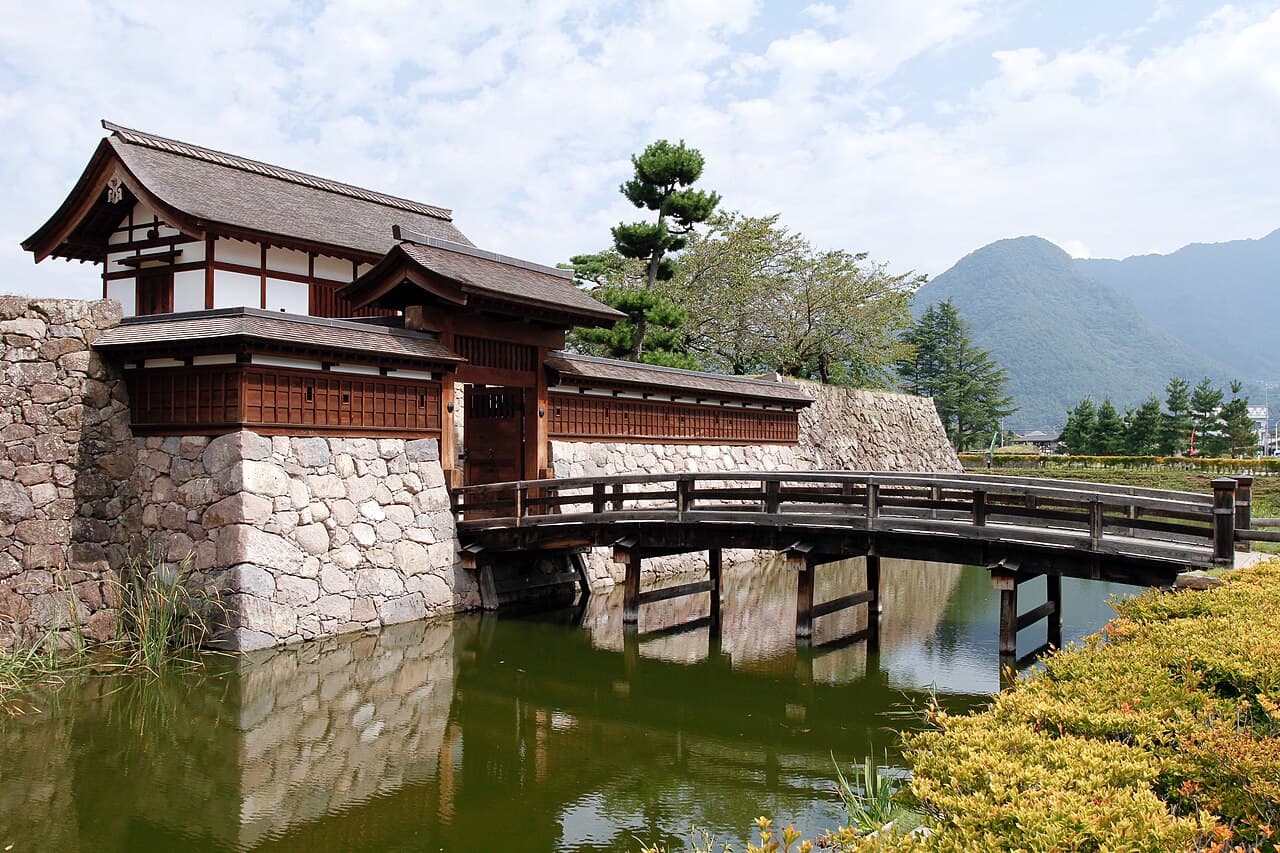
Unlike many Japanese castles, Matsushiro Castle does not retain its original buildings, as most were dismantled during the Meiji Period when feudal structures were systematically removed to modernize Japan. However, the site today features faithfully reconstructed gates and stone walls that reflect the architectural styles and construction techniques of the Edo period. These reconstructions provide visitors with an authentic sense of the castle’s original grandeur and defensive capabilities.
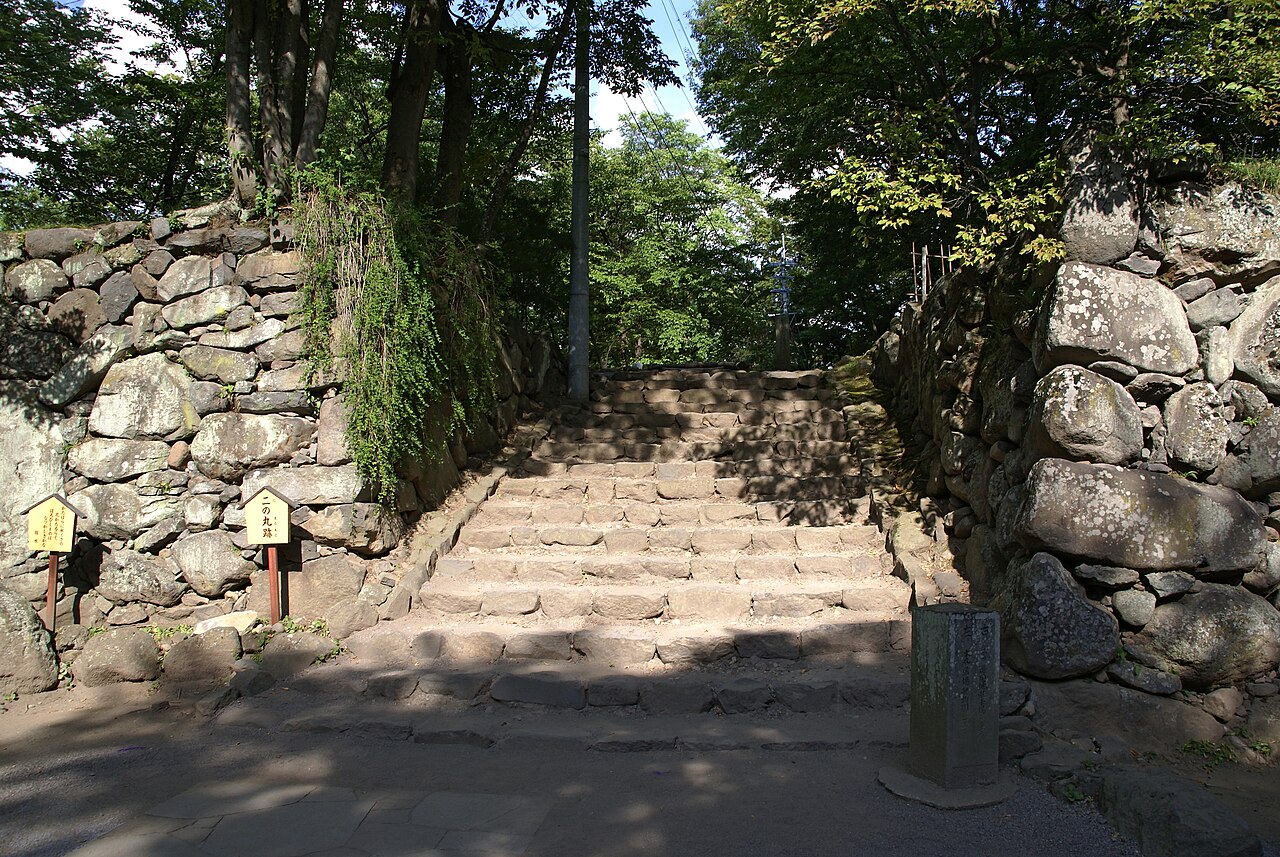
The castle’s layout included multiple baileys surrounded by moats and stone walls, with gates serving as critical control points. The reconstructed gates showcase traditional wooden joinery and defensive design elements such as arrow slits and sturdy beams. The stone walls, built with interlocking stones without mortar, demonstrate advanced masonry techniques that resisted siege warfare and natural disasters.
Preservation of the samurai town and cultural heritage
Beyond the castle itself, Matsushiro is renowned for its exceptionally well-preserved samurai residences and the overall castle town layout, which offers a rare glimpse into Edo period urban planning and social organization. Notable samurai homes include the Yokota Residence, one of the best-preserved examples in Japan, as well as the Higuchi and Maejima residences. These homes retain their original gates, storehouses, gardens, and internal layouts, providing invaluable insights into the lifestyle and status of samurai families.
The Sanada Palace and its grounds are another cultural treasure, featuring multiple preserved buildings that illustrate the administrative and residential functions of the ruling family. Together, these sites form a comprehensive historical environment that allows visitors to experience the ambiance of a feudal Japanese town.
Exploring Matsushiro town and surrounding sites
Visitors to Matsushiro are encouraged to explore the town extensively, as it offers a variety of historical and cultural attractions beyond the castle grounds. The Chokokuji Temple, the Bell Tower, traditional schools, and merchant homes contribute to a rich tapestry of Edo period heritage. The town’s relatively low urban development and absence of high-rise buildings help preserve its rustic atmosphere.
For those interested in history and nature, the nearby Kawanakajima Battlefield is accessible by bus or bicycle, providing context to the military significance of the castle’s location. Renting an electric bicycle is recommended to cover the extensive area efficiently.
Visiting Matsushiro Castle today
The castle site and its associated historical buildings are partially preserved and open to the public, offering a unique opportunity to immerse oneself in Japan’s feudal past. The reconstructed gates and stone walls serve as focal points, while the samurai residences and palace grounds enrich the visitor experience with authentic architectural and cultural details.
Visitors typically spend a full day touring Matsushiro to appreciate the depth of history and the tranquil setting. Guided tours, bicycle rentals, and local museums enhance understanding of the castle’s significance and the lives of those who lived there. The preservation efforts make Matsushiro Castle and its town a top destination for enthusiasts of Japanese history, architecture, and culture.
Frequently asked questions (FAQ)
- How do I get to Matsushiro Castle?
- Matsushiro Castle is located in Nagano City, Japan, and can be reached by public transport from Nagano Station. You can take a bus or taxi, which takes approximately 30 minutes. If you prefer to drive, there are parking facilities available near the castle.
- What is the historical significance of Matsushiro Castle?
- Matsushiro Castle, built in the early 17th century, served as the residence of the Sanada clan and played a crucial role during the Edo period. The castle is recognized for its strategic location and unique architectural style, which reflects the feudal history of Japan. It stands as a symbol of the region's cultural heritage.
- When was Matsushiro Castle constructed?
- Matsushiro Castle was constructed in 1620 and completed in 1627. It was built by the Sanada clan and has since been a significant historical site in Nagano. The castle has undergone various renovations and restorations to preserve its architectural integrity.
- Can I enter Matsushiro Castle?
- Yes, visitors can enter certain areas of Matsushiro Castle. The main keep has been reconstructed and is open to the public, offering exhibitions on the history of the castle and its inhabitants. Please check the official website for any seasonal closures or special events.
- Why is Matsushiro Castle a popular tourist destination?
- Matsushiro Castle attracts tourists for its historical significance, beautiful architecture, and scenic surroundings. The castle offers a unique glimpse into Japan's feudal past, along with stunning views of the surrounding landscape. Additionally, the castle grounds are a great spot for cherry blossom viewing in spring.
- Is it possible to visit Matsushiro Castle year-round?
- Yes, Matsushiro Castle is open to visitors year-round, although opening hours may vary by season. It’s advisable to check the official website for the most current information on hours and any special events that may affect accessibility. Visiting during the spring or autumn will enhance your experience with beautiful natural scenery.
- What are the ticket prices for Matsushiro Castle?
- Admission to Matsushiro Castle is typically affordable, with tickets priced around 300 yen for adults and discounted rates for children and seniors. Special events or guided tours may have different pricing, so it’s best to confirm on the official site before your visit. Group discounts may also be available.
- What are the opening hours of Matsushiro Castle?
- Matsushiro Castle generally opens at 9:00 AM and closes at 5:00 PM, but hours may vary depending on the season. It is advisable to arrive early to make the most of your visit and explore the extensive grounds. Always check the official site for any changes in hours or holiday schedules.
- Are there any nearby attractions to Matsushiro Castle?
- Yes, several attractions are located near Matsushiro Castle, including the Sanada Shrine and the Matsushiro Literary and Art Museum. Visitors can also explore the charming streets of Matsushiro, which are filled with historical buildings and local shops. These nearby sites complement your castle visit and offer a deeper insight into the area's culture.
Photo gallery

Information
Opening hours
Castle Park is open 9am-5pm; free admission. The Sanada treasures museum is 300 yen, Sanada Palace 200 yen and a ticket to both of them plus the Martial and Literary Arts museum is 500 yen
Website
Visit websiteSources & official resources
Verify the information above using these authoritative references.
Loading map...
Visitor reviews
No reviews yet. Been here? Write the first review and help other travelers!
Write the first reviewVisited this castle? Share your experience
Your review helps other travelers and adds first-hand knowledge to our encyclopedia.