Szestno Castle
Szestno Castle, originally named Ordensburg Seehesten, stands as a historical monument in the municipality of Szestno, Poland. Founded in the mid-14th century by the Teutonic Order, this hill castle was strategically positioned near the eastern frontier of the Teutonic state to oversee and control the borderlands adjoining the vast wilderness stretching toward Lithuania. The castle’s establishment in 1348 marked a significant effort by the Order to consolidate their territorial governance and secure their eastern borders against hostile forces.
Historical background and strategic role
The initial construction of Szestno Castle began with a wooden fortification, reflecting the urgency of establishing a military presence in a contested frontier region. This early wooden structure was destroyed in 1350 during an attack by Lithuanian forces, highlighting the persistent conflicts between the Teutonic Order and neighboring pagan and Christian states during the High Medieval period. Following this destruction, the castle was rebuilt in stone, a common practice to enhance durability and defensive capability in the face of ongoing military threats.
Szestno Castle functioned as the seat of a pfleger, a local official responsible for administration, justice, and military defense within the castle’s jurisdiction. The castle’s role extended beyond military defense to include governance and management of the surrounding lands, which were inhabited by a diverse population including Prussian and Polish communities. This multicultural environment necessitated a complex administrative structure within the castle walls.
Architectural features and layout
The castle was designed as a modest fortress centered around a four-sided courtyard, enclosed by thick defensive walls forming a simple quadrangular plan. This layout was typical for smaller Teutonic castles, prioritizing functional military architecture over elaborate decorative elements. The fortress's compact design facilitated efficient defense and control over the immediate territory.
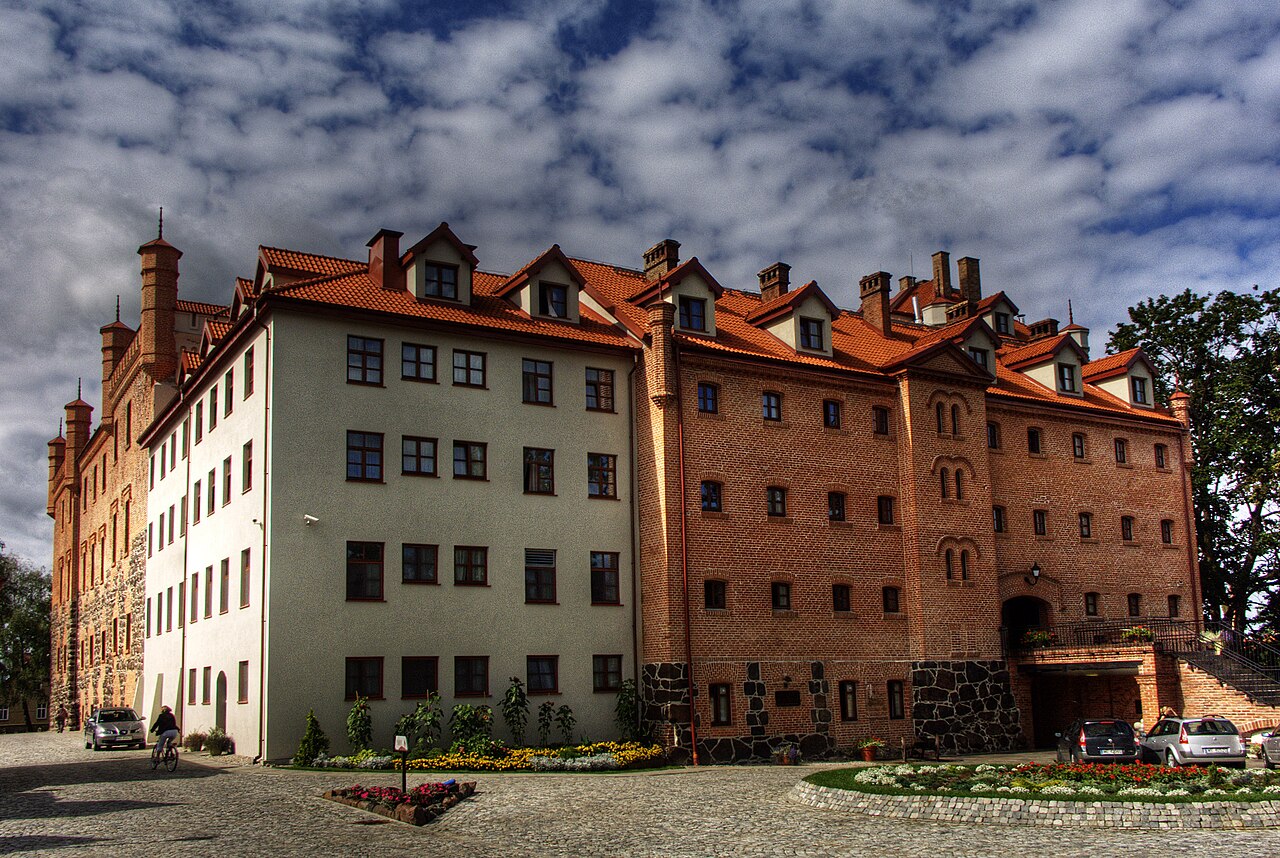
A notable architectural element was the residential wing located on the north side of the courtyard. This wing rose to three stories, with the upper levels constructed primarily of brick, a prevalent building material in the region during the medieval period. The lower levels may have incorporated stone or other materials, reflecting local construction practices. The simplicity and robustness of the residential wing underscored the castle’s practical purpose as both a defensive structure and administrative center.
Administrative and daily life in the castle
Documentation from the 15th and 16th centuries provides a rare glimpse into the castle’s internal functions. A letter dated 1461 from Pfleger Erwin Hugo von Hilgenberg lists the personnel serving at Szestno Castle, including religious figures such as chaplains, various servants, skilled artisans, and military staff. This inventory reflects the castle’s dual role as a center of governance and hospitality, accommodating both administrative duties and the needs of its inhabitants and visitors.
The presence of religious staff indicates the castle’s spiritual as well as temporal importance, while the artisans and servants suggest a self-sustaining community capable of maintaining the fortress and supporting its defensive role. The castle thus functioned as a microcosm of medieval frontier society under the Teutonic Order’s control.
Decline and current state
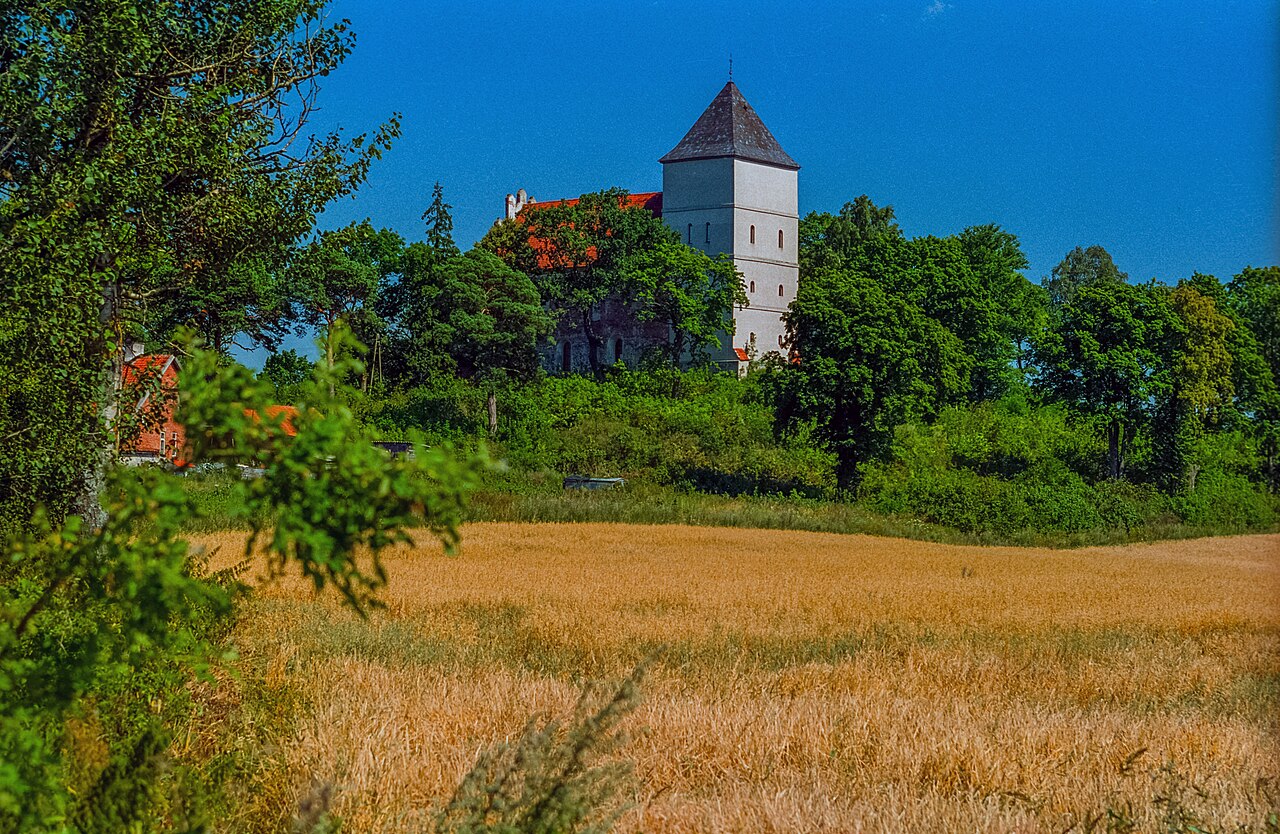
Following the decline of the Teutonic Order’s power in the region, Szestno Castle transitioned to serve as a ducal administrative seat. However, by the mid-18th century, specifically after 1752, the castle fell into disuse and began to deteriorate. The once formidable fortress gradually became ruins, with parts of its structure incorporated into a nearby farmstead.
Today, only limited fragments of the original fortress survive. These ruins are located within a farm property in Szestno and are largely overgrown by vegetation, a testament to centuries of abandonment. No significant decorative features or inscriptions have been preserved, but the remaining walls and foundations provide valuable archaeological insight into the Teutonic Order’s architectural and military strategies.
Architectural significance and legacy
Szestno Castle exemplifies the typical Teutonic Order military architecture of the High Medieval period, characterized by practical design tailored to frontier defense and administration. Its modest scale and straightforward quadrangular layout contrast with the more elaborate concentric castles found elsewhere in Europe, reflecting the specific needs and resources of the Teutonic state in this border region.
The use of brick in the upper residential levels aligns with regional building traditions in northern Poland and the Baltic, where brick was a favored material due to the scarcity of natural stone. The castle’s ruins, though limited, contribute to the broader understanding of medieval military and administrative practices in the Baltic region.
Visiting Szestno Castle today
While Szestno Castle does not function as a public museum and lacks extensive visitor facilities, its ruins remain accessible within the farm property. Visitors interested in medieval history and the Teutonic Order’s legacy can explore the site’s remains, which offer a tangible connection to the complex political and military history of northeastern Poland.
The site’s overgrown state and limited preservation mean that visitors should prepare for a modest experience focused on historical exploration rather than tourism amenities. The castle’s location within a rural setting also provides opportunities to appreciate the natural landscape that once formed the backdrop for its strategic importance.
Frequently asked questions (FAQ)
- When was Szestno Castle built and by whom?
- Szestno Castle was built in 1348 by the Teutonic Order as a frontier fortress in northeastern Poland.
- What architectural style characterizes Szestno Castle?
- The castle features a simple quadrangular layout typical of Teutonic military architecture from the High Medieval period, with brick used in its upper residential levels.
- What remains of Szestno Castle can visitors see today?
- Today, only limited ruins of Szestno Castle survive, located within a farm property in Szestno, largely overgrown but offering insight into its medieval structure.
- Is Szestno Castle open to the public?
- Szestno Castle ruins are accessible but do not have formal visitor facilities or regular opening hours, so visitors should plan accordingly.
- What was the role of Szestno Castle during the Teutonic Order's rule?
- The castle served as an administrative and military center governed by a pfleger, overseeing local lands and defending the eastern frontier against Lithuanian attacks.
Information
Loading map...
Visitor reviews
No reviews yet. Been here? Write the first review and help other travelers!
Write the first reviewVisited this castle? Share your experience
Your review helps other travelers and adds first-hand knowledge to our encyclopedia.