Syrgenstein Castle

Syrgenstein Castle in Heimenkirch, Germany
Heimenkirch, Germany
Late Medieval (14th–15th c.)
Partially Preserved

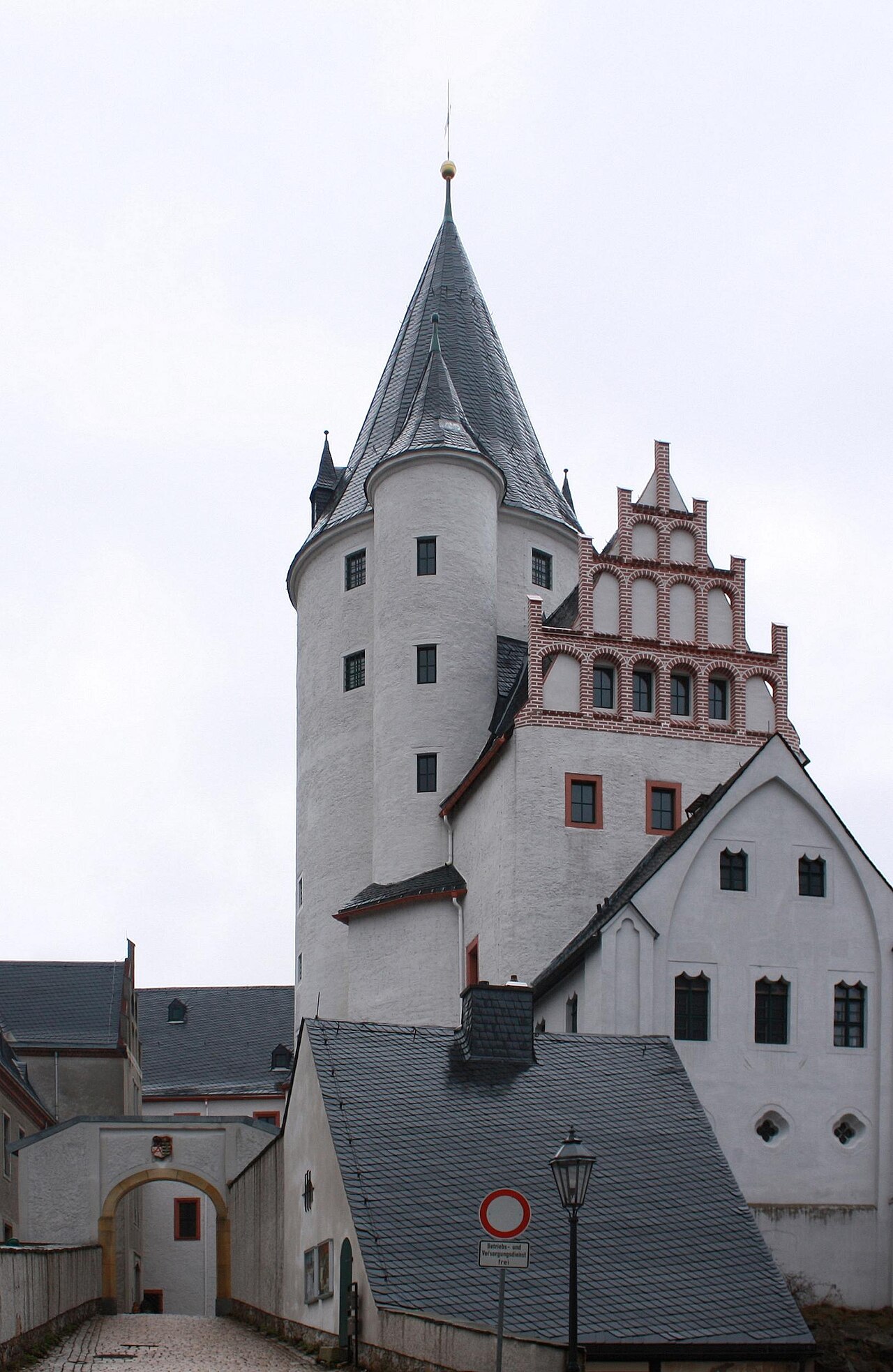
Syrgenstein Castle is a notable example of a late medieval fortress located in Heimenkirch, Germany. Although the castle was first documented in 1265, the structure that stands today was constructed between 1480 and 1490. This period places the castle firmly within the late medieval era, a time characterized by the evolution of castle architecture to adapt to advances in siege technology and changing military tactics.

Historical background and significance

The earliest records mentioning Syrgenstein Castle date back to the mid-13th century, indicating its longstanding presence in the region. The castle was likely built initially as a fortified residence for local nobility or knights, serving both defensive and administrative functions. The current structure, erected in the late 15th century, reflects the architectural and strategic needs of the time, including thicker walls and improved fortifications designed to withstand artillery and other emerging threats.

Throughout its history, Syrgenstein Castle played a role in the local power dynamics of the Allgäu region. Its strategic position would have allowed control over nearby trade routes and local settlements. The castle's ownership has changed hands multiple times, and today it remains privately owned, preserving its historical character.

Architectural features and construction

The castle, built between 1480 and 1490, exhibits typical late medieval defensive features. It likely includes a keep or donjon as the central stronghold, surrounded by thick curtain walls and possibly a moat or defensive ditch, common in castles of that period. The design would have balanced residential comfort with military functionality.

While detailed architectural surveys are limited, the castle's construction period suggests the use of local stone materials and late medieval masonry techniques. The walls probably feature battlements and arrow slits, allowing defenders to repel attackers effectively. The castle's layout may include a courtyard, residential quarters, storage rooms, and defensive towers.

Late medieval defensive adaptations

During the late 15th century, castles like Syrgenstein were often modified to withstand the growing threat of gunpowder artillery. This would have influenced the thickness of the walls and the shape of towers, favoring rounded or angled bastions to deflect cannonballs. Although Syrgenstein is not classified as a bastioned fortress, it likely incorporated some of these defensive innovations.

Current status and preservation

Today, Syrgenstein Castle is privately owned and not generally open to the public. Its preservation status is consistent with many such castles that remain in private hands, where maintenance depends on the owners' resources and interest in heritage conservation. The castle remains an important cultural landmark within the Allgäu region, reflecting the architectural and historical development of the late medieval period in southern Germany.

Visiting and accessibility

As a privately owned property, Syrgenstein Castle is not typically accessible for public tours or visits. Visitors interested in viewing the castle are advised to respect private property rights and enjoy the castle's exterior views from public roads or nearby vantage points. The surrounding region offers rich opportunities for exploring other historical sites and the natural beauty of the Allgäu landscape.

Frequently asked questions (FAQ)

When was Syrgenstein Castle originally built?
Syrgenstein Castle was first documented in 1265, but the current structure was built between 1480 and 1490 during the late medieval period.
Is Syrgenstein Castle open to the public?
Syrgenstein Castle is privately owned and generally not open to the public. Visitors can view the castle from nearby public areas but should respect private property.
What architectural style does Syrgenstein Castle represent?
The castle exemplifies late medieval architecture with defensive features typical of the late 15th century, including thick walls and fortified towers.
Where is Syrgenstein Castle located?
Syrgenstein Castle is located in Heimenkirch, Bavaria, Germany, situated on a hill that provided strategic advantage in medieval times.

Information

Hill Castle

Current owner

Private owner

Loading map...

Visitor reviews

No reviews yet. Been here? Write the first review and help other travelers!

Write the first review

Visited this castle? Share your experience

Your review helps other travelers and adds first-hand knowledge to our encyclopedia.
Write a review

(5/5)

0/2000 characters

Your review will be visible after admin approval

Nearby castles

6.1 km
Schwarzenberg Castle — Germany castle

Schwarzenberg Castle

Schwarzenberg, Germany

Schwarzenberg Castle stands as a prominent historical landmark in the town of Schwarzenberg, Saxony, Germany. Dominating the town's skyline alongside St. George's Church, the castle's origins date back to the 12th century, when it was initially established as a medieval fortification. This early foundation served as the original base for the settlement of Schwarzenberg and its surrounding areas, marking the castle as a key defensive and administrative site in the region. Medieval origins and early development The castle's foundation in the high medieval period reflects the strategic importance of hilltop fortifications during this era. Originally constructed as a fort, Schwarzenberg Castle was designed to oversee and protect the surrounding territory. Its initial structure included fortified walls and a keep, which were typical defensive features of medieval hill castles. Over time, the castle became the nucleus around which the town of Schwarzenberg developed. Transformation into a hunting lodge and renaissance renovations Between 1555 and 1558, Schwarzenberg Castle underwent a significant transformation when it was converted into a hunting lodge for the Electorate of Saxony. This conversion introduced a more residential and representational character to the castle, blending its medieval defensive features with Renaissance architectural influences. The castle's keep and south wing were notably raised during renovations in 1851-1852, enhancing its stature and appearance. Later in the 19th century, an office building extension was added in 1875-1876, reflecting the castle's evolving administrative functions. Architectural features and style Schwarzenberg Castle exemplifies the architectural evolution from a medieval fortification to a Renaissance hunting lodge. Its hill castle classification denotes its elevated position, which was advantageous for defense and surveillance. The castle retains elements such as fortified walls, a prominent keep, and watchtowers, which highlight its original military purpose. The Renaissance modifications introduced more ornate and comfortable living spaces, aligning with the tastes and needs of the Saxon electors. Historical significance and ownership The castle has played a vital role in the region's history, serving variously as a military stronghold, administrative center, and noble residence. Its association with the Electorate of Saxony underscores its importance in Saxon political and social life. The castle's ownership and function evolved through the centuries, reflecting broader historical changes in governance and aristocratic culture. Modern preservation and current status Today, Schwarzenberg Castle is restored and maintained as a significant cultural heritage site. Its preservation allows visitors to appreciate the blend of medieval fortification and Renaissance elegance. The castle continues to be a focal point for the town of Schwarzenberg, attracting tourists interested in its rich history and architectural beauty. Visitor information and cultural impact Visitors to Schwarzenberg Castle can explore its historic structures and enjoy panoramic views of the surrounding Saxon landscape. The castle's proximity to St. George's Church enhances the cultural experience, offering insights into the region's medieval and Renaissance heritage. As a restored monument, it serves educational and tourism purposes, contributing to the local economy and cultural identity.

High Medieval (11th–13th c.)
Details
6.3 km

Ratzenried Castle

Ratzenried, Germany

Ratzenried Castle is a significant high medieval hill castle located in Ratzenried, Germany, with origins tracing back to the early 12th century. The castle was likely constructed to protect the extensive estates of the St. Gallen Monastery in the region and to facilitate the collection of agricultural tributes. Its strategic position on a prominent mountain spur provided natural defensive advantages, a site that may have been utilized as a fortification even before the medieval period. Early history and strategic importance The first documentary mention of the Lords of Ratzenried dates to 1145, indicating the castle's establishment around the same period. The castle's foundation is believed to be contemporaneous with other regional fortifications, such as Burg Praßberg near Wangen im Allgäu, initiated in 1123 for similar protective and administrative purposes. The Lords of Ratzenried served as vassals to the monastery, overseeing the castle and the surrounding lands. By the late 13th century, the original Ratzenried lineage had vanished, but the castle remained a significant seat of power. Subsequent owners took on the Ratzenried name, preserving the castle’s identity and its role in local governance and defense. Ownership transitions and architectural developments In the mid-14th century, the castle changed hands, reflecting the turbulent political landscape of the region. Around 1350, the original owners lost control and relocated to East Allgäu. From 1353, the Lords of Molpertshausen occupied the castle, with official ownership granted by the Abbot of St. Gallen to Hans von Molpertshausen in 1369. Approximately a decade later, the castle was sold to the Humpis von Ravensburg family, who in the 16th century adopted the name Humpis von Ratzenried. This family undertook significant restoration efforts, notably in 1502 when Jos Humpis von Ratzenried invested 11,000 guilders to repair the castle, which had fallen into disrepair. Architectural features and medieval fortifications The exact appearance of the original 12th-century castle remains uncertain, but it is assumed that remnants of the old keep and outer defensive walls survive. These walls likely featured arrow slits for archers, typical of medieval military architecture designed to repel attackers while providing protection for defenders. There are suggestions of a possible reconstruction around 1220, potentially initiated by a Staufer Duke, though details remain unclear. The castle’s design would have incorporated typical high medieval defensive elements such as a fortified keep, curtain walls, and possibly a moat or natural barriers enhanced by man-made defenses. Destruction and later history During the Thirty Years' War in 1632, Ratzenried Castle suffered significant damage when it was burned down by Swedish forces. Financial constraints prevented its reconstruction, leading to its decline into ruin. In the 19th century, the castle passed through various political hands, reflecting the shifting borders and governance of the region. It became part of the Kingdom of Bavaria in 1806, then transferred to Württemberg in 1810. Ownership later passed to the Beroldingen Counts in 1813 and eventually to the Waldburg-Zeil Counts in 1908. Cultural significance and preservation Today, Ratzenried Castle stands as a partially preserved medieval ruin, offering valuable insights into the high medieval fortification techniques and feudal history of the Allgäu region. Its location on a mountain spur highlights the medieval preference for naturally defensible sites. While much of the castle remains in ruins, surviving elements such as the keep foundations and sections of the outer walls with arrow slits provide important archaeological and architectural evidence of its original structure and function. The castle’s enduring legacy is intertwined with the history of the St. Gallen Monastery’s territorial control, the noble families who held it, and the military conflicts that shaped its fate. It remains a point of interest for historians and visitors interested in medieval architecture and the feudal history of southern Germany.

High Medieval (11th–13th c.)
Details
7.8 km

Burg Ellhofen

Germany, Germany

Burg Ellhofen stands as a significant medieval hill castle ruin located near the village of Ellhofen within the municipality of Weiler-Simmerberg, Germany. Constructed toward the end of the 13th century, it was established by the noble Lords of Ellhofen as a replacement for an earlier stronghold that no longer met their defensive or residential needs. The first documented mention of the castle dates to 1287, marking its importance in the region's feudal landscape. The castle's strategic position atop a small hill at an elevation of approximately 760 meters offers commanding views over the Ellhofer Tobelbach valley. This location provided both defensive advantages and oversight of the surrounding territory, typical of hill castles constructed during the High to Late Medieval period. Burg Ellhofen’s layout is characterized by a roughly square plan, measuring about 18 meters on each side, enclosed by defensive ditches and walls that reflect medieval military architectural principles. Historical significance and ownership Throughout its active use, Burg Ellhofen served as a center of local governance and military defense. From 1418 onward, it held the lower jurisdiction rights, indicating its role in regional legal and administrative matters. The castle was initially under the control of the Ellhofen family, whose male lineage ended in 1446. Following this, ownership passed through several hands, including Rudolf von Weiler and later the Counts of Montfort-Rothenfels in 1462. By 1475, the castle was sold to Wilhelm von Neidegg, a wealthy patrician from Ravensburg, for 1600 Gulden. This transfer reflects the castle's continued importance as a noble residence and symbol of power. However, the castle’s fortunes declined amid regional conflicts and social upheaval. In 1525, during the widespread Peasants’ War, Burg Ellhofen was plundered and damaged, marking the beginning of its gradual decline. After the Neidegg family line ended in 1562, the castle was sold to the Teutonic Order, a prominent religious and military organization. The castle’s strategic and symbolic value persisted until the Thirty Years’ War, when in 1634 Swedish troops set fire to the castle, causing severe destruction. This event led to the castle’s abandonment and eventual ruin. Architectural features and layout Burg Ellhofen was constructed with typical medieval defensive features. The castle’s perimeter is defined by two artificial defensive ditches that enhanced its protection against attackers. An outer defensive enclosure, known as a Zwinger, surrounds the main walls, creating a narrow passageway designed to trap and expose assailants to defensive fire. The castle’s main tower, or bergfried, remains the most prominent surviving structure. This square tower, positioned on the western side of the castle, served as a lookout post and a final refuge during sieges. The bergfried’s robust masonry fragments provide insight into the construction techniques of the period, emphasizing thick walls and limited openings for defense. Within the castle’s walls, remnants of principal buildings are visible, including a notable wall segment measuring six meters in length and rising 2.5 meters high. This wall bears a commemorative plaque that honors the site’s historical significance. The castle courtyard, known as the Bauhof, remains intact and has been adapted for residential use, maintaining a tangible link to the site’s medieval past. Decline, destruction, and preservation The castle suffered considerable damage during the Peasants’ War and was further devastated by fire during the Thirty Years’ War. After its destruction in 1634, Burg Ellhofen was largely abandoned. In the 19th century, under Bavarian jurisdiction since 1806, the castle’s remaining stones were repurposed for local construction projects. These included the expansion of the Ellhofen church, the firewall of the nearby Burghof, the Simmerberg church, and the Amtshaus built in 1552, now functioning as the Gasthof Adler. Despite the dismantling, the castle’s footprint and several architectural elements survive. The site’s preservation as a ruin offers valuable insights into medieval fortification strategies and regional history. The adaptive reuse of the courtyard area for residential purposes also reflects the integration of historical sites into contemporary village life. Cultural and regional context Burg Ellhofen is part of the rich tapestry of medieval castles in southern Germany, illustrating the feudal system’s local manifestations. Its history connects to broader European conflicts such as the Peasants’ War and the Thirty Years’ War, highlighting the turbulent nature of the region’s past. The castle’s association with noble families, military orders, and local governance underscores its multifaceted role over centuries. Today, the site attracts visitors interested in medieval architecture, regional history, and cultural heritage. The remaining structures, especially the bergfried and defensive ditches, provide a tangible link to the medieval era. The castle’s elevated hilltop position continues to offer scenic views of the surrounding landscape, enhancing its appeal as a historical landmark. Visitor information and accessibility While Burg Ellhofen remains a ruin, the site is accessible to visitors who wish to explore its historical remains and enjoy the natural surroundings. Due to its condition, visitors should exercise caution when navigating the uneven terrain and remaining masonry. The castle’s proximity to the village of Ellhofen makes it an accessible destination for those interested in medieval history and architecture. Local efforts to preserve and commemorate the castle’s history include informational plaques and conservation measures aimed at protecting the remaining structures. Visitors can combine a trip to Burg Ellhofen with other regional attractions, such as nearby churches and historic buildings that incorporate stones from the castle itself.

Late Medieval (14th–15th c.)
Details

