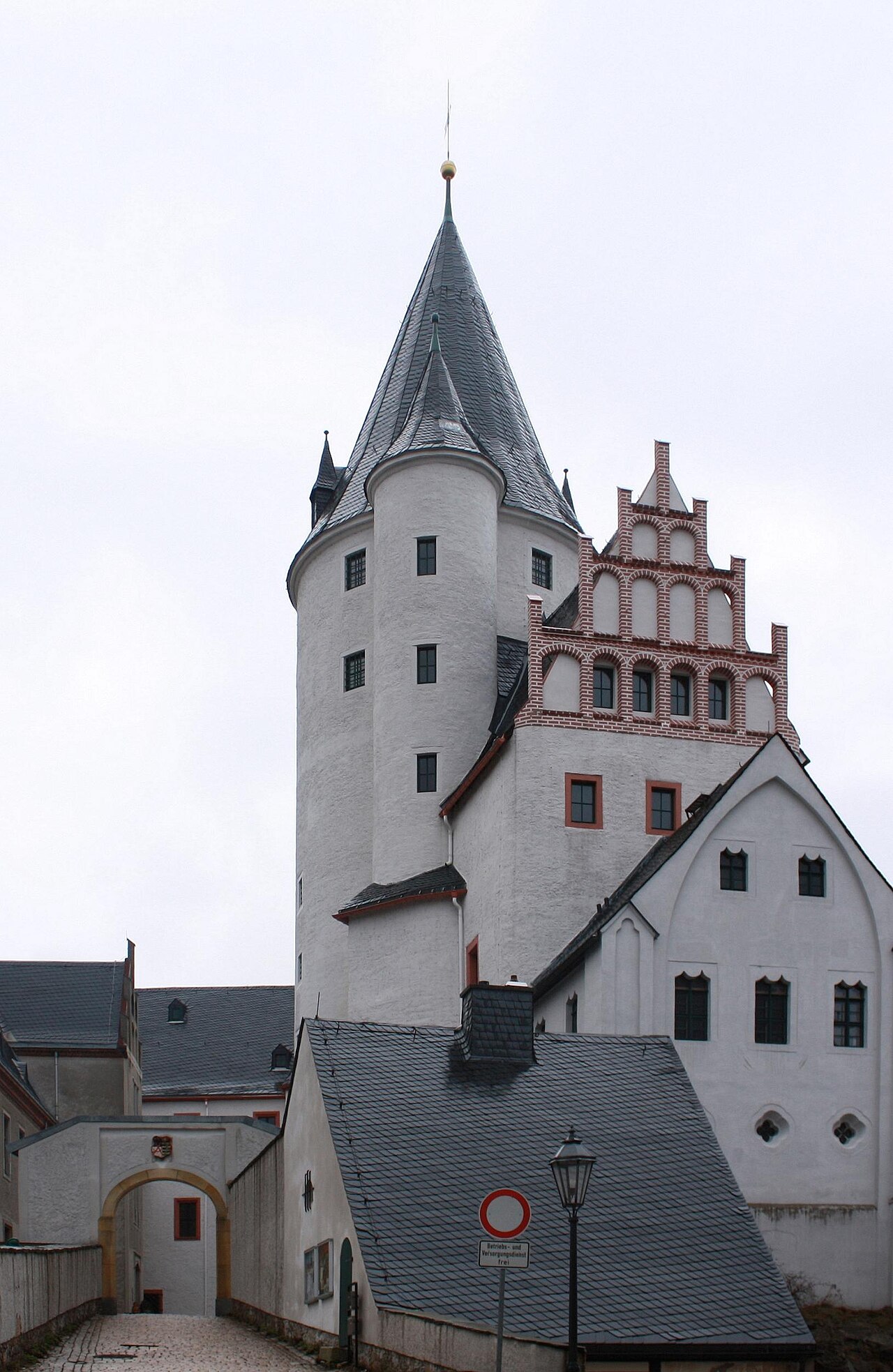
Ratzenried Castle
Ratzenried Castle is a significant high medieval hill castle located in Ratzenried, Germany, with origins tracing back to the early 12th century. The castle was likely constructed to protect the extensive estates of the St. Gallen Monastery in the region and to facilitate the collection of agricultural tributes. Its strategic position on a prominent mountain spur provided natural defensive advantages, a site that may have been utilized as a fortification even before the medieval period.
Early history and strategic importance
The first documentary mention of the Lords of Ratzenried dates to 1145, indicating the castle's establishment around the same period. The castle's foundation is believed to be contemporaneous with other regional fortifications, such as Burg Praßberg near Wangen im Allgäu, initiated in 1123 for similar protective and administrative purposes. The Lords of Ratzenried served as vassals to the monastery, overseeing the castle and the surrounding lands.
By the late 13th century, the original Ratzenried lineage had vanished, but the castle remained a significant seat of power. Subsequent owners took on the Ratzenried name, preserving the castle’s identity and its role in local governance and defense.
Ownership transitions and architectural developments
In the mid-14th century, the castle changed hands, reflecting the turbulent political landscape of the region. Around 1350, the original owners lost control and relocated to East Allgäu. From 1353, the Lords of Molpertshausen occupied the castle, with official ownership granted by the Abbot of St. Gallen to Hans von Molpertshausen in 1369.
Approximately a decade later, the castle was sold to the Humpis von Ravensburg family, who in the 16th century adopted the name Humpis von Ratzenried. This family undertook significant restoration efforts, notably in 1502 when Jos Humpis von Ratzenried invested 11,000 guilders to repair the castle, which had fallen into disrepair.
Architectural features and medieval fortifications
The exact appearance of the original 12th-century castle remains uncertain, but it is assumed that remnants of the old keep and outer defensive walls survive. These walls likely featured arrow slits for archers, typical of medieval military architecture designed to repel attackers while providing protection for defenders.
There are suggestions of a possible reconstruction around 1220, potentially initiated by a Staufer Duke, though details remain unclear. The castle’s design would have incorporated typical high medieval defensive elements such as a fortified keep, curtain walls, and possibly a moat or natural barriers enhanced by man-made defenses.
Destruction and later history
During the Thirty Years' War in 1632, Ratzenried Castle suffered significant damage when it was burned down by Swedish forces. Financial constraints prevented its reconstruction, leading to its decline into ruin.
In the 19th century, the castle passed through various political hands, reflecting the shifting borders and governance of the region. It became part of the Kingdom of Bavaria in 1806, then transferred to Württemberg in 1810. Ownership later passed to the Beroldingen Counts in 1813 and eventually to the Waldburg-Zeil Counts in 1908.
Cultural significance and preservation
Today, Ratzenried Castle stands as a partially preserved medieval ruin, offering valuable insights into the high medieval fortification techniques and feudal history of the Allgäu region. Its location on a mountain spur highlights the medieval preference for naturally defensible sites.
While much of the castle remains in ruins, surviving elements such as the keep foundations and sections of the outer walls with arrow slits provide important archaeological and architectural evidence of its original structure and function.
The castle’s enduring legacy is intertwined with the history of the St. Gallen Monastery’s territorial control, the noble families who held it, and the military conflicts that shaped its fate. It remains a point of interest for historians and visitors interested in medieval architecture and the feudal history of southern Germany.
Information
Loading map...
Visitor reviews
No reviews yet. Been here? Write the first review and help other travelers!
Write the first reviewVisited this castle? Share your experience
Your review helps other travelers and adds first-hand knowledge to our encyclopedia.