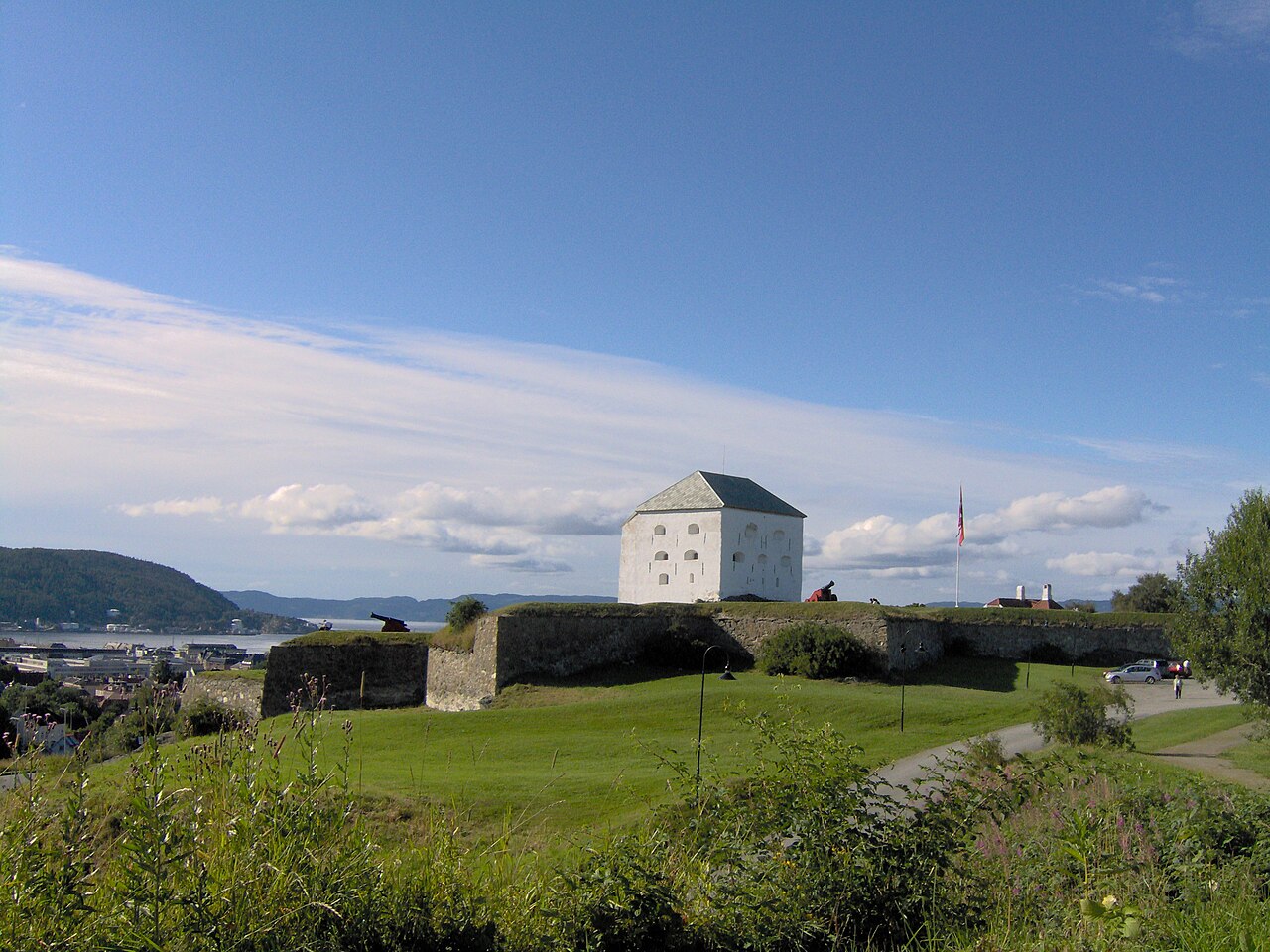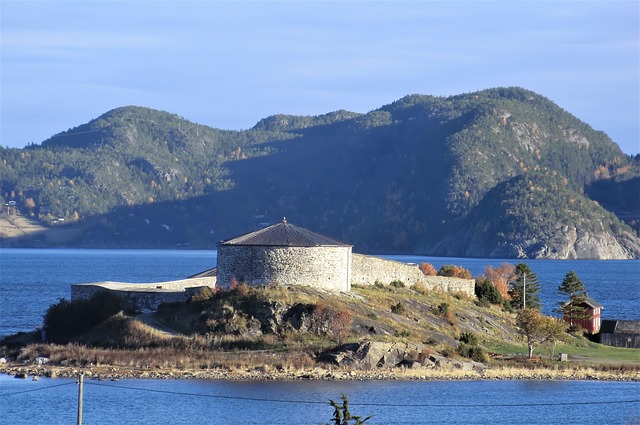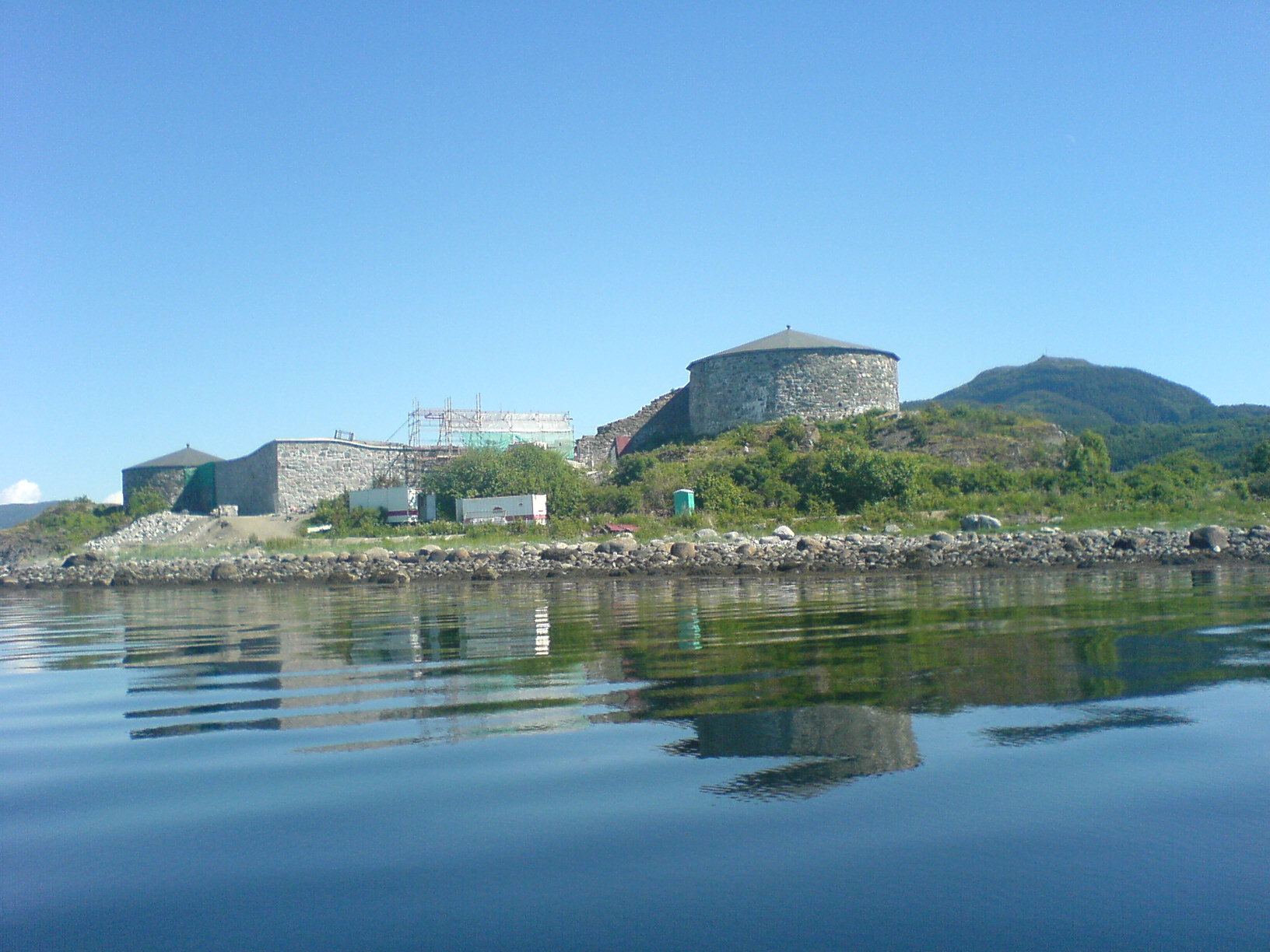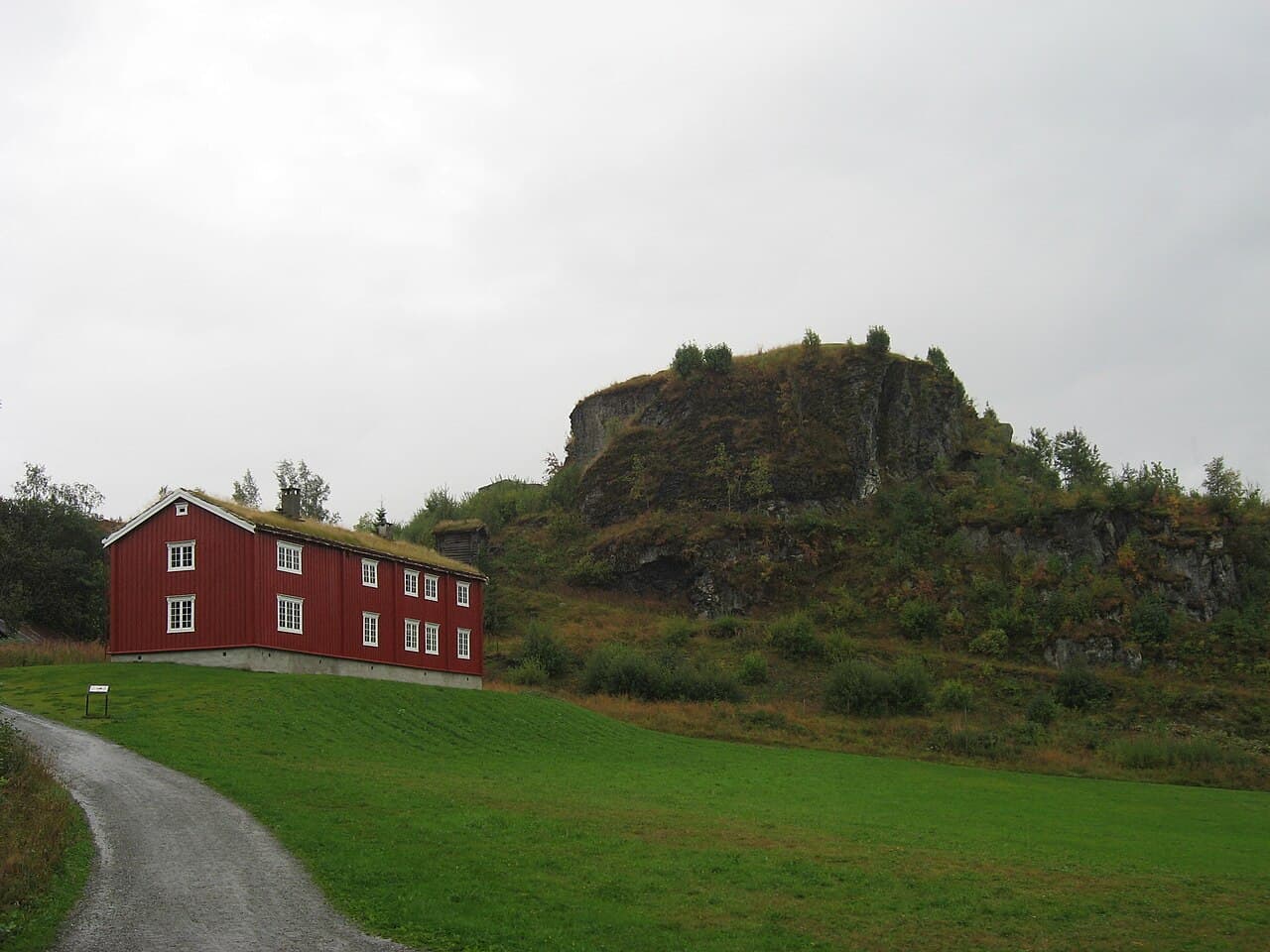
Sverresborg, also known as Sverre Sigurdsson's castle or Kong Sverres borg, is a historic hill fortress located in the medieval city of Nidaros, now known as Trondheim, Norway. Constructed in the 12th century during the high medieval period, Sverresborg was built as both a fortification and royal residence by King Sverre Sigurdsson. The castle played a pivotal role in the turbulent civil wars of Norway, particularly during Sverre's struggle against his rival, King Magnus Erlingsson, for control of the Norwegian throne.
Historical context and significance
The construction of Sverresborg was closely tied to the political and military conflicts of the time. King Sverre Sigurdsson, who reigned from 1184 to 1202, established the fortress as a strategic stronghold to consolidate his power in Trøndelag and to defend against his opponents during the Norwegian civil wars. The castle's location on a hill provided a commanding view over the surrounding landscape and the city of Nidaros, which was Norway's religious and political center during the Middle Ages.
Sverresborg was not just a military installation; it also served as the king's residence, symbolizing his authority and legitimacy. The castle's fortifications and strategic position helped Sverre maintain control over the region and resist sieges and attacks from rival factions. Its establishment marked a significant development in the medieval fortification of Norway, reflecting the increasing importance of strongholds in asserting royal power.
Architectural features and layout
The castle was built as a hill castle, a type of fortification that utilizes natural elevation to enhance defense capabilities. Sverresborg's design included robust stone walls, defensive towers, and gates that controlled access to the fortress. The elevated position allowed defenders to monitor approaching enemies and provided a tactical advantage during battles.
While much of the original structure has not survived intact, archaeological excavations and historical records provide insight into the castle's layout. The fortress likely included a central courtyard surrounded by living quarters, storage buildings, and defensive works. The construction techniques and materials used reflect the architectural practices of the high medieval period in Scandinavia.
Defensive elements
Sverresborg's fortifications featured thick stone walls designed to withstand attacks by siege engines and infantry assaults. The castle's elevated position on a hill made direct assaults difficult, forcing attackers to navigate steep terrain under defensive fire. The presence of towers allowed archers and guards to cover multiple angles of approach.
Later history and preservation
After the end of the civil wars and the consolidation of royal power in Norway, Sverresborg's military importance declined. Over the centuries, the castle fell into disrepair and was eventually abandoned as a fortress. However, its historical significance was recognized in modern times.
Today, the site of Sverresborg forms part of the Sverresborg Trøndelag Folk Museum, an open-air museum dedicated to preserving and showcasing the cultural heritage of the Trøndelag region. The museum includes reconstructed buildings and exhibits that illustrate the medieval history of the area, including the legacy of King Sverre and his castle.
The museum's location on the original hill fortress site allows visitors to explore the remains of the castle and gain insight into medieval Norwegian fortifications and royal history. Sverresborg remains an important cultural landmark, reflecting the complex history of Norway's medieval period and the architectural evolution of hill castles in Scandinavia.
Visiting Sverresborg today
Visitors to Sverresborg can experience a combination of historical education and outdoor exploration. The open-air museum offers guided tours, exhibitions, and events that bring medieval Norwegian history to life. The castle ruins and reconstructed structures provide a tangible connection to the past, set within the natural landscape that once made Sverresborg a formidable fortress.
The museum also hosts cultural activities and traditional crafts demonstrations, enriching the visitor experience with a broader understanding of Trøndelag's heritage. The site is accessible year-round, with varying opening hours depending on the season.
Photo gallery

Public domain
Information
Loading map...
Visitor reviews
No reviews yet. Been here? Write the first review and help other travelers!
Write the first reviewVisited this castle? Share your experience
Your review helps other travelers and adds first-hand knowledge to our encyclopedia.