Sverresborg Castle Ruins
Sverresborg castle ruins in Norway represent two historically significant medieval fortifications associated with King Sverre Sigurdsson, a pivotal figure in Norwegian history during the High Medieval period. These fortresses, located in Bergen and Trondheim respectively, illustrate the strategic military architecture and turbulent civil conflicts of 12th and 13th century Norway.
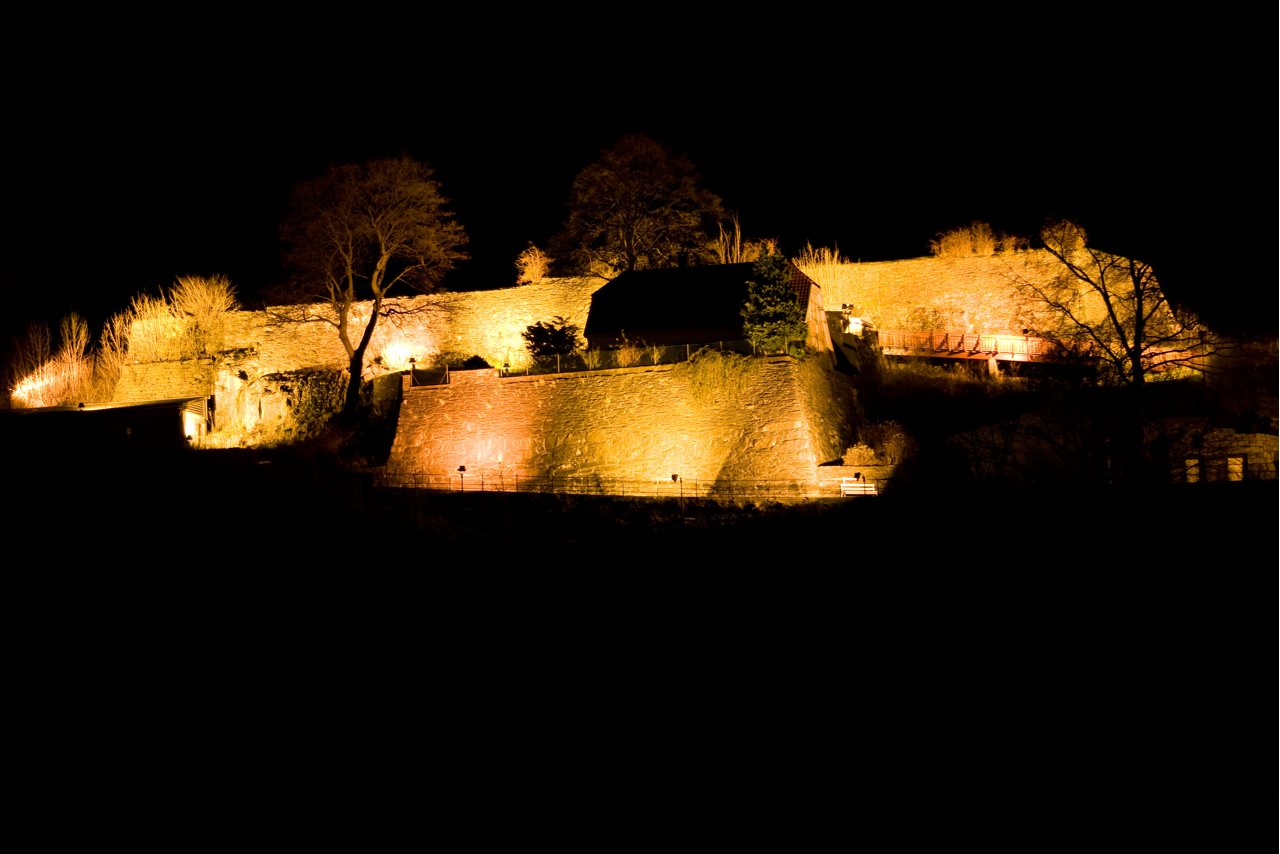
The Bergen Sverresborg was constructed in the mid-1180s, approximately 250 meters northeast of the Bergenhus fortress. Commissioned by King Sverre Sigurdsson (ca. 1150–1202), this fortress was designed as a defensive stronghold during the Norwegian civil wars. The fortress featured an outer stone wall enclosing wooden inner buildings, a common architectural approach in medieval Norwegian fortifications balancing durability and expediency. Historical sagas recount that around 1207, the fortress housed about 600 men and 40 noble women, indicating its role as both a military base and a residence.
Construction and architectural features of Bergen Sverresborg
The fortress’s location was strategically chosen to maximize defense, situated on elevated terrain with natural barriers. The use of locally quarried stone, sourced just 0.6 kilometers away, facilitated the rapid construction of the outer defensive walls. The inner structures, predominantly wooden, likely included barracks, storage facilities, and command quarters. The combination of stone and wood was typical for Norwegian fortresses of the era, providing a balance between protection and resource availability.
Military significance and battles
Sverresborg was a focal point during the Norwegian civil war era, changing hands multiple times between rival factions such as the Birkebeins and the Baglers. The fortress was captured and destroyed by the Baglers, only to be rebuilt by Håkon Jarl. Subsequent destruction and reconstruction cycles marked its turbulent history. After the great fire of 1248, King Håkon Håkonsson reinforced the site, ensuring its continued military relevance throughout the medieval period.
Later developments and military use
The medieval fortress remained functional until the mid-16th century, after which the site evolved. Beneath the fortress lies the residence of the master of the ramparts, with structures dating back to the 18th century. This official was responsible for maintaining the fortifications. The present-day fortifications primarily date from the 17th century, reflecting adaptations to changing military technology and strategic needs.
Notably, in August 1665, the fortress participated in the Battle of Vågen, a naval engagement during the Second Anglo-Dutch War. The last expansions occurred during the Napoleonic Wars, highlighting the site's prolonged military importance.
Sverresborg during modern times and heritage preservation
In the 1830s, the area around the fortress was transformed into a park, reflecting a shift towards recreational and commemorative uses. By 1911, a petty officers school was established on the site for the Bergen Brigade, indicating continued military presence. During World War II, German forces installed two anti-aircraft batteries, utilizing the fortress's strategic location.
Post-war, Sverresborg served as an execution site for war criminals convicted of treason, with eight executions carried out in 1946. Although the fortress no longer fulfills an operational military role, it remains under Norwegian military command and is accessible to the public. Facilities include offices, garages, and outbuildings of more recent construction.
Sverresborg in Trondheim: origins and cultural significance
The Trondheim Sverresborg was one of Norway's earliest stone fortresses, initiated by King Sverre in the winter of 1182/1183. Its construction was motivated by the need for a secure, defensible base during the ongoing civil wars. The fortress was located in the medieval city of Nidaros (modern Trondheim), chosen for its natural defensive advantages and proximity to stone quarries used for the Nidaros Cathedral.
Construction proceeded rapidly, aided by the availability of stonemasons during the exile of the Archbishop of Nidaros. King Sverre and his men occupied the fortress during Lent of 1183. The fortress played a role in the decisive Battle of Fimreite in 1184, which ended the conflict between the Birkebeins and the Heklungers with King Magnus's death by drowning.
Destruction and restoration
Despite Sverre's victory, the fortress and the city faced attacks in 1188, resulting in the fortress's destruction and burning. The exact date of restoration is uncertain, but historical sources indicate it was rebuilt by 1197. King Sverre died in Bergen in 1202, and the fortress remained significant during the reign of his grandson, King Haakon Haakonsson, who permitted the fortress walls to be dismantled in 1263.
Legacy and museum development
In 1914, the area surrounding the Trondheim fortress ruins was designated for the establishment of the Sverresborg Trøndelag Folk Museum, which opened in 1909. The museum preserves and exhibits over 60 historic buildings and artifacts, representing the cultural heritage of the Trøndelag region. The fortress ruins form the centerpiece of this expansive open-air museum, one of Norway's largest cultural history institutions.
Architectural styles and historical context
Both fortresses reflect High Medieval military architecture in Norway, characterized by the use of stone for defensive walls combined with wooden structures for internal buildings. The design emphasizes strategic location, rapid construction using local materials, and adaptability to ongoing civil conflicts. These fortresses illustrate the evolution of medieval Norwegian fortifications from purely military installations to multifunctional sites with residential and administrative roles.
Visiting Sverresborg today
The Bergen Sverresborg site remains a military area under the command of the Bergenhus commandant but is open to the public for visits. The site offers a glimpse into Norway’s medieval military history and subsequent adaptations through centuries of warfare and peace. The Trondheim Sverresborg ruins are integrated into the Trøndelag Folk Museum, providing visitors with an immersive cultural experience combining archaeology, history, and traditional Norwegian architecture.
Frequently asked questions (FAQ)
- How do I visit Sverresborg castle ruins in Bergen?
- Sverresborg castle ruins in Bergen are open to the public as a military area under the command of Bergenhus. Visitors can explore the site during daylight hours, but should respect any restricted zones due to ongoing military use.
- What is the historical significance of Sverresborg in Trondheim?
- Sverresborg in Trondheim was one of Norway's earliest stone fortresses, built by King Sverre Sigurdsson in the 1180s. It played a crucial role in the civil wars and is now the centerpiece of the Trøndelag Folk Museum, preserving regional cultural heritage.
- When was Sverresborg fortress in Bergen originally built?
- The Bergen Sverresborg fortress was constructed in the mid-1180s by King Sverre Sigurdsson as a strategic military base during the Norwegian civil wars.
- Can I visit the Trøndelag Folk Museum at the site of Sverresborg in Trondheim?
- Yes, the Trøndelag Folk Museum surrounds the ruins of the Trondheim Sverresborg. It features over 60 historic buildings and offers visitors insight into the cultural history of the Trøndelag region.
- Why was Sverresborg destroyed and rebuilt multiple times?
- Sverresborg was repeatedly destroyed and rebuilt due to its strategic importance during the Norwegian civil wars. Rival factions such as the Baglers frequently captured and damaged the fortress, necessitating reconstruction.
Information
Opening hours
Open to the public
Ticket prices
Free
Current owner
Norwegian military
Website
Visit websiteSources & official resources
Verify the information above using these authoritative references.
Loading map...
Visitor reviews
No reviews yet. Been here? Write the first review and help other travelers!
Write the first reviewVisited this castle? Share your experience
Your review helps other travelers and adds first-hand knowledge to our encyclopedia.