Sverresborg (Bergen)
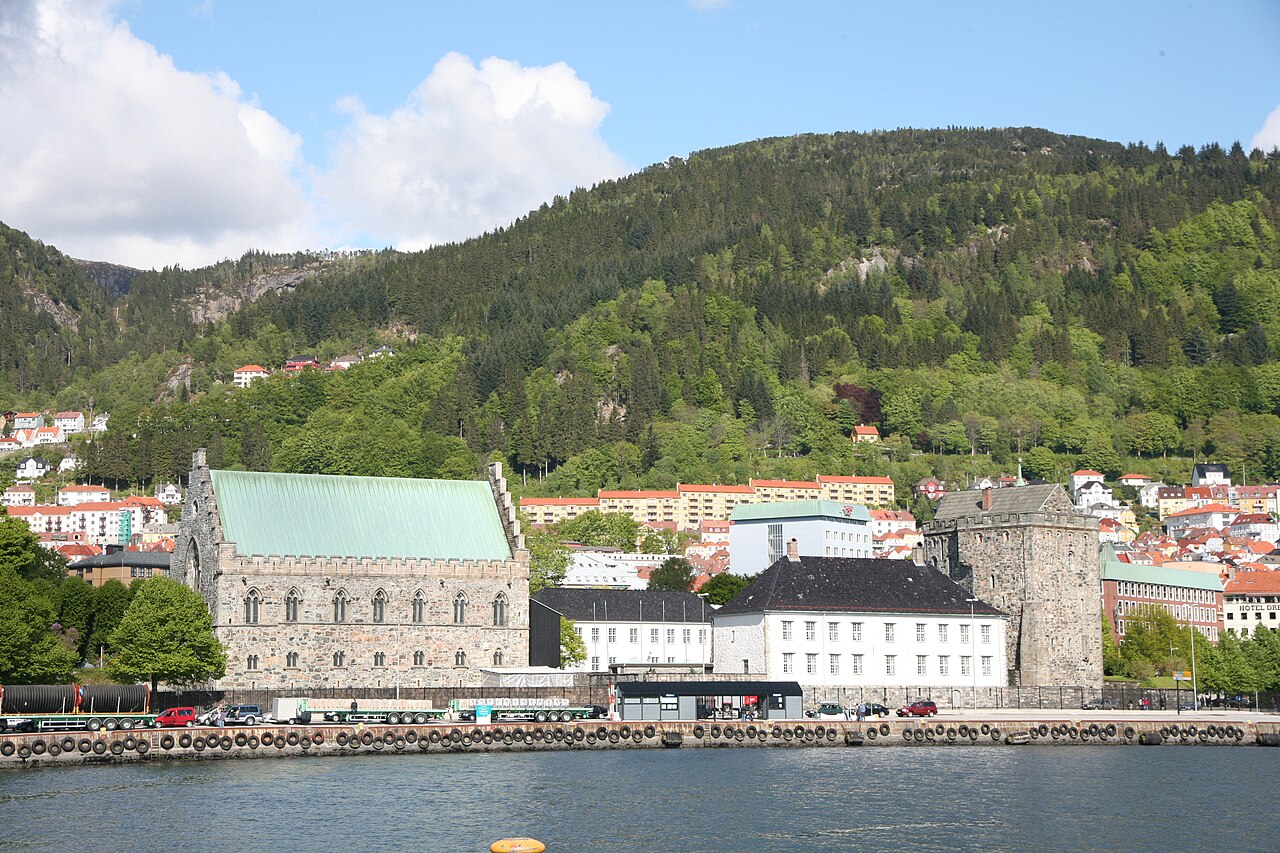
Sverresborg fortress in Bergen, Norway, is a historically significant high medieval structure dating back to the 12th century. Originally constructed as a military stronghold, it served as a key defensive bastion during the turbulent period of Norwegian civil wars. The fortress is located on a strategic hilltop overlooking the city of Bergen, providing commanding views and control over the surrounding area.
Historical background and significance
The fortress was named after King Sverre Sigurdsson, who ruled Norway from 1184 to 1202 and played a pivotal role in the country's medieval history. Sverre commissioned the construction of the fortress as part of his efforts to consolidate power and defend his reign during the civil conflicts that marked the era. The site was chosen for its natural defensive advantages, including elevated terrain and proximity to key trade routes.
Throughout the high medieval period, Sverresborg was a focal point in regional power struggles and witnessed several sieges and battles. Its robust fortifications were designed to withstand attacks from rival factions and invaders. The fortress's role extended beyond military defense; it also functioned as a symbol of royal authority in western Norway.
Architectural features and design
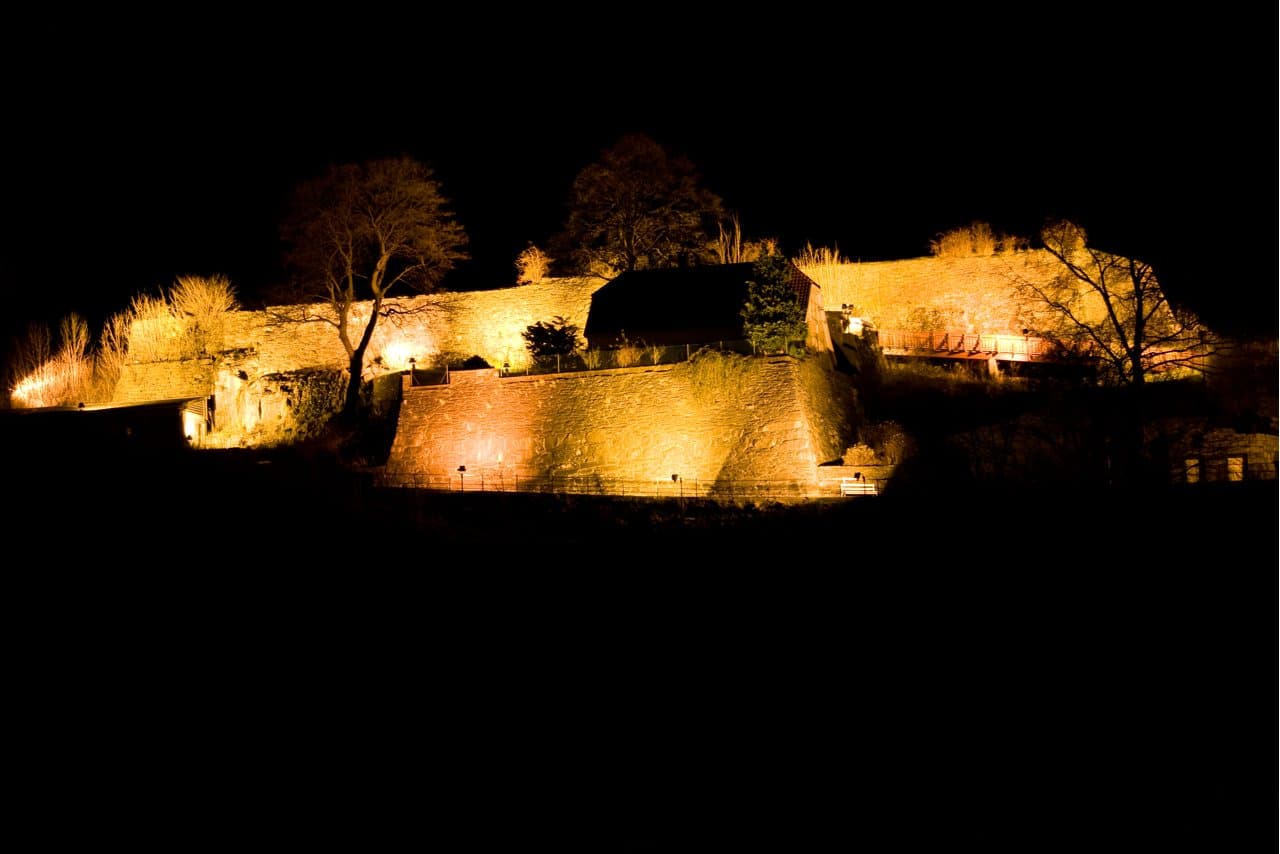
Sverresborg is classified as a bastioned fortress, a type of fortification characterized by angular bastions projecting from the walls, allowing defensive fire in multiple directions. This design was innovative for its time and reflected evolving military architecture in medieval Europe. The fortress included thick stone walls, ramparts, and a series of bastions strategically placed to cover all approaches.
The layout of Sverresborg incorporated a keep or central stronghold, surrounded by defensive walls and ditches. The bastions provided platforms for archers and later, artillery, enhancing the fortress's defensive capabilities. The use of natural topography was integral to its design, with steep slopes and rocky outcrops augmenting the man-made defenses.
Construction materials and techniques
The fortress was primarily built using locally sourced stone, which was expertly shaped and laid to form durable walls. Timber was used for internal structures such as floors, roofs, and gates. The masonry work demonstrates advanced medieval craftsmanship, with careful attention to both strength and aesthetics.
The fortress in later centuries
After its initial military use, Sverresborg's strategic importance declined with changes in warfare and political stability. Over time, parts of the fortress fell into disrepair, and it eventually became a ruin. However, archaeological excavations and preservation efforts have helped maintain its remains, allowing visitors to explore its historical footprint.
Today, Sverresborg stands as a well-preserved ruin and an important cultural heritage site in Bergen. It offers insights into medieval Norwegian military architecture and the historical context of the region's civil wars. The site is accessible to the public, featuring informational displays and walking paths that highlight its architectural features and historical significance.
Visiting Sverresborg
Visitors to Bergen can explore the fortress grounds year-round, with no entrance fee. The site provides panoramic views of the city and surrounding landscape, making it a popular destination for history enthusiasts and tourists. Interpretive signs and guided tours are available, offering detailed explanations of the fortress's construction, history, and role in Norwegian heritage.
Sverresborg's location near Bergen's city center makes it easily accessible by foot or public transportation. Nearby attractions include the Bergenhus Fortress and Bryggen Wharf, enhancing the historical experience of the area.
Frequently asked questions
- When was Sverresborg fortress built? Sverresborg was constructed in the 12th century during the high medieval period under King Sverre Sigurdsson's reign.
- What type of castle is Sverresborg? It is a bastioned fortress designed with angular bastions for enhanced defense.
- Is Sverresborg fortress open to visitors? Yes, the fortress grounds are open year-round with free admission.
- Where is Sverresborg located? The fortress is situated on a hilltop in Bergen, Norway, overlooking the city.
- What remains of Sverresborg today? The site consists of well-preserved ruins including stone walls, bastions, and foundations.
- Can I take guided tours at Sverresborg? Guided tours and informational displays are available to enhance the visitor experience.
- Why was Sverresborg built? It was built to serve as a military stronghold during the Norwegian civil wars and to assert royal power.
- What architectural style characterizes Sverresborg? Its design reflects medieval military architecture with bastioned fortifications.
- How do I get to Sverresborg? It is accessible by foot or public transport from Bergen city center.
Frequently asked questions (FAQ)
- When was Sverresborg fortress built?
- Sverresborg was constructed in the 12th century during the high medieval period under King Sverre Sigurdsson's reign.
- What type of castle is Sverresborg?
- It is a bastioned fortress designed with angular bastions for enhanced defense.
- Is Sverresborg fortress open to visitors?
- Yes, the fortress grounds are open year-round with free admission.
- Where is Sverresborg located?
- The fortress is situated on a hilltop in Bergen, Norway, overlooking the city.
- What remains of Sverresborg today?
- The site consists of well-preserved ruins including stone walls, bastions, and foundations.
- Can I take guided tours at Sverresborg?
- Guided tours and informational displays are available to enhance the visitor experience.
- Why was Sverresborg built?
- It was built to serve as a military stronghold during the Norwegian civil wars and to assert royal power.
- What architectural style characterizes Sverresborg?
- Its design reflects medieval military architecture with bastioned fortifications.
- How do I get to Sverresborg?
- It is accessible by foot or public transport from Bergen city center.
Photo gallery

Photo by Smtunli, Svein-Magne Tunli - http://www.tunliweb.no/SM/English/sm_eng.htm•CC BY-SA 3.0
Information
Loading map...
Visitor reviews
No reviews yet. Been here? Write the first review and help other travelers!
Write the first reviewVisited this castle? Share your experience
Your review helps other travelers and adds first-hand knowledge to our encyclopedia.