Suvarnadurg Fort
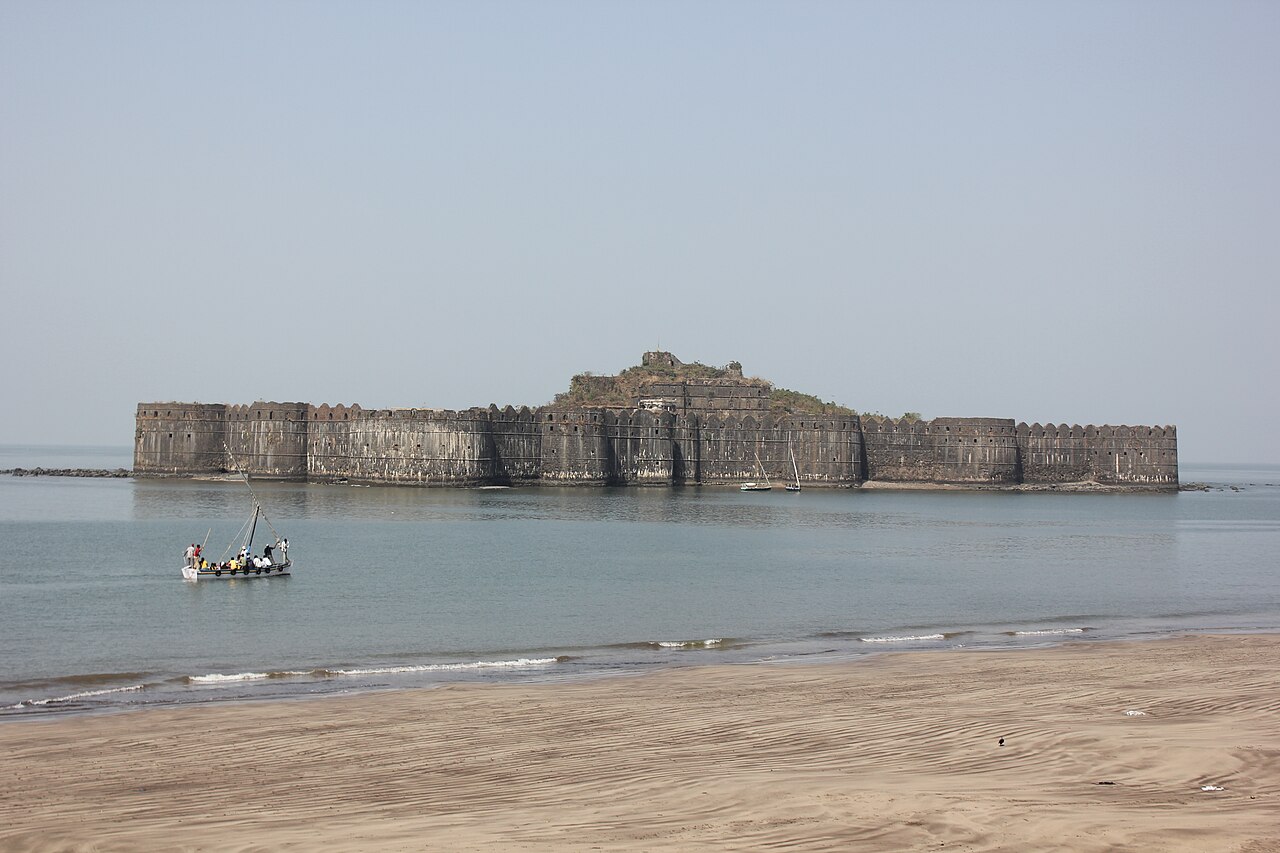
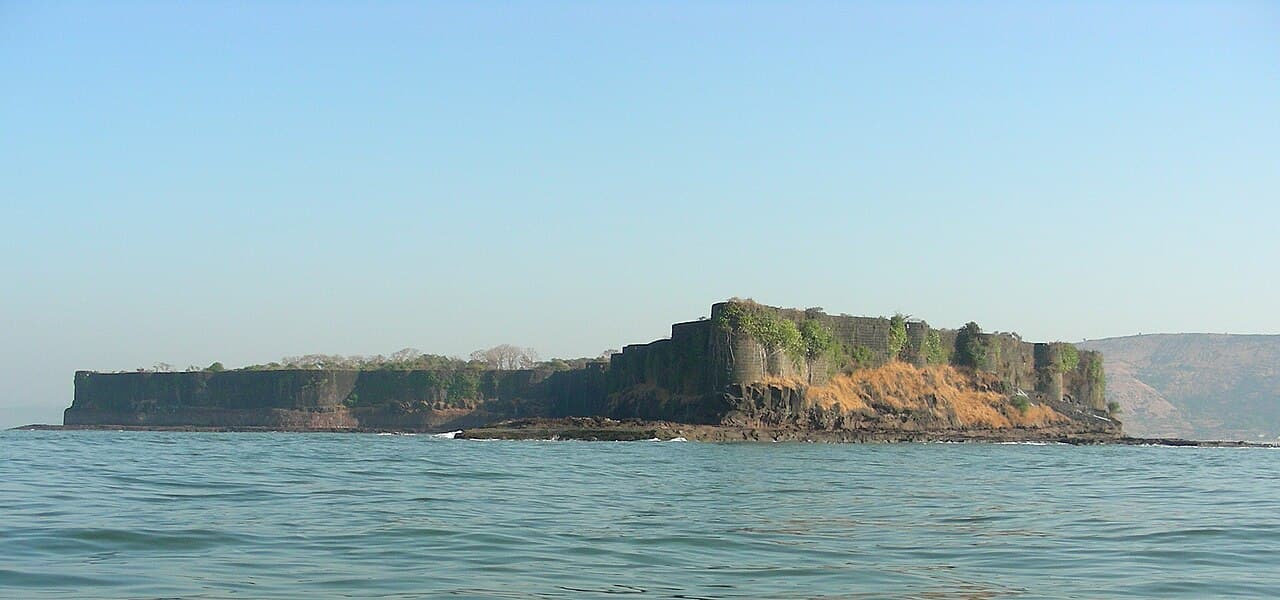
Suvarnadurg Fort, meaning "Golden Fort" in Marathi, is a historic bastioned fortress located on a small island in the Arabian Sea, near the village of Harnai in the Konkan region of Maharashtra, India. Positioned strategically along the western coast between Mumbai and Goa, this fort played a crucial role in maritime defense during the 17th century and beyond.
Historical background and strategic importance
The fort was originally constructed in the mid-17th century, with the founding attributed to Chhatrapati Shivaji Maharaj, the legendary founder of the Maratha Empire, around 1660. Suvarnadurg was built primarily as a naval fortification to counter threats from European colonial powers and rival local rulers. It was part of a network of forts designed to protect the coastline and secure maritime trade routes.
Before Shivaji's involvement, the Adilshahi Navy had established the fort to serve as a defense outpost and shipbuilding center. Later, the fort was reinforced and expanded by Shivaji, the Peshwas, and the Angre family, who were notable naval commanders under the Maratha regime. The fort was considered a "feather in the golden cap of the Marathas," symbolizing their naval strength and pride.
Architectural features and fortifications
Suvarnadurg is classified as a bastioned fortress, a style characterized by projecting bastions that allowed defenders to cover adjacent walls with cannon and musket fire. The fort's walls are robust and were designed to withstand naval bombardment and sieges. Its location on a small island made it naturally defensible, with steep rocky shores limiting access.
The fort complex originally included a shipbuilding facility, which was vital for maintaining the Maratha navy. The construction features thick stone walls, bastions, and parapets equipped with artillery placements. The fort's layout reflects the military engineering knowledge of the period, combining natural geographic advantages with man-made defenses.
Historically, there was a tunnel connecting Suvarnadurg to a nearby land fort called Kanakadurga Fort, situated at the base of the headland near Harnai port. This tunnel served as a secure passageway between the sea fort and the mainland fortifications, although it is no longer accessible today.
Kanakadurga Fort and its role
Kanakadurga Fort is a smaller land fort located on the coast adjacent to Suvarnadurg. It functioned as an important support fortification, guarding the approach to the sea fort and the harbor area. Kanakadurga was also fortified by Shivaji Maharaj and later by the Peshwas and Angres, enhancing the overall defensive network.
This fort features typical defensive elements such as thick walls, battlements, and watchtowers. Its proximity to Suvarnadurg allowed coordinated defense strategies against naval and land attacks.
Current status and visitor information
Today, Suvarnadurg Fort is a protected monument under the jurisdiction of the Archaeological Survey of India. The fort remains partially preserved, with many of its bastions and walls intact, though some sections have deteriorated over time due to exposure to the sea and weather.
Access to the fort is only possible by boat from Harnai port, as the original tunnel connection to the mainland no longer exists. Visitors can explore the fort's ramparts, bastions, and remnants of the shipbuilding facilities, gaining insight into the maritime history of the Maratha Empire.
The surrounding waters and coastal scenery add to the fort's appeal for tourists and history enthusiasts. Kanakadurga Fort can also be visited on the mainland, providing a complementary perspective on the region's defensive architecture.
Architectural and historical significance
Suvarnadurg Fort exemplifies the maritime military architecture of the Maratha period, showcasing the integration of natural island geography with bastioned fortifications. Its construction reflects the strategic foresight of Chhatrapati Shivaji Maharaj and his successors in establishing naval dominance along the western coast of India.
The fort's role in shipbuilding and coastal defense highlights the importance of naval power in the 17th and 18th centuries, especially in resisting European colonial advances. The fort stands as a symbol of Maratha resilience and maritime prowess.
Preservation challenges and cultural heritage
Being located on a small island exposed to the Arabian Sea, Suvarnadurg faces significant preservation challenges due to saltwater erosion, monsoon rains, and the natural wear of centuries-old stonework. Conservation efforts focus on stabilizing the remaining structures and protecting the site from further degradation.
As a protected monument, Suvarnadurg Fort contributes to the cultural heritage of Maharashtra and India, attracting scholars, historians, and tourists interested in maritime history and fort architecture.
Frequently asked questions (FAQ)
- How do I reach Suvarnadurg Fort?
- Suvarnadurg Fort is accessible only by boat from Harnai port, located on the mainland coast near the fort. Visitors need to arrange boat transport from Harnai to reach the island fort.
- What is the historical significance of Suvarnadurg Fort?
- Suvarnadurg Fort was built in the 17th century by Chhatrapati Shivaji Maharaj to protect the Maratha coastline and serve as a naval base. It played a key role in maritime defense against European colonial powers.
- Can I visit Kanakadurga Fort along with Suvarnadurg?
- Yes, Kanakadurga Fort is located on the mainland near Harnai port and can be visited together with Suvarnadurg. It served as a complementary land fortification to the sea fort.
- Is Suvarnadurg Fort well preserved?
- The fort is partially preserved with many bastions and walls intact, though some areas have deteriorated due to exposure to sea and weather conditions.
- When is the best time to visit Suvarnadurg Fort?
- The best time to visit Suvarnadurg Fort is during the cooler months from October to March when the weather is pleasant and the sea conditions are calm for boat travel.
Photo gallery

Information
Current owner
Archaeological Survey of India
Loading map...
Visitor reviews
No reviews yet. Been here? Write the first review and help other travelers!
Write the first reviewVisited this castle? Share your experience
Your review helps other travelers and adds first-hand knowledge to our encyclopedia.