Pratapgad — India castle

Pratapgad

Pratapgad fort: historic bastioned fortress in Maharashtra, India
Satara, Maharashtra, India
Renaissance (15th–17th c.)
Well Preserved

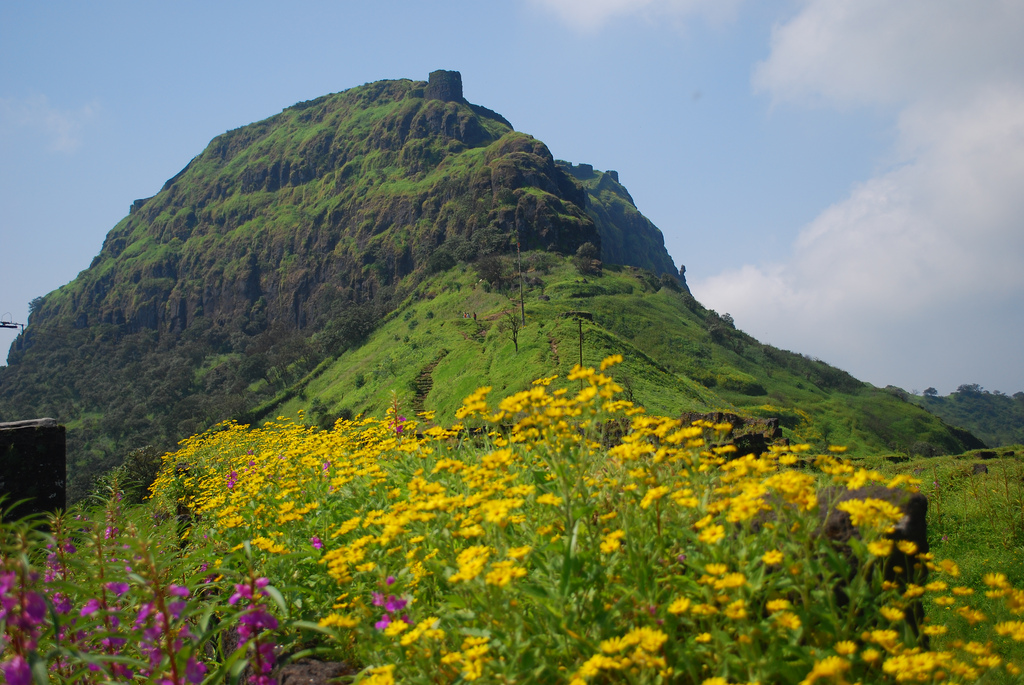
Pratapgad fort is a prominent bastioned fortress located in the Satara district of Maharashtra, India. Perched on a hilltop approximately 1,080 meters above sea level, it commands sweeping views of the surrounding Western Ghats landscape. The fort is situated about 24 kilometres from the Mahabaleshwar hill station, making it accessible to visitors interested in history and nature.

Historical significance and battle of Pratapgad

The fort is famously known for the Battle of Pratapgad fought on 10 November 1659. This decisive encounter was between the Maratha ruler Chhatrapati Shivaji Maharaj and the general of the Bijapur Sultanate, Afzal Khan. The battle marked a turning point in the establishment of the Maratha Empire, showcasing Shivaji's military acumen and strategic use of the fort's defensive features.

Architectural features and layout

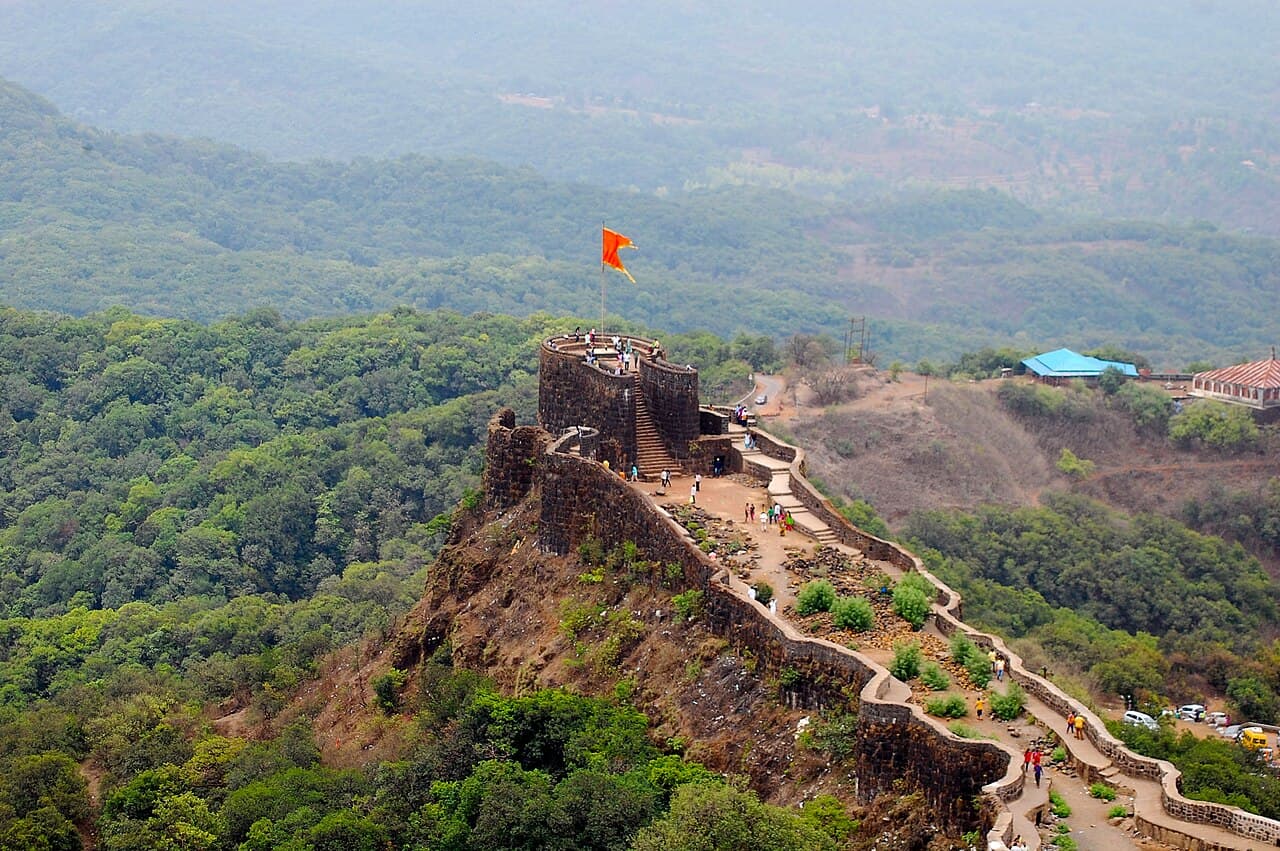
Pratapgad is a classic example of a bastioned fortress, designed for defense and control over the surrounding region. The fort is divided into two main sections: the lower fort and the upper fort. The lower fort contains the main entrance, which is fortified with high walls and guarded gates, providing a formidable barrier against attackers.

The upper fort houses several important structures including temples, a modern statue of Shivaji Maharaj, and various buildings that served administrative and residential purposes. The fort's design incorporates multiple watch towers and bastions, which were strategically placed to offer extensive visibility and defense capabilities.

Defensive elements

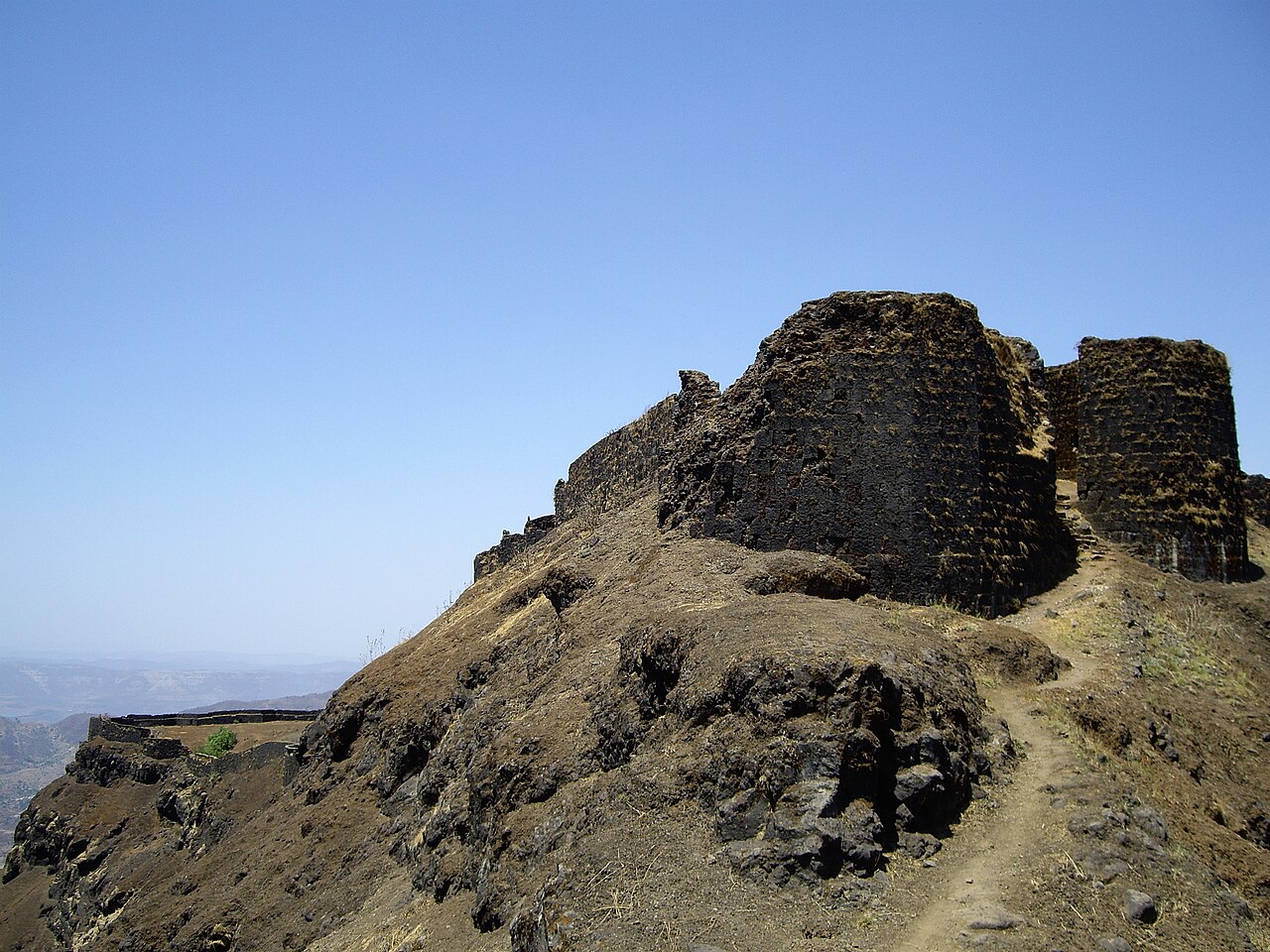
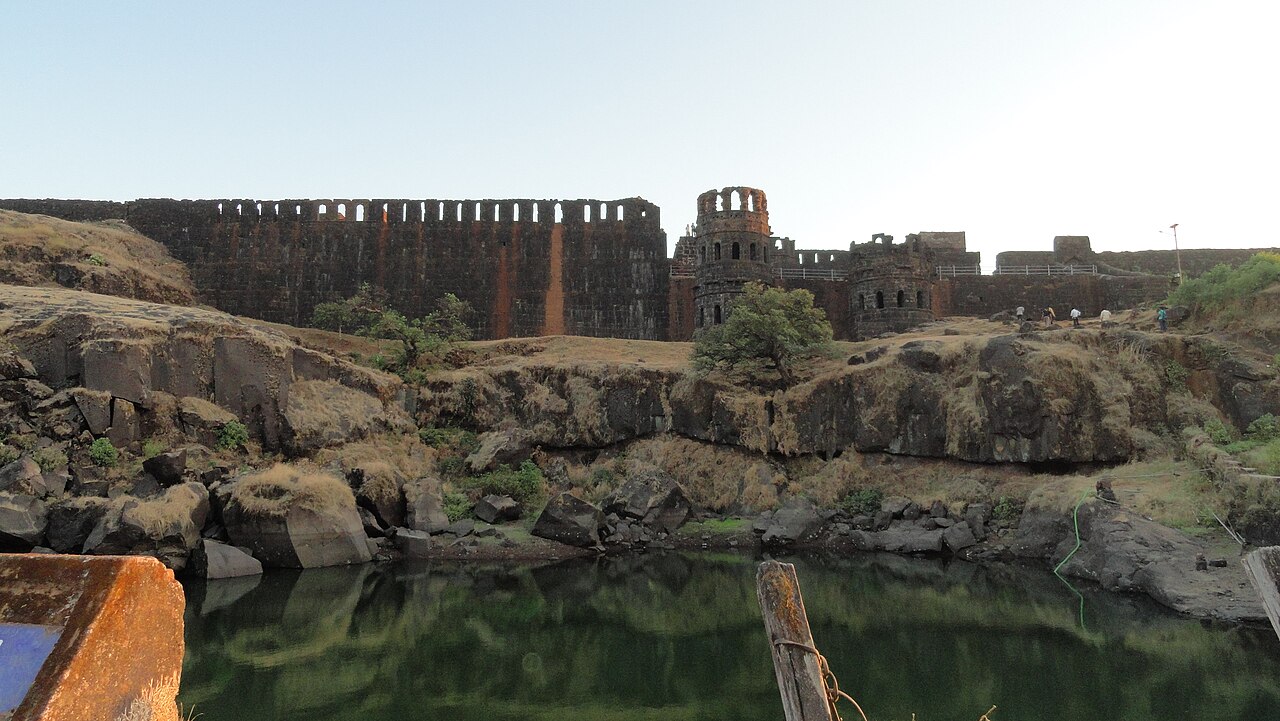
The fort's bastions are robust and positioned to cover all approaches, allowing defenders to repel enemy advances effectively. The walls are thick and constructed from local stone, designed to withstand artillery fire and siege tactics common in the 17th century.

Two main entrances provide controlled access, each protected by strong gates and defensive walls. The elevation of the fort on a hilltop further enhanced its defensive advantage, making it difficult for enemies to mount a surprise attack.

Construction and historical context

Pratapgad fort was constructed in the 17th century during the period of rising Maratha power in the region. The fort's construction reflects the military architectural styles of the time, adapted to the rugged terrain of the Western Ghats.

The fort played a critical role in the Maratha resistance against the Deccan Sultanates and later against the Mughal Empire, serving as a military base and a symbol of Maratha sovereignty.

Current status and tourism

Today, Pratapgad fort is a popular tourist destination attracting visitors interested in history, architecture, and scenic views. The fort is well preserved and accessible, with pathways leading to various parts of the complex.

Visitors can explore the temples, the statue of Shivaji Maharaj, and the bastions, gaining insight into the fort's strategic importance and architectural ingenuity. The surrounding natural environment adds to the experience, offering opportunities for trekking and photography.

Visiting tips

Tourists are advised to wear comfortable footwear due to the hilltop location and uneven terrain. The best time to visit is during the cooler months from October to February when the weather is pleasant.

Legacy and cultural importance

Pratapgad fort remains a symbol of Maratha pride and resilience. Its association with Chhatrapati Shivaji Maharaj and the historic battle enhances its cultural significance in Maharashtra and India.

The fort is often featured in educational materials and cultural narratives, preserving the legacy of the Maratha Empire's early struggles and triumphs.

Frequently asked questions (FAQ)

When was Pratapgad fort built?
Pratapgad fort was constructed in the 17th century during the rise of the Maratha Empire in western India.
What is the historical significance of Pratapgad fort?
The fort is famous for the Battle of Pratapgad in 1659, where Shivaji Maharaj defeated Afzal Khan, marking a key moment in Maratha history.
Can visitors explore the entire fort?
Yes, visitors can explore both the lower and upper parts of the fort, including temples, bastions, and the statue of Shivaji Maharaj.
What is the best time to visit Pratapgad fort?
The best time to visit is from October to February when the weather is cooler and more comfortable for trekking and sightseeing.
Is Pratapgad fort accessible for all visitors?
The fort involves some steep climbs and uneven terrain, so it may be challenging for visitors with mobility issues. Comfortable footwear is recommended.

Photo gallery

Pratapgad
Click to view

Photo by Neeraj Rane•CC BY-SA 4.0

1 photo • Click any image to view in full screen

Information

Bastioned Fortress

Current owner

Government of Maharashtra

Loading map...

Visitor reviews

No reviews yet. Been here? Write the first review and help other travelers!

Write the first review

Visited this castle? Share your experience

Your review helps other travelers and adds first-hand knowledge to our encyclopedia.
Write a review

(5/5)

0/2000 characters

Your review will be visible after admin approval

Nearby castles

36.1 km
Raigad Fort — India castle

Raigad Fort

, India

Raigad Fort, located in the Raigad district of Maharashtra, India, is a prominent hill fortress perched on the Sahyadri mountain range. It stands at an elevation of approximately 820 metres (2,700 feet) above sea level, offering commanding views of the surrounding landscape. Historically known as Rairee or Rairy Fort, it is recognized as one of the strongest and largest forts on the Deccan Plateau, covering an expansive area of about 1,200 acres, making it one of the largest forts in Asia. Historical significance and maratha legacy The fort holds exceptional historical importance as the capital of the Maratha Empire under the reign of Chhatrapati Shivaji Maharaj, the legendary 17th-century Maratha ruler. In 1674, following his coronation as king, Shivaji Maharaj declared Raigad as the seat of his Hindavi Swaraj, symbolizing Maratha sovereignty and independence from Mughal rule. This decision elevated Raigad to the political and military center of the Maratha kingdom. Shivaji Maharaj, with the assistance of his chief engineer Hiroji Indulkar, undertook the construction and enhancement of numerous fortifications and buildings within the fort complex. These developments included palaces, granaries, watchtowers, and defensive walls designed to withstand sieges and attacks, reflecting the military ingenuity of the time. Architectural features and fortifications Raigad Fort is classified as a hill castle with extensive fortifications that incorporate natural and man-made defenses. The fort's design takes advantage of the rugged terrain, with steep cliffs and ridges providing natural barriers against invaders. The fortifications include massive bastions, thick stone walls, and strategically placed gates that controlled access to the interior. The fort complex contains several notable structures, including the main palace of Shivaji Maharaj, the queen's quarters, granaries for food storage, and the Rajmadiraj hall where the king held court. The fort also housed a water reservoir, essential for sustaining its inhabitants during sieges, and a network of secret escape routes. Access to the fort historically was challenging due to its elevation and natural defenses. The original path involved climbing approximately 1,737 steps carved into the rock face, a demanding ascent that provided a defensive advantage. Today, visitors can also use the Raigad Ropeway, an aerial tramway extending 750 meters (2,460 feet) and reaching a height of 400 meters (1,300 feet), which significantly eases access to the fort. Life within the fort and population During its peak, Raigad Fort was home to around 1,550 residents, including soldiers, administrators, artisans, and their families. The average family size was approximately five members. The fort functioned as a self-sustaining community with facilities for governance, military operations, and daily living needs. The fort's location and design reflect its dual role as both a royal residence and a military stronghold. The presence of palatial structures alongside barracks and armories illustrates the integration of administrative and defensive functions. Cultural heritage and modern access Today, Raigad Fort is a significant cultural and historical site attracting tourists, historians, and devotees of Maratha heritage. It is preserved as a monument symbolizing Maratha pride and the legacy of Shivaji Maharaj. The fort's rugged beauty and historical importance make it a popular destination for trekking and cultural tourism. The fort is accessible via a steep climb or the modern ropeway, which was constructed to facilitate easier access for visitors. The ropeway journey takes approximately four minutes, providing spectacular aerial views of the surrounding hills and forests. Visitors to Raigad Fort can explore the ruins of the palaces, fortifications, and other structures, gaining insight into 17th-century fort construction and Maratha history. The site is managed to preserve its historical integrity while accommodating tourism. Geographical setting and strategic importance Situated in the Sahyadri mountain range, Raigad's elevated position was strategically chosen to oversee and control the surrounding territory. The fort's location allowed for early warning of approaching enemies and provided a defensible position that was difficult to assault. The natural terrain, combined with the man-made fortifications, made Raigad a formidable bastion during the Maratha period. Its position on the Deccan Plateau also enabled control over important trade routes and regional communications.

High Medieval (11th–13th c.)
Details
36.2 km
Rajgad Fort — India castle

Rajgad Fort

Pune district, India

Rajgad Fort, meaning "ruling fort," is a prominent hill fort located in the Pune district of Maharashtra, India. Formerly known as Murumbdev, it served as the first capital of the Maratha Empire under the leadership of Chhatrapati Shivaji Maharaj for nearly 26 years during the 17th century. The fort's strategic location and formidable natural defenses made it a vital stronghold in the rise of the Maratha power. Situated approximately 60 km southwest of Pune and about 15 km west of Nasrapur, Rajgad Fort is perched at an elevation of 1,376 meters (4,514 feet) above sea level in the rugged Sahyadri mountain range. The fort's vast base spans roughly 40 km in diameter, a scale that posed significant challenges to any besieging force, enhancing its defensive capabilities. This extensive area included multiple fortifications, palaces, water cisterns, and caves, which collectively supported the fort's function as a military and administrative center. Historical significance and role in the Maratha Empire Rajgad Fort holds a distinguished place in Indian history as the initial seat of the Maratha Empire founded by Shivaji Maharaj. The fort was originally known as Murumbdev before being renamed Rajgad. It was here that Shivaji consolidated his power, orchestrated military campaigns, and established administrative systems that laid the foundation for Maratha sovereignty. The fort served as the royal residence and the center of governance for over two decades until the capital was shifted to Raigad Fort. The fort's importance is further underscored by its association with several key events in Maratha history, including Shivaji's strategic planning and refuge during conflicts with the Mughal Empire and other regional powers. Rajgad's natural defenses, combined with man-made fortifications, made it a formidable bastion against invasions. Architectural features and layout Rajgad Fort exemplifies the traditional hill fort architecture of the Western Ghats region, characterized by rugged terrain and steep escarpments. The fort was built on the hill known as Murumbadevi Dongar, named after the local deity Murumba. Its design leveraged the natural topography to create multiple layers of defense. Fortifications and defensive structures The fort's perimeter was fortified with robust walls and bastions that followed the contours of the hill. Several gates controlled access, including the main gate, which was heavily fortified. The fortifications incorporated battlements and watchtowers that provided vantage points for surveillance and defense. The extensive use of stone masonry ensured durability against both natural erosion and military assaults. Palaces and residential quarters Within the fort's boundaries are the ruins of several palaces and residential buildings, which served as living quarters for Shivaji and his court. These structures included halls for administrative meetings and private chambers. The architecture reflected the functional needs of a royal residence combined with defensive considerations. Water management systems One of Rajgad's notable features is its sophisticated water management system. Numerous water cisterns and reservoirs were carved into the rock to collect and store rainwater, ensuring a reliable supply during sieges. This system was crucial for sustaining the fort's inhabitants through prolonged periods of isolation. Strategic importance and military use Rajgad's location on a hilltop provided commanding views of the surrounding region, allowing early detection of enemy movements. The fort's extensive size and difficult terrain made it challenging for enemies to mount successful sieges. Its natural and constructed defenses enabled it to withstand multiple attacks during the turbulent period of the 17th century. The fort also functioned as a military base for launching campaigns and as a refuge during emergencies. Its proximity to other forts like Torna, from which treasures were acquired to strengthen Rajgad, highlights its role within a larger network of Maratha fortifications. Present condition and cultural heritage status Today, Rajgad Fort stands in a state of ruins, with remnants of its palaces, walls, and water cisterns still visible. Despite its dilapidated condition, the site remains a significant cultural and historical landmark in Maharashtra. It attracts historians, trekkers, and tourists interested in Maratha history and fort architecture. In 2025, Rajgad Fort was inscribed as a component site of the Maratha Military Landscapes of India on the UNESCO World Heritage List. This recognition underscores its importance as part of India's military and architectural heritage. Access and tourism The fort is accessible via trekking routes from nearby towns such as Nasrapur. Visitors can explore the ruins and enjoy panoramic views of the Sahyadri range. The site offers insights into the strategic military architecture of the Maratha period and the life of Shivaji Maharaj. While the fort is in ruins, efforts to preserve and maintain the site continue, highlighting its value as a historical monument and tourist attraction.

High Medieval (11th–13th c.)
Details
38.1 km
Torna Fort — India castle

Torna Fort

, India

Torna Fort, also known as Prachandagad, stands as a monumental example of hill fort architecture in the Pune district of Maharashtra, India. This imposing fortification is historically celebrated as the first fort captured by the legendary Chhatrapati Shivaji Maharaj in 1646, marking a significant milestone in the establishment of the Maratha Empire. At an elevation of 1,403 metres (4,603 feet) above sea level, it is the highest hill fort in the district, commanding expansive views of the surrounding landscape. Historical significance and early history The fort's original name, Prachandagad, derives from the Marathi words "Prachanda," meaning huge or massive, and "gad," meaning fort, underscoring its formidable size and strategic importance. Torna Fort's history predates Shivaji's capture, with evidence suggesting it was a stronghold under various rulers due to its commanding vantage point and natural defenses. Its capture by Shivaji Maharaj at the young age of 16 was a pivotal event that laid the foundation for his military campaigns and the eventual rise of the Maratha Empire. Architectural features and fortifications Torna Fort is classified as a bastioned fortress, a style characterized by strong defensive walls reinforced with bastions—projecting structures that allow defenders to cover adjacent walls with gunfire. The fort's design takes full advantage of its elevated position atop a hill, integrating natural rock formations with man-made fortifications to create a nearly impregnable defense system. walls and bastions The fort's walls are constructed from locally sourced stone, thick and high, designed to withstand sieges and artillery attacks common in the 17th century. The bastions are strategically placed to provide overlapping fields of fire, protecting the main entrances and vulnerable sections of the fort. These bastions also served as platforms for cannons and other artillery, enhancing the fort's defensive capabilities. Gates and entryways Access to Torna Fort is controlled through a series of fortified gates, each designed to slow down and expose attackers. The main gate is heavily fortified with strong wooden doors reinforced with iron spikes, a common defensive feature in Indian hill forts. The approach to the fort involves steep, winding paths that further hinder enemy advancement. Internal structures Inside the fort, remnants of various structures hint at its former role as a military and administrative center. These include the ruins of barracks, water tanks, granaries, and temples, which provided essential services to the garrison and inhabitants. The presence of water tanks is particularly notable, as they ensured a reliable water supply during sieges. Strategic location and natural defenses Situated on the Sahyadri mountain range, Torna Fort benefits from natural defenses such as steep cliffs and dense forests. Its height offers a commanding view over the surrounding region, allowing early detection of approaching enemies. The fort's location also enabled control over important trade routes and communication lines, adding to its strategic value. Cultural and heritage importance Torna Fort remains a symbol of Maratha pride and resilience. It attracts historians, trekkers, and tourists interested in exploring its rugged terrain and rich history. The fort's association with Shivaji Maharaj enhances its cultural significance, making it a site of pilgrimage and historical education. Trekking and tourism The fort is a popular trekking destination, offering challenging trails through diverse terrain. Visitors can explore the fort's ruins while enjoying panoramic views of the Western Ghats. Efforts to preserve the fort have helped maintain its structural integrity, allowing for safe exploration. Preservation status Currently, Torna Fort is in a partially preserved state, with ongoing conservation efforts aimed at protecting its walls and internal structures. The fort is managed by local authorities and heritage organizations committed to maintaining its historical and architectural legacy.

Details