Susedgrad — Croatia castle

Susedgrad

Susedgrad Castle: medieval fortress ruins near Zagreb, Croatia
Zagreb, Croatia
Late Medieval (14th–15th c.)
Ruins

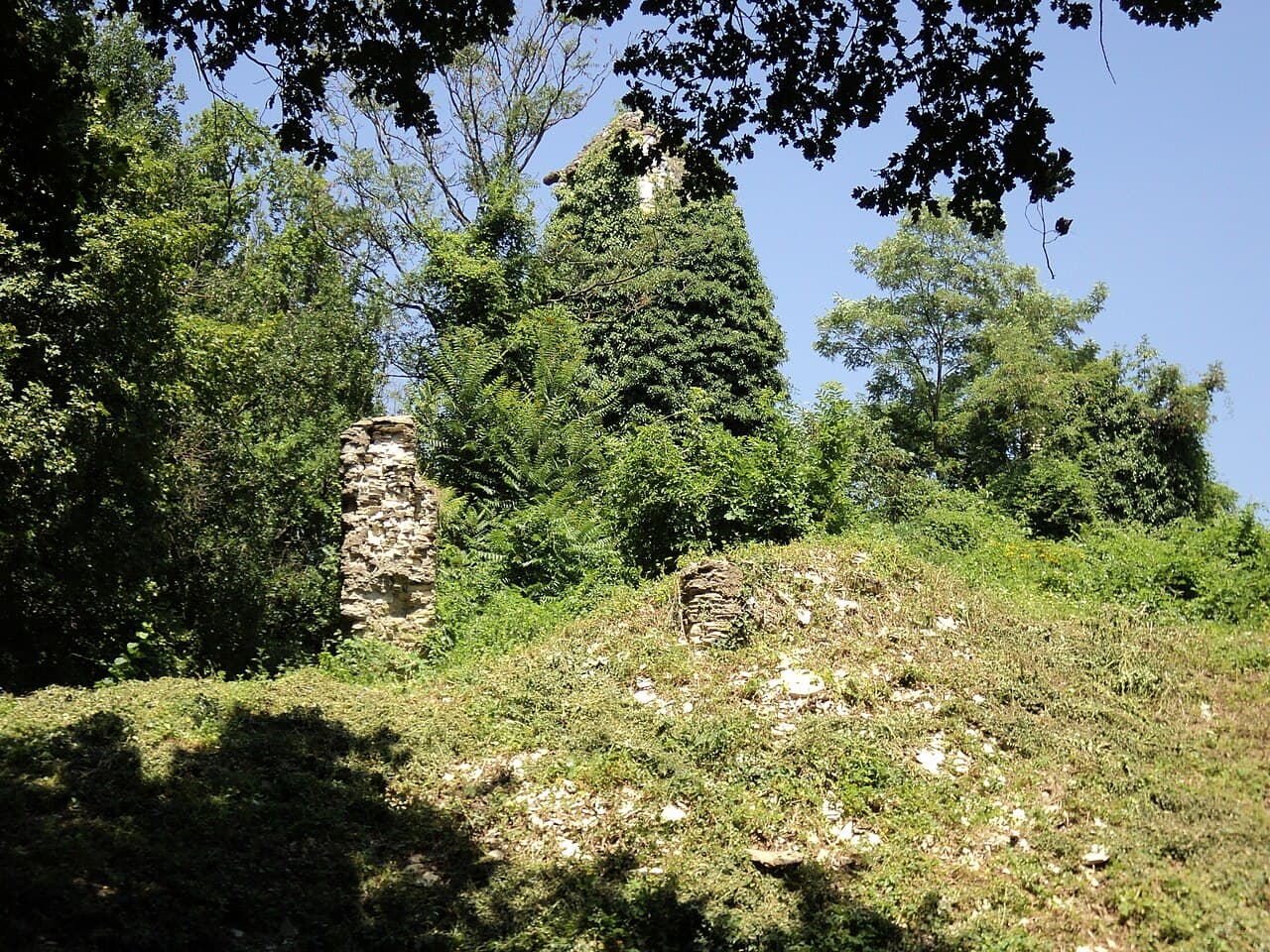
Susedgrad Castle, also known historically as Szomszédvár in Hungarian, is a medieval fortress ruin located on the far-western slopes of Mount Medvednica, marking the western boundary of modern-day Zagreb, Croatia. Constructed in the 14th century, this castle played a significant role in the defense system protecting the region during the late medieval period.

Historical background and strategic importance

The castle's origins date back to the late medieval era, built as a stronghold to guard the approaches to Zagreb and control the surrounding territory. Its position on the western hill of Medvednica provided a commanding view over the plains and routes leading into the city, making it a key defensive point against invasions and raids. Throughout its history, Susedgrad was involved in various conflicts and ownership disputes, reflecting the turbulent political landscape of medieval Croatia.

Architectural features and layout

Susedgrad Castle was constructed primarily as a hill castle, utilizing the natural topography of the steep western slopes of Medvednica to enhance its defensive capabilities. The fortress consisted of multiple defensive walls, towers, and a fortified gate. Although now in ruins, archaeological studies have revealed the remains of its stone walls, battlements, and foundations of residential and military buildings within the castle complex.

Defensive structures

The castle's fortifications included thick stone walls designed to withstand sieges, with strategically placed towers that provided vantage points for surveillance and archery. The layout followed typical late medieval military architecture principles, focusing on defense and control of access routes. The steep terrain itself acted as a natural barrier, supplemented by man-made fortifications.

Residential and functional areas

Within the castle's walls were living quarters, storage rooms, and possibly a chapel, serving the needs of the garrison and the noble family that occupied it. The remains suggest a compact but functional layout typical of hilltop fortresses from the period.

Decline and current condition

Over the centuries, Susedgrad Castle gradually fell into disuse and ruin, particularly after the introduction of new military technologies and changing political circumstances in the region. Today, it stands as archaeological ruins, with only portions of the original structures still visible. The site is accessible to visitors interested in medieval history and archaeology, offering panoramic views of the surrounding landscape.

Preservation and cultural significance

Although in ruins, Susedgrad Castle remains an important cultural and historical landmark near Zagreb. Efforts have been made to preserve the site and conduct archaeological research to better understand its construction, use, and role in Croatian medieval defense systems. The castle is a point of interest for historians, tourists, and locals alike, symbolizing the medieval heritage of the region.

Visiting Susedgrad Castle

Visitors to Susedgrad can explore the ruins and enjoy the natural surroundings of Mount Medvednica. The site offers hiking opportunities and scenic views, making it a popular destination for those interested in history and outdoor activities. While facilities are minimal due to its status as ruins, informational signage provides context about the castle's history and architecture.

Access and best time to visit

The castle is reachable via hiking trails from Zagreb and nearby areas, best visited during spring to autumn when weather conditions are favorable. Visitors should wear appropriate footwear for uneven terrain and be prepared for a moderate hike.

Nearby attractions

Mount Medvednica is home to other historical sites and natural parks, including the Medvedgrad Castle ruins and the Medvednica Nature Park, offering a rich experience combining cultural heritage and nature.

Frequently asked questions (FAQ)

How do I get to Susedgrad Castle?
Susedgrad Castle is located just outside of Zagreb, Croatia, making it easily accessible by car or public transport. If you're traveling by car, you can take the D1 road, and there is parking available nearby. Public buses also run from the city center, providing a convenient option for visitors.
What is the historical significance of Susedgrad Castle?
Susedgrad Castle dates back to the 13th century and played a crucial role in the defense of the region during the medieval period. It is one of the few well-preserved fortifications in Croatia, reflecting the architectural style and military strategies of its time. The castle's history is intertwined with the development of Zagreb and the surrounding areas.
When was Susedgrad Castle built?
Construction of Susedgrad Castle began in the early 13th century, specifically around the year 1254. Over the centuries, it underwent various renovations and expansions, adapting to the changing needs of its inhabitants. The castle's enduring structure showcases the evolution of medieval architecture in Croatia.
Can I visit Susedgrad Castle year-round?
Yes, Susedgrad Castle is open to visitors throughout the year, although hours may vary depending on the season. It is advisable to check the castle's official website or contact local tourist information for the most current opening hours. Special events and guided tours are often available, enhancing the visitor experience.
Why is Susedgrad Castle a popular attraction?
Susedgrad Castle is popular for its rich history, stunning architecture, and picturesque surroundings. Visitors are drawn to its beautiful views of the countryside and the opportunity to explore its well-preserved fortifications. The castle also hosts various cultural events, making it a vibrant part of the local community.
Is it possible to take guided tours of Susedgrad Castle?
Yes, guided tours are available at Susedgrad Castle, providing visitors with in-depth knowledge about its history and architecture. These tours often highlight significant features of the castle and share fascinating stories from its past. It is recommended to book in advance, especially during peak tourist seasons.
What are the ticket prices for Susedgrad Castle?
Ticket prices for Susedgrad Castle are quite reasonable, with discounts available for students, seniors, and children. Adult tickets typically cost around 50 HRK, while discounts can reduce the price significantly. Check the castle's official website for current pricing and any promotional offers.
What is the best time to visit Susedgrad Castle?
The best time to visit Susedgrad Castle is during the spring and early autumn months when the weather is pleasant and the landscape is particularly beautiful. Summer can be warm, but it also brings a lively atmosphere with various events. Visiting during weekdays may help you avoid larger crowds.
Are there any nearby attractions to visit along with Susedgrad Castle?
Yes, there are several nearby attractions worth exploring, including the scenic Medvednica Mountain and the historic city of Zagreb itself. Other local sights include charming villages and natural parks, offering opportunities for hiking and outdoor activities. Combining your visit to Susedgrad Castle with these attractions makes for a full and enriching experience.

Photo gallery

Susedgrad
Click to view

Photo by Flammard•CC BY-SA 3.0

1 photo • Click any image to view in full screen

Information

Archaeological Site / Ruins

Current owner

Municipality of Zagreb

Loading map...

Visitor reviews

No reviews yet. Been here? Write the first review and help other travelers!

Write the first review

Visited this castle? Share your experience

Your review helps other travelers and adds first-hand knowledge to our encyclopedia.
Write a review

(5/5)

0/2000 characters

Your review will be visible after admin approval

Nearby castles

6 km
Novi Dvori of Zaprešić — Croatia castle

Novi Dvori of Zaprešić

, Croatia

Novi Dvori of Zaprešić, also known as Novi Dvori of Jelačić, is a notable Renaissance feudal estate located in the northwestern part of Zaprešić, Croatia. Established in the 17th century, this estate encompasses a castle along with several historically significant auxiliary structures that reflect its agricultural and noble heritage. The architectural ensemble of Novi Dvori The estate is composed of several key elements that together form a unique historical complex. The centerpiece is the Renaissance castle, which served as the residence and administrative center for the noble family that owned the estate. Adjacent to the castle is an old granary, which has been carefully renovated and repurposed as a museum, preserving and showcasing the region's agricultural history and the estate's role in local feudal society. Another distinctive feature of the estate is the circular threshing machine, an agricultural structure that highlights the estate's functional past. This rare surviving example of traditional farming technology provides insight into the historical methods of grain processing used on the estate. The estate also includes a neo-Gothic chapel, a later architectural addition that adds a religious and stylistic dimension to the site. This chapel is notable for its characteristic pointed arches, ribbed vaults, and decorative elements typical of the neo-Gothic architectural style, reflecting the 19th-century revival of medieval Gothic motifs. Completing the ensemble is the Jelačić family tomb, which serves as the final resting place for members of the prominent Jelačić family, historically significant owners of the estate. This tomb is an important cultural and historical monument, linking the estate to the broader history of Croatian nobility. Historical significance and ownership The estate gained particular prominence under the ownership of the Jelačić family, a noble lineage with considerable influence in Croatian history. The family's stewardship of Novi Dvori helped shape the estate's development and its architectural evolution over the centuries. Throughout its history, Novi Dvori has served multiple roles, from a fortified noble residence to an agricultural hub, reflecting broader social and economic changes in the region. Its preservation today allows visitors to explore these layers of history and understand the estate's role within the context of Croatian feudal and rural life. Architectural features and style The castle itself is a fine example of Renaissance architecture adapted to a feudal estate setting. Its design balances defensive features with residential comfort, typical of the period's noble residences. The presence of the neo-Gothic chapel adds a stylistic contrast, illustrating the estate's architectural evolution into the 19th century. The estate's layout includes courtyards and outbuildings arranged to support both the noble household and agricultural activities. The integration of functional structures like the granary and threshing machine within the estate grounds reflects the dual residential and economic nature of such properties. Preservation and current status Novi Dvori is currently well-preserved and accessible to the public, with the granary museum providing educational exhibits about the estate's agricultural past and the region's history. The estate is managed to maintain its historical integrity while serving as a cultural site for visitors interested in Croatian heritage. The neo-Gothic chapel and Jelačić family tomb remain important heritage landmarks within the estate, attracting attention for their architectural and historical value. Preservation efforts ensure that these structures continue to convey the estate's rich past to future generations. Visiting Novi Dvori Visitors to Novi Dvori can explore the castle grounds, the museum in the renovated granary, and the chapel, gaining insight into the estate's multifaceted history. The site offers a unique glimpse into 17th-century Renaissance architecture combined with later 19th-century neo-Gothic additions, set within the Croatian cultural landscape. The estate's location in Zaprešić makes it accessible for day trips from Zagreb and other nearby cities, providing an opportunity to experience a well-preserved example of Croatian feudal architecture and rural heritage.

Renaissance (15th–17th c.)
Details
10.1 km
Medvedgrad — Croatia castle

Medvedgrad

Zagreb, Croatia

Medvedgrad is a notable medieval fortified town situated approximately 10 km north of Zagreb, the capital of Croatia. This hill castle was constructed in the 13th century on the southern slopes of the Medvednica mountain, specifically on a hill known as Mali Plazur. This strategic location provided a commanding view over the city of Zagreb and the surrounding landscape, making it an important defensive stronghold during the High Medieval period.The castle's placement on a spur of the main mountain ridge allowed it to serve as a critical point of defense against invaders approaching from the north. Its elevated position ensured visibility over a wide area, and on clear days, the imposing silhouette of Medvedgrad's main tower can be seen from a considerable distance, symbolizing its enduring presence in the region.Historical context and constructionMedvedgrad was built during a time when fortifications were essential for protecting territories and asserting control. The castle was designed as a fortified town, combining military and residential functions. Its construction reflects the architectural and defensive needs of the High Medieval era, emphasizing robust walls, battlements, and a central tower that served both as a lookout and a last refuge during attacks.The castle's name, meaning "bear-town" in Croatian, and its Hungarian equivalent, Medvevár, highlight the cultural influences and the strategic importance of the site in the broader region during the medieval period.Architectural features and layoutMedvedgrad's architecture is typical of hill castles from the medieval period, designed to maximize natural defensive advantages. The castle complex includes a high main tower, which dominates the skyline and served as a key defensive and observational structure. Surrounding the tower are thick stone walls with battlements, designed to withstand sieges and attacks.The castle layout includes various chambers, courtyards, and defensive works that supported both military operations and daily life within the fortress. The use of local stone materials and the adaptation to the mountainous terrain are notable aspects of its construction.Modern significance and memorialsBelow the main tower of Medvedgrad lies the Oltar Domovine (Altar of the homeland), a memorial dedicated to Croatian soldiers who lost their lives in the Croatian War of Independence. This altar was created by the sculptor Kuzma Kovačić and was officially opened by Croatian President Franjo Tuđman on May 30, 1994.This addition to the castle grounds connects the medieval fortress with modern Croatian national identity and remembrance, making Medvedgrad not only a historical site but also a place of contemporary cultural significance.Visiting MedvedgradToday, Medvedgrad stands as a partially preserved medieval fortress that attracts visitors interested in history, architecture, and panoramic views of Zagreb and the surrounding landscape. Its location on Medvednica mountain offers hiking opportunities and a chance to explore Croatian medieval heritage in a natural setting.The castle's accessibility and the presence of memorials provide a multifaceted experience for tourists, combining historical exploration with reflection on Croatia's recent past.

High Medieval (11th–13th c.)
Details
10.6 km
Samobor Castle — Croatia castle

Samobor Castle

Samobor, Croatia

Samobor Castle stands as a remarkable historical monument in Zagreb County, Croatia, perched on a hill overlooking the medieval market town of Samobor. Constructed between 1260 and 1264 by supporters of the Czech king Otokar II of Bohemia, the castle was strategically placed above key crossroads in the northwestern corner of the Sava valley. This location was vital during the turbulent High Medieval period when Otokar II sought to extend his influence to the Adriatic Sea and fortify the frontier against Hungarian forces. The original fortress was a robust stone structure built on solid rock with an irregular, indented layout comprising three main parts. The central core is the oldest section, featuring a high guard tower in the southeastern part, which remains partially intact as a ruin and is the only surviving element from the original Otokar castle. Adjacent to this tower is a semicircular tower housing a small Gothic chapel of St. Ana, dating from the early 16th century, illustrating the castle's evolving religious and residential functions over time. Medieval origins and strategic significance The castle's initial construction was closely tied to the military and political conflicts of the 13th century, particularly the war between Otokar II and Hungarian king Stephen V. Shortly after its completion, Croatian-Hungarian forces under the command of the duke of Okić recaptured the fortress. In recognition of his service, the duke was granted the city of Samobor along with tax collection privileges, marking the castle's role as a center of local power and administration. Throughout the Middle Ages, the castle changed hands among several noble families and rulers, including the Babonići, Counts Celjski, King Matija Korvin, and the Frankopan family. These transitions reflect the castle's importance as a feudal stronghold and its integration into the broader political landscape of medieval Croatia and Hungary. Architectural evolution and expansions In the early 16th century, significant modifications transformed the fortress. The castle's core was expanded northwards, creating an elongated trapezoidal courtyard enclosed by a strong defensive wall. At the courtyard's ends, pentagonal towers were added to enhance fortifications, adapting the castle to evolving military technologies and threats. This period also saw the construction of the Gothic chapel of St. Ana, which adds a unique religious and architectural dimension to the site. During the 17th and 18th centuries, the castle underwent further upgrades, transitioning from a purely defensive fortress to a more comfortable countryside residence. The addition of a three-storey house on the southern side, featuring facades divided by Tuscan columned porches, exemplifies the Baroque architectural style that influenced the castle's later appearance. The interior of this residence was richly equipped, indicating the castle's new role as a noble estate rather than a military bastion. Decline and preservation efforts By the late 18th century, the castle was abandoned by its last residents, initiating a gradual decline. The roofs were left to decay, floors collapsed, and walls suffered damage from exposure to rain, snow, and ice. Despite its deterioration, the castle remained a significant cultural landmark. In the early 20th century, local initiatives sought to preserve the castle ruins. Since 1902, the municipality of Samobor has owned the site and surrounding forest land. The founding of the ŠIŠMIŠ Sports Society marked a turning point, as the group aimed to protect the ruins and foster community engagement. Efforts included the reconstruction of the five-o'clock tower and plans to establish a museum within the castle, although these were interrupted by subsequent damage. Archaeological work in the 1940s uncovered architectural fragments, leading to conservation projects funded by the Zagreb Conservation Department in 2009. Restoration has been limited, with only the chapel walls renovated using original stones, cement, and slaked lime to maintain historical authenticity. Architectural features and layout The castle's layout reflects its dual function as a fortress and noble residence. The central core with the high guard tower served defensive purposes, while the trapezoidal courtyard and pentagonal towers provided strong fortifications. The Gothic chapel adds spiritual significance, and the Baroque residential building with Tuscan porches highlights the castle's adaptation to peaceful noble living. Today, Samobor Castle remains a picturesque ruin above the Vugrinščak creek in the city center, offering visitors a glimpse into Croatia's medieval and Baroque heritage. Its enduring stone walls and towers evoke the complex history of regional power struggles, architectural evolution, and cultural transformation over seven centuries. The five-o'clock tower and defensive role The five-o'clock tower was a notable feature designed to protect the entrance to the slope leading to Rudama (Rudarska draga) and the western approach to the city. Although it did not significantly strengthen the castle's overall defenses, its strategic position served as a warning to the citizens and feudal lords of Samobor, who often clashed. The tower's northern walls reached heights of 18 meters, with topographical openings and loopholes on the first floor and larger windows on the second floor, illustrating its defensive and observational functions. Historical ownership and influence Over centuries, the castle passed through many hands, including the Babonići, Counts Celjski, King Matija Korvin, Barbara Frankopan, Ivan Hening Susedgradski, the Ungnad family, Erdödy family, Auersperg family, and later the Kulmer, Kiepach, Allnoch, and Montecuccoli families. Each owner contributed to the castle's architectural and cultural legacy, reflecting the shifting political and social dynamics of the region. Cultural significance and tourism Today, Samobor Castle is a cherished cultural monument and a popular tourist attraction. Its ruins offer insights into medieval fortification techniques and Baroque residential architecture. Visitors can explore the remains of towers, walls, and the chapel, enjoying panoramic views of Samobor and the surrounding landscape. Preservation efforts continue to protect this historic site for future generations.

High Medieval (11th–13th c.)
Details