Medvedgrad
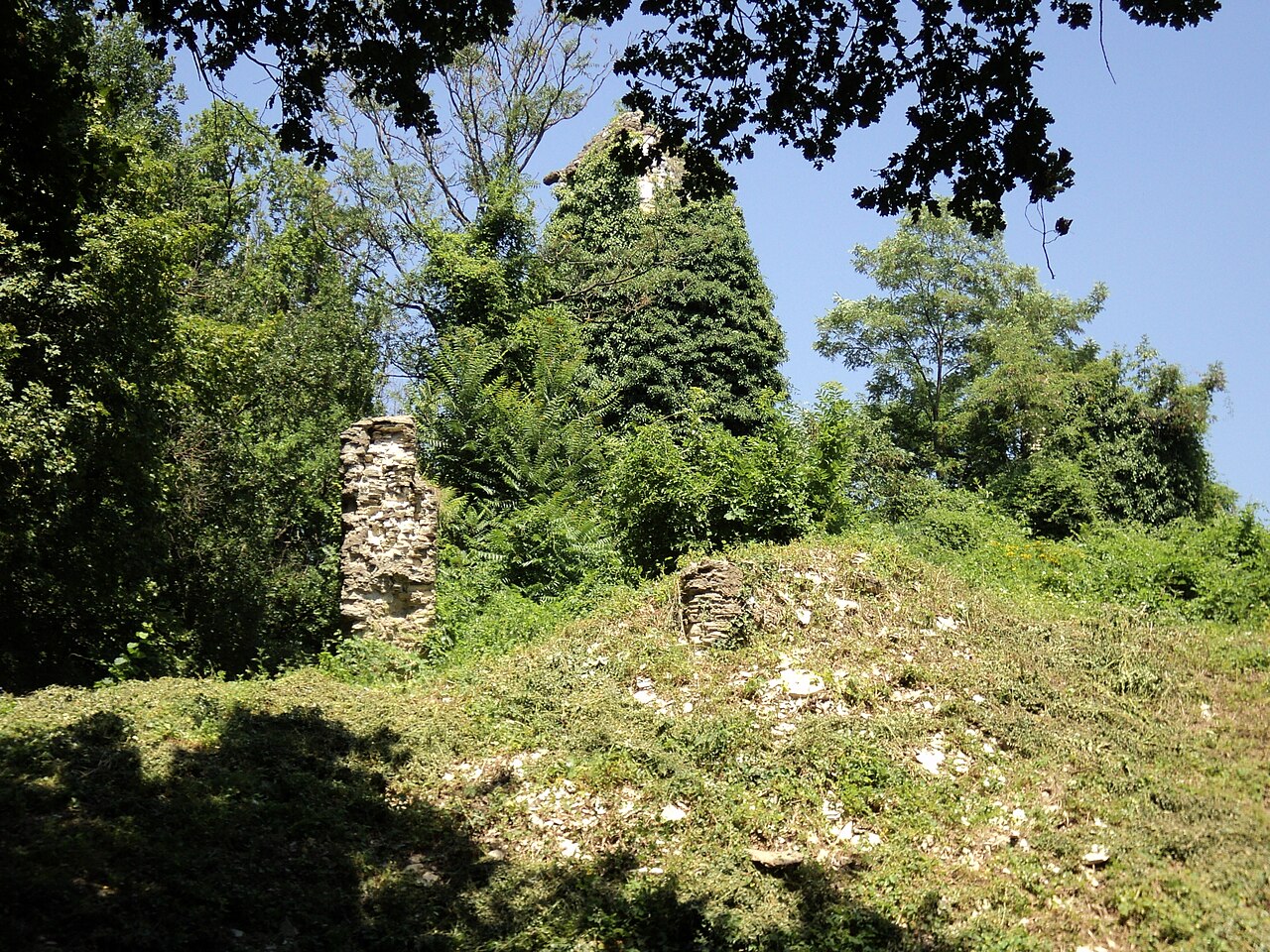
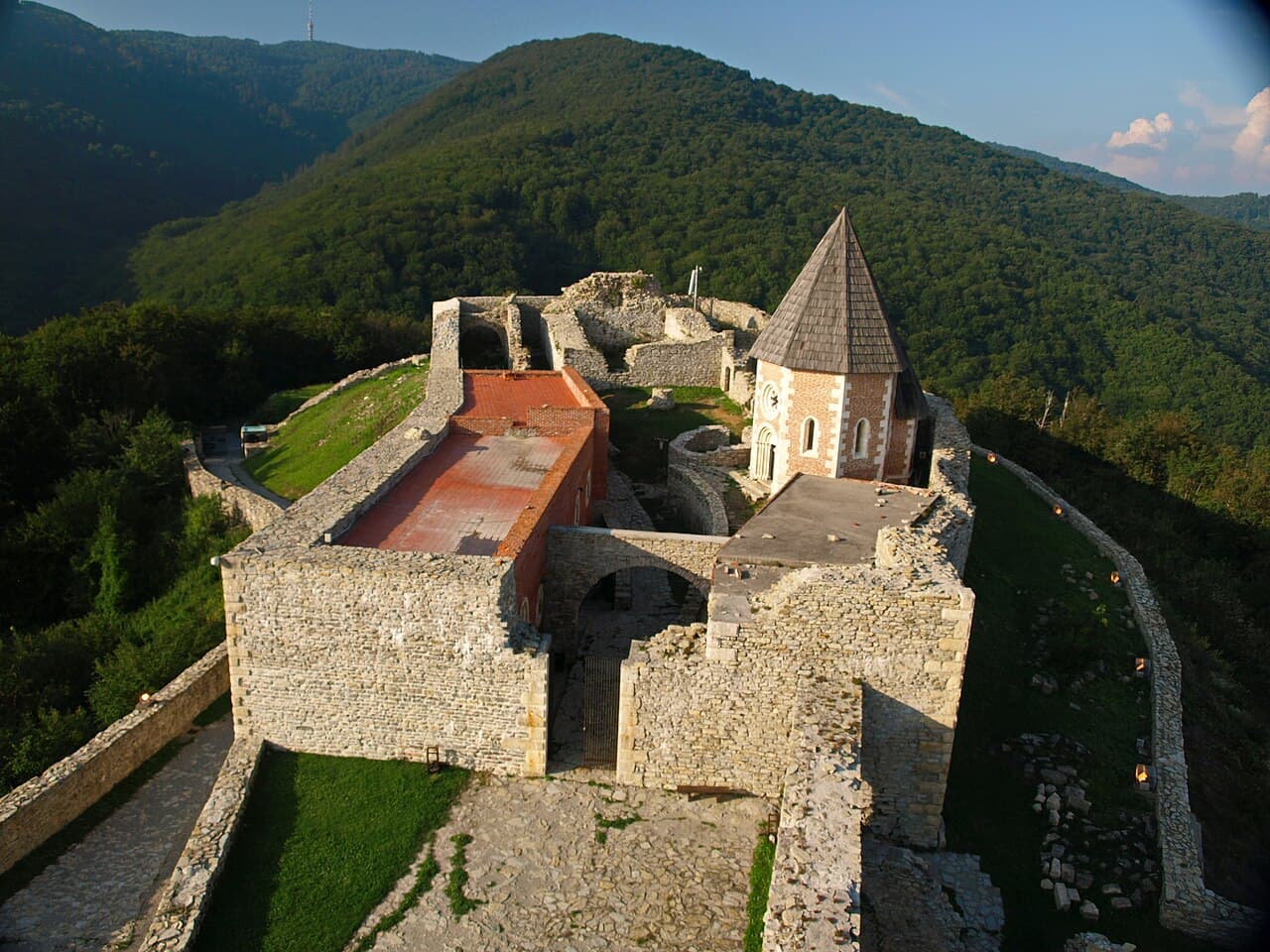
Medvedgrad is a notable medieval fortified town situated approximately 10 km north of Zagreb, the capital of Croatia. This hill castle was constructed in the 13th century on the southern slopes of the Medvednica mountain, specifically on a hill known as Mali Plazur. This strategic location provided a commanding view over the city of Zagreb and the surrounding landscape, making it an important defensive stronghold during the High Medieval period.
The castle's placement on a spur of the main mountain ridge allowed it to serve as a critical point of defense against invaders approaching from the north. Its elevated position ensured visibility over a wide area, and on clear days, the imposing silhouette of Medvedgrad's main tower can be seen from a considerable distance, symbolizing its enduring presence in the region.
Historical context and construction
Medvedgrad was built during a time when fortifications were essential for protecting territories and asserting control. The castle was designed as a fortified town, combining military and residential functions. Its construction reflects the architectural and defensive needs of the High Medieval era, emphasizing robust walls, battlements, and a central tower that served both as a lookout and a last refuge during attacks.
The castle's name, meaning "bear-town" in Croatian, and its Hungarian equivalent, Medvevár, highlight the cultural influences and the strategic importance of the site in the broader region during the medieval period.
Architectural features and layout
Medvedgrad's architecture is typical of hill castles from the medieval period, designed to maximize natural defensive advantages. The castle complex includes a high main tower, which dominates the skyline and served as a key defensive and observational structure. Surrounding the tower are thick stone walls with battlements, designed to withstand sieges and attacks.
The castle layout includes various chambers, courtyards, and defensive works that supported both military operations and daily life within the fortress. The use of local stone materials and the adaptation to the mountainous terrain are notable aspects of its construction.
Modern significance and memorials
Below the main tower of Medvedgrad lies the Oltar Domovine (Altar of the homeland), a memorial dedicated to Croatian soldiers who lost their lives in the Croatian War of Independence. This altar was created by the sculptor Kuzma Kovačić and was officially opened by Croatian President Franjo Tuđman on May 30, 1994.
This addition to the castle grounds connects the medieval fortress with modern Croatian national identity and remembrance, making Medvedgrad not only a historical site but also a place of contemporary cultural significance.
Visiting Medvedgrad
Today, Medvedgrad stands as a partially preserved medieval fortress that attracts visitors interested in history, architecture, and panoramic views of Zagreb and the surrounding landscape. Its location on Medvednica mountain offers hiking opportunities and a chance to explore Croatian medieval heritage in a natural setting.
The castle's accessibility and the presence of memorials provide a multifaceted experience for tourists, combining historical exploration with reflection on Croatia's recent past.
Frequently asked questions (FAQ)
- How do I get to Medvedgrad from Zagreb?
- Medvedgrad is located about 10 km north of Zagreb and can be reached by car or hiking trails on Medvednica mountain. There are marked paths leading from the city to the castle, popular among hikers.
- What is the historical significance of Medvedgrad?
- Medvedgrad was built in the 13th century as a fortified hill castle to defend the region around Zagreb. It played a key role in medieval defense and now serves as a cultural monument with a memorial to Croatian soldiers.
- Can I visit the altar dedicated to Croatian soldiers at Medvedgrad?
- Yes, the Oltar Domovine (Altar of the homeland) is located below the main tower and is accessible to visitors. It commemorates soldiers from the Croatian War of Independence and is an important modern addition to the site.
- What architectural style is Medvedgrad built in?
- Medvedgrad features typical medieval defensive architecture characteristic of hill castles from the High Medieval period, with thick stone walls, battlements, and a dominant main tower.
- Is Medvedgrad suitable for family visits and hiking?
- Yes, the castle is a popular destination for families and hikers, offering scenic views, historical exploration, and outdoor activities on Medvednica mountain.
Photo gallery

Information
Current owner
Municipality
Loading map...
Visitor reviews
No reviews yet. Been here? Write the first review and help other travelers!
Write the first reviewVisited this castle? Share your experience
Your review helps other travelers and adds first-hand knowledge to our encyclopedia.