Novi Dvori of Zaprešić
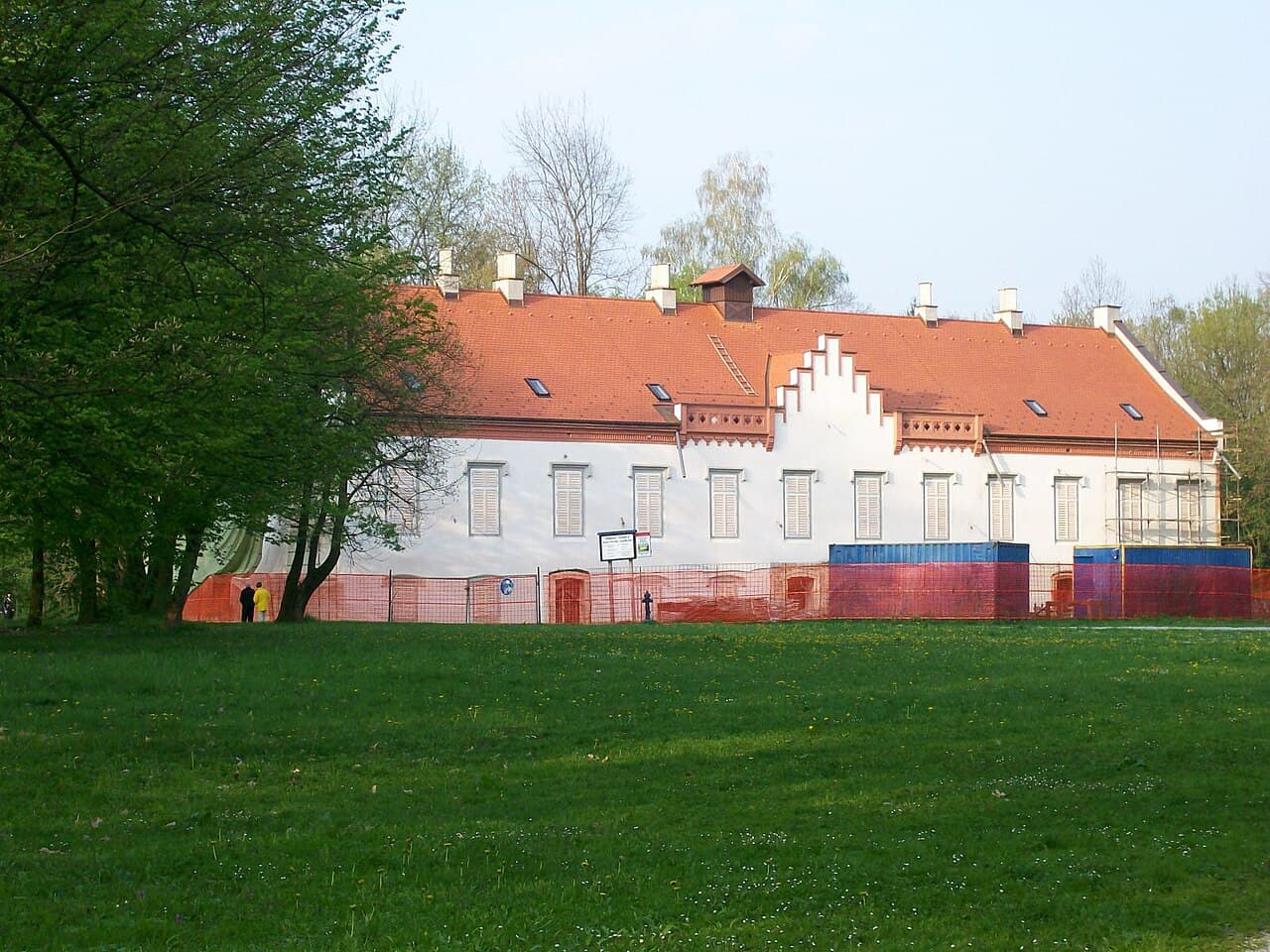
Novi Dvori of Zaprešić, also known as Novi Dvori of Jelačić, is a notable Renaissance feudal estate located in the northwestern part of Zaprešić, Croatia. Established in the 17th century, this estate encompasses a castle along with several historically significant auxiliary structures that reflect its agricultural and noble heritage.
The architectural ensemble of Novi Dvori
The estate is composed of several key elements that together form a unique historical complex. The centerpiece is the Renaissance castle, which served as the residence and administrative center for the noble family that owned the estate. Adjacent to the castle is an old granary, which has been carefully renovated and repurposed as a museum, preserving and showcasing the region's agricultural history and the estate's role in local feudal society.
Another distinctive feature of the estate is the circular threshing machine, an agricultural structure that highlights the estate's functional past. This rare surviving example of traditional farming technology provides insight into the historical methods of grain processing used on the estate.
The estate also includes a neo-Gothic chapel, a later architectural addition that adds a religious and stylistic dimension to the site. This chapel is notable for its characteristic pointed arches, ribbed vaults, and decorative elements typical of the neo-Gothic architectural style, reflecting the 19th-century revival of medieval Gothic motifs.
Completing the ensemble is the Jelačić family tomb, which serves as the final resting place for members of the prominent Jelačić family, historically significant owners of the estate. This tomb is an important cultural and historical monument, linking the estate to the broader history of Croatian nobility.
Historical significance and ownership
The estate gained particular prominence under the ownership of the Jelačić family, a noble lineage with considerable influence in Croatian history. The family's stewardship of Novi Dvori helped shape the estate's development and its architectural evolution over the centuries.
Throughout its history, Novi Dvori has served multiple roles, from a fortified noble residence to an agricultural hub, reflecting broader social and economic changes in the region. Its preservation today allows visitors to explore these layers of history and understand the estate's role within the context of Croatian feudal and rural life.
Architectural features and style
The castle itself is a fine example of Renaissance architecture adapted to a feudal estate setting. Its design balances defensive features with residential comfort, typical of the period's noble residences. The presence of the neo-Gothic chapel adds a stylistic contrast, illustrating the estate's architectural evolution into the 19th century.
The estate's layout includes courtyards and outbuildings arranged to support both the noble household and agricultural activities. The integration of functional structures like the granary and threshing machine within the estate grounds reflects the dual residential and economic nature of such properties.
Preservation and current status
Novi Dvori is currently well-preserved and accessible to the public, with the granary museum providing educational exhibits about the estate's agricultural past and the region's history. The estate is managed to maintain its historical integrity while serving as a cultural site for visitors interested in Croatian heritage.
The neo-Gothic chapel and Jelačić family tomb remain important heritage landmarks within the estate, attracting attention for their architectural and historical value. Preservation efforts ensure that these structures continue to convey the estate's rich past to future generations.
Visiting Novi Dvori
Visitors to Novi Dvori can explore the castle grounds, the museum in the renovated granary, and the chapel, gaining insight into the estate's multifaceted history. The site offers a unique glimpse into 17th-century Renaissance architecture combined with later 19th-century neo-Gothic additions, set within the Croatian cultural landscape.
The estate's location in Zaprešić makes it accessible for day trips from Zagreb and other nearby cities, providing an opportunity to experience a well-preserved example of Croatian feudal architecture and rural heritage.
Photo gallery

Information
Loading map...
Visitor reviews
No reviews yet. Been here? Write the first review and help other travelers!
Write the first reviewVisited this castle? Share your experience
Your review helps other travelers and adds first-hand knowledge to our encyclopedia.