Sumoto Castle
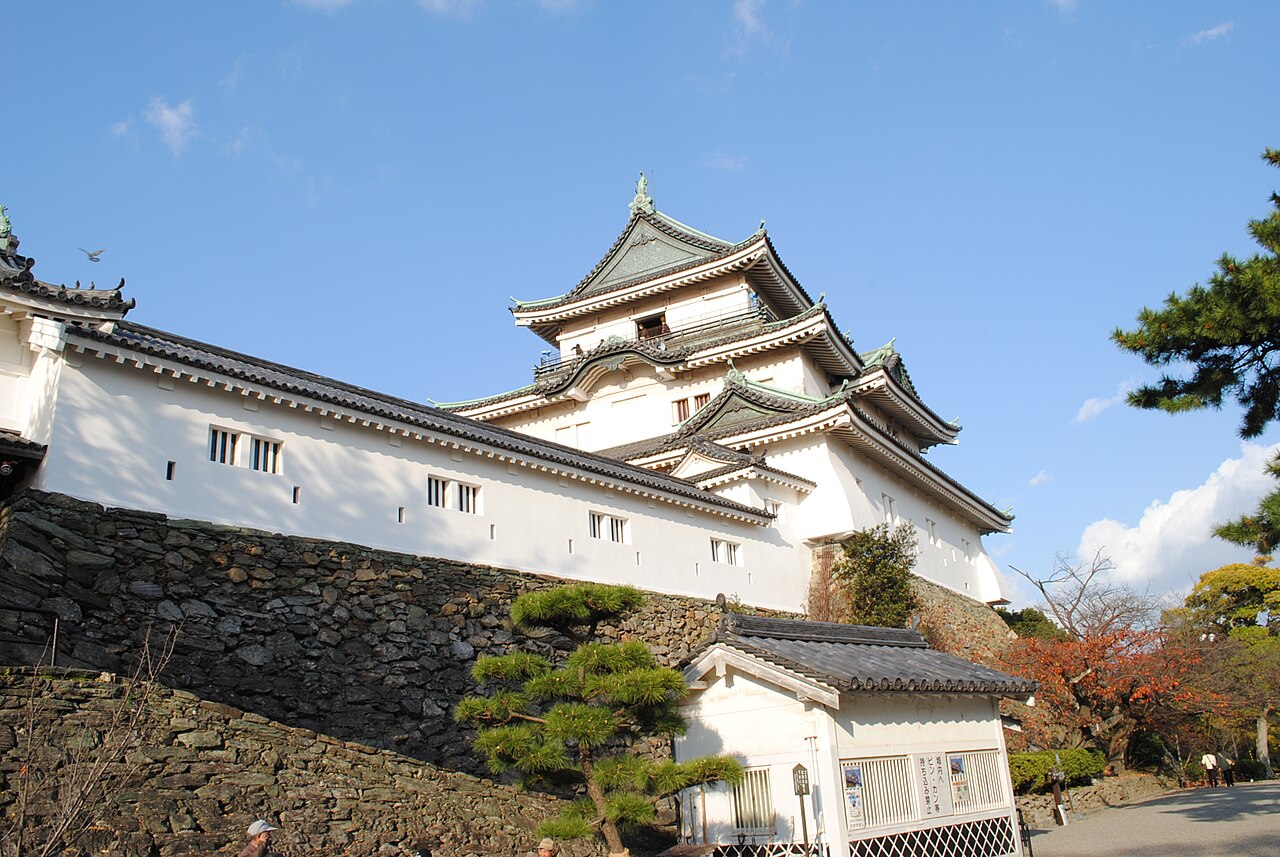
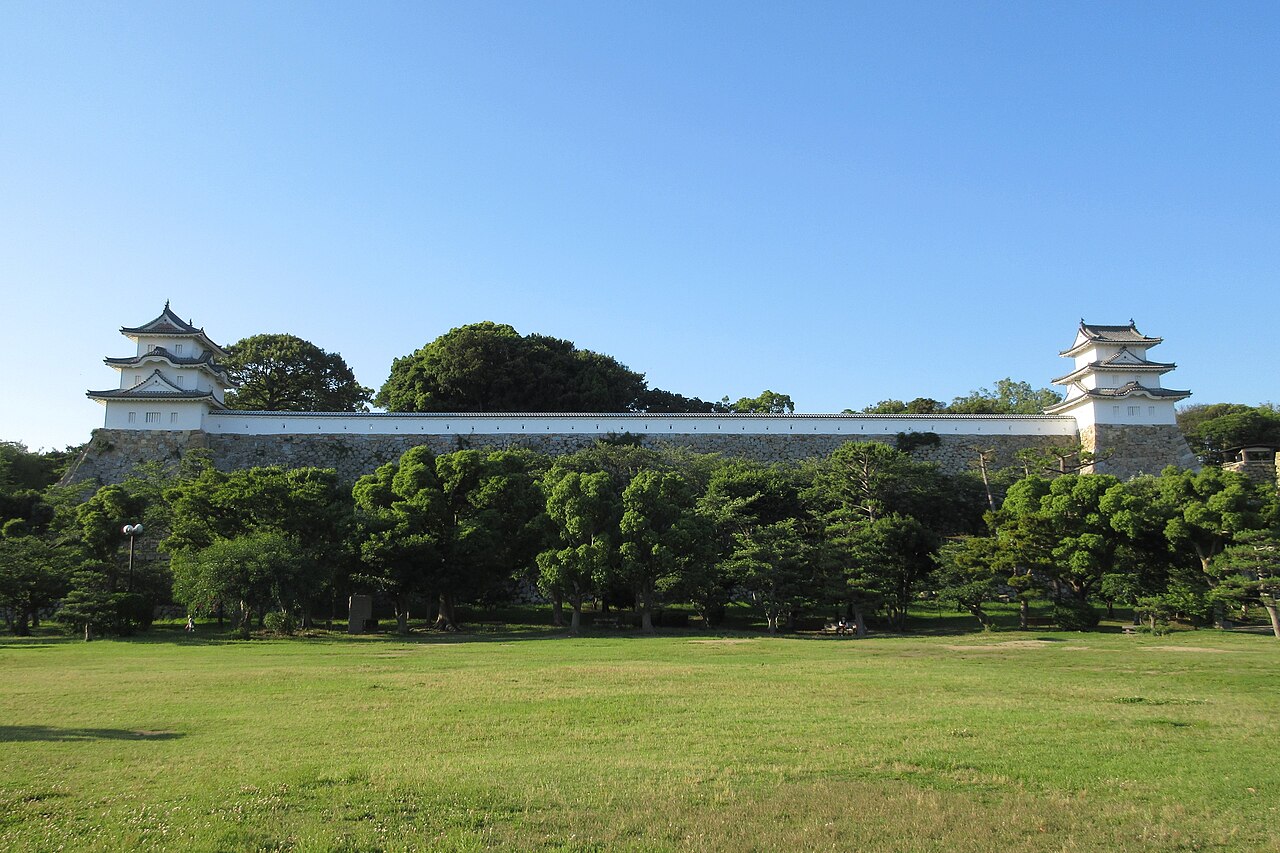
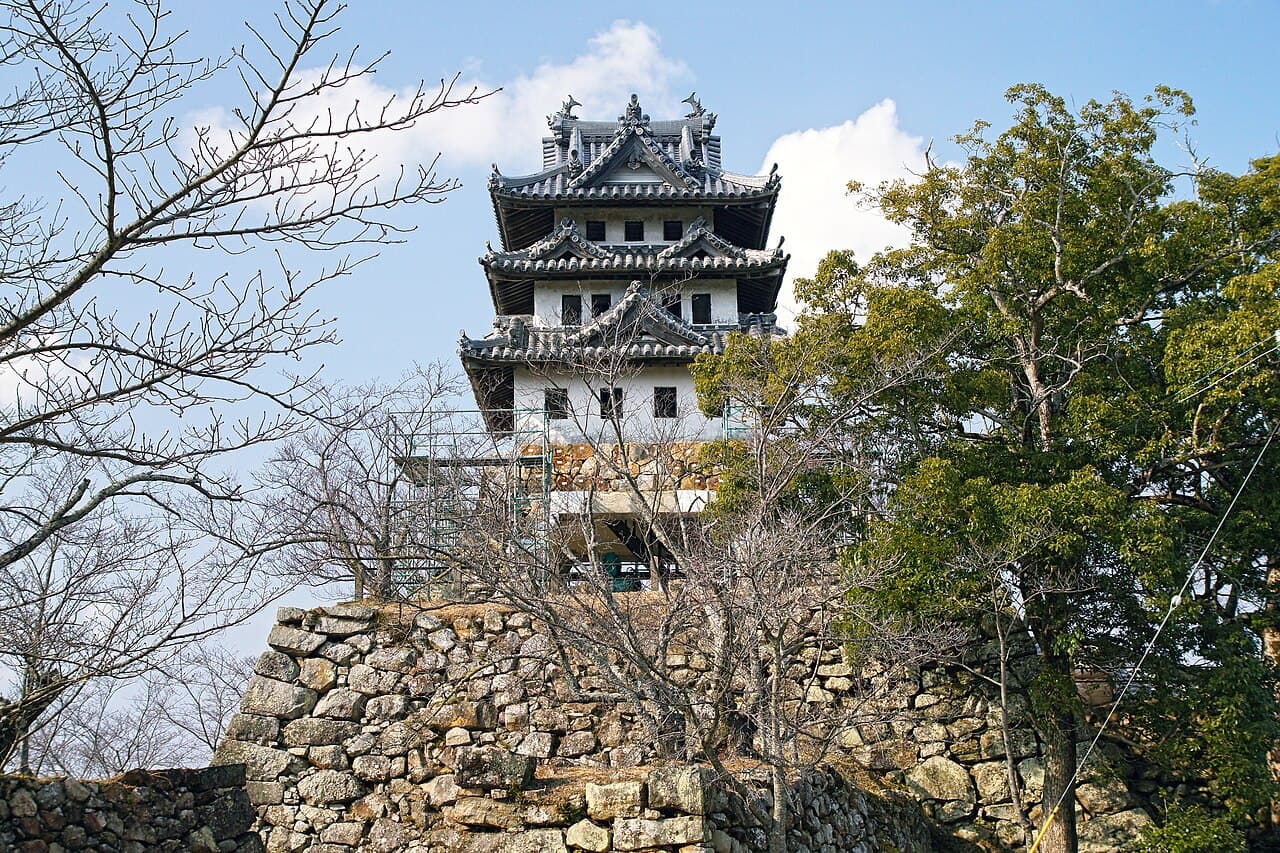
Sumoto Castle (Sumoto-jō) is a notable hill castle situated in the Orodani neighborhood of Sumoto city, within Hyōgo Prefecture, Japan. Constructed in the 16th century during the turbulent Sengoku period, it served as a strategic fortification overseeing the surrounding region. The castle is also historically known by the name Mikuma Castle (Mikuma-jō), reflecting its local significance. Since 1999, the ruins of Sumoto Castle have been designated a National Historic Site, preserving its cultural heritage and archaeological value.
Historical context and strategic importance
Sumoto Castle was built during the late Muromachi period transitioning into the Sengoku period, a time marked by frequent military conflicts and power struggles among regional warlords. The castle's location on a hill provided a commanding view of the surrounding area, allowing its occupants to monitor and control key routes and defend against rival clans. Its position in the Seto Inland Sea region was crucial for controlling maritime and land traffic, enhancing its strategic military value.
Architectural features and layout
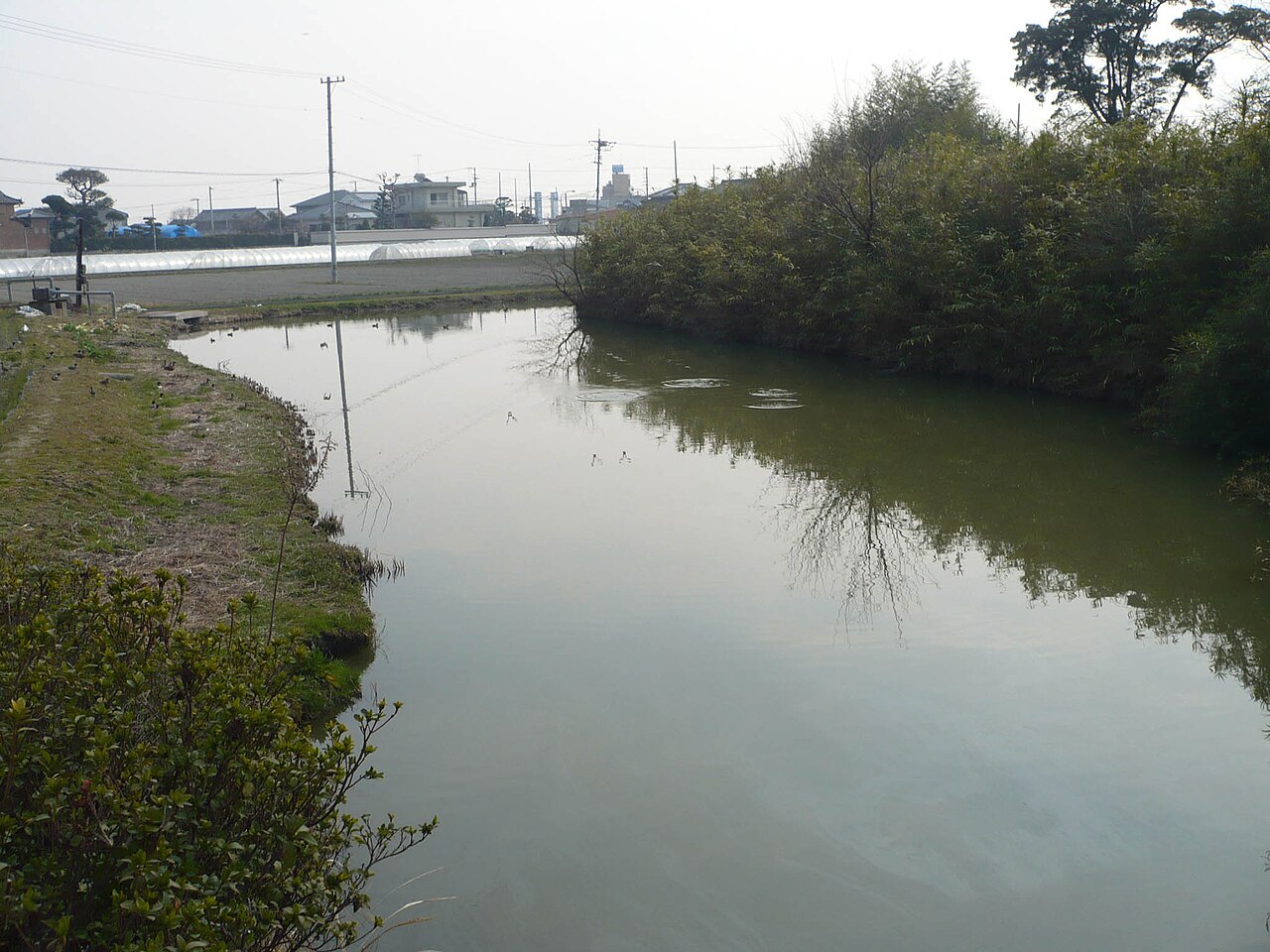
The castle exemplifies typical hill castle design, utilizing the natural topography for defense. Although much of the original structure is now in ruins, archaeological studies have revealed the presence of stone walls, earthen ramparts, and remnants of moats that encircled the castle grounds. The layout included a central honmaru (main bailey) atop the hill, surrounded by secondary baileys and defensive terraces descending the slopes. These features were intended to slow attackers and provide multiple lines of defense.
Defensive structures
Key defensive elements included watchtowers positioned to maximize visibility and gates designed to funnel enemies into narrow, defensible spaces. The use of stone base walls was characteristic of the period, providing durability and resistance against siege tactics. Although no large keeps or donjons remain, the castle's fortifications emphasized natural barriers combined with man-made defenses.
Role during the sengoku period
During the Sengoku period, Sumoto Castle was controlled by various local warlords who used it as a stronghold in their territorial disputes. Its control was vital for dominance over the Awaji Island area and the surrounding maritime routes. The castle witnessed several skirmishes and changes in ownership as clans vied for power in the region. Despite its military significance, Sumoto Castle was eventually abandoned as political unification under the Tokugawa shogunate reduced the need for such fortifications.
Current condition and preservation
Today, Sumoto Castle exists primarily as ruins, with some stone walls and earthworks still visible to visitors. The site has undergone preservation efforts to maintain its historical integrity and provide educational value. Interpretive signage and walking paths allow visitors to explore the castle grounds and appreciate the strategic placement and defensive ingenuity of this 16th-century Japanese hill castle. As a designated National Historic Site, it remains an important cultural asset reflecting Japan's feudal past.
Visiting sumoto castle
Visitors to Sumoto Castle can enjoy panoramic views of the surrounding landscape and the Seto Inland Sea. The castle ruins are accessible via hiking trails that lead up the hill, offering a moderately challenging but rewarding experience. The site is open year-round, with no admission fee, making it a popular destination for history enthusiasts and tourists exploring Hyōgo Prefecture. Nearby attractions include the city of Sumoto and other historical sites on Awaji Island.
Faqs about sumoto castle
- When was Sumoto Castle built? Sumoto Castle was constructed in the 16th century during the Sengoku period, a time of regional conflict in Japan.
- What type of castle is Sumoto Castle? It is classified as a hill castle, built on elevated terrain to maximize defensive advantages.
- What remains of Sumoto Castle today? The site mainly consists of ruins, including stone walls and earthworks, preserved as a National Historic Site.
- Can visitors access Sumoto Castle ruins? Yes, the ruins are open to the public year-round with no admission fee, accessible by hiking trails.
- Why is Sumoto Castle historically significant? It played a key role in controlling maritime routes and regional power struggles during the Sengoku period.
- Are there guided tours available? While there are no regular guided tours, informational signage is provided to help visitors understand the castle's history and layout.
- What is the best time to visit Sumoto Castle? Spring and autumn offer pleasant weather and scenic views, ideal for hiking and exploring the ruins.
Frequently asked questions (FAQ)
- How do I get to Sumoto Castle?
- Sumoto Castle is located in Sumoto City, Hyogo Prefecture, Japan. You can reach the castle by taking a bus or taxi from Sumoto Station, which is approximately 10 minutes away. There are also local roads that lead to the castle, making it accessible for those who prefer walking.
- What is the historical significance of Sumoto Castle?
- Sumoto Castle, originally built in the 16th century, played a vital role in the region's feudal history. It served as a stronghold for various samurai clans, most notably the Kuroda clan. The castle is a testament to Japan's rich history and military architecture.
- When was Sumoto Castle constructed?
- Sumoto Castle was constructed in 1580 by the feudal lord, Kuroda Nagamasa. It has undergone several renovations and restorations throughout the years, with significant work done in the early 20th century to preserve its structure. The castle's history reflects the changes in Japanese society and warfare.
- Can I visit Sumoto Castle year-round?
- Yes, Sumoto Castle is open to visitors throughout the year. However, it is advisable to check local schedules as hours may vary during holidays or special events. The scenic views and historical significance make it a great destination any time of the year.
- Why is Sumoto Castle popular among tourists?
- Sumoto Castle attracts tourists for its impressive architecture and panoramic views of the surrounding area. Visitors can enjoy exploring the castle grounds, which are beautifully landscaped. The blend of history and nature makes it a must-see destination in Sumoto.
- Is it possible to access all areas of Sumoto Castle?
- While many parts of Sumoto Castle are accessible to visitors, certain areas may have restricted access due to preservation efforts. The main keep and surrounding gardens are open to the public, providing a glimpse into its historical significance. Always check with the staff for any guidelines during your visit.
- What are the opening hours for Sumoto Castle?
- Sumoto Castle typically opens at 9:00 AM and closes at 5:00 PM, with last admissions one hour before closing. However, hours may vary seasonally, so it is best to verify the current schedule before your visit. This ensures you have ample time to explore the castle and its grounds.
- What are the ticket prices for visiting Sumoto Castle?
- The ticket prices for visiting Sumoto Castle are quite affordable, generally around 300 yen for adults, with discounts available for children and seniors. Special rates may apply for group visits or during events. Checking the official website for the latest pricing is recommended before your visit.
- What is the best time to visit Sumoto Castle?
- The best time to visit Sumoto Castle is during the spring and autumn months when the weather is mild, and the scenery is particularly beautiful. Spring blossoms and autumn foliage enhance the castle's charm, making it an ideal backdrop for photography. Additionally, the castle may host seasonal events that are worth experiencing.
- Are there any nearby attractions to explore?
- Yes, there are several attractions near Sumoto Castle, including the stunning Sumoto Onsen hot springs and the beautiful beaches along the coast. Visitors can also enjoy local shops and restaurants that offer traditional Japanese cuisine. Exploring the surrounding area can enhance your overall experience in Sumoto.
Photo gallery

Information
Loading map...
Visitor reviews
No reviews yet. Been here? Write the first review and help other travelers!
Write the first reviewVisited this castle? Share your experience
Your review helps other travelers and adds first-hand knowledge to our encyclopedia.