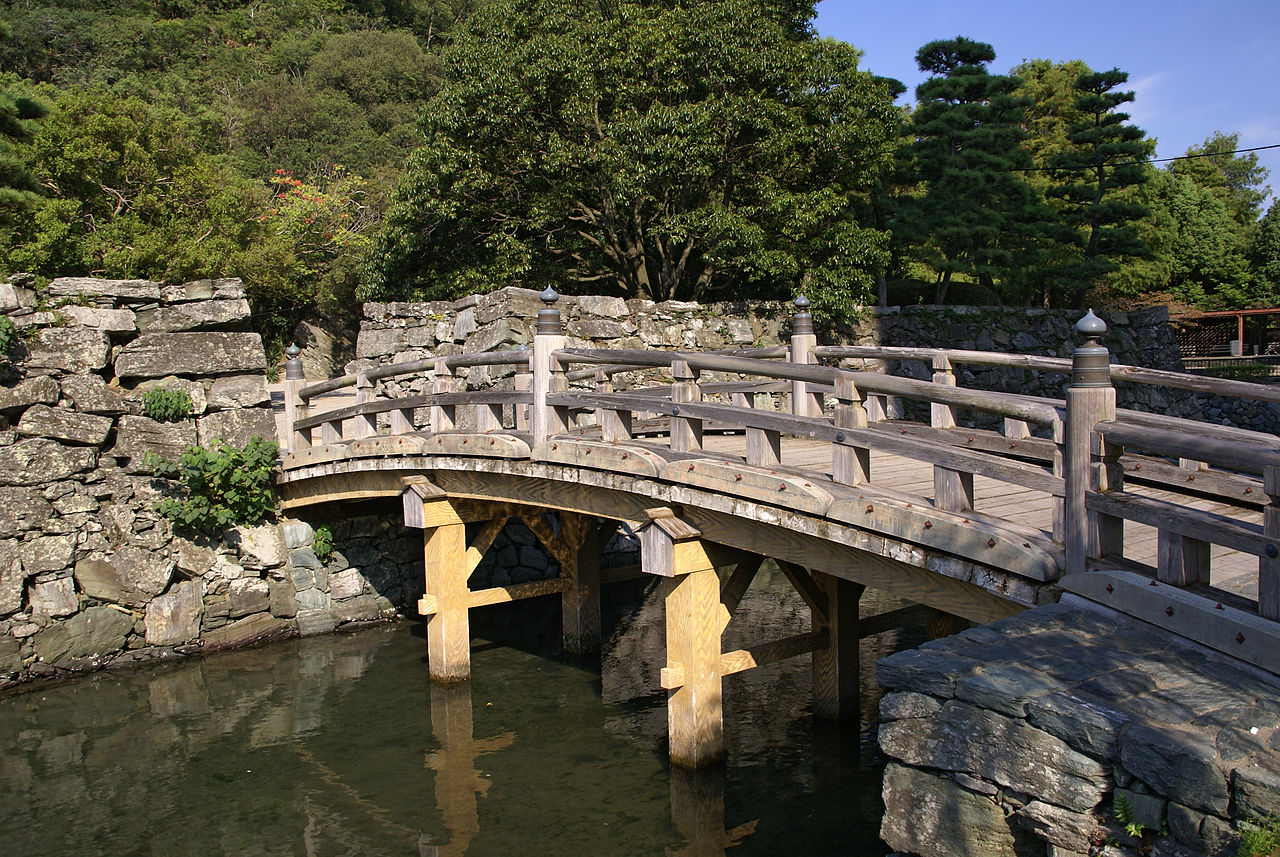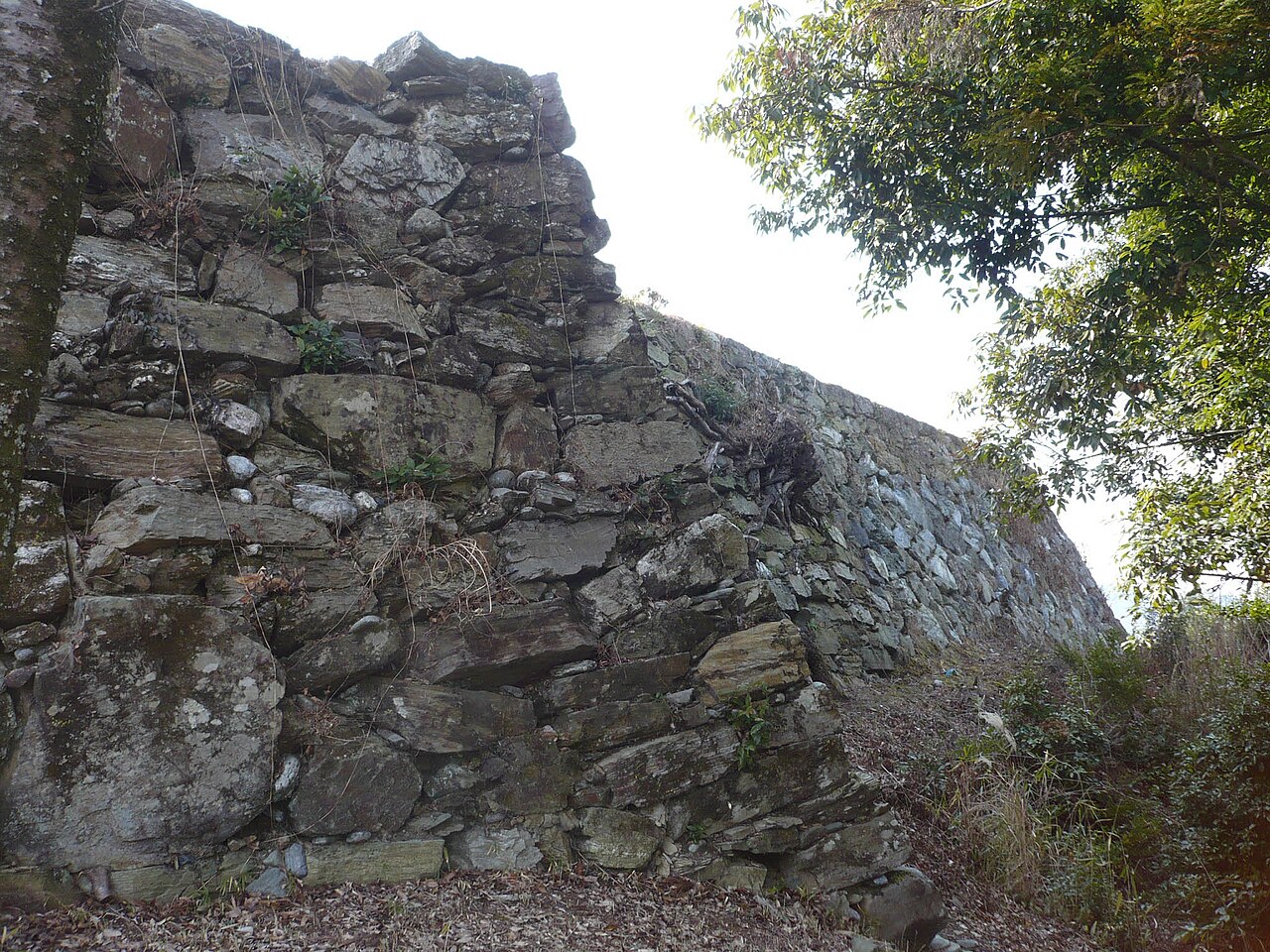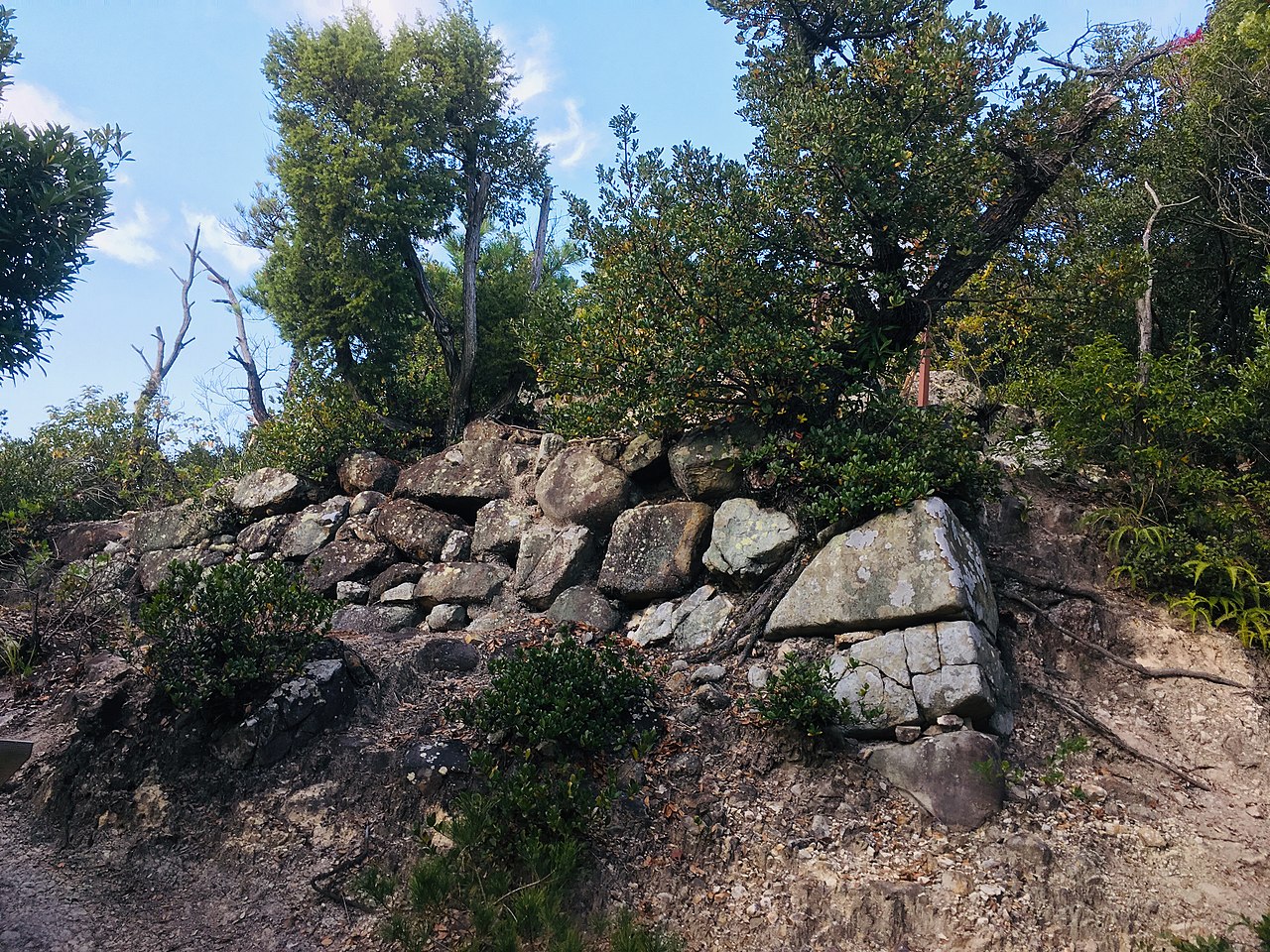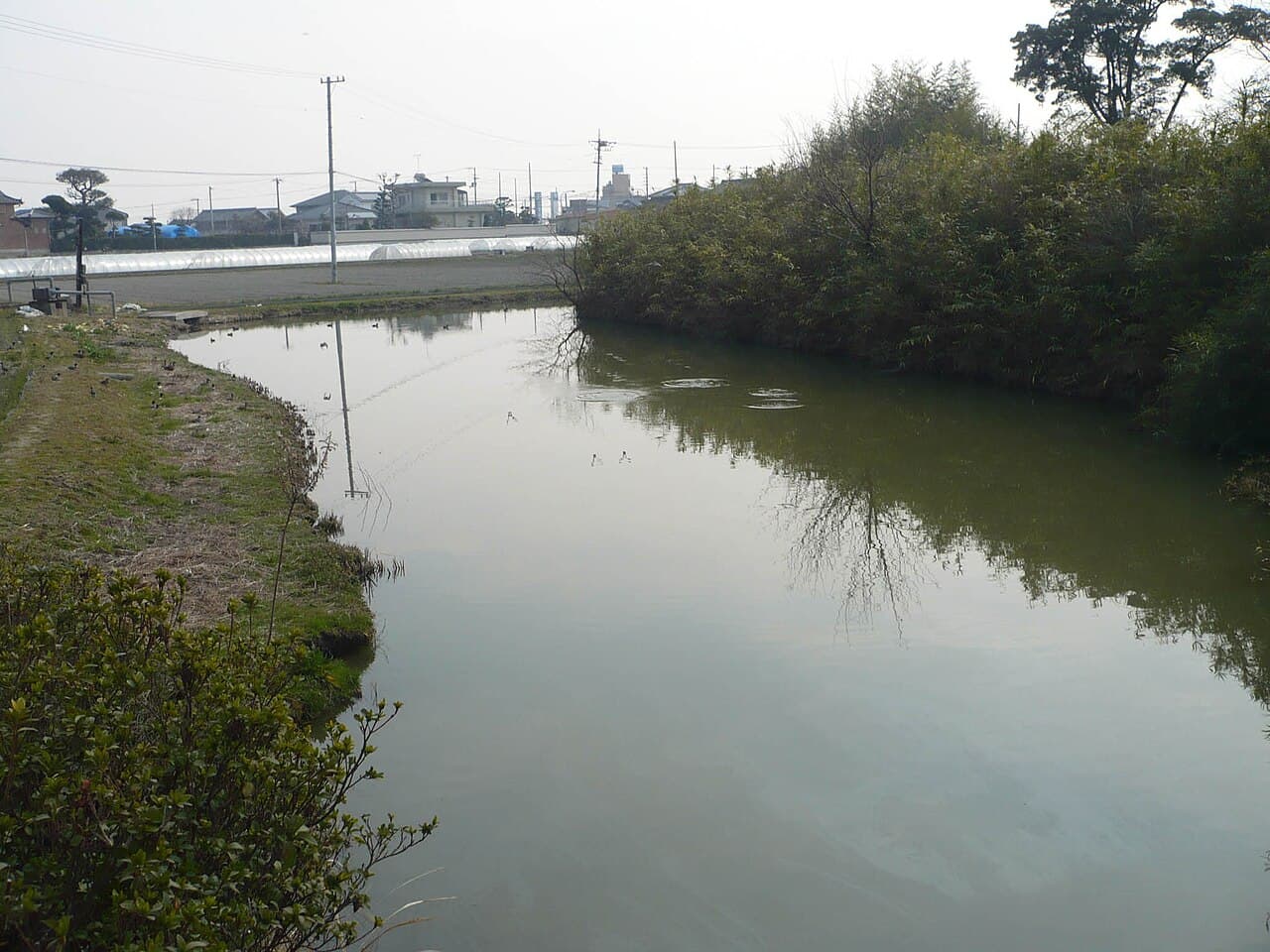
Shōzui Castle (勝瑞城, Shōzui-jō) is a historically significant Japanese castle whose ruins lie in the town of Aizumi, Itano District, Tokushima Prefecture. This castle played a notable role during the Muromachi period (1336–1573) and the Sengoku period (c. 1467–1600), eras marked by considerable military conflict and political upheaval in Japan. The site has been recognized as a National Historic Site since 2001, with the protected area expanded in 2015 to preserve its archaeological remains.
Historical background and significance
Constructed originally during the turbulent Muromachi period, Shōzui Castle served as a strategic stronghold in the Tokushima region. It was controlled by the influential Hosokawa clan, a powerful samurai family that played a key role in the politics and military affairs of the period. The castle's location in the Itano District provided a defensive advantage and allowed control over important transportation routes in Shikoku Island.
Throughout the Sengoku period, Shōzui Castle was involved in numerous conflicts as various daimyo vied for power. The castle's control shifted multiple times, reflecting the era's instability. Its strategic importance diminished after the unification of Japan under the Tokugawa shogunate, leading to its eventual abandonment and decline.
Architectural features and layout
Although now in ruins, archaeological excavations have revealed aspects of Shōzui Castle's original structure. The castle was a hirayama-style fortification, built on a low hill to utilize natural terrain for defense. It featured multiple baileys (courtyards) surrounded by earthen walls and moats, typical of Japanese castles from the Muromachi and Sengoku periods.
Excavations have uncovered remnants of stone foundations, defensive moats, and earthworks that outline the castle's complex layout. The castle's design balanced defensive needs with residential and administrative functions, including areas for samurai residences, storehouses, and command centers.
Defensive structures
The castle's defensive system included moats and earthen ramparts that took advantage of the natural slope of the hill. These features were designed to impede enemy advances and protect the castle's inner compounds. The use of multiple baileys allowed defenders to fall back and continue resistance if outer defenses were breached.
Residential and administrative areas
Within the castle, there were designated spaces for the lord's residence and administrative buildings. These areas were typically located in the innermost bailey, protected by the strongest defenses. Archaeological finds suggest the presence of buildings constructed with wooden frameworks and tiled roofs, consistent with castle architecture of the period.
Preservation and archaeological research
The ruins of Shōzui Castle have been the subject of ongoing archaeological study since their designation as a National Historic Site. Excavations have aimed to clarify the castle's original layout, construction techniques, and historical context. These efforts have helped to preserve the site and provide valuable insights into Japanese castle architecture and feudal history.
Conservation measures have been implemented to protect the remaining earthworks and foundations from natural erosion and human impact. The site is accessible to visitors interested in Japanese history and archaeology, offering interpretive signage and walking paths that outline the castle's former extent.
Visiting Shōzui Castle
Today, Shōzui Castle is an archaeological ruin open to the public. While no standing structures remain, visitors can explore the grounds to appreciate the castle's strategic location and the scale of its defensive works. The site provides a tangible connection to Japan's feudal past and the complex history of the Muromachi and Sengoku periods.
Interpretive displays and informational panels help visitors understand the castle's significance and the historical events associated with it. The surrounding landscape offers scenic views typical of the Tokushima region, enhancing the experience of exploring this historic site.
Frequently asked questions (FAQ)
- How do I get to Shōzui Castle?
- Shōzui Castle is located in Aizumi, Japan, and can be easily accessed by public transportation. The nearest train station is Aizumi Station, from which you can take a short bus ride or enjoy a pleasant walk to the castle grounds.
- What is the historical significance of Shōzui Castle?
- Shōzui Castle was built during the Edo period and served as a strategic military stronghold. It showcases the architectural style and defensive features typical of Japanese castles from that era, making it a significant site for understanding Japan's feudal history.
- When was Shōzui Castle built?
- Shōzui Castle was constructed in the early 17th century, specifically around 1620. It played an important role in the regional power dynamics during the Edo period.
- Can I visit Shōzui Castle year-round?
- Yes, Shōzui Castle is open to visitors year-round, but it’s advisable to check for any seasonal events or maintenance closures. The best time to visit is during the cherry blossom season in spring, when the surrounding scenery is particularly stunning.
- Why is Shōzui Castle important for architecture lovers?
- Shōzui Castle is an excellent example of traditional Japanese castle architecture, featuring stone walls, moats, and wooden structures. Its design reflects the military and aesthetic values of the Edo period, making it a valuable site for architectural study.
- Is it possible to explore the interiors of Shōzui Castle?
- While some parts of Shōzui Castle are accessible to visitors, the interiors may have limited access due to preservation efforts. Guided tours are available to provide insights into the castle's history and architecture.
- What are the opening hours for Shōzui Castle?
- Shōzui Castle is typically open from 9 AM to 5 PM. However, it's recommended to check the official website for any seasonal changes to the opening hours.
- Are there any ticket prices for visiting Shōzui Castle?
- Yes, there is a nominal entrance fee to visit Shōzui Castle, which helps with its maintenance and preservation. Discounts may be available for students and seniors, so be sure to bring identification if applicable.
- What nearby attractions can I visit after Shōzui Castle?
- After visiting Shōzui Castle, you can explore the nearby Aizumi Park, known for its beautiful gardens and picnic areas. Additionally, the local museums and cultural sites offer a deeper understanding of the region's history and traditions.
Photo gallery

Photo by 投稿者が撮影•Public domain
Information
Loading map...
Visitor reviews
No reviews yet. Been here? Write the first review and help other travelers!
Write the first reviewVisited this castle? Share your experience
Your review helps other travelers and adds first-hand knowledge to our encyclopedia.