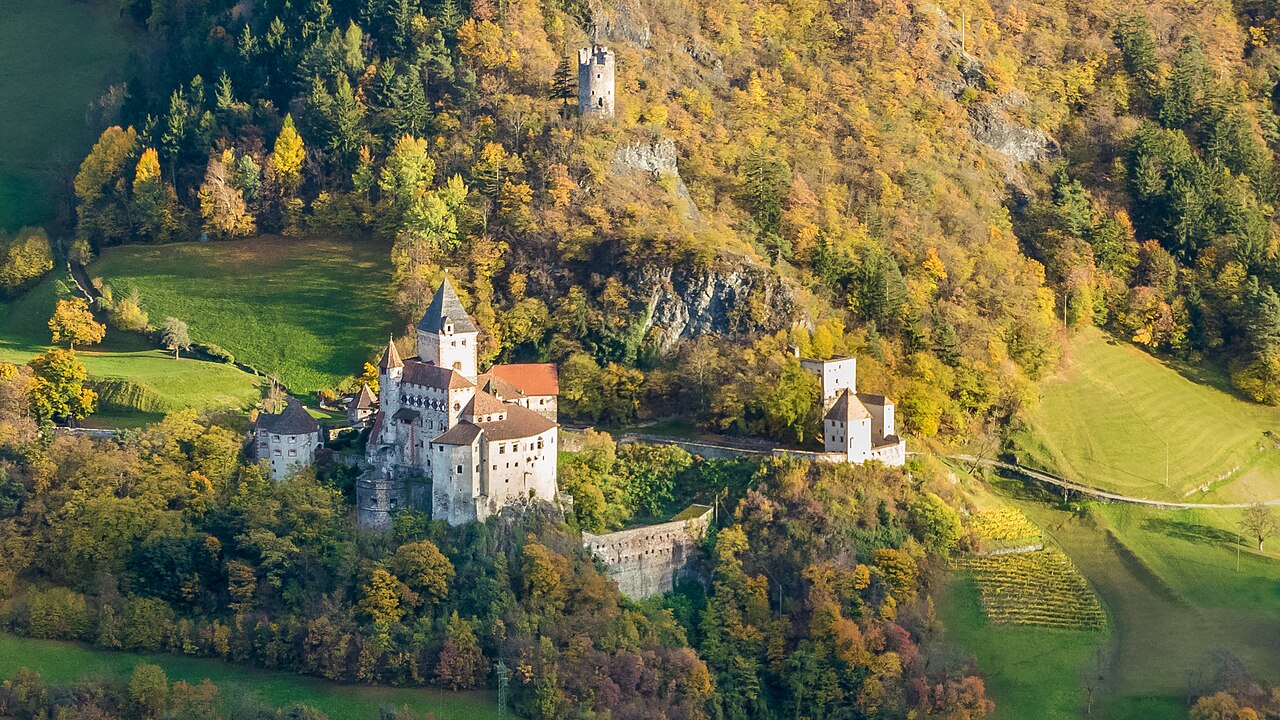
Summersberg Castle
Summersberg Castle, located in Gudon, Italy, is a significant example of a late medieval fortress with origins dating back to the 14th century. The castle's most ancient structure is the distinctive round Witch Tower, which stands as a testament to the defensive architectural techniques of the period. This tower was originally constructed in the 14th century, serving as a key fortification element designed to provide a vantage point and protection against invaders.
Architectural evolution through centuries
Over the course of several centuries, Summersberg Castle underwent numerous extensions and modifications. These changes span from the 15th to the 18th centuries, reflecting evolving military technologies and residential needs. The castle's fabric demonstrates a blend of architectural styles and construction methods that correspond with these periods, showcasing adaptations such as reinforced walls, expanded living quarters, and updated defensive features.
The Witch Tower
The Witch Tower is the castle's oldest and most iconic structure. Its round shape was typical for watchtowers and defensive turrets in the late medieval period, allowing for a wider field of view and better deflection of projectiles. The tower's thick stone walls and narrow slit windows were designed for archers and lookouts, emphasizing its role in surveillance and defense.
Later additions and structural enhancements
Following the initial construction, the castle saw significant additions that expanded its footprint and enhanced its functionality. The 15th-century expansions likely included the addition of curtain walls and bastions to improve fortification against artillery, which became more prominent in warfare during this time. By the 18th century, residential and administrative buildings were integrated, reflecting a shift towards more comfortable living spaces within the castle complex.
Historical ownership and significance
Summersberg Castle was under the ownership of the Counts of Wolkenstein from 1619 to 1828. The Wolkenstein family was a notable noble lineage in the region, and their stewardship likely influenced the castle's maintenance and status as a regional power center. Their tenure coincided with periods of political and military change in northern Italy, which may have necessitated the castle's fortification upgrades.
In 1880, the castle was purchased by Ignaz Vinzenz Zingerle, a figure known for his contributions to the cultural and literary heritage of the region. The Zingerle family has retained ownership since then, preserving the castle as a private estate. This continuity of ownership has helped maintain the castle's historical integrity and prevented extensive modern alterations.
Architectural features and layout
The castle's layout is typical of a hill castle, positioned strategically to oversee the surrounding landscape and control local routes. The combination of defensive towers, curtain walls, and residential buildings illustrates the dual military and domestic functions of the complex.
The Witch Tower remains a focal point, with its sturdy masonry and commanding views. The curtain walls, reinforced over the centuries, create a secure perimeter enclosing courtyards and ancillary buildings. Inside, the castle contains halls and chambers that reflect the changing tastes and requirements of its noble inhabitants, including later period renovations that introduced more comfortable living quarters and decorative elements.
Defensive elements
Summersberg Castle's defenses include thick stone walls, battlements, and narrow arrow slits designed for archers. The elevated position on a hill enhances its defensive capacity by providing natural barriers and visibility. The castle's gatehouse and entrance pathways were likely designed to slow and expose attackers, a common feature in medieval fortifications.
Preservation and current status
Today, Summersberg Castle is well preserved, retaining much of its medieval character despite the centuries of change. The castle is privately owned by the descendants of the Zingerle family, who have maintained the property carefully. While not generally open to the public, the castle remains an important cultural landmark in the region and a subject of interest for historians and architectural scholars.
The castle's combination of medieval fortifications and later residential adaptations offers valuable insight into the evolution of noble residences in northern Italy from the 14th century onward. Its survival through periods of conflict and change highlights the resilience of such structures and their ongoing significance in the cultural landscape.
Frequently asked questions (FAQ)
- How do I get to Summersberg Castle?
- Summersberg Castle is located in Gudon, Italy, easily accessible by car or public transport. The nearest train station is in Bolzano, from where you can take a bus or taxi to reach the castle. Make sure to check local transport schedules for the most convenient options.
- What is the historical significance of Summersberg Castle?
- Summersberg Castle dates back to the 12th century and is a prime example of medieval architecture in the region. It played a crucial role in the defense strategies of the area and has a rich history involving local nobility and significant historical events. Visitors can explore its fascinating past through informative displays and guided tours.
- When was Summersberg Castle built?
- Construction of Summersberg Castle began in the 12th century, with various renovations and expansions occurring over the centuries. The castle has been preserved to showcase its historical architecture and the evolution of its design style. This makes it a captivating site for history enthusiasts and architecture lovers alike.
- Can I take guided tours of Summersberg Castle?
- Yes, guided tours are available at Summersberg Castle, providing visitors with an in-depth understanding of its history and architecture. These tours are led by knowledgeable guides who share intriguing stories and facts about the castle's past. It's recommended to book in advance, especially during peak tourist seasons.
- Why is Summersberg Castle a popular tourist destination?
- Summersberg Castle is a popular destination due to its stunning architecture, rich history, and picturesque location overlooking the valley. The castle offers not only a glimpse into medieval life but also breathtaking views of the surrounding landscape. Additionally, its proximity to other attractions in Gudon makes it an ideal stop for visitors.
- Is it possible to visit Summersberg Castle year-round?
- Yes, Summersberg Castle is open to visitors year-round, although hours may vary by season. It's best to check the official website for specific opening hours and any seasonal events. Visiting during the spring and fall offers a unique experience with beautiful natural scenery surrounding the castle.
- What are the ticket prices for Summersberg Castle?
- Ticket prices for Summersberg Castle are typically modest, allowing access to the grounds and guided tours. Discounts are often available for students, seniors, and families, making it an affordable option for all visitors. Check the castle's official site for the most current pricing and any special offers.
- What are the opening hours for Summersberg Castle?
- Summersberg Castle generally opens in the morning and closes in the late afternoon, with extended hours during the summer months. Specific hours can vary depending on the season and any special events taking place. It's advisable to consult the castle's website or contact them directly for the latest information on opening hours.
- What nearby attractions should I visit while at Summersberg Castle?
- While visiting Summersberg Castle, you can explore nearby attractions such as the charming village of Gudon and the scenic hiking trails in the surrounding countryside. Additionally, the city of Bolzano is a short drive away, offering museums, shops, and restaurants. This makes Summersberg Castle an excellent starting point for further exploration of the region.
Information
Loading map...
Visitor reviews
No reviews yet. Been here? Write the first review and help other travelers!
Write the first reviewVisited this castle? Share your experience
Your review helps other travelers and adds first-hand knowledge to our encyclopedia.