Sulkava Hill Fort
Sulkava hill fort is a notable ancient fortress located in Sulkava, Finland, perched on a rocky hill known as Pisamalahti. This strategic position rises approximately 55 meters above Enovesi lake, providing commanding views of the surrounding landscape. The fort's elevated location with steep cliffs made it a natural defensive site, typical of hill castles designed to control important waterways and land routes.
Historical background and origins
The earliest written record of the Sulkava hill fort dates to 1561, but archaeological and historical evidence indicates its construction likely took place during the High Medieval period, approximately between 1100 and 1300 AD. Some hypotheses suggest that the fort was originally built by the Carelian people as a defensive stronghold against incursions from the Tavastia (Häme) region, reflecting the turbulent nature of regional conflicts in medieval Finland. This aligns with the broader context of Finnish hill forts serving as protective refuges and military bases during the Iron Age and Middle Ages.
Architectural features and fortifications
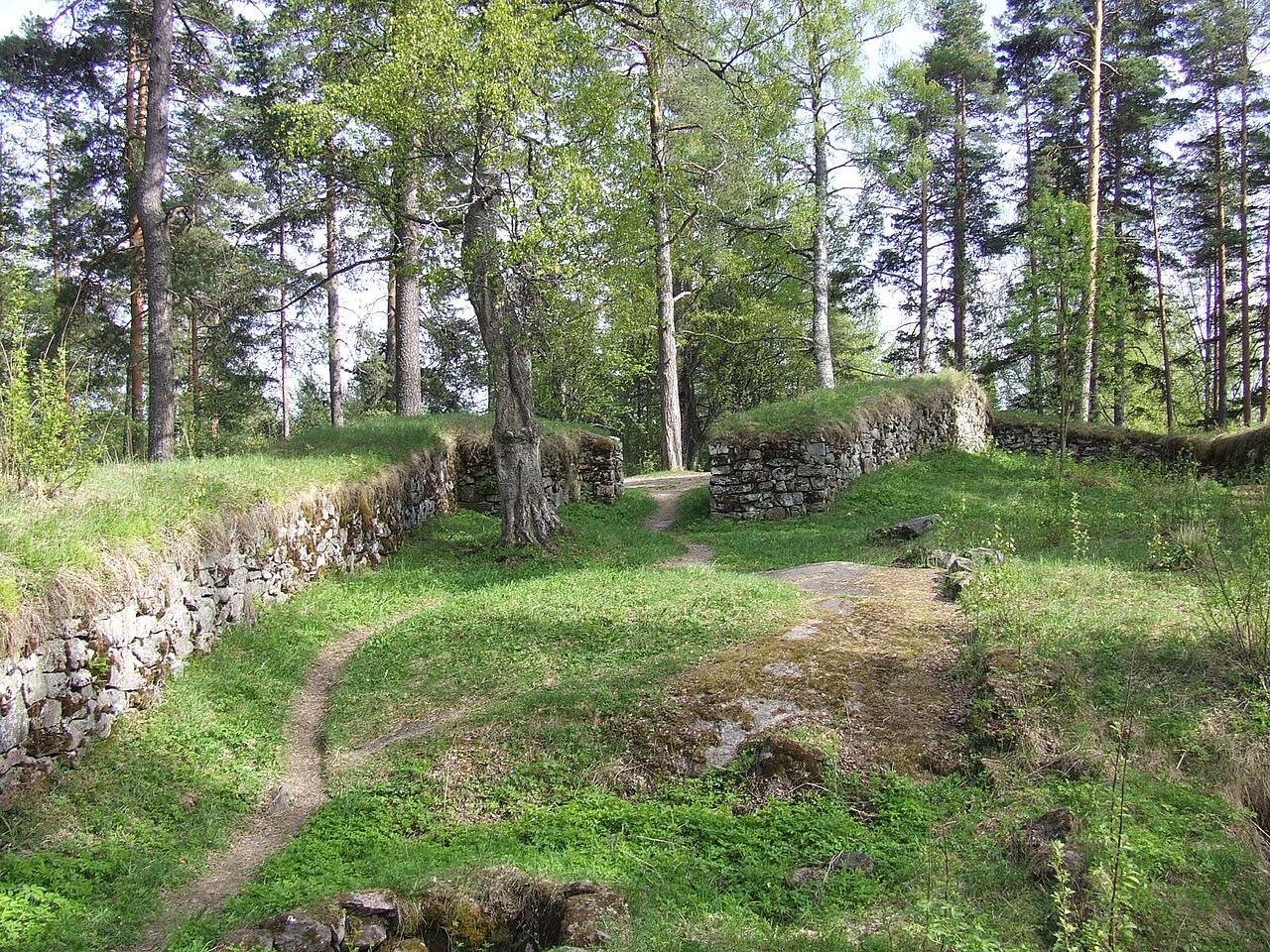
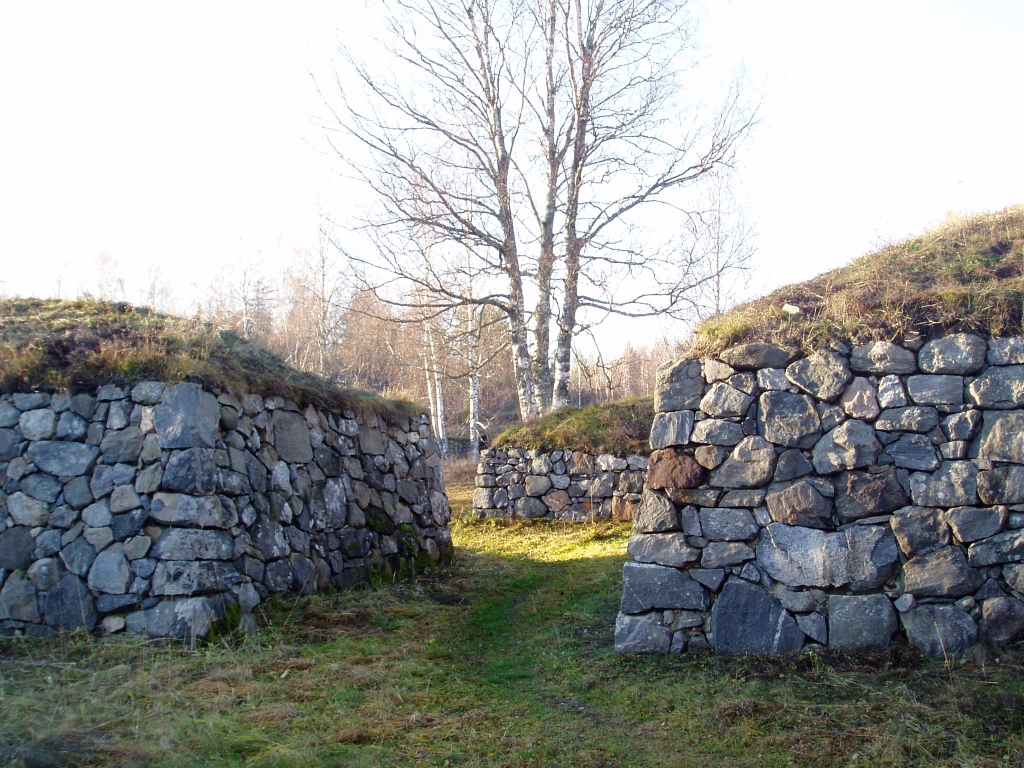
The fortification consists primarily of a 120-meter-long stone wall situated on the summit of the hill. This wall stands between 2 and 3 meters high, constructed from local stone and designed to enclose the defensive area. The use of stone walls atop natural rock formations was a common defensive strategy in medieval Finnish hill forts, combining natural topography with man-made barriers to enhance protection.
The hill's steep cliffs contribute to the fort's defensibility, reducing the number of accessible approaches and making direct assaults difficult. The fort's position overlooking Enovesi lake also provided strategic control over water routes, which were vital for transportation and communication in the region.
Cultural and historical significance
Pisamalahti hill fort is considered one of the most valuable ancient fortresses in Finland due to its well-preserved stone fortifications and its representation of medieval defensive architecture in the region. It offers insights into the military and social history of medieval Karelia and Tavastia, regions that experienced frequent conflicts and power struggles.
Today, the hill fort and its surrounding natural landscape form a popular tourist destination in the Sulkava area. Visitors are drawn by the combination of historical interest and scenic views of the lake and forested terrain. The site provides an opportunity to explore Finland's medieval past and the strategic importance of hill forts in regional defense.
Visiting Sulkava hill fort
The site is accessible to visitors who wish to experience the historical atmosphere and panoramic views. While there are no extensive modern facilities on-site, the natural setting and visible remains of the stone wall offer a tangible connection to the medieval period. The fort's elevated position and rugged terrain require a moderate level of physical fitness to reach the summit.
Interpretive signage and local guides may provide additional context about the fort's history and significance during visits. The surrounding lake and forest also offer recreational opportunities such as hiking, boating, and nature observation, making the Sulkava hill fort a multifaceted attraction combining cultural heritage and natural beauty.
Frequently asked questions (FAQ)
- When was Sulkava hill fort built?
- Sulkava hill fort was likely constructed during the High Medieval period, between 1100 and 1300 AD.
- What type of castle is Sulkava hill fort?
- Sulkava hill fort is classified as a hill castle, built on a rocky elevation with natural cliffs for defense.
- Is Sulkava hill fort open to visitors?
- Yes, the hill fort is accessible to visitors who can explore the stone walls and enjoy panoramic views of Enovesi lake.
- Why was Sulkava hill fort built?
- It was probably built by the Carelian people as a defensive stronghold against incursions from the Tavastia region during medieval conflicts.
- What remains can be seen at Sulkava hill fort today?
- Visitors can see a 120-meter-long stone wall standing 2-3 meters high atop the hill, along with the natural rocky cliffs that form part of the fortifications.
Information
Loading map...
Visitor reviews
No reviews yet. Been here? Write the first review and help other travelers!
Write the first reviewVisited this castle? Share your experience
Your review helps other travelers and adds first-hand knowledge to our encyclopedia.