Historical context and significance
The castle's origins trace back to periods when Korean kingdoms constructed hilltop fortresses to protect against invasions and local conflicts. Such castles played crucial roles during the Three Kingdoms period and subsequent eras, serving as military outposts and administrative centers. Sueojangdae likely functioned similarly, leveraging its elevated position for surveillance and defense.
Architectural features and layout
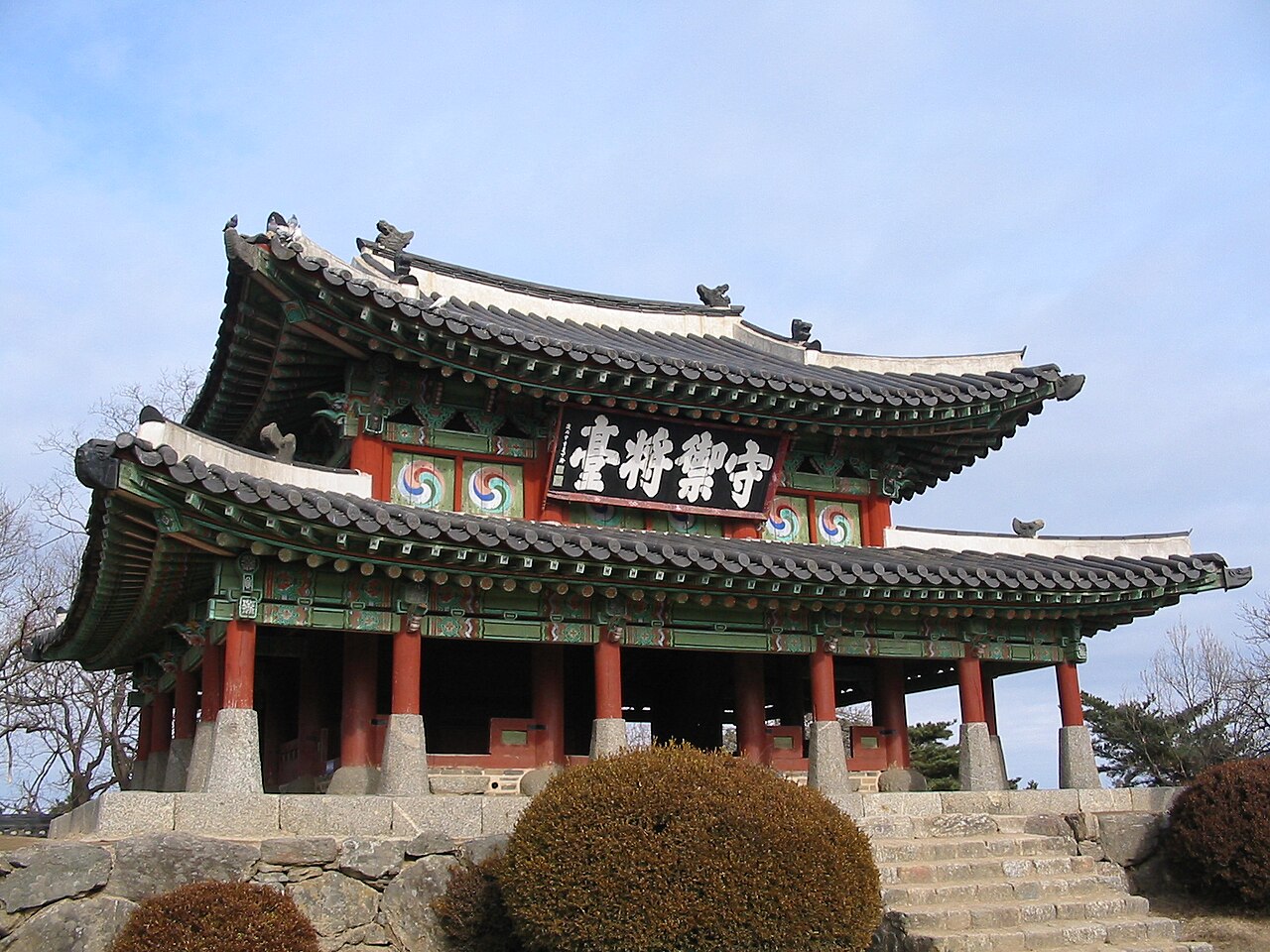
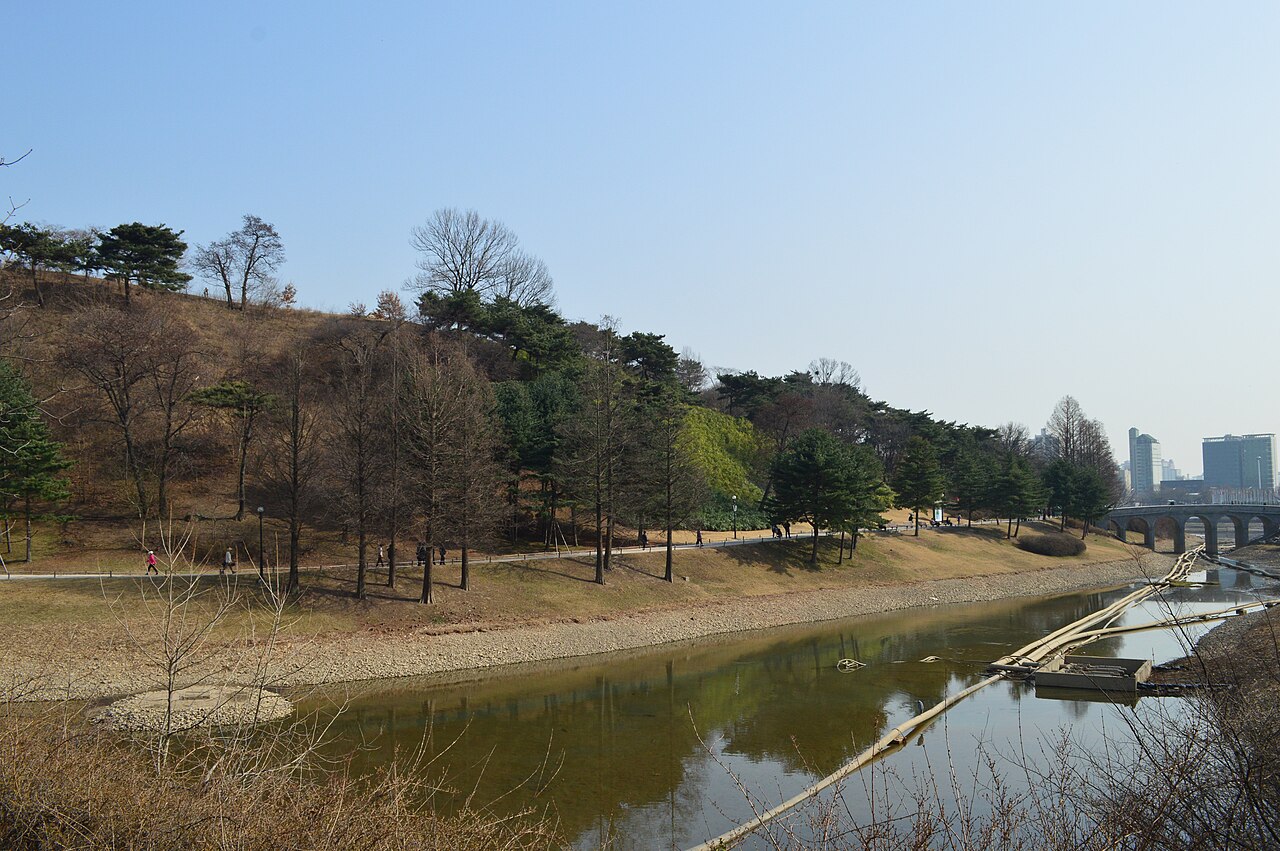
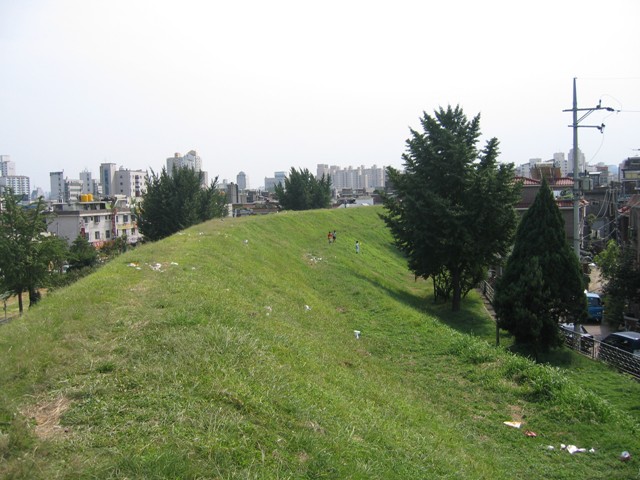
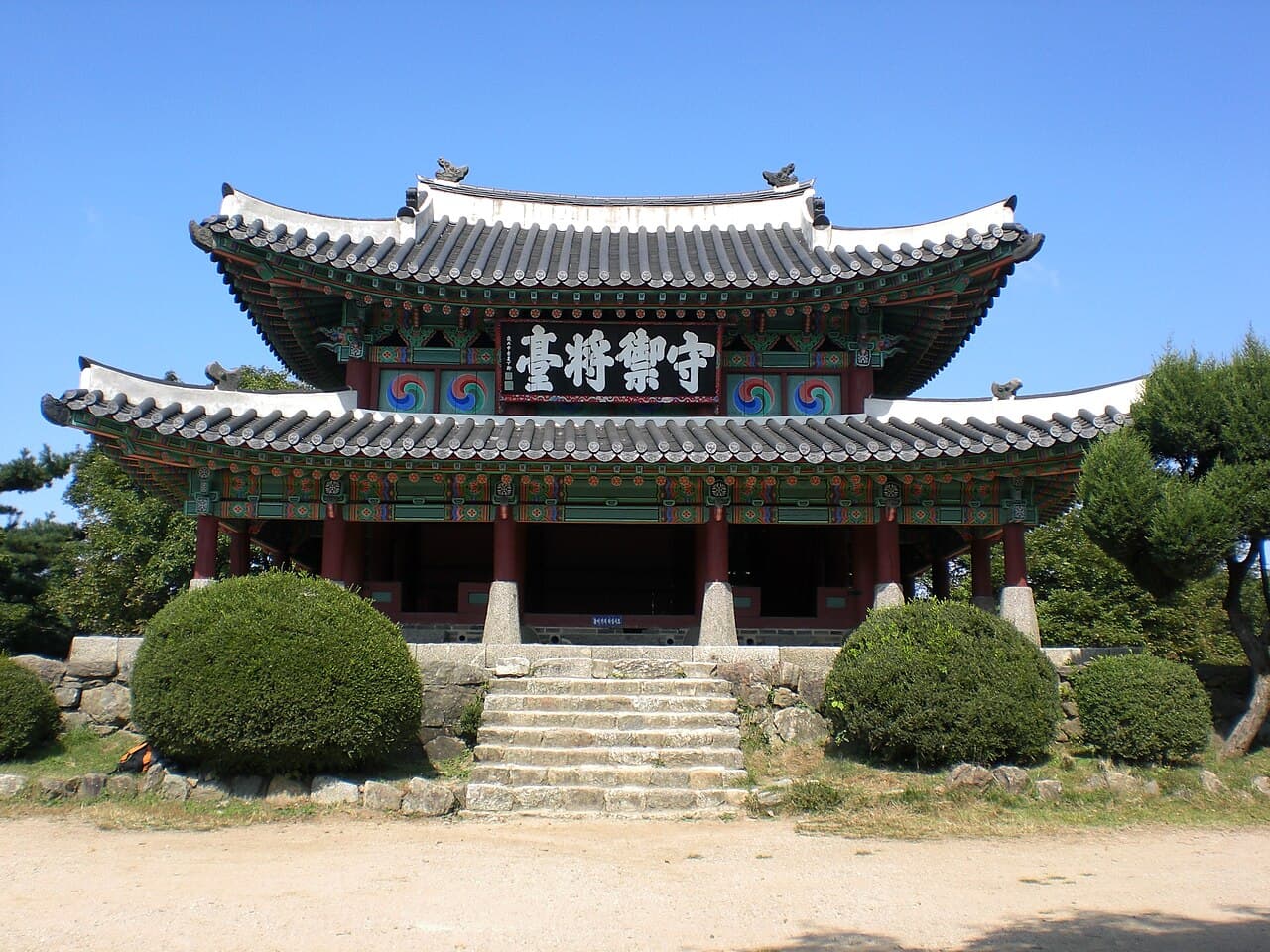
Sueojangdae's architecture reflects traditional Korean hill castle design, characterized by stone walls adapted to the contours of the hill. The fortifications typically include curved stone walls that follow the natural slope, watchtowers positioned for maximum visibility, and strategically placed gates to control access. The use of natural rock formations for defensive advantage is a hallmark of such structures.
Inside the walls, the castle would have contained military barracks, storage facilities, and possibly command posts. The compact layout maximized defensive capability while accommodating the needs of stationed troops.
Defensive strategies
The elevation provided by the hill location allowed defenders to observe approaching enemies from a distance, giving ample time to prepare. The walls and gates were constructed to withstand sieges and assaults, with narrow passages and elevated battlements enhancing defensive effectiveness.
Cultural and heritage value
While Sueojangdae is less documented than some other Korean fortresses, it represents an important example of Korea's military architectural heritage. Hill castles like Sueojangdae are integral to understanding the region's historical defense systems and settlement patterns.
Preservation efforts for such sites vary, but they remain valuable for archaeological study and cultural tourism, offering insights into Korea's past military strategies and architectural ingenuity.
Visiting Sueojangdae
Due to limited documentation, visiting information is scarce. Potential visitors interested in Korean hill castles should consider exploring regional heritage sites where similar fortresses are preserved. These sites provide context for the role and construction of castles like Sueojangdae.
Frequently asked questions (FAQ)
- What is Sueojangdae?
- Sueojangdae is a historic castle located in the Republic of Korea, known for its strategic military significance during the Joseon Dynasty. It served as a watchtower and fortress, providing a panoramic view of the surrounding landscape and playing a crucial role in defense against invasions.
- When was Sueojangdae built?
- Sueojangdae was constructed in the 17th century, specifically during the reign of King Injo. The castle was built as part of the efforts to fortify the region against external threats, reflecting the military architecture of its time.
- Can I visit Sueojangdae?
- Yes, Sueojangdae is open to visitors who wish to explore its historical significance and enjoy the scenic views from its vantage points. Visitors can walk around the castle grounds and learn about its history through informational signage.
- What are the opening hours for Sueojangdae?
- Sueojangdae is typically open to the public from 9 AM to 6 PM, although hours may vary seasonally. It is advisable to check the official website or local resources for the most current information before planning your visit.
- Is there an admission fee to enter Sueojangdae?
- There is no admission fee to enter Sueojangdae, making it an accessible destination for all visitors. However, donations are appreciated to help with the maintenance and preservation of the site.
- When is the best time to visit Sueojangdae?
- The best time to visit Sueojangdae is during the spring and autumn months, when the weather is mild and the scenery is particularly beautiful. These seasons offer pleasant temperatures and vibrant foliage, enhancing the overall experience.
- What nearby attractions can I explore while visiting Sueojangdae?
- While visiting Sueojangdae, you can explore nearby attractions such as the scenic parks and cultural sites that reflect the rich history of the region. Additionally, local markets and eateries offer a taste of the area’s cuisine and culture, making it a well-rounded visit.
- Is Sueojangdae accessible for people with disabilities?
- Sueojangdae has made efforts to improve accessibility for visitors with disabilities, including paved paths and rest areas. However, due to the nature of the historic site, some areas may still present challenges, so it's best to contact the site in advance for specific accessibility information.
Photo gallery

Information
Loading map...
Visitor reviews
No reviews yet. Been here? Write the first review and help other travelers!
Write the first reviewVisited this castle? Share your experience
Your review helps other travelers and adds first-hand knowledge to our encyclopedia.