Namhansanseong
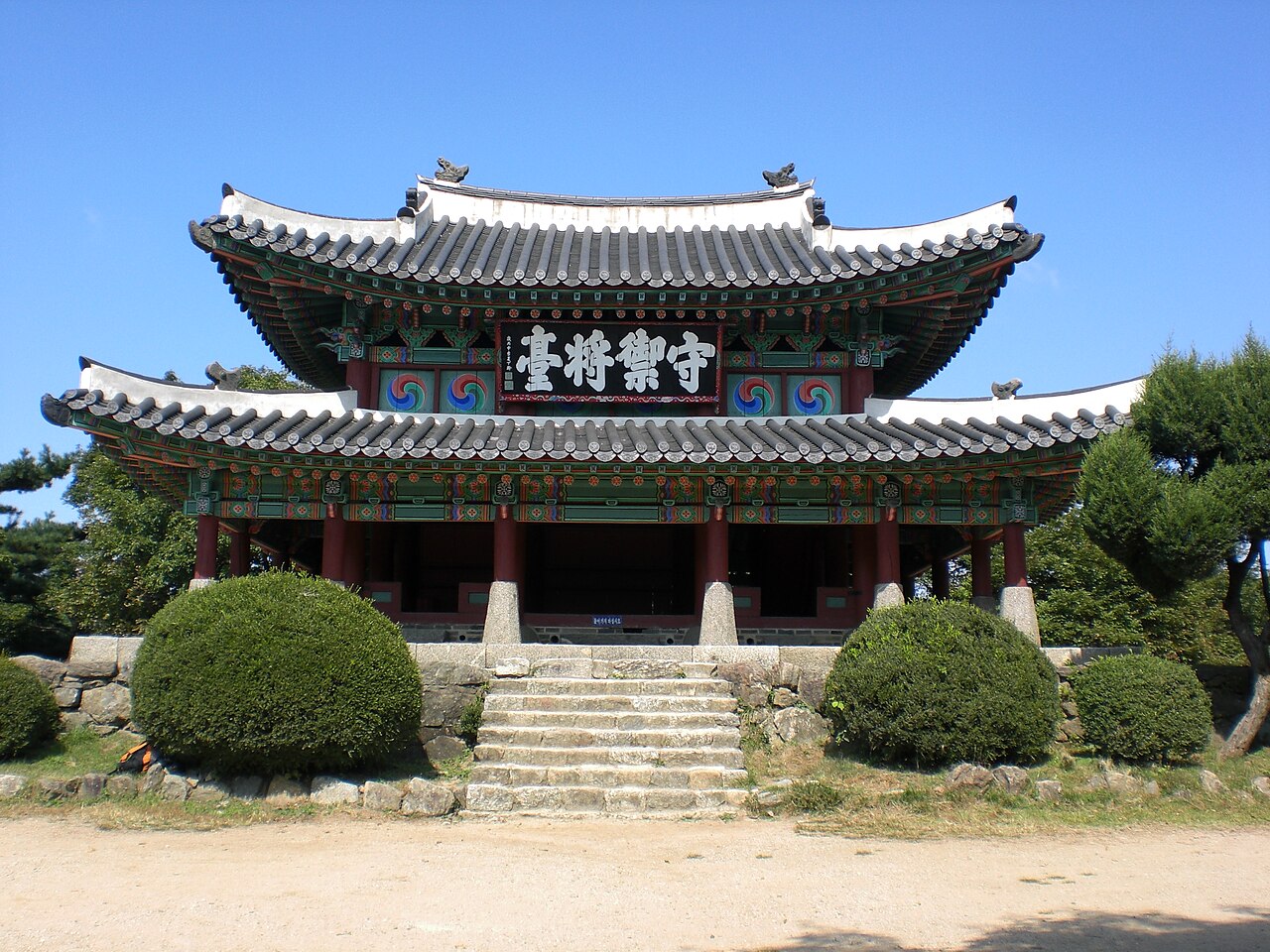
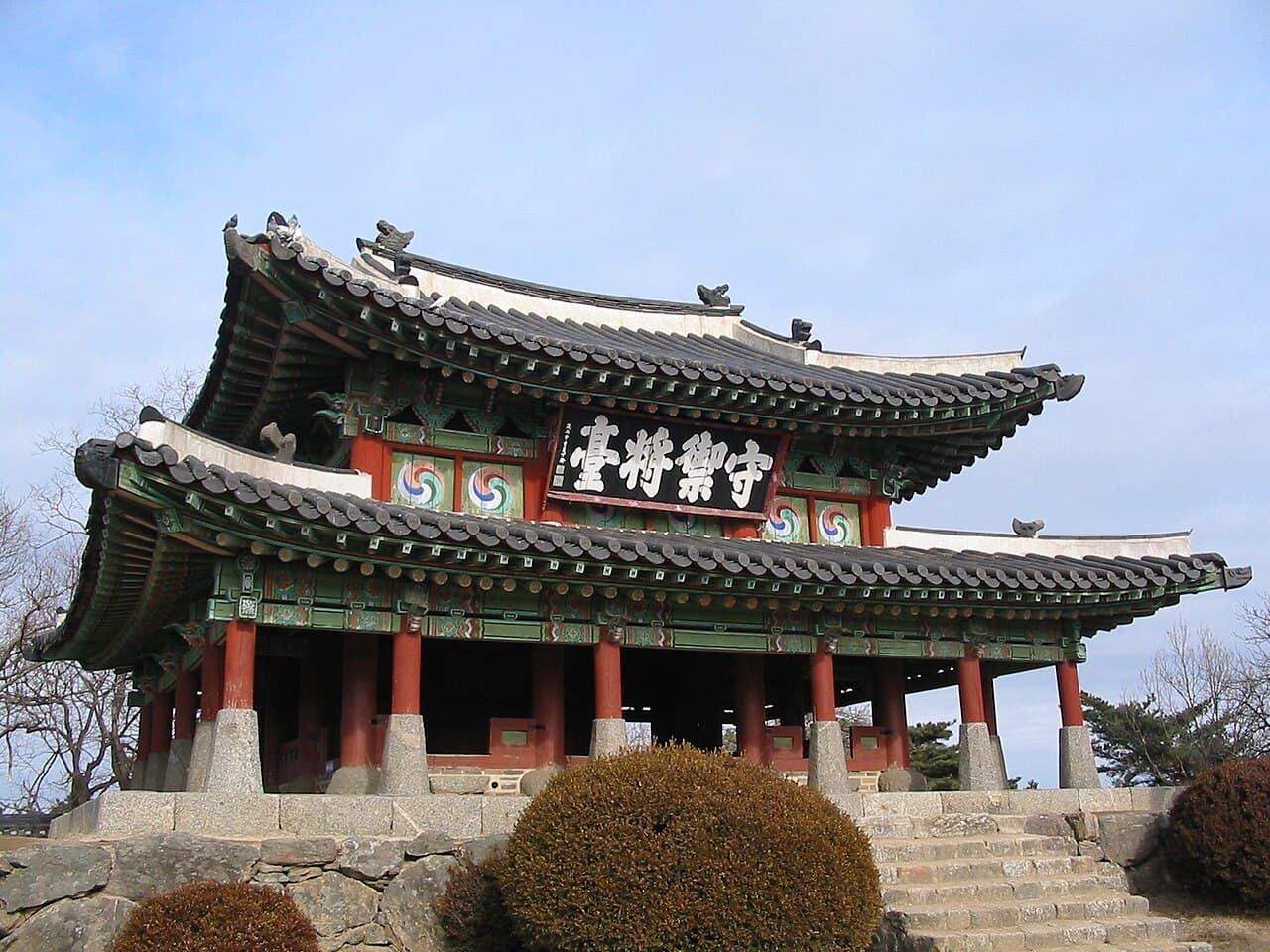
Namhansanseong (Korean: 남한산성; Hanja: 南漢山城) is a significant historic fortress city located in Gwangju, Gyeonggi Province, South Korea. This UNESCO World Heritage Site is perched atop Namhan Mountain, spanning approximately 12 kilometers in length. It served as an emergency capital during the Joseon dynasty from 1392 to 1910, reflecting its critical role in Korean history and defense.
The fortress is an outstanding example of East Asian fortress architecture, uniquely blending the defensive design principles of Joseon Korea, the Azuchi-Momoyama period of Japan, and the Ming and Qing dynasties of China. This synthesis of styles illustrates the cultural and military exchanges in the region during the 16th to 18th centuries.
Strategic location and architectural design
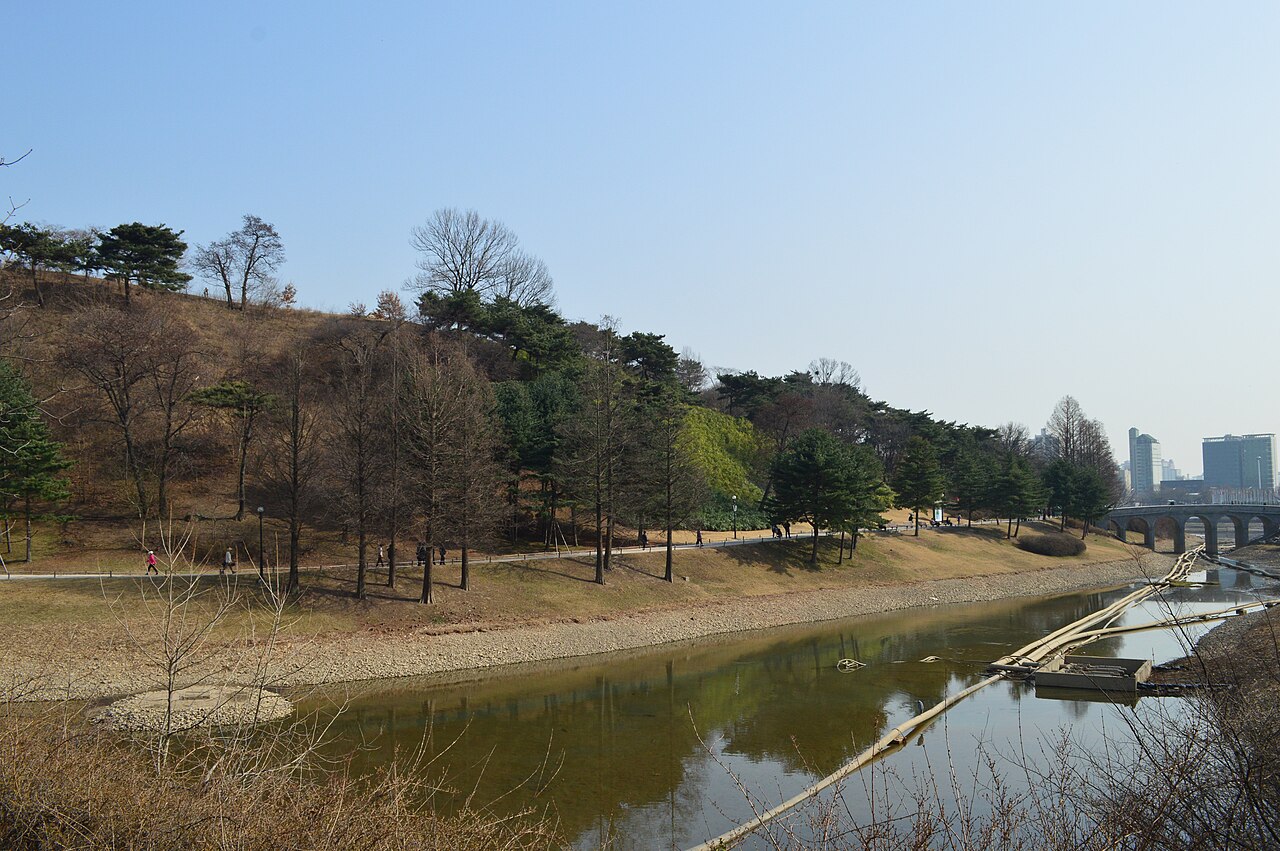
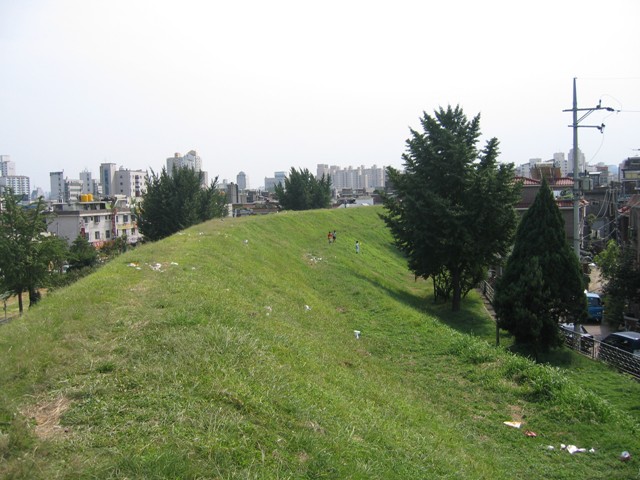
Namhansanseong is strategically situated on a mountain ridge, providing commanding views of the surrounding terrain and Seoul to the northwest. The fortress's extensive stone walls follow the natural contours of the mountain, creating a formidable barrier against invaders. Its design incorporates bastions—projecting parts of the walls that allow defensive fire in multiple directions—reflecting the influence of Renaissance-era military architecture that adapted to the advent of gunpowder weaponry.
The fortress complex includes multiple gates, watchtowers, military barracks, armories, and residential quarters, demonstrating how it functioned both as a military stronghold and a place of refuge for the royal court and civilians during wartime. The walls are punctuated by arrow slits and cannon embrasures, showcasing the integration of traditional Korean defensive features with innovations necessitated by firearms.
Integration of daily life and defense
Unlike many purely military fortresses, Namhansanseong was designed to support a sustained population during sieges. It contains water reservoirs, granaries, and temples, reflecting the need to maintain both physical sustenance and spiritual well-being. The fortress’s layout reveals a careful balance between defensive requirements and the everyday living environment of its inhabitants.
Historical context and military significance
The fortress was extensively developed during a period marked by frequent conflicts, including the Japanese invasions of Korea (1592–1598) and later threats from the Manchu invasions. The introduction of gunpowder weapons imported from Europe during this period significantly influenced the fortress's architectural evolution, leading to adaptations such as thicker walls and bastioned defenses to withstand artillery attacks.
Namhansanseong served as a refuge for the Korean royal family and government officials during times of crisis, most notably during the Second Manchu invasion in 1636, when King Injo took shelter here. The fortress's role as an emergency capital underscores its importance in the political and military history of the Joseon dynasty.
Buddhism and cultural symbolism
The fortress also embodies the influence of Buddhism in Korean statecraft and defense. Several Buddhist temples within the walls highlight the spiritual dimension of the fortress, serving both religious and morale-boosting functions for defenders and residents. Namhansanseong became a symbol of Korean sovereignty, resilience, and cultural identity during turbulent periods.
Preservation and modern access
Today, Namhansanseong is well preserved and managed as a cultural heritage site, attracting scholars, tourists, and history enthusiasts. Visitors can explore its extensive walls, gates, temples, and military structures, gaining insight into the fortress’s multifaceted history and architectural ingenuity.
The fortress is accessible from Seoul via the Namhansanseong station on Seoul Subway Line 8, making it a convenient destination for those interested in Korean history and military architecture.
Overall, Namhansanseong stands as a rare example of a bastioned mountain fortress that integrates traditional East Asian design with Renaissance military innovations, reflecting the dynamic historical forces that shaped Korea during the early modern period.
Frequently asked questions (FAQ)
- How do I get to Namhansanseong?
- Namhansanseong is accessible by public transportation, with buses and subway options available from central Gwangju. Consider taking a taxi for a more direct route, especially if you're traveling with family or a group.
- What is the historical significance of Namhansanseong?
- Namhansanseong is a UNESCO World Heritage site known for its role as a fortress during the Joseon Dynasty. It served as a military defense and a refuge for the royal family during invasions, reflecting the historical struggles of Korea.
- When was Namhansanseong built?
- Construction of Namhansanseong began in 1624 and was completed in 1636. The fortress was built as a strategic military site to protect against foreign invasions, particularly during the turbulent period of the 17th century.
- Can I explore the castle grounds on my own?
- Yes, visitors are welcome to explore the castle grounds independently. However, guided tours are also available for those who wish to learn more about the history and architecture of the site.
- Why is Namhansanseong considered an architectural marvel?
- Namhansanseong features impressive stone walls, gates, and watchtowers that showcase the advanced military architecture of the time. Its design harmonizes with the natural landscape, making it a unique blend of human ingenuity and nature.
- Is it possible to visit Namhansanseong year-round?
- Yes, Namhansanseong is open year-round, though some facilities may have reduced hours during the winter months. Check local listings for specific details about opening hours and possible seasonal events.
- What is the best time to visit Namhansanseong?
- The best time to visit is during the spring (April to June) and autumn (September to November) when the weather is mild, and the scenery is particularly beautiful. These seasons also feature vibrant foliage, making your visit more enjoyable.
- Are there any nearby attractions to visit?
- Yes, nearby attractions include the beautiful hiking trails of the surrounding mountains and other historic sites like the Seongnam Arts Center. Make a day of it by exploring the natural beauty and cultural heritage of the area.
- What are the ticket prices for entry to Namhansanseong?
- Ticket prices for Namhansanseong are generally quite affordable, with discounts available for students and groups. Be sure to check the official website for the most current pricing information before your visit.
- What are the opening hours for Namhansanseong?
- Namhansanseong is typically open from 9 AM to 6 PM, but hours may vary by season. It’s advisable to verify the current hours online prior to your visit to ensure you have ample time to explore.
Photo gallery

Information
Loading map...
Visitor reviews
No reviews yet. Been here? Write the first review and help other travelers!
Write the first reviewVisited this castle? Share your experience
Your review helps other travelers and adds first-hand knowledge to our encyclopedia.