Pungnaptoseong
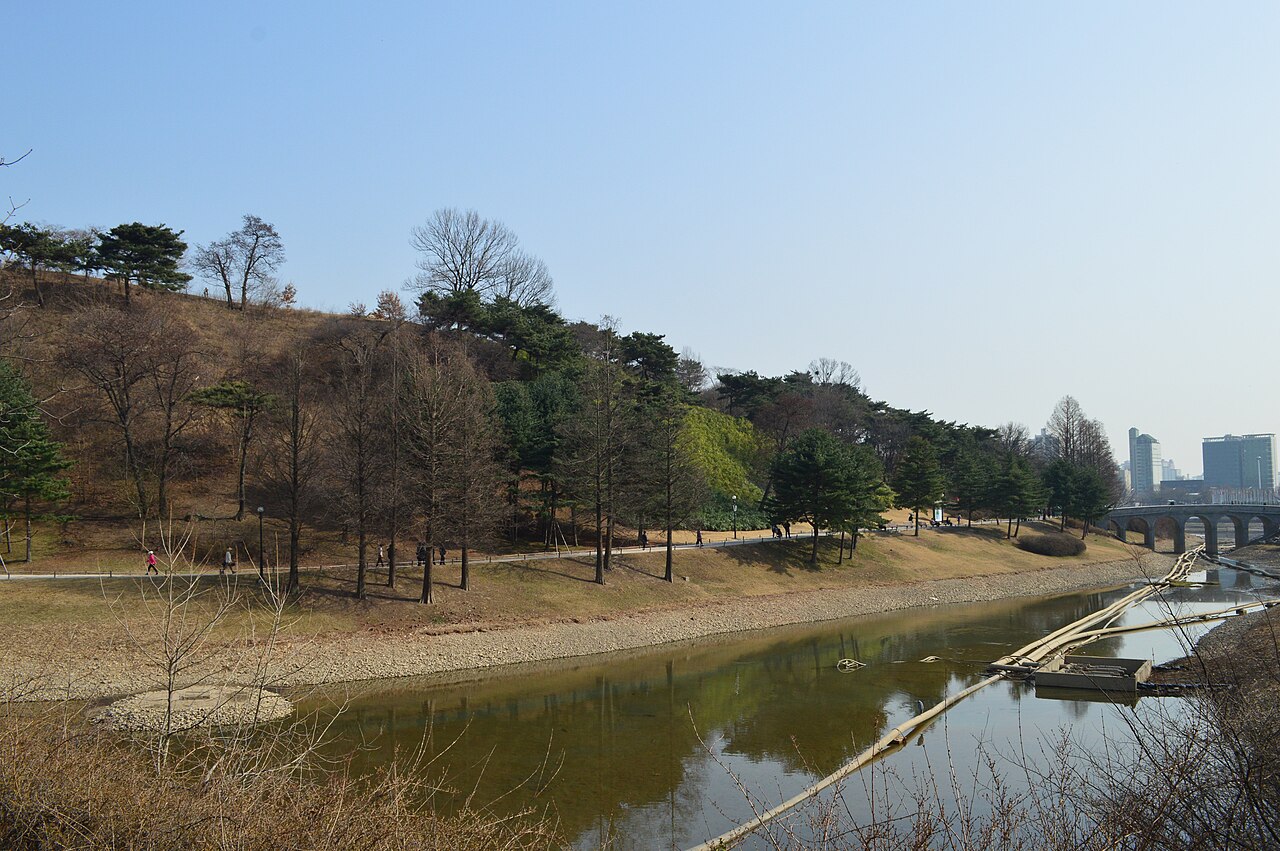
Pungnaptoseong (Korean: 풍납토성; Hanja: 風納土城) is a significant archaeological site located in Pungnap-dong, Songpa-gu, Seoul, South Korea. This ancient flat earthen wall fortress stretches along the edge of the Han River and is notable for its large oval shape with a circumference of approximately 3.5 kilometers. Historically, it was part of the neighboring city of Gwangju before becoming incorporated into Seoul. The fortress is widely believed to be the site of Hanam Wiryeseong, the first capital of the Baekje Kingdom, one of the Three Kingdoms of Korea, based on archaeological research and historical records.
Historical significance and origins
The construction of Pungnaptoseong dates back to the early centuries of the Baekje Kingdom, around the 1st century BCE to 3rd century CE. It served as a critical defensive and administrative center during Baekje's formative years. The fortress's strategic location near the Han River allowed control over riverine trade routes and provided a natural defense barrier. Its identification as Hanam Wiryeseong links it directly to the origins of Baekje's political and cultural development.
Architectural features and construction techniques
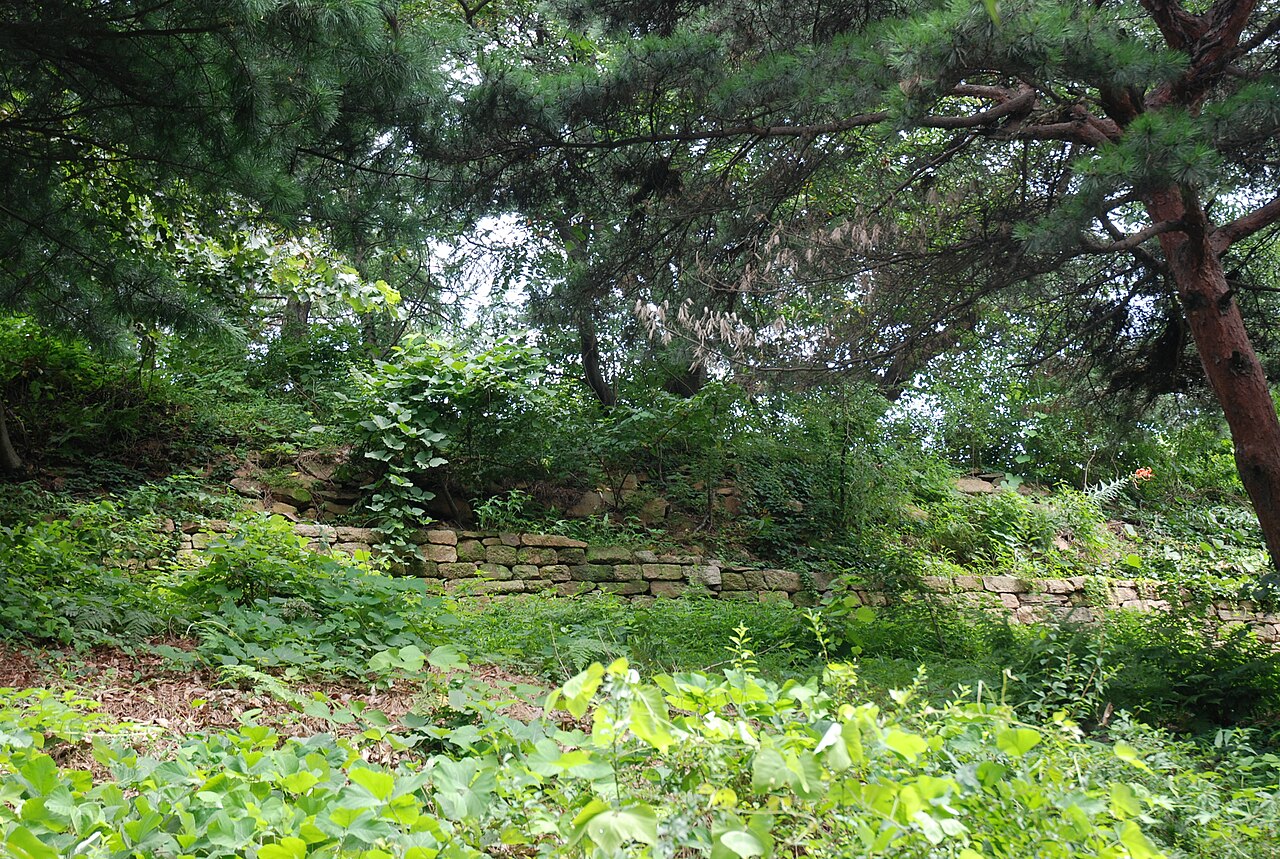
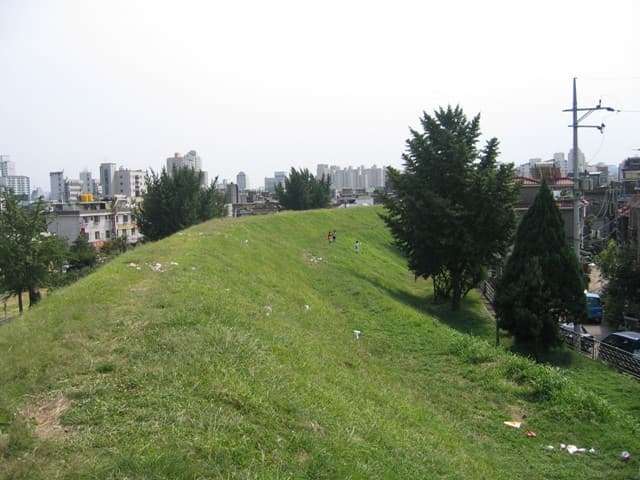
The fortress features a long oval shape that extends primarily north to south, with a slight eastward lean. Originally, it enclosed an area of nearly 859,508 square meters. The walls were constructed using layers of earth, including sandy soil, grit, clayish soil, and muddy soil, heaped at a slant to form a sturdy inner wall. On top of this earthen base, builders laid three layers of pebbles to enhance stability and drainage.
Above the pebble layers, trimmed stones were carefully piled to a height of about 1.5 meters, bonded with natural soil mud. The central part of the wall was shaped in a trapezoid, with a base width of approximately 7 meters and a height of 5 meters. This construction method provided both strength and resilience against natural elements and potential attacks.
Today, only about 2.7 kilometers of the original walls remain intact. The western section of the wall suffered destruction due to flooding, but the remaining structure still offers valuable insights into ancient Korean fortification techniques.
Archaeological research and preservation
Extensive archaeological excavations have been conducted since the Japanese occupation period, revealing artifacts and structural details that support the fortress's identification as the Baekje capital. These findings include pottery, tools, and remnants of buildings within the enclosed area, shedding light on the daily life and governance of Baekje during its early history.
Preservation efforts focus on maintaining the remaining sections of the earthen walls and protecting the site from urban development pressures. As an important cultural heritage site, Pungnaptoseong provides valuable educational opportunities and attracts scholars interested in Korea's ancient history.
Geographical context and surroundings
Situated near the Han River, the fortress's location was chosen for its natural defensive advantages and access to waterways. The surrounding landscape includes modern urban areas of Seoul, but the site itself retains its historical contours and earthworks.
The proximity to the river not only facilitated transportation and trade but also influenced the fortress's design, especially in terms of drainage and flood prevention measures incorporated into the wall construction.
Visiting Pungnaptoseong today
Visitors to Pungnaptoseong can explore the remaining earthen walls and gain insight into ancient Korean fortification methods. Interpretive signage and guided tours provide historical context, highlighting the site's importance as Baekje's first capital.
The site is accessible within Seoul's public transportation network, making it an attractive destination for those interested in Korean history and archaeology. While much of the fortress exists as ruins, its scale and construction continue to impress visitors.
Educational and cultural importance
Pungnaptoseong serves as a tangible connection to Korea's early state formation and cultural heritage. It offers an invaluable resource for historians, archaeologists, and the general public to understand the evolution of Korean fortifications and urban planning during the Three Kingdoms period.
Its designation as an archaeological site ensures ongoing research and conservation, preserving this ancient landmark for future generations.
Frequently asked questions (FAQ)
- What is the historical significance of Pungnaptoseong?
- Pungnaptoseong is believed to be the site of Hanam Wiryeseong, the first capital of the Baekje Kingdom, making it a key location in early Korean history.
- How can I visit Pungnaptoseong?
- Pungnaptoseong is located in Seoul's Songpa-gu district and is accessible by public transportation. The site is open daily from 9:00 to 18:00 with free admission.
- What remains of the fortress today?
- About 2.7 kilometers of the original 3.5-kilometer earthen walls remain, showcasing ancient construction techniques and the fortress's large scale.
- Are there guided tours available at Pungnaptoseong?
- Guided tours and interpretive signage are available to help visitors understand the historical and archaeological context of the site.
- Why was Pungnaptoseong built near the Han River?
- The location near the Han River provided natural defense, control over trade routes, and access to water, which were strategic advantages for the Baekje Kingdom.
Photo gallery

Information
Opening hours
9:00-18:00, daily
Ticket prices
Free
Current owner
Municipality
Address
Pungnap-dong, Songpa-gu, Seoul, South Korea
Loading map...
Visitor reviews
No reviews yet. Been here? Write the first review and help other travelers!
Write the first reviewVisited this castle? Share your experience
Your review helps other travelers and adds first-hand knowledge to our encyclopedia.