Sudeley Castle
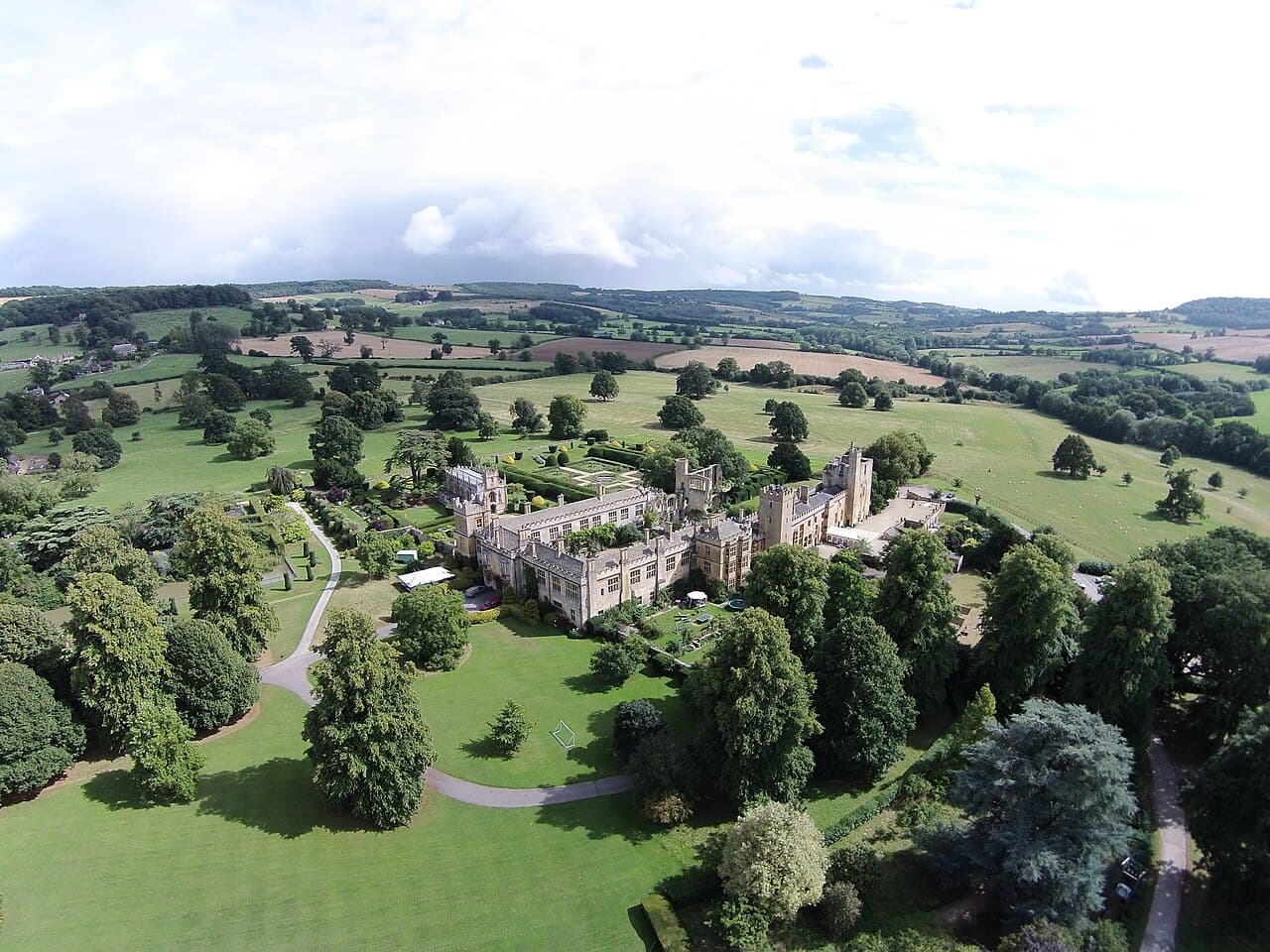
Sudeley Castle stands as a remarkable example of a late medieval hill castle nestled in the picturesque Cotswolds near Winchcombe, Gloucestershire. Its rich history spans several centuries, marked by royal connections, architectural evolution, and a unique status as one of the few English castles still used as a private residence. The castle is celebrated for its beautifully maintained gardens and its significant role in English history, particularly during the Tudor period.
Early origins and medieval construction
The origins of Sudeley Castle trace back to the 12th century, initially established as a fortified manor house. The castle as it largely stands today began taking shape in 1443 under the direction of Ralph Boteler, Lord High Treasurer of England. Boteler constructed a double courtyard castle on the earlier site, creating a division between the outer courtyard for servants and men-at-arms, and the inner courtyard reserved for his family. This design reflects typical late medieval defensive architecture, emphasizing both protection and domestic comfort.
The castle’s strategic location on a hill provided natural defense advantages, characteristic of a hill castle. Its construction utilized local yellow Cotswold limestone, arranged in a figure-eight layout around two enclosed courtyards. The surviving wings are predominantly two stories tall, featuring low hipped slate roofs and crenellated parapets, elements typical of the period's fortified manor houses transitioning into castles.
Royal associations and the wars of the roses
In the late 15th century, Sudeley Castle came under royal control, first passing to King Edward IV and subsequently to King Richard III. Richard III notably enhanced the castle by adding a grand banqueting hall, a space designed for feasting and royal ceremonies, which also included adjoining royal bedchambers. The hall’s oriel windows bear motifs resembling the White Rose of York, symbolizing the Yorkist dynasty.
Richard III used Sudeley as a military base during the Wars of the Roses, particularly before the Battle of Tewkesbury in 1471, a decisive conflict in this dynastic struggle. The castle’s role during this period underscores its strategic importance and its function as a fortified stronghold in national conflicts.
Tudor era significance and queen catherine parr
The castle’s Tudor legacy is one of its most compelling aspects. King Henry VIII visited Sudeley in 1535 accompanied by Anne Boleyn, marking the castle’s importance as a royal residence. Later, it became the home of Henry’s sixth wife, Queen Catherine Parr, who lived there with her second husband, Thomas Seymour. Catherine Parr’s death in 1548 and her burial in the castle’s St. Mary's Chapel make Sudeley unique as the only privately owned English castle with a queen buried on its grounds.
The chapel itself is a Grade I listed building dating from around 1460, featuring 15th- and 16th-century battlements, gargoyles, and crockets on its buttresses. Its Victorian interior includes a black-and-white marble floor and houses the neo-Gothic canopied tomb of Catherine Parr, designed by George Gilbert Scott and sculpted by John Birnie Philip in 1859.
Post-tudor ownership and elizabethan celebrations
Following the Tudor period, the castle was owned by the Chandos family. It gained further historical prominence when Queen Elizabeth I visited three times. Notably, in 1592, Giles Brydges, 3rd Baron Chandos, hosted a grand three-day celebration at Sudeley to commemorate the defeat of the Spanish Armada. This event highlighted the castle’s continued role as a site of political and social significance during the Elizabethan era.
Civil war impact and subsequent ruination
During the English Civil War in the 17th century, Sudeley Castle served as a royalist military base for King Charles I and Prince Rupert. The castle endured multiple sieges and changed hands several times. In 1649, Parliament ordered the castle to be slighted, a deliberate process of damaging fortifications to prevent further military use. This action dismantled much of the inner courtyard and royal apartments, leaving the outer courtyard largely intact but marking the beginning of the castle’s decline into ruin.
19th-century restoration by the dent family
For nearly two centuries, Sudeley remained largely in ruins until its purchase in 1837 by the wealthy Dent family, prominent glove manufacturers. The Dents undertook extensive restoration efforts, preserving parts of the castle as picturesque ruins while rebuilding and expanding other sections. John and William Dent, followed by John Croucher Dent and his wife Emma Brocklehurst Dent, were instrumental in these renovations.
Emma Dent was particularly influential in developing the castle’s gardens and hosting large social events, contributing to the estate’s cultural revival. The Victorian restorations included additions such as the 18-foot-wide corridor separating the inner and outer courtyards, built in 1889, and the remodeling of the outer courtyard buildings.
Architectural features and surviving structures
The castle’s surviving structures include the three-story jail tower, originally a donjon or keep dating from around 1442. Despite its name, it was not primarily a prison but a fortified residence. The tower’s ground and first floors have been restored and now house a café and gift shop.
The Portmare Tower, a five-story structure at the northern end of the western wing, was built under Ralph Boteler and named after a French admiral whose ransom helped fund the castle’s construction. This tower retains original 15th-century stonework on its north and west sides, with Victorian restorations on the other faces. Each floor contains a single room, with the ground floor featuring ambulatories, or walkways around the room.
The ruins of the late 15th-century banqueting hall, attributed to Richard III, lie opposite the western wing. Originally, the hall served as a grand feasting space with an upper great hall and royal bedchambers. Today, it is partly ruined and transformed into a garden area adorned with climbing roses and ivy, with ongoing conservation efforts to stabilize the structure.
The Garderobe Tower, featuring a projecting oriel window from 1572, stands at the eastern end of the 19th-century corridor separating the courtyards. Its west side dates to the mid-15th century, while the east side is later. The ground floor includes a loggia, an open gallery or corridor.
The outer courtyard buildings mostly date from the 15th century but were extensively remodeled during the Victorian era. The central gatehouse in the northern wing, built around 1442, was originally accessed by a drawbridge over a now-absent moat.
Chapel and garden highlights
The castle’s St Mary’s Chapel is a key feature, renowned for its historical and architectural significance. The chapel is a Grade I listed building with exterior details such as battlements, gargoyles, and crockets. Its interior Victorian design complements the neo-Gothic tomb of Queen Catherine Parr.
The extensive gardens cover approximately 15 acres and are divided into ten distinct areas. The Queen’s Garden is a Victorian replanting of an original Elizabethan parterre garden, surrounded by large yew hedges dating from 1860. The Knot Garden features over 1,200 box hedges arranged in a pattern inspired by the dress of Queen Elizabeth I, reflecting the castle’s deep ties to Tudor history.
The White Garden, bordering the chapel, includes peonies, clematis, roses, and tulips. It was historically a place of prayer for Catherine Parr and Lady Jane Grey, adding a spiritual dimension to the landscape.
Collections and cultural significance
Sudeley Castle houses an extensive art collection, including pieces acquired from the 1842 Strawberry Hill House Sale of Horace Walpole’s collection, Victorian-era additions, and the James Morrison collection. Noteworthy artworks include a Tudor succession allegory attributed to Lucas de Heere, a painting by J.M.W. Turner, a Van Dyck portrait of Rubens, Bernardino Luini’s "Flora," and miniatures of Henry VIII and Catherine Parr.
The castle’s textile collection, assembled by Emma Dent, features rare items such as Louis XV Aubusson bed hangings, a waistcoat believed to have belonged to Charles I, a 16th-century lace canopy attributed to Anne Boleyn, a fragment of Catherine Parr’s dress, and an early 17th-century Sheldon tapestry with biblical and floral motifs. This collection was once loaned to the Victoria and Albert Museum, underscoring its significance.
Modern use and public access
Today, Sudeley Castle remains a private residence owned by the Dent-Brocklehurst family, with Elizabeth, Lady Ashcombe as the current custodian. The castle is open to visitors on specific dates, with private family quarters closed to the public. It hosts weddings, cultural events, and educational exhibitions that showcase its millennium of history.
The castle also manages one of the world’s largest public collections of endangered pheasants, operating in cooperation with the World Pheasant Association. This breeding and reintroduction program enhances the estate’s ecological importance.
Despite challenges such as the theft of valuable items in 2019 and operational restrictions during the COVID-19 pandemic, ongoing restoration and conservation efforts ensure that Sudeley Castle remains a vital cultural and historical landmark in Gloucestershire.
Nearby historical structures and landscape features
Near the castle lie several notable structures, including the North Lodge gatehouse, built in 1886 by John Drayton Wyatt for Emma Dent. This Grade II listed building features battlements and string courses separating its three floors. The West Gate, also known as Almsbury Lodge, was constructed in 1893 as the western approach to the castle.
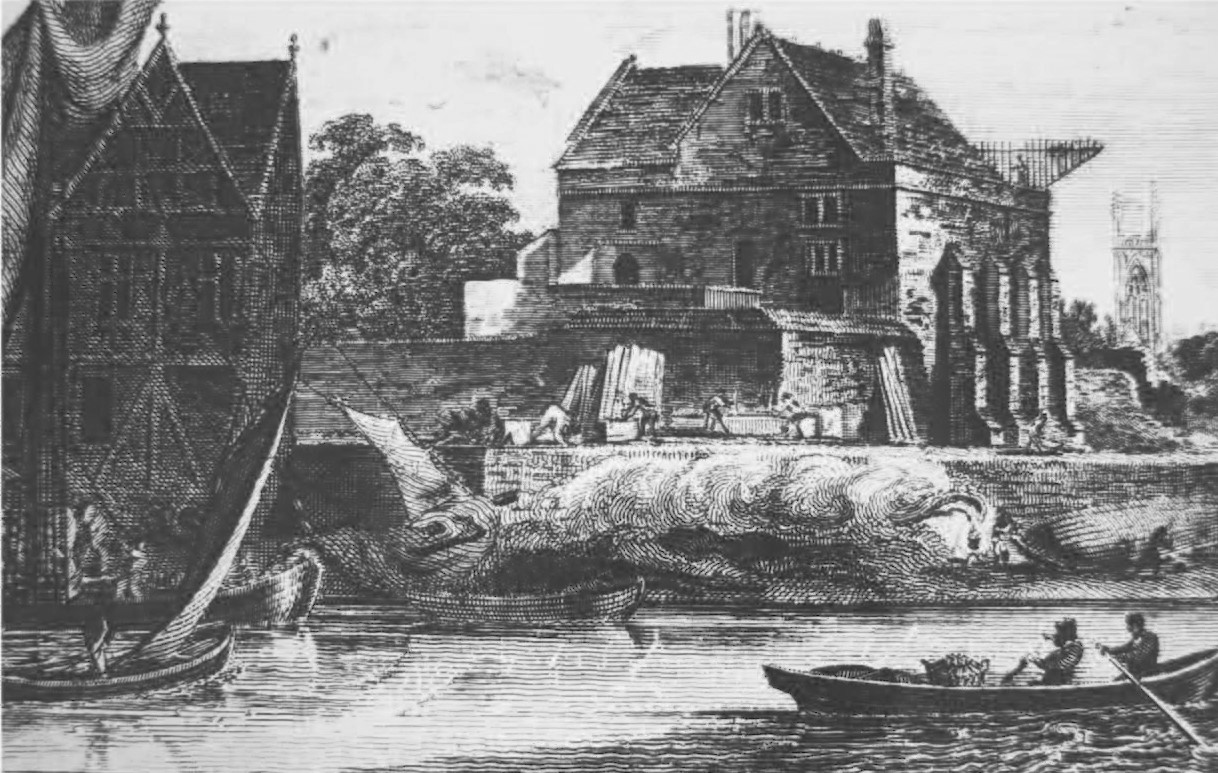
Approximately 100 meters northwest of the main castle are the ruins of the tithe barn of Winchcombe Abbey, originally from the late 15th century and rebuilt in the 18th century before being destroyed by fire. This Grade I listed ruin once featured 13 bays with pointed arched openings and served both residential and agricultural functions.
East of the barn lies a nearly 50-meter-long rectangular carp pond stocked with koi fish, created around 1930. This replaced a former hedge maze established during Emma Dent’s time, reflecting the evolving landscape design of the estate.
Frequently asked questions (FAQ)
- What are the opening hours for Sudeley Castle?
- Sudeley Castle is typically open from 10:30 AM to 4:30 PM during the main season, which runs from March to October. During the winter months, the castle may have reduced hours or be closed, so it's best to check the official website for the most accurate and up-to-date information.
- How do I get to Sudeley Castle?
- Sudeley Castle is located in Winchcombe, a picturesque town in the Cotswolds. You can reach it by car via the A4019 or take public transport to Winchcombe and enjoy a short walk to the castle.
- Can I bring my dog to Sudeley Castle?
- While dogs are not permitted inside the castle buildings, they are welcome in the gardens and grounds, provided they are kept on a lead. There are plenty of areas to explore with your furry friend.
- What is the historical significance of Sudeley Castle?
- Sudeley Castle has a rich history, dating back to the 15th century, and is known for its connections to Queen Katherine Parr, the last wife of King Henry VIII. The castle has played a significant role in English history, serving as a royal residence and a strategic stronghold during the English Civil War.
- Is it possible to host events at Sudeley Castle?
- Yes, Sudeley Castle offers a range of event spaces for weddings, corporate events, and private functions. With its stunning gardens and historic interiors, it provides a unique and memorable setting for any occasion.
- When is the best time to visit Sudeley Castle?
- The best time to visit Sudeley Castle is during the spring and summer months when the gardens are in full bloom, and outdoor events are often held. However, autumn also offers beautiful foliage, and the castle is less crowded during this season.
- What are the ticket prices for visiting Sudeley Castle?
- Ticket prices for Sudeley Castle vary depending on age and group size, with discounts available for children, seniors, and families. It's advisable to purchase tickets in advance online for the best rates and to avoid long waits at the entrance.
- Are there any nearby attractions to visit?
- Yes, there are several attractions near Sudeley Castle, including the charming town of Winchcombe, the picturesque Cotswold countryside, and the historic Cheltenham. Visitors can enjoy exploring local shops, cafes, and scenic walking trails in the surrounding area.
- Is Sudeley Castle accessible for visitors with disabilities?
- Sudeley Castle strives to be accessible for all visitors, with wheelchair-friendly paths in the gardens and certain areas of the castle. It's recommended to contact the castle in advance for specific accessibility needs to ensure a comfortable visit.
Photo gallery

Information
Website
Visit websiteSources & official resources
Verify the information above using these authoritative references.
Loading map...
Visitor reviews
No reviews yet. Been here? Write the first review and help other travelers!
Write the first reviewVisited this castle? Share your experience
Your review helps other travelers and adds first-hand knowledge to our encyclopedia.