Sturefors Castle
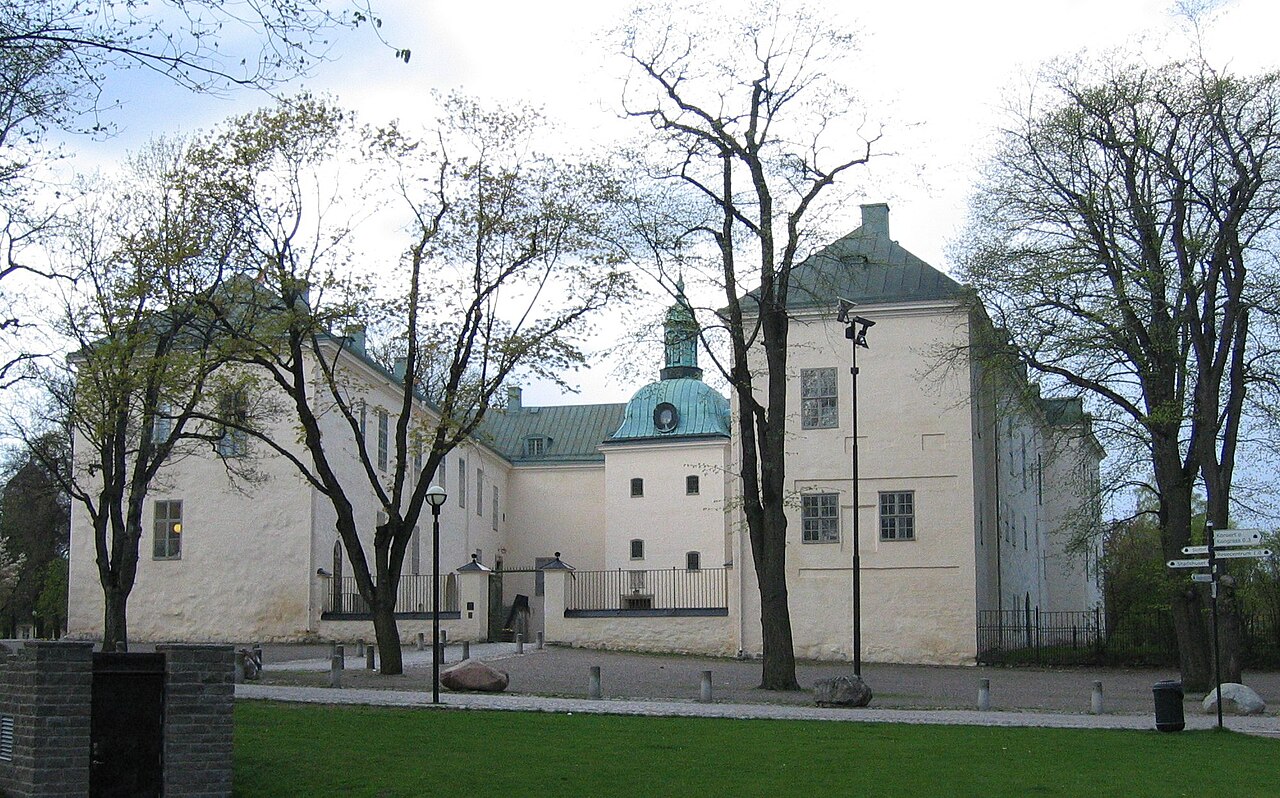
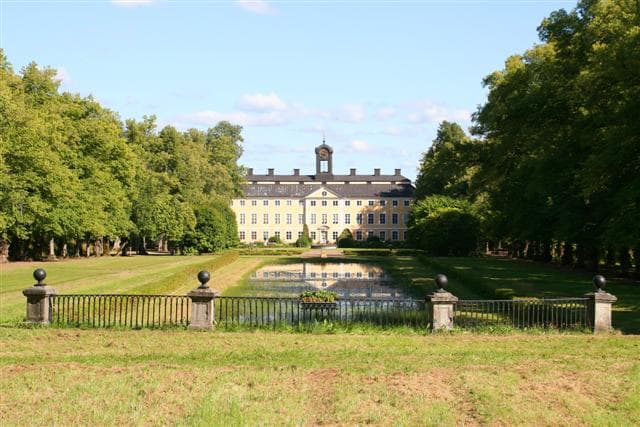
Sturefors Castle is a distinguished three-storey stone mansion located just outside Linköping in the province of Östergötland, Sweden, near the scenic lake Ärlången. This castle is a notable example of early 18th-century architecture, designed by the renowned architect Nicodemus Tessin the Younger and completed in 1704. It stands on the site of an earlier fortress built in the 16th century by the nobleman Ture Bielke. Today, Sturefors Castle remains privately owned by the Bielke family and is not open to the public.
Historical background and origins
The origins of Sturefors Castle trace back to the late 1500s when Ture Bielke (1548–1600), a member of the Swedish riksråd (privy council), constructed the original fortress. This early structure served as a noble residence and defensive stronghold. However, only the north wing of the original 16th-century building survives today, offering a glimpse into the castle's medieval past.
In the early 18th century, the castle underwent a significant transformation. The statesman Carl Piper commissioned a new mansion to be built on the site as a dower house for his wife, Christina Piper. This project was entrusted to Nicodemus Tessin the Younger, one of Sweden's most prominent architects of the period, known for his contributions to Baroque and early Rococo architecture. The new building was completed in 1704, marking the transition of Sturefors from a medieval fortress to a refined aristocratic residence.
Architectural features and design
The present castle is a three-storey stone mansion that exemplifies the architectural style of the post-Renaissance period in Sweden. Nicodemus Tessin the Younger's design reflects the influence of Baroque architecture, characterized by symmetry, grandeur, and classical elements. The castle's facade is marked by balanced proportions and elegant detailing, typical of early 18th-century noble residences.
The layout includes a central block flanked by wings, with the surviving north wing of the original 16th-century castle integrated into the complex. The interior was originally designed to accommodate the lifestyle of the Swedish aristocracy, with spacious halls, reception rooms, and private chambers.
While the castle's exterior maintains its historic character, the interiors have undergone various changes over the centuries, adapting to the needs of its noble inhabitants. The castle's setting by lake Ärlången enhances its picturesque quality, combining natural beauty with architectural elegance.
Ownership and legacy
Following the death of Christina Piper in 1752, Sturefors Castle was inherited by her grandson, Nils Adam Bielke. Since then, it has remained in the possession of the Bielke family, one of Sweden's historic noble lineages. The castle is currently owned by a Count Bielke descendant, who maintains the property as a private residence.
Due to its private ownership, Sturefors Castle is not accessible to the public, preserving its status as a family estate. Despite this, the castle holds cultural and historical significance as a well-preserved example of early 18th-century aristocratic architecture in Sweden.
Location and surroundings
Sturefors Castle is situated in a tranquil rural setting outside the city of Linköping, a historic city in southern Sweden. The castle's proximity to lake Ärlången offers scenic views and a peaceful environment, characteristic of many Swedish country estates. The region of Östergötland is known for its rich history and concentration of castles and manor houses, making Sturefors part of a broader cultural landscape.
The castle's hilltop position classifies it as a hill castle, providing natural defensive advantages historically and contributing to its commanding presence in the landscape.
Preservation and current status
Sturefors Castle is currently in a well-preserved state, reflecting centuries of careful maintenance by its owners. The integration of the original 16th-century north wing with the 1704 mansion provides a tangible link between different architectural periods and styles.
Although not open for public tours, the castle remains an important example of Swedish noble architecture and the work of Nicodemus Tessin the Younger. Its preservation contributes to the understanding of aristocratic life and architectural trends in Sweden during the post-Renaissance era.
Frequently asked questions about Sturefors Castle
Can I visit Sturefors Castle?
Sturefors Castle is privately owned by the Bielke family and is not open to the public. Visitors can view the castle from a distance but cannot enter the property.
When was Sturefors Castle built?
The current castle was completed in 1704, designed by Nicodemus Tessin the Younger. It incorporates parts of an earlier 16th-century structure.
Who designed Sturefors Castle?
The castle was designed by Nicodemus Tessin the Younger, a prominent Swedish architect known for his Baroque style.
What architectural style is Sturefors Castle?
Sturefors Castle exhibits characteristics of the post-Renaissance period with strong Baroque influences.
Where is Sturefors Castle located?
The castle is located near Linköping in the province of Östergötland, Sweden, by lake Ärlången.
Is Sturefors Castle a hill castle?
Yes, Sturefors Castle is classified as a hill castle due to its elevated position overlooking the surrounding landscape.
Who owns Sturefors Castle today?
The castle remains in the ownership of the Bielke family, descendants of Christina Piper's grandson, Nils Adam Bielke.
Frequently asked questions (FAQ)
- Can I visit Sturefors Castle?
- Sturefors Castle is privately owned by the Bielke family and is not open to the public. Visitors can view the castle from a distance but cannot enter the property.
- When was Sturefors Castle built?
- The current castle was completed in 1704, designed by Nicodemus Tessin the Younger. It incorporates parts of an earlier 16th-century structure.
- Who designed Sturefors Castle?
- The castle was designed by Nicodemus Tessin the Younger, a prominent Swedish architect known for his Baroque style.
- What architectural style is Sturefors Castle?
- Sturefors Castle exhibits characteristics of the post-Renaissance period with strong Baroque influences.
- Where is Sturefors Castle located?
- The castle is located near Linköping in the province of Östergötland, Sweden, by lake Ärlången.
- Is Sturefors Castle a hill castle?
- Yes, Sturefors Castle is classified as a hill castle due to its elevated position overlooking the surrounding landscape.
- Who owns Sturefors Castle today?
- The castle remains in the ownership of the Bielke family, descendants of Christina Piper's grandson, Nils Adam Bielke.
Photo gallery

Information
Current owner
Private owner
Loading map...
Visitor reviews
No reviews yet. Been here? Write the first review and help other travelers!
Write the first reviewVisited this castle? Share your experience
Your review helps other travelers and adds first-hand knowledge to our encyclopedia.