Strutt's Park Roman fort
Strutt's Park Roman Fort was an early Roman military installation located in what is now a suburb of Derby, Derbyshire, England. Constructed around 50 AD, it represents one of the earliest Roman forts established in the region during the initial phase of Roman expansion into Britain. The fort was strategically positioned near the River Derwent, providing control over local waterways and facilitating the movement of troops and supplies.
Historical context and purpose
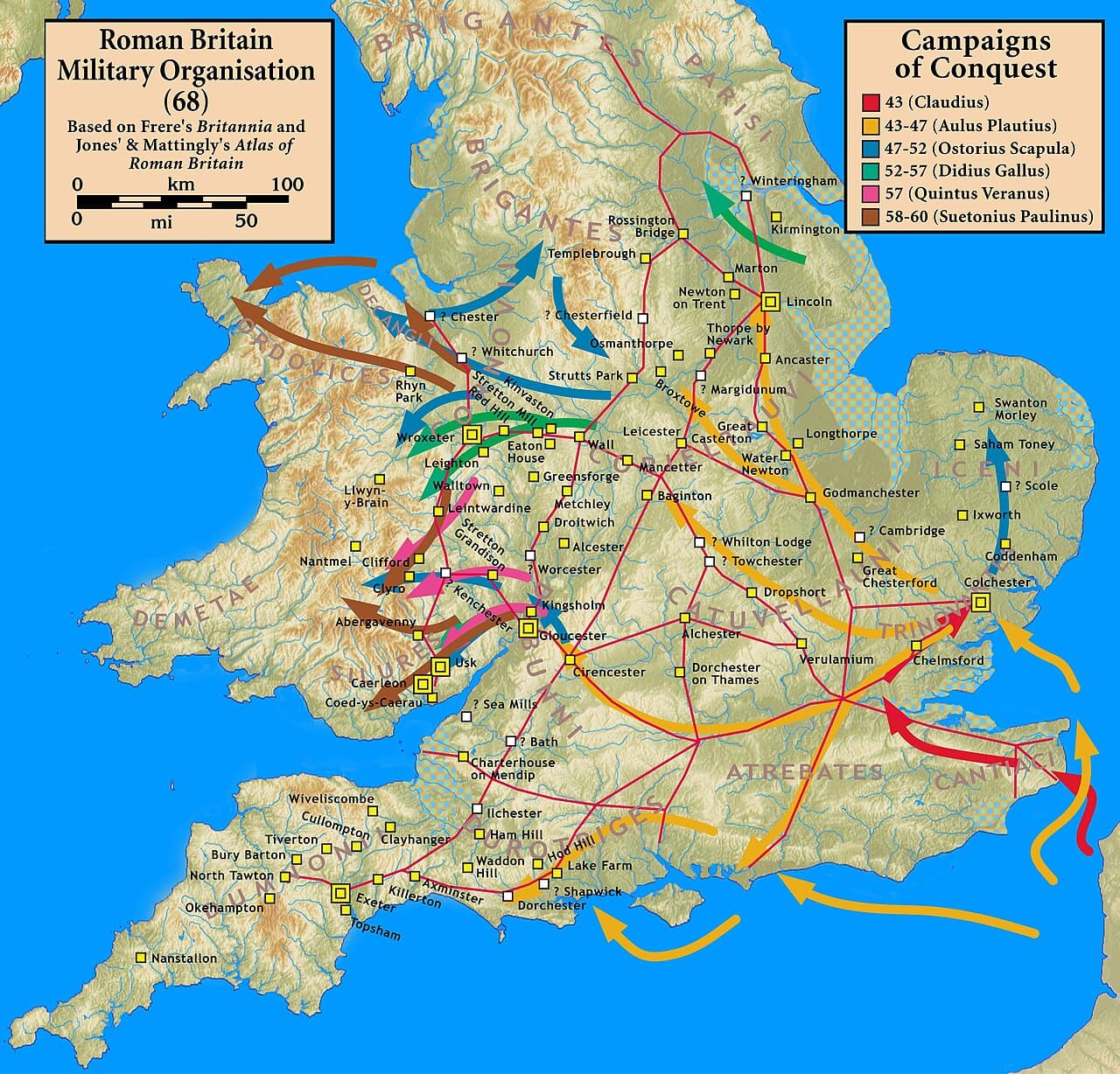
The fort was built during the early Roman conquest of Britain, a period marked by military campaigns led by the Roman governor Aulus Plautius and his successors. It served as a base for Roman forces operating in the area, which was then inhabited by various Celtic tribes. The establishment of such forts was crucial for maintaining Roman control, securing supply routes, and acting as a defensive stronghold against local resistance.
Construction and architectural features
Strutt's Park Roman Fort was constructed primarily of earth and timber, typical of early Roman forts before the widespread use of stone. It featured a rectangular layout with rounded corners, a common design known as the playing card shape that allowed for efficient defense and internal organization. The fort was surrounded by a ditch and rampart, with wooden palisades atop the ramparts providing additional protection.
The fort's internal structures likely included barracks, granaries, a principia (headquarters building), and workshops. Although no substantial stone remains survive, archaeological excavations have uncovered postholes and foundation trenches that outline the fort's plan. The presence of a bastioned fortress classification reflects the defensive nature of the site, though it was not a bastioned fortress in the later medieval sense but rather a fortified military camp.
Replacement and legacy
Between approximately 75 and 80 AD, the fort at Strutt's Park was abandoned in favor of a new fort at Little Chester (known in Roman times as Derventio), located on the opposite bank of the River Derwent. This move likely reflected strategic and logistical considerations as the Roman presence in the region stabilized and expanded.
Despite its relatively short period of use, Strutt's Park Roman Fort provides valuable insights into the early Roman military strategy in Britain and the process of Romanization in the Midlands. Archaeological investigations have contributed to understanding the layout and function of early Roman forts in the province.
Archaeological investigations and preservation
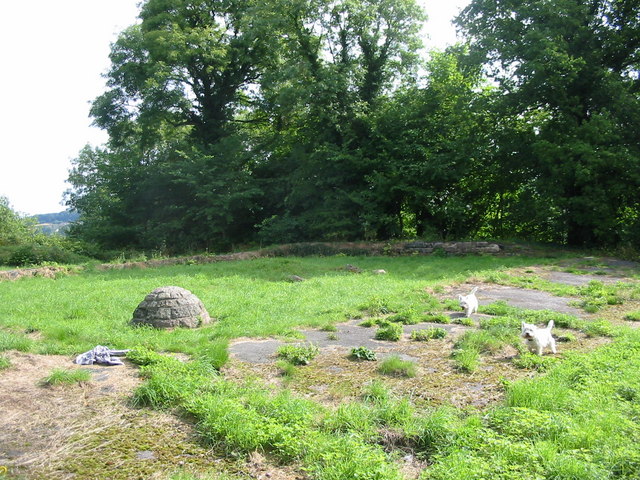
The site has been subject to archaeological excavation, revealing the fort's layout and some of its features. However, much of the original fort has been lost or obscured due to later development in the area. Today, the site is considered an archaeological site rather than a standing fortress, with no visible above-ground remains.
Interpretive efforts and local heritage initiatives aim to preserve the memory of the fort and educate the public about its historical significance. The fort's location within the modern suburb of Strutt's Park means that physical preservation is limited, but its importance is recognized in regional archaeological records.
Significance in Roman Britain
Strutt's Park Roman Fort is significant as an example of the early Roman military presence in the Midlands. It illustrates the Roman army's approach to establishing control through a network of forts and roads. The fort's proximity to the River Derwent highlights the importance of waterways in Roman military logistics.
The transition from Strutt's Park to Little Chester marks a shift in Roman military strategy as the province became more integrated into the Roman Empire. The site contributes to a broader understanding of Roman military architecture, frontier policy, and settlement patterns in Britain.
Frequently asked questions (FAQ)
- What is the historical significance of Strutt's Park Roman Fort?
- Strutt's Park Roman Fort was an early military base established around 50 AD during the Roman conquest of Britain, illustrating Roman military strategy in the Midlands.
- Can I visit the remains of Strutt's Park Roman Fort?
- The fort is an archaeological site with no visible above-ground remains. Visitors can explore the area but should consult local heritage resources for information and guided tours.
- When was Strutt's Park Roman Fort replaced and why?
- The fort was replaced between 75 and 80 AD by a new fort at Little Chester, likely due to strategic and logistical reasons as Roman control in the region evolved.
- What architectural features characterized Strutt's Park Roman Fort?
- The fort had a rectangular layout with rounded corners, surrounded by ditches and wooden palisades, typical of early Roman military forts made of earth and timber.
- Is there any visitor information available for Strutt's Park Roman Fort?
- As an archaeological site, there are no visitor facilities on-site, but local heritage organizations provide information and occasional events related to the fort's history.
Photo gallery

Information
Current owner
Local heritage authorities
Loading map...
Visitor reviews
No reviews yet. Been here? Write the first review and help other travelers!
Write the first reviewVisited this castle? Share your experience
Your review helps other travelers and adds first-hand knowledge to our encyclopedia.