Duffield Castle
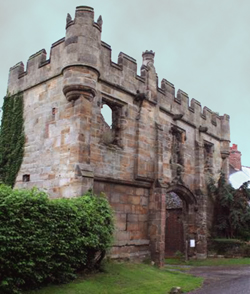
Duffield Castle is a historic Norman fortress located in the village of Duffield, Derbyshire, England. Established shortly after the Norman Conquest of 1066, it was founded by Henry de Ferrers, a prominent Norman noble who received extensive lands in Derbyshire as a reward for his loyalty to William the Conqueror. The castle played a strategic role in guarding the northern edge of Duffield Frith, a royal forest and hunting ground, and served as a defensive complement to the nearby Tutbury Castle, the main seat of power in the region.
The earliest incarnation of Duffield Castle was a typical Norman motte-and-bailey design, characterized by a wooden fortification atop a raised earthwork mound (the motte) and an enclosed courtyard (the bailey). This form was common in the late 11th century as the Normans sought to rapidly secure control over their new territories. The motte at Duffield measures approximately thirty by twenty-nine meters, providing a commanding view over the surrounding landscape and the nearby River Derwent, which offered natural defensive advantages.
Historical development and significance
The castle remained under the control of the de Ferrers family for several generations. One of the most notable figures was Robert de Ferrers, who earned the title Earl of Derby following his military success at the Battle of the Standard in 1138, a conflict during the period of Scottish-English hostilities. The castle thus held both military and administrative importance in the medieval period.
Duffield Castle's history was marked by political turmoil and conflict. In 1173, during the rebellion against King Henry II, William de Ferrers sided with the insurgents, which led to the castle's first recorded destruction. Despite this, the castle was rebuilt in stone in the early 13th century under the reign of King John, spearheaded by another William de Ferrers who had reclaimed the family’s earldom and estates. This reconstruction marked a transition from wooden fortifications to more durable stone structures, reflecting the evolving military architecture of the period.
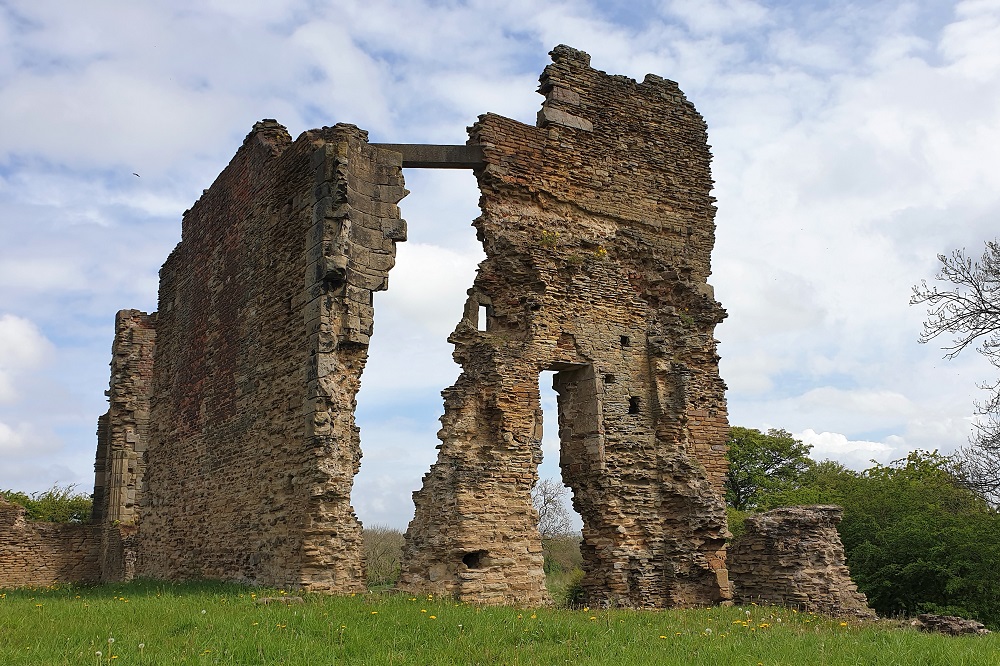
However, the castle's prominence declined after the second rebellion led by Robert de Ferrers against King Henry III in 1269. Following this uprising, the castle was razed permanently. Over the subsequent centuries, the stonework was quarried for other building projects, and the site gradually became overgrown and obscured until its rediscovery in the late 19th century.
Architectural features and archaeological remains
The stone keep constructed in the early 13th century was a significant architectural feature of Duffield Castle. Measuring roughly thirty-one meters square, it was only slightly smaller than the White Tower of the Tower of London. The keep featured a series of staircases and entrances on its western side leading to an elevated first floor, which likely housed a guardroom or formal chamber. The ground floor was deliberately designed without doors or windows to enhance defense. The upper floors possibly contained domestic quarters, kitchens, private retreats, and perhaps a chapel, although detailed records of the interior are limited.
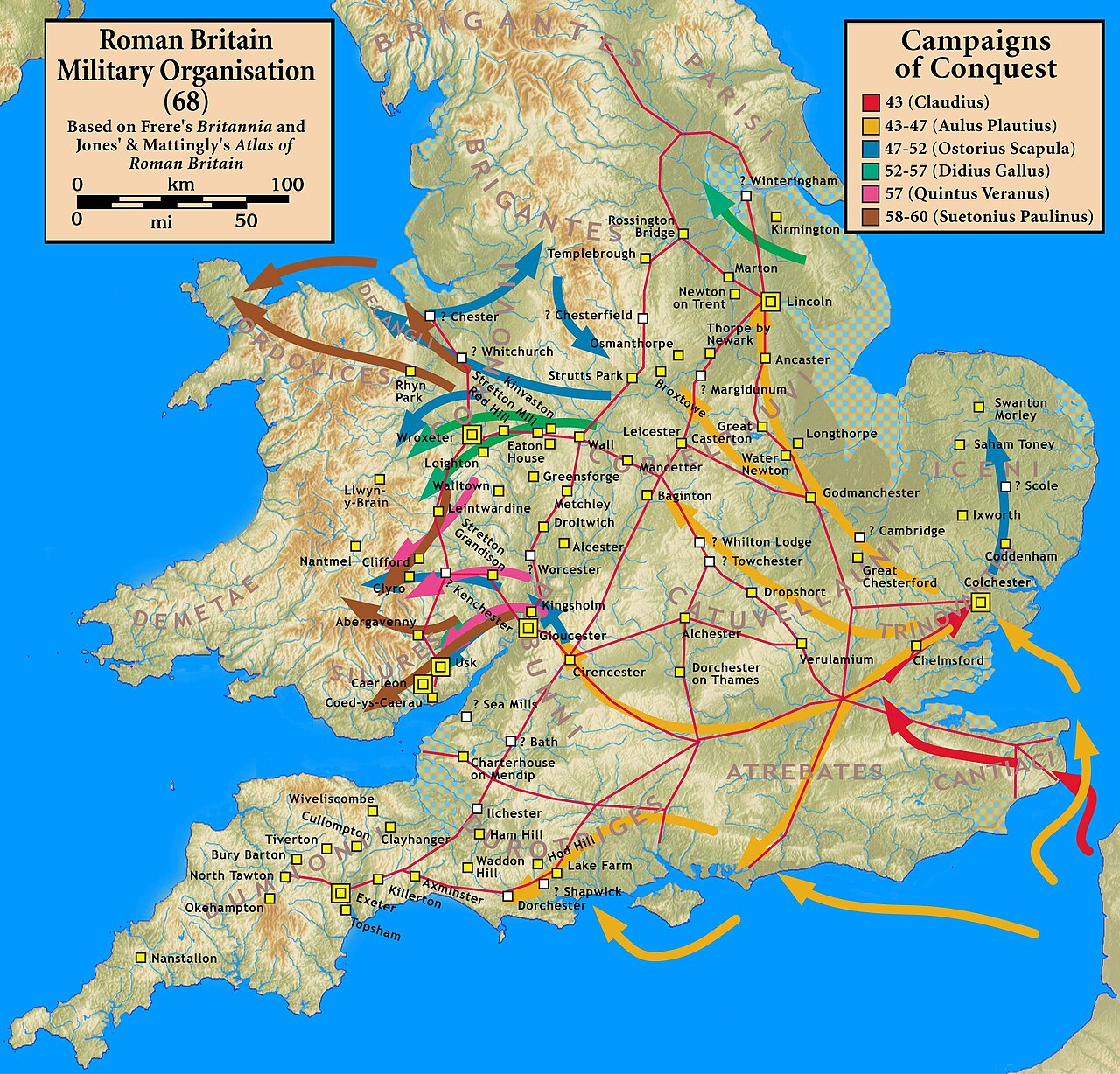
Excavations and archaeological investigations have revealed a wealth of information about the site. Significant quantities of Roman and Romano-British pottery fragments, including roof tiles fashioned in Roman styles, suggest that the location was occupied or reused long before the Norman period. This indicates a continuity of strategic importance from Roman Britain through the medieval era.
In 2001, a geophysical survey conducted by the University of Bradford uncovered traces of structures south and southeast of the motte, including possible wall foundations and rectangular building footprints. While the exact relationship of these remains to the castle is uncertain, they hint at a larger complex of buildings associated with the medieval site or earlier occupation phases.
Site layout and defensive advantages
Duffield Castle's location on a steep rocky promontory overlooking the River Derwent provided natural defensive benefits. The elevation allowed control over access routes and visibility across the surrounding terrain, making it a formidable stronghold. The motte-and-bailey layout was typical of early Norman fortifications, with the motte serving as the base for the stone keep and the bailey likely containing ancillary buildings such as stables, workshops, and living quarters.
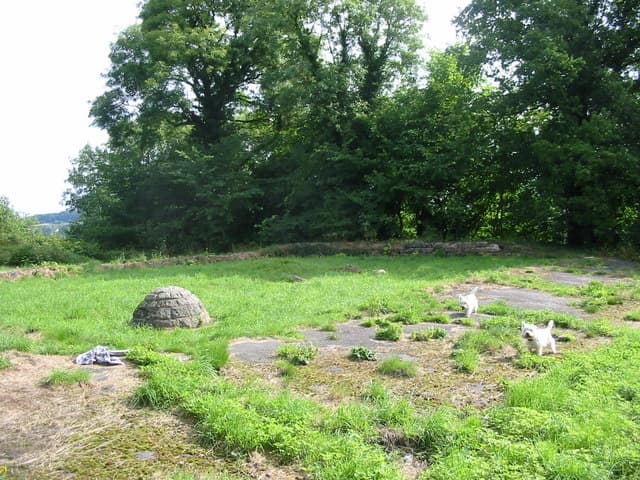
Although most of the above-ground structures have disappeared, the earthworks and stone foundations remain visible and are marked for public viewing. The site is preserved as a scheduled ancient monument and maintained as an urban historic park, allowing visitors to appreciate the scale and historical significance of this Norman fortress.
Prehistoric and Roman connections
While it is debated whether Duffield Castle's site was inhabited in prehistoric times, the discovery of Roman and Romano-British artefacts suggests a long history of occupation. The location's proximity to a ford across the River Derwent, which connected lead mining areas such as Lutudarum (possibly modern Wirksworth) to major Roman roads like Rykneld Street at Derventio (now part of Derby), points to its strategic significance in Roman Britain.
There is also evidence of Anglo-Saxon presence, with remains that may have belonged to a Saxon thane named Siward or his relatives. This indicates that the site held some local importance before the Norman conquest.
Preservation and public access
After falling into ruin and obscurity for centuries, Duffield Castle was rediscovered in the late 19th century. Archaeological interest led to excavations starting in 1885, and by 1899 the site was entrusted to the National Trust for protection as an early archaeological site. Continued investigations throughout the 20th century and into the 21st have enhanced understanding of its layout and history.
Today, Duffield Castle is accessible to the public as a protected historic site. While only the foundations and earthworks remain, informative signage and marked outlines help visitors visualize the castle's former grandeur. The site offers insights into Norman military architecture, medieval noble residences, and the layered history of occupation from Roman times through the Middle Ages.
Frequently asked questions (FAQ)
- How do I get to Duffield Castle?
- Duffield Castle is located in the village of Duffield, Derbyshire. It is accessible by local roads and is a short walk from the village center. There is public parking nearby, and local bus services connect Duffield with Derby and surrounding areas.
- What are the opening hours for Duffield Castle?
- The castle site is an open historic park and is accessible to visitors year-round during daylight hours. There are no formal opening hours or entrance fees, allowing flexible visiting times.
- Is Duffield Castle suitable for families and children?
- Yes, Duffield Castle is suitable for families. The open earthworks and marked foundations provide an educational outdoor experience. However, visitors should be cautious on uneven ground and supervise children closely due to the natural terrain.
- What can I expect to see at Duffield Castle today?
- Visitors will see the remains of the motte and stone keep foundations, earthworks, and archaeological features marked for public viewing. Informative signs explain the castle's history and layout, helping to visualize the medieval fortress.
- Are there guided tours available at Duffield Castle?
- There are no regular guided tours at Duffield Castle, but local history groups occasionally organize events. Visitors are encouraged to use available informational materials to explore the site independently.
Photo gallery

Information
Sources & official resources
Verify the information above using these authoritative references.
Loading map...
Visitor reviews
No reviews yet. Been here? Write the first review and help other travelers!
Write the first reviewVisited this castle? Share your experience
Your review helps other travelers and adds first-hand knowledge to our encyclopedia.