Strumica Fortress

Strumica fortress in north macedonia
Strumica, Strumica, North Macedonia
Early Medieval (5th–10th c.)
Ruins

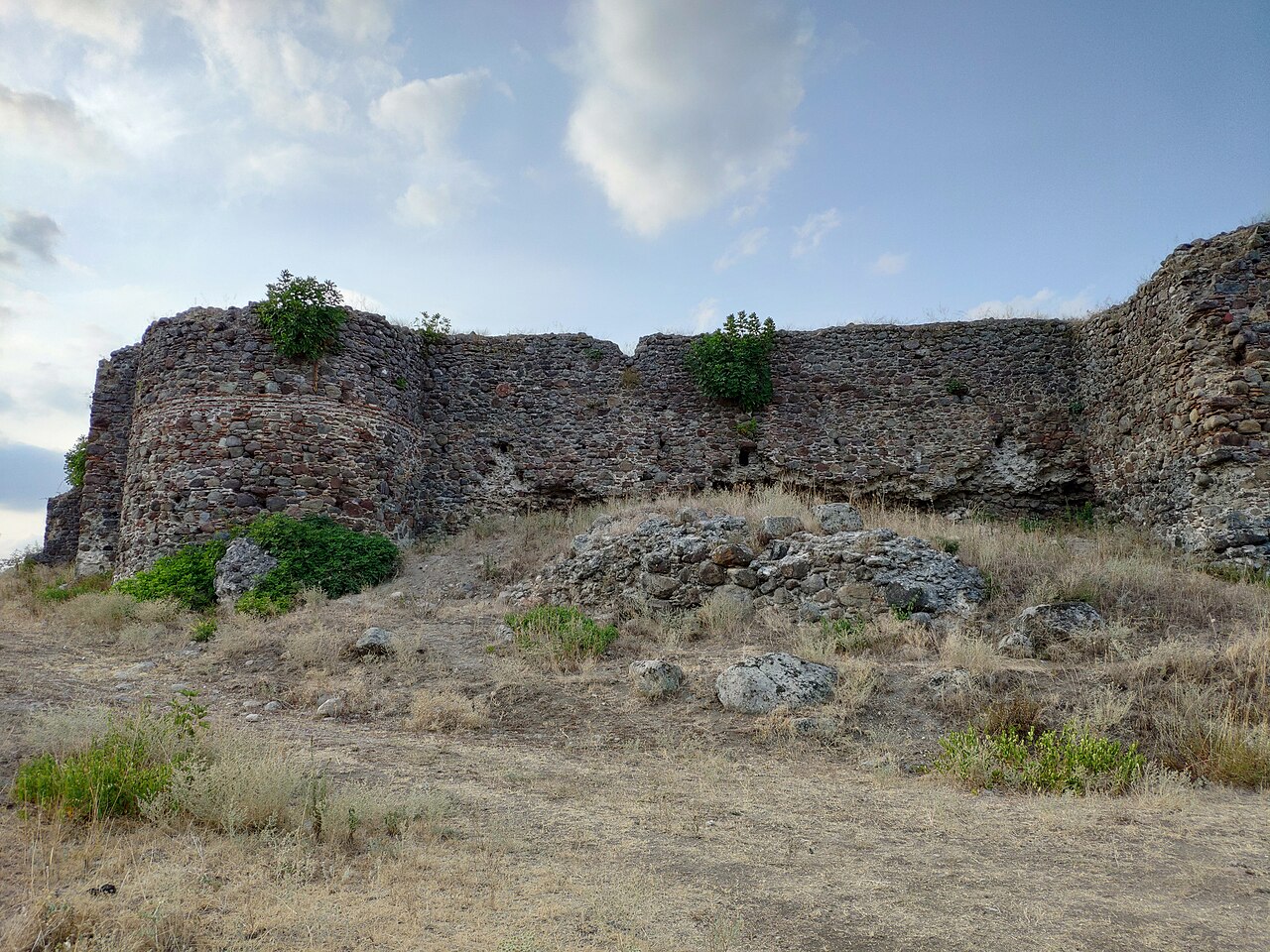
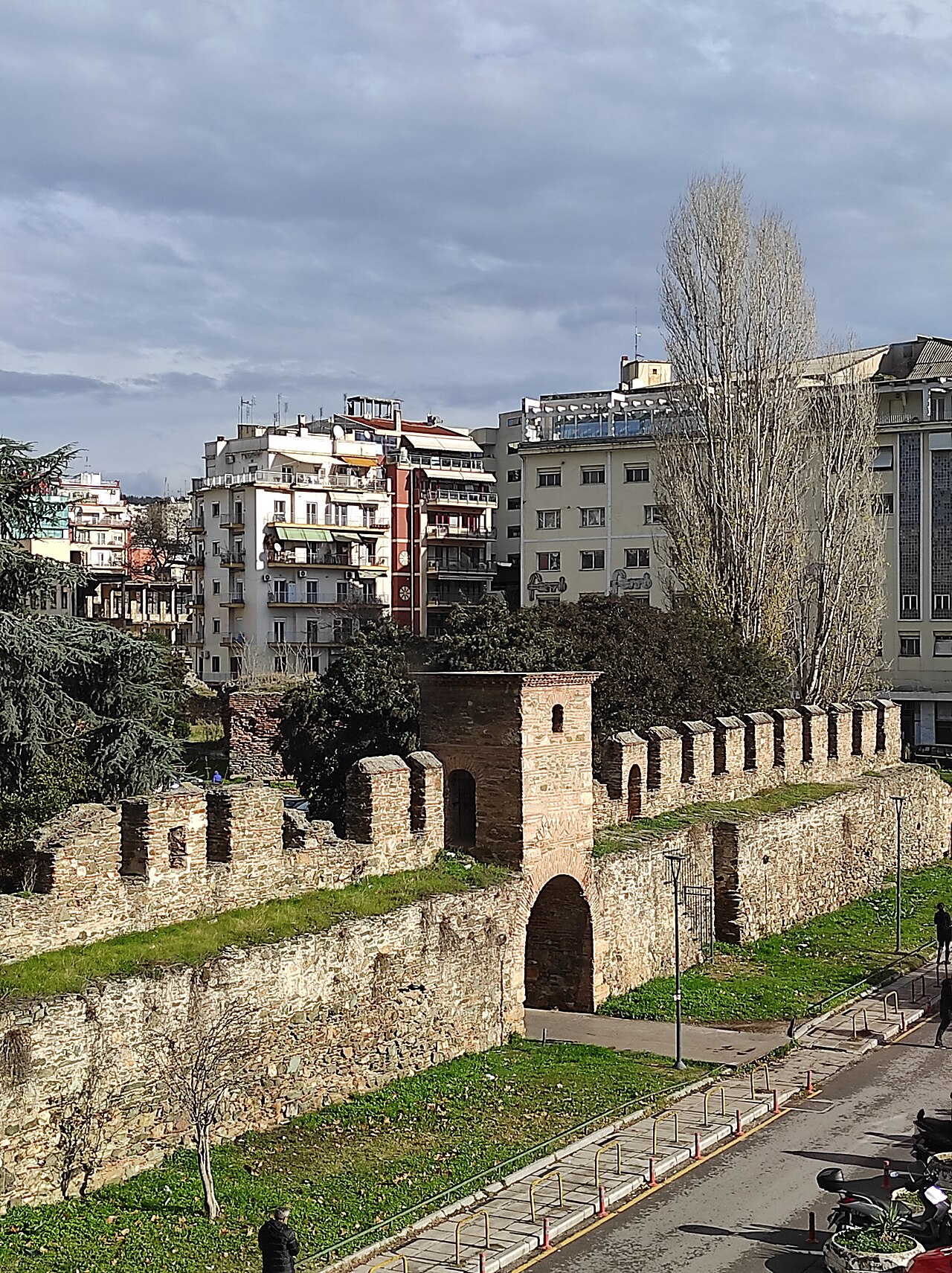
Strumica Fortress stands as a significant historical monument in eastern North Macedonia, overlooking the city of Strumica. This early medieval fortress was constructed in the 5th century AD, though archaeological evidence indicates that the site has been of strategic importance since the 1st century BC. The fortress's long history reflects the region's complex past, marked by various cultural and military influences.

Historical background and significance

The site of Strumica Fortress has been inhabited and fortified since antiquity. Initial settlements date back to the Hellenistic period, around the 1st century BC, when the area was a vital crossroads in the Balkans. The fortress itself was established in the early medieval period, specifically in the 5th century AD, a time characterized by the decline of the Roman Empire and the rise of Byzantine influence in the region.

Throughout its history, the fortress served as a defensive stronghold protecting the local population and controlling key trade routes. Its strategic location on elevated terrain provided commanding views over the surrounding plains and the city below, making it a critical military asset during various conflicts and power shifts in the Balkans.

Architectural features and construction

The fortress was originally constructed using local stone materials typical of the early medieval fortifications. Its design includes thick defensive walls built to withstand sieges and attacks. Although much of the structure is now in ruins, the remnants reveal a complex layout with fortified ramparts, watchtowers, and gates that controlled access to the interior.

The elevated position of the fortress not only enhanced its defensive capabilities but also allowed for effective communication signals with other nearby fortifications. The walls were likely reinforced over time, adapting to evolving military technologies and threats.

Archaeological discoveries and restoration efforts

Archaeological excavations have uncovered artifacts and structural elements that provide insight into the fortress's long occupation and usage. These findings include pottery fragments, weaponry, and building materials that date from the Hellenistic period through the early medieval era.

Reconstruction and preservation efforts began in March 2014 to stabilize the ruins and enhance public access. These efforts aim to protect the fortress as a cultural heritage site and promote its historical significance to visitors and scholars alike. Restoration work focuses on consolidating the remaining walls and improving the site's accessibility while respecting its archaeological integrity.

Cultural and touristic importance

Today, Strumica Fortress is a prominent landmark and symbol of the city's rich history. It attracts tourists, historians, and archaeologists interested in the region's early medieval period and its role in Balkan history. The fortress offers panoramic views of Strumica and its surroundings, making it a popular destination for sightseeing and cultural tourism.

Visitors can explore the ruins and learn about the fortress's historical context through informational displays and guided tours, which highlight its architectural features and strategic importance over the centuries.

Access and visitor information

The fortress is accessible from the city of Strumica, with pathways leading up to the site. While the fortress remains in a ruined state, ongoing restoration has improved safety and visitor experience. It is advisable to wear appropriate footwear due to uneven terrain and to check local resources for visiting hours and any guided tour availability.

Frequently asked questions (FAQ)

When was Strumica Fortress originally built?
Strumica Fortress was originally constructed in the 5th century AD during the early medieval period, although the site has been occupied since the 1st century BC.
What can visitors see at Strumica Fortress today?
Visitors can explore the ruins of the fortress, including remnants of defensive walls, watchtowers, and gates, while enjoying panoramic views of Strumica and its surroundings.
Is Strumica Fortress accessible to the public?
Yes, the fortress is accessible from the city of Strumica via pathways. While it is in a ruined state, restoration efforts have improved safety for visitors.
What is the historical significance of Strumica Fortress?
The fortress served as a strategic defensive stronghold controlling key trade routes and protecting the local population during the early medieval period and beyond.
Are there ongoing restoration efforts at Strumica Fortress?
Yes, reconstruction and preservation efforts began in March 2014 to stabilize the ruins and enhance public access while respecting the site's archaeological integrity.

Information

Hill Castle

Loading map...

Visitor reviews

No reviews yet. Been here? Write the first review and help other travelers!

Write the first review

Visited this castle? Share your experience

Your review helps other travelers and adds first-hand knowledge to our encyclopedia.
Write a review

(5/5)

0/2000 characters

Your review will be visible after admin approval

Nearby castles

51.3 km
Fort Istibey — Greece castle

Fort Istibey

, Greece

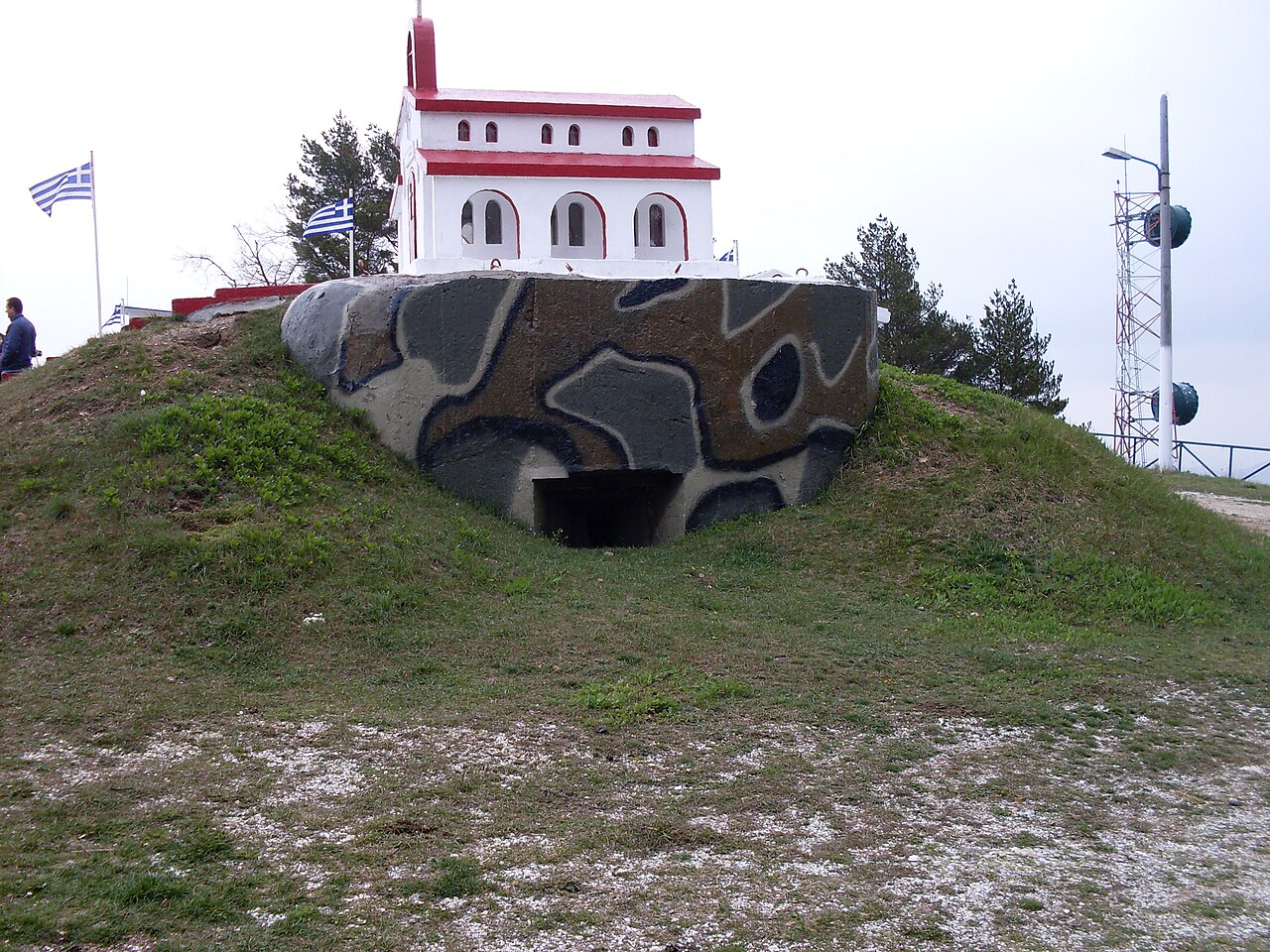
Fort Istibey (Greek: Οχυρό Ιστίμπεη) is a significant bastioned fortress located on Mount Beles in Central Macedonia, Greece. Constructed in the 20th century as part of the extensive Metaxas Line fortifications, the fortress played a crucial role in Greece's defense during World War II. The Metaxas Line was a series of fortified positions built along the Greek-Bulgarian border in the 1930s, named after the then Prime Minister of Greece, Ioannis Metaxas, who sought to strengthen Greece's northern defenses against potential invasions. Situated at an altitude of 1,339 meters, Fort Istibey lies approximately 16 kilometers north of Neo Petritsi village. Its strategic location on Mount Beles was chosen to monitor and prevent enemy forces from entering Greece from Bulgaria. The fortress was designed as a bastioned fortress, a style characterized by angular bastions projecting outward from the main walls, allowing defenders to cover adjacent walls with gunfire and minimize blind spots. This design was particularly effective in the early 20th century for resisting artillery and infantry assaults. Construction and architectural features Fort Istibey's construction was part of the broader effort to fortify Greece's northern border in response to rising tensions in Europe during the interwar period. The fortress incorporates reinforced concrete and steel, materials typical of military architecture in the early 20th century, enabling it to withstand heavy bombardment. Its bastions provided overlapping fields of fire, enhancing its defensive capabilities against advancing enemy troops. The fortress complex included underground tunnels, ammunition depots, living quarters, and command centers, designed to support a garrison for extended periods under siege conditions. The layout facilitated communication and movement within the fortress while maintaining protection from enemy fire. Historical role in world war ii During World War II, Fort Istibey was garrisoned by approximately 350 soldiers and 13 officers, under the command of Ksanthos Pikoulakis. Its primary mission was to guard the border and prevent any unauthorized entry from Bulgaria. The fortress was part of the larger defensive strategy that culminated in the Battle of the Forts in April 1941, when German forces launched an offensive against the Metaxas Line. Despite fierce resistance, Fort Istibey was compelled to surrender in April 1941 following sustained attacks by German troops. The battle demonstrated the resilience and determination of the Greek defenders, who held their positions against a technologically superior enemy for as long as possible. Post-war commemoration and museum In 1991, the Panhellenic Association of Combatants and Friends of the Forts of Macedonia and Thrace established a small museum at Fort Istibey to honor its defenders and preserve the memory of the battle. The museum displays a collection of firearms used by both Greek and German forces, including rifles, revolvers, pistols, and machine guns. It also exhibits army uniforms from the era, personal belongings of the soldiers, and a detailed map of the Battle of the Forts. Visitors to the museum can view a film recounting the story of the battle at Fort Istibey, providing a vivid historical context to the exhibits. The museum serves as a poignant reminder of the sacrifices made by the defenders and the strategic significance of the fortress during the war. Access and visitor information Access to Fort Istibey and its museum is restricted due to its location within an active military zone. Visitors must obtain permission from the military unit stationed in Neo Petritsi, located approximately four kilometers west of the Serres-Promachonas National road A25 (Kilkis junction). Foreign nationals require a special permit from the Hellenic Army General Staff to visit the site. The fortress's remote mountain location and controlled access ensure its preservation but also limit casual tourism. Interested visitors are advised to plan ahead and secure the necessary permissions to experience this important historical site. Strategic significance and legacy Fort Istibey remains a notable example of early 20th-century military architecture in Greece, illustrating the transition from traditional fortifications to modern bastioned designs adapted for mechanized warfare. Its role in the Metaxas Line highlights Greece's efforts to defend its sovereignty during a turbulent period in European history. The fortress stands as a symbol of the bravery and sacrifice of the Greek soldiers who defended their homeland against invasion. Its preservation and the establishment of the museum contribute to the understanding of Greece's military history and the broader context of World War II in the Balkans.

Contemporary (20th–21st c.)
Details
68.9 km
Castle of Moglena — Greece castle

Castle of Moglena

, Greece

The Castle of Moglena is a significant early medieval hill castle located in Greece, dating back to the 10th century. This fortress was strategically constructed on elevated terrain to provide a commanding view of the surrounding landscape, a common defensive tactic during the early medieval period. Its position allowed for effective surveillance and protection against invaders, reflecting the military architecture principles of the time. Historical context and significance During the early medieval era, Greece was a region of considerable military and political activity, with various powers vying for control. The Castle of Moglena served as a defensive stronghold amid this turbulent period, playing a role in regional security and control. It was likely part of a network of fortifications designed to protect important routes and settlements from raids and invasions. Architectural features and construction The castle exemplifies typical hill castle characteristics, utilizing the natural elevation to enhance its defensive capabilities. The stone walls were constructed to withstand siege warfare common in the 10th century, with thick ramparts and limited access points. Although detailed records of the castle's layout are scarce, it probably included essential features such as a keep or donjon, watchtowers, and a fortified gatehouse. The use of local stone materials and the adaptation to the rugged terrain demonstrate the builders' expertise in maximizing natural defenses while maintaining structural integrity. The castle's design reflects the transition from purely military fortifications to more complex residences that could support garrisons and administrative functions. Strategic location and landscape Situated on a hill, the castle overlooks key routes and possibly a nearby settlement or fertile lands, underscoring its role in controlling movement and trade in the region. This elevated vantage point would have been crucial for early warning against approaching enemies and for coordinating defensive responses. The surrounding landscape likely featured natural barriers such as cliffs or dense forests, further enhancing the castle's defensibility. Such terrain would have made direct assaults difficult, forcing attackers to contend with both the environment and the castle's fortifications. Current condition and preservation Today, the Castle of Moglena remains as archaeological ruins, with portions of its walls and foundations still visible. These remnants provide valuable insights into early medieval military architecture in Greece. Preservation efforts focus on stabilizing the existing structures to prevent further decay while allowing for archaeological study and public education. Visitors to the site can observe the castle's layout and appreciate the strategic considerations that influenced its construction. Interpretive materials and guided tours may be available to enhance understanding of the castle's historical context and architectural features. Cultural heritage and tourism The Castle of Moglena is an important cultural landmark that contributes to the understanding of Greece's medieval past. It attracts historians, archaeologists, and tourists interested in exploring early medieval fortifications and the region's historical landscape. Efforts to promote the castle include integrating it into regional heritage trails and educational programs, highlighting its role in the broader narrative of medieval Greece. The site offers a tangible connection to the past, enriching the cultural tourism experience in the area.

Early Medieval (5th–10th c.)
Details
91.9 km
Fortress of Vardari — Greece castle

Fortress of Vardari

, Greece

The Fortress of Vardari is a notable example of a bastioned fortress located in Greece, reflecting the strategic military architecture that became prominent in the early modern period. Bastioned fortresses, characterized by angular bastions projecting from curtain walls, were developed to withstand artillery sieges and provide overlapping fields of fire. This architectural style marked a significant evolution from medieval castle designs, adapting to the changing nature of warfare in the 16th and 17th centuries. Historical context and strategic importance The fortress was constructed during a period when Greece was a contested region due to its location at the crossroads of Europe, Asia, and Africa. The design of the Fortress of Vardari reflects the military engineering principles introduced during the Renaissance and post-medieval periods, emphasizing defense against cannon fire and siege tactics. Although the exact date of construction is uncertain, its bastioned design suggests it was built or significantly modified between the 16th and 18th centuries. Architectural features Bastions and walls The fortress features angular bastions at its corners, designed to eliminate blind spots and allow defenders to cover the curtain walls with crossfire. These bastions are connected by thick, sloped curtain walls that were constructed to absorb and deflect cannonballs. The walls are typically made of local stone, with a rubble core and a dressed stone exterior to enhance durability. Defensive structures Additional defensive elements likely include a moat or ditch surrounding the fortress, which would have impeded attackers and made undermining the walls more difficult. The entrance would have been heavily fortified, possibly with a gatehouse and drawbridge, to control access and provide a strong point of resistance. Role in regional conflicts Given its design and location, the Fortress of Vardari likely played a role in the military conflicts involving the Ottoman Empire, Venetian Republic, and other regional powers vying for control over Greece. Bastioned fortresses were crucial in resisting sieges and maintaining control over strategic points such as trade routes, river crossings, or coastal areas. Current condition and preservation The current condition of the fortress is not well documented, but bastioned fortresses in Greece often survive as partially preserved or ruined structures due to centuries of warfare, neglect, and natural decay. Preservation efforts, if any, would focus on stabilizing the remaining walls and bastions to prevent further deterioration and to allow for public access and historical interpretation. Significance in military architecture The Fortress of Vardari exemplifies the transition from medieval fortifications to early modern military engineering. Its bastioned design demonstrates the adaptation to gunpowder weaponry and reflects broader European trends in fortress construction. Studying this fortress provides insight into the military history of Greece and the technological advancements that shaped fortifications during the Renaissance and post-Renaissance periods.

Post-Renaissance (17th–18th c.)
Details