Fortress of Vardari
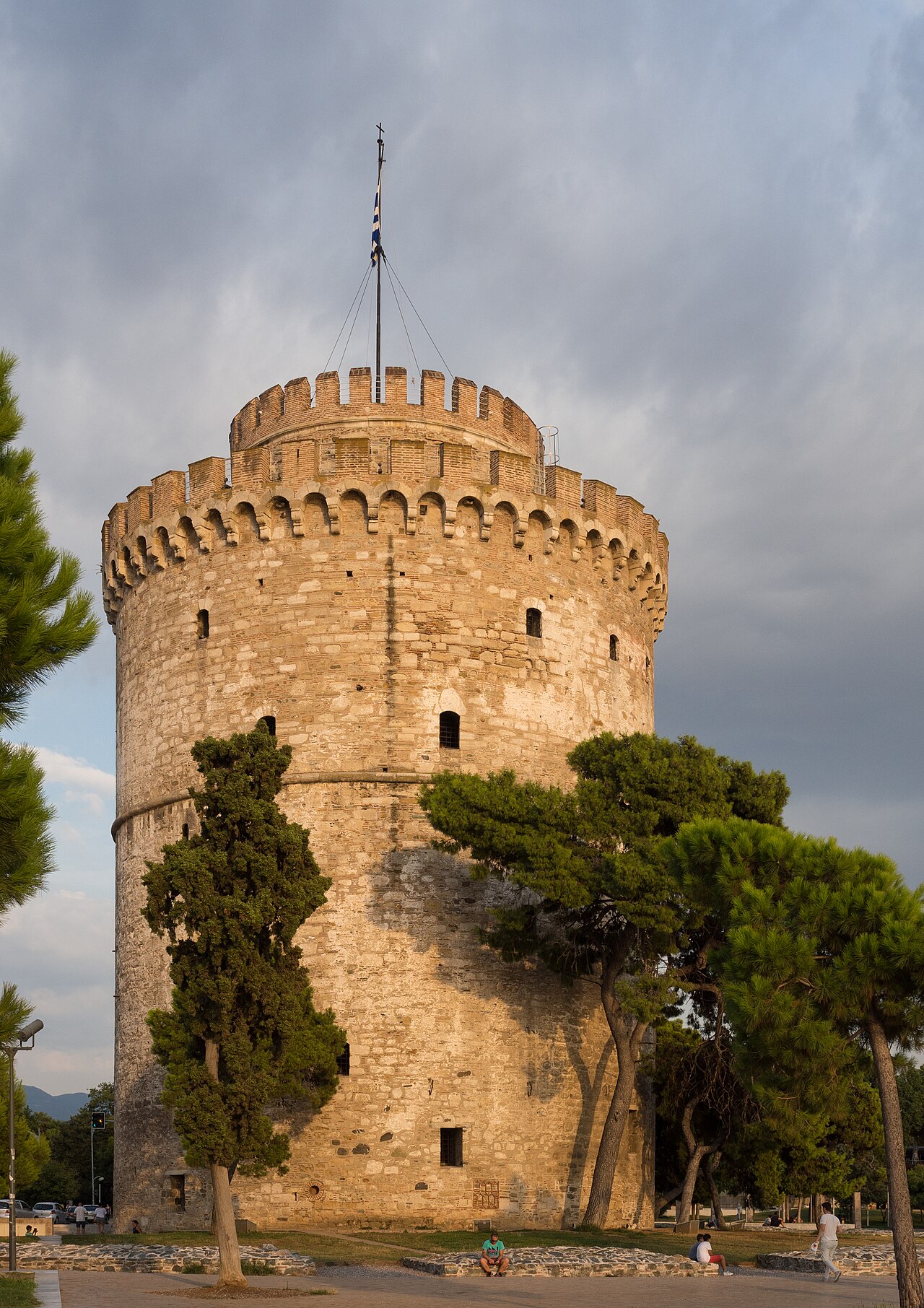
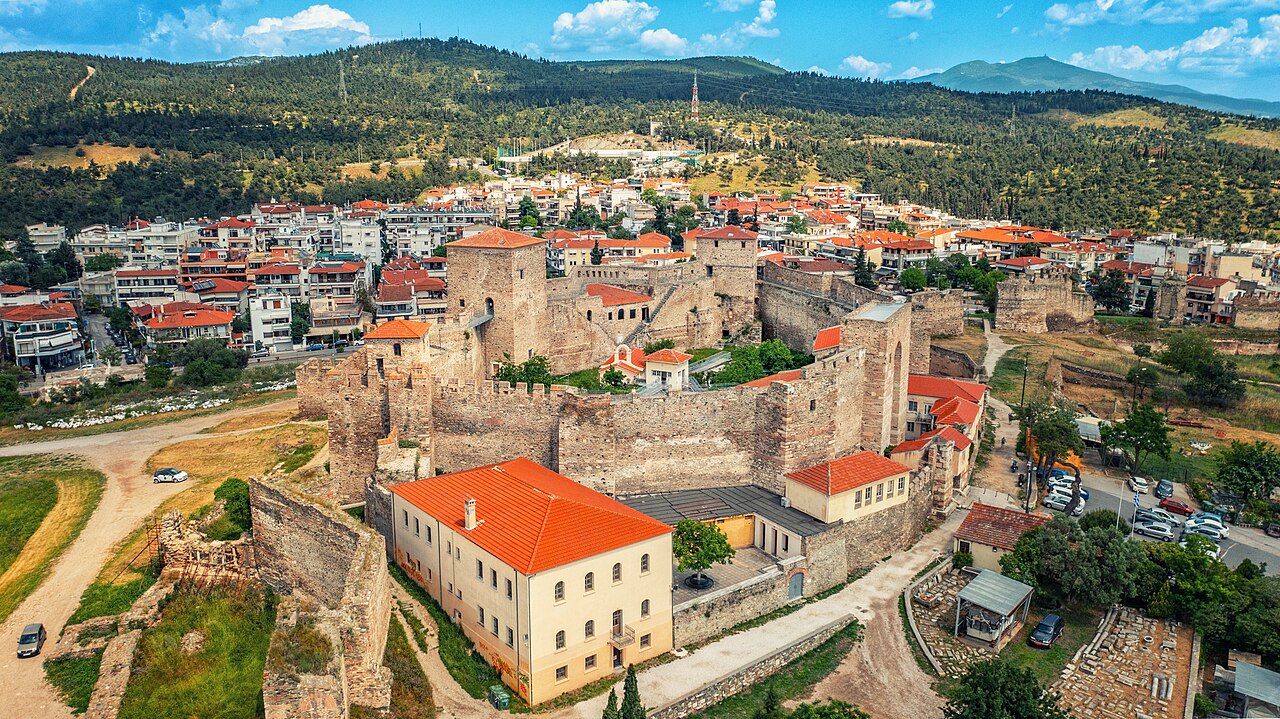
The Fortress of Vardari is a notable example of a bastioned fortress located in Greece, reflecting the strategic military architecture that became prominent in the early modern period. Bastioned fortresses, characterized by angular bastions projecting from curtain walls, were developed to withstand artillery sieges and provide overlapping fields of fire. This architectural style marked a significant evolution from medieval castle designs, adapting to the changing nature of warfare in the 16th and 17th centuries.
Historical context and strategic importance
The fortress was constructed during a period when Greece was a contested region due to its location at the crossroads of Europe, Asia, and Africa. The design of the Fortress of Vardari reflects the military engineering principles introduced during the Renaissance and post-medieval periods, emphasizing defense against cannon fire and siege tactics. Although the exact date of construction is uncertain, its bastioned design suggests it was built or significantly modified between the 16th and 18th centuries.
Architectural features
Bastions and walls
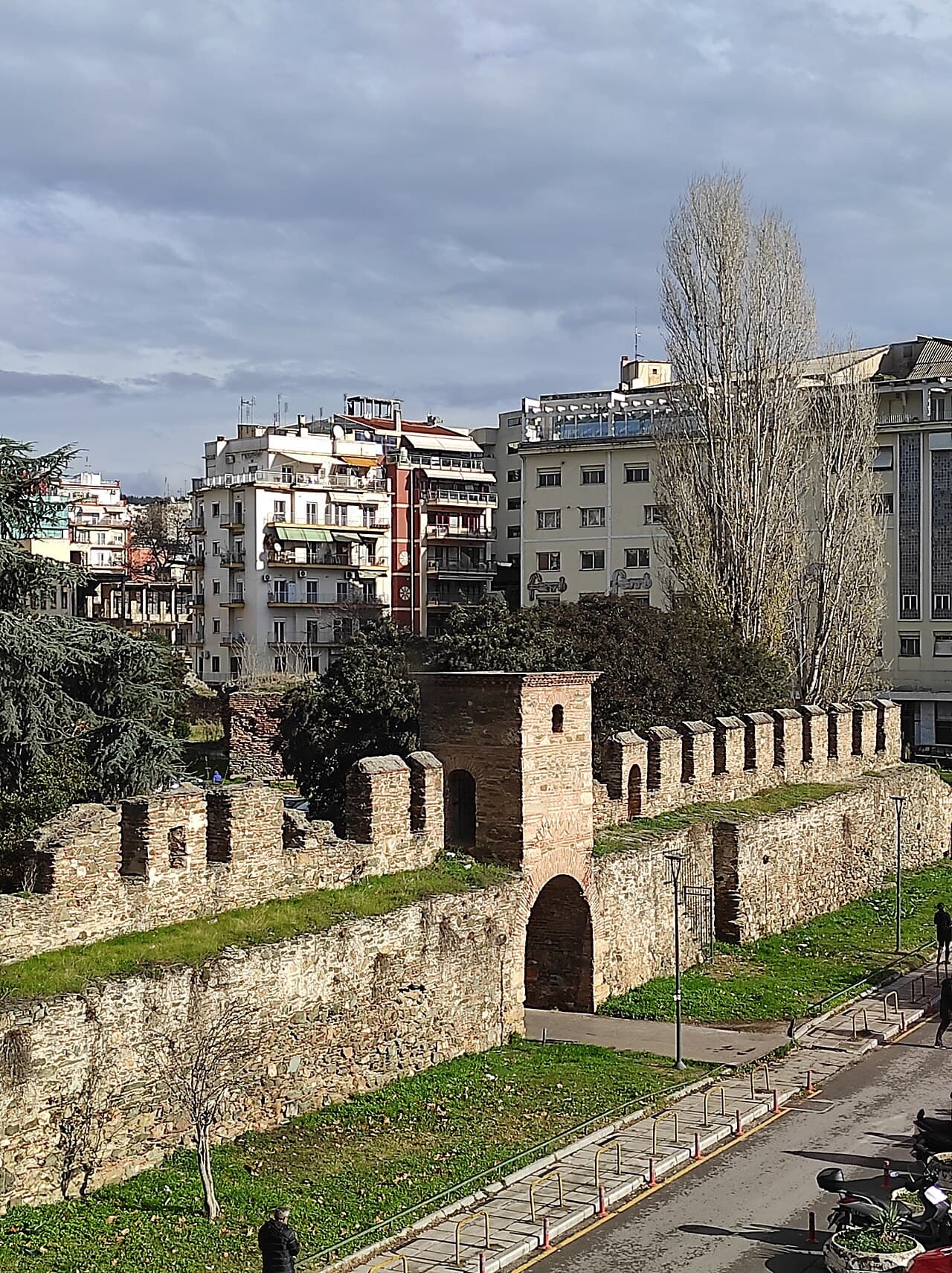
The fortress features angular bastions at its corners, designed to eliminate blind spots and allow defenders to cover the curtain walls with crossfire. These bastions are connected by thick, sloped curtain walls that were constructed to absorb and deflect cannonballs. The walls are typically made of local stone, with a rubble core and a dressed stone exterior to enhance durability.
Defensive structures
Additional defensive elements likely include a moat or ditch surrounding the fortress, which would have impeded attackers and made undermining the walls more difficult. The entrance would have been heavily fortified, possibly with a gatehouse and drawbridge, to control access and provide a strong point of resistance.
Role in regional conflicts
Given its design and location, the Fortress of Vardari likely played a role in the military conflicts involving the Ottoman Empire, Venetian Republic, and other regional powers vying for control over Greece. Bastioned fortresses were crucial in resisting sieges and maintaining control over strategic points such as trade routes, river crossings, or coastal areas.
Current condition and preservation
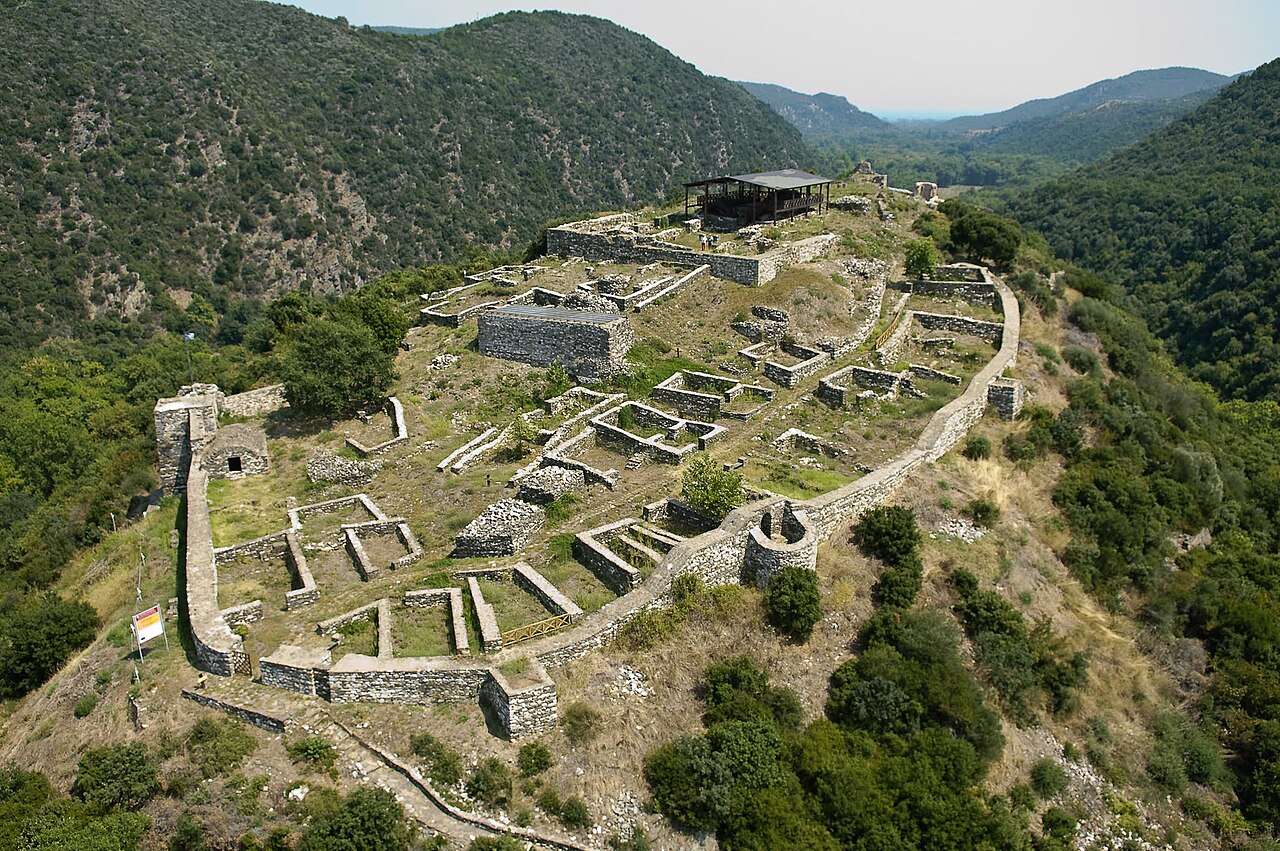
The current condition of the fortress is not well documented, but bastioned fortresses in Greece often survive as partially preserved or ruined structures due to centuries of warfare, neglect, and natural decay. Preservation efforts, if any, would focus on stabilizing the remaining walls and bastions to prevent further deterioration and to allow for public access and historical interpretation.
Significance in military architecture
The Fortress of Vardari exemplifies the transition from medieval fortifications to early modern military engineering. Its bastioned design demonstrates the adaptation to gunpowder weaponry and reflects broader European trends in fortress construction. Studying this fortress provides insight into the military history of Greece and the technological advancements that shaped fortifications during the Renaissance and post-Renaissance periods.
Frequently asked questions (FAQ)
- What is a bastioned fortress and why was it important?
- A bastioned fortress is a type of fortification with angular bastions designed to provide overlapping fields of fire, improving defense against artillery. This design was crucial in the early modern period to withstand cannon sieges.
- When was the Fortress of Vardari likely built?
- The fortress was likely constructed or significantly modified between the 16th and 18th centuries, during the post-medieval period when bastioned fortresses became common.
- Can I visit the Fortress of Vardari?
- Information about public access and visiting hours for the Fortress of Vardari is limited. Visitors should check local resources or tourism offices for current details.
- What role did the fortress play in regional history?
- The Fortress of Vardari likely served as a military stronghold in conflicts involving the Ottoman Empire and Venetian Republic, controlling strategic routes in Greece.
- What are the key architectural features of the fortress?
- Key features include angular bastions, thick curtain walls, a fortified gatehouse, and possibly a moat, all designed to resist artillery and sieges.
Photo gallery

Information
Loading map...
Visitor reviews
No reviews yet. Been here? Write the first review and help other travelers!
Write the first reviewVisited this castle? Share your experience
Your review helps other travelers and adds first-hand knowledge to our encyclopedia.