Strmol Castle
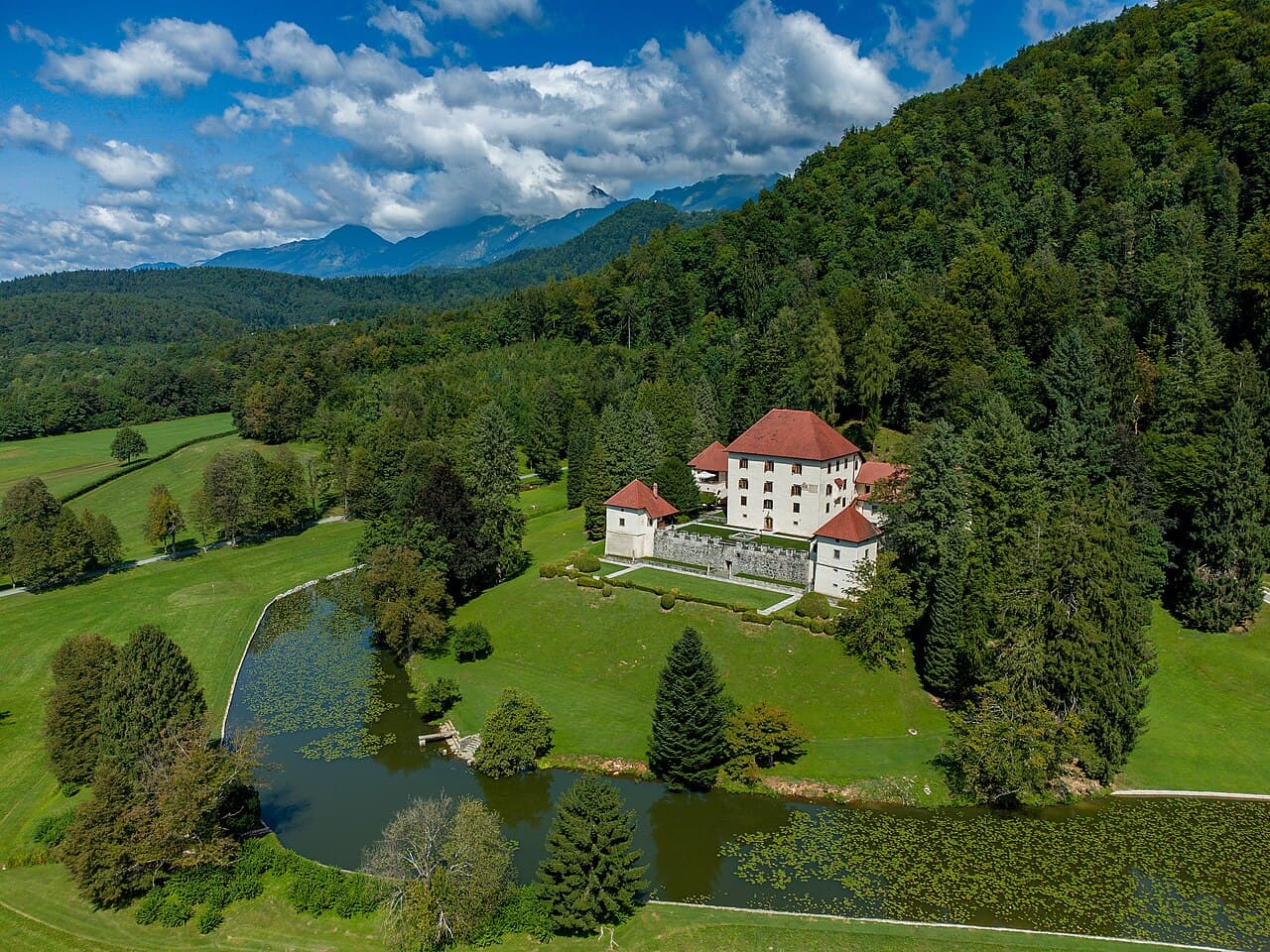
Strmol Castle (German: Burg Stermol, Slovene: grad Strmol) is a hill castle situated at the foot of Dvorjanski hrib ("Mansion Hill") near the villages of Češnjevek, Grad, and Dvorje in the Municipality of Cerklje na Gorenjskem, Slovenia. It is one of the rare castles in Slovenia to have preserved its Slovene name throughout its history, reflecting its deep-rooted local heritage. Originally built by the Strmol family, the castle has a long history that spans several centuries, witnessing various architectural and ownership changes.
Historical background and ownership
The earliest written records of Strmol Castle date back to the 14th century, indicating its establishment during the Late Medieval period. The castle was initially constructed as a fortified residence for the noble Strmol family, who played a significant role in the region's feudal society. Over the centuries, the castle passed through several noble families due to inheritance and political shifts, each contributing to its architectural evolution and maintenance.
During the 16th and 17th centuries, the castle underwent significant renovations to adapt to changing defensive needs and residential comfort. Its strategic location near important trade routes and the proximity to the capital Ljubljana made it a valuable asset in regional power dynamics.
Architectural features and design
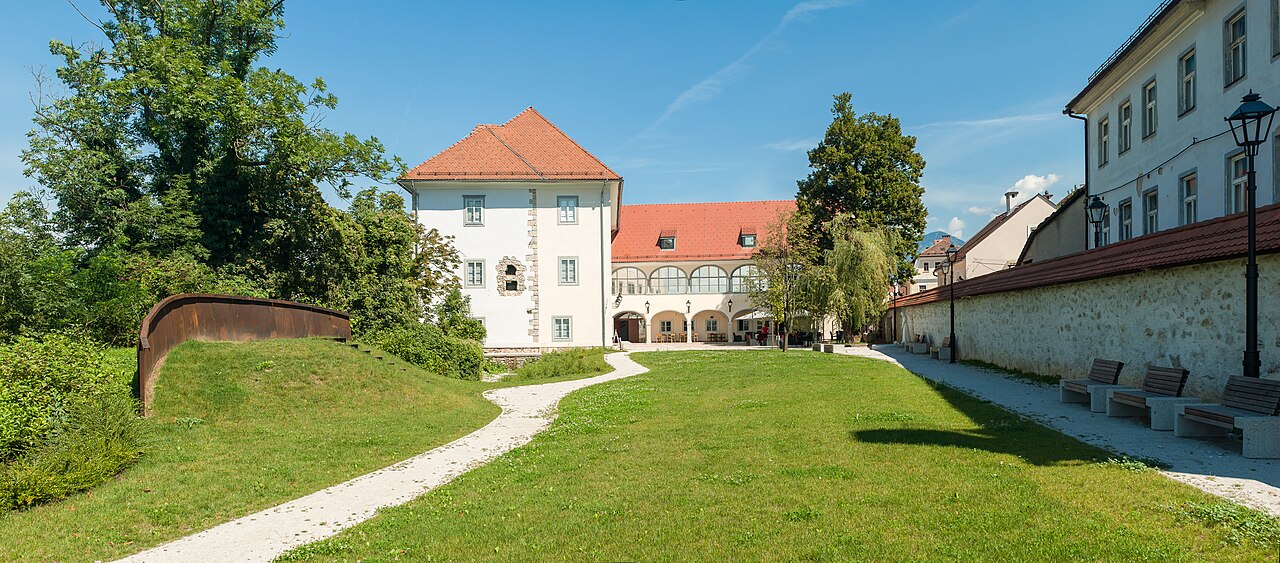
Strmol Castle exemplifies the characteristics of a hill castle, built on elevated terrain to maximize natural defense advantages. The castle complex includes a central courtyard surrounded by robust stone walls and multiple towers that served both defensive and residential purposes.
The castle's architecture reflects a blend of styles due to various construction phases. The original medieval fortifications feature thick walls and narrow defensive openings, typical of the Late Medieval era. Later additions introduced elements of the Renaissance style, including larger windows and more ornate interior decorations, enhancing the castle's residential appeal.
Key architectural components include a gatehouse with a fortified entrance, a keep or main tower that served as the last line of defense, and residential wings with spacious halls and chambers. The castle's layout is designed to balance defense with comfort, featuring a well-protected courtyard that facilitated daily activities and gatherings.
Defensive structures
The castle's battlements and curtain walls were constructed to withstand sieges and attacks. The towers provided vantage points for surveillance and archery. A moat or ditch likely surrounded parts of the castle during its early history, enhancing its defensive capabilities, although no extensive water defenses remain today.
Residential and interior spaces
Inside, the castle features great halls used for feasts and official functions, along with private chambers for the noble family. The interiors were periodically updated to reflect contemporary tastes and comfort, with decorative elements added during the Renaissance renovations.
Modern use and preservation
Today, Strmol Castle is well preserved and functions as a guesthouse and conference site for the government of the Republic of Slovenia. Its preservation allows visitors to appreciate the castle's historical and architectural significance firsthand. The castle's adaptation for modern use respects its heritage while providing functional spaces for official and cultural events.
The surrounding landscape, including the nearby hills and villages, adds to the castle's scenic appeal, making it a notable destination for those interested in Slovenian history and medieval architecture.
Visiting information and cultural significance
While primarily used for government purposes, Strmol Castle occasionally opens its doors to the public for guided tours and cultural events. Visitors can explore the castle's historic rooms, learn about its medieval origins, and observe the architectural details that reveal its evolution over centuries.
The castle holds cultural importance as a symbol of regional identity and continuity, maintaining its Slovene name and heritage through periods of foreign rule and political change.
Frequently asked questions (FAQ)
- How do I visit Strmol Castle?
- Strmol Castle primarily serves as a government guesthouse and conference center, but it occasionally offers guided tours and cultural events. Visitors should check local tourism websites or contact the Municipality of Cerklje na Gorenjskem for current visiting opportunities.
- What is the historical significance of Strmol Castle?
- Strmol Castle dates back to the 14th century and has been an important noble residence in the Upper Carniola region. It is notable for retaining its Slovene name and reflecting architectural changes from the Late Medieval to Renaissance periods.
- What architectural styles are present in Strmol Castle?
- The castle features a blend of Late Medieval defensive architecture with Renaissance residential enhancements, including fortified walls, towers, and ornate interior decorations.
- Is Strmol Castle accessible to the public?
- Public access is limited as the castle functions mainly as a government facility. However, occasional public tours and cultural events provide opportunities to visit the castle.
- Where is Strmol Castle located?
- Strmol Castle is located near the villages of Češnjevek, Grad, and Dvorje in the Municipality of Cerklje na Gorenjskem, in the Upper Carniola region of Slovenia.
Photo gallery

Information
Current owner
Government of the Republic of Slovenia
Loading map...
Visitor reviews
No reviews yet. Been here? Write the first review and help other travelers!
Write the first reviewVisited this castle? Share your experience
Your review helps other travelers and adds first-hand knowledge to our encyclopedia.