Brdo Castle
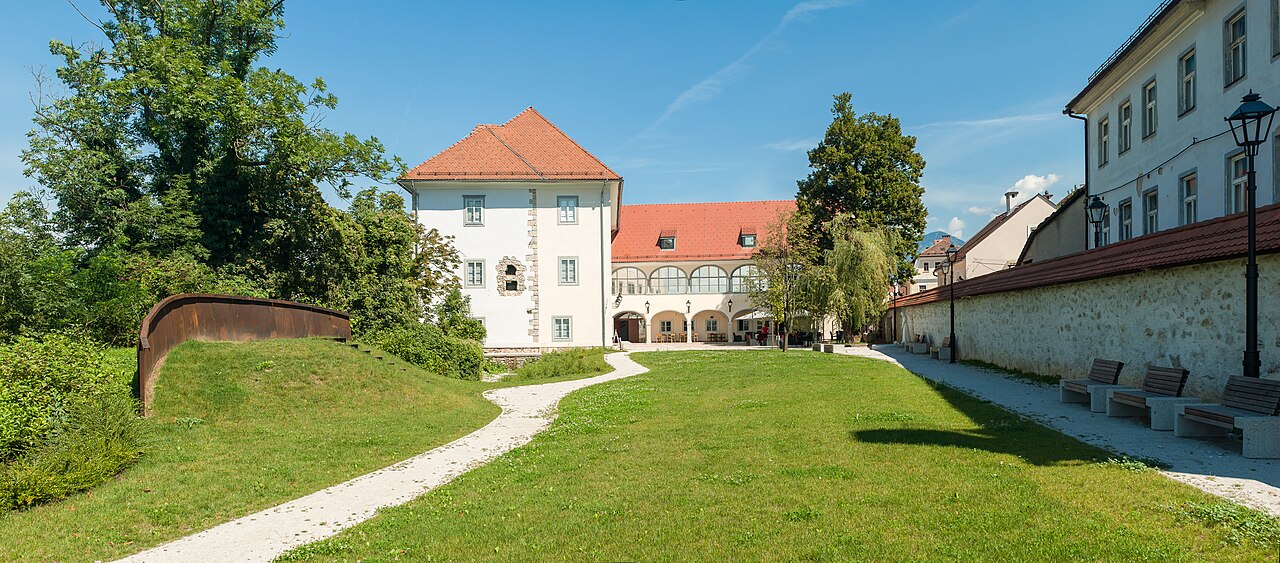
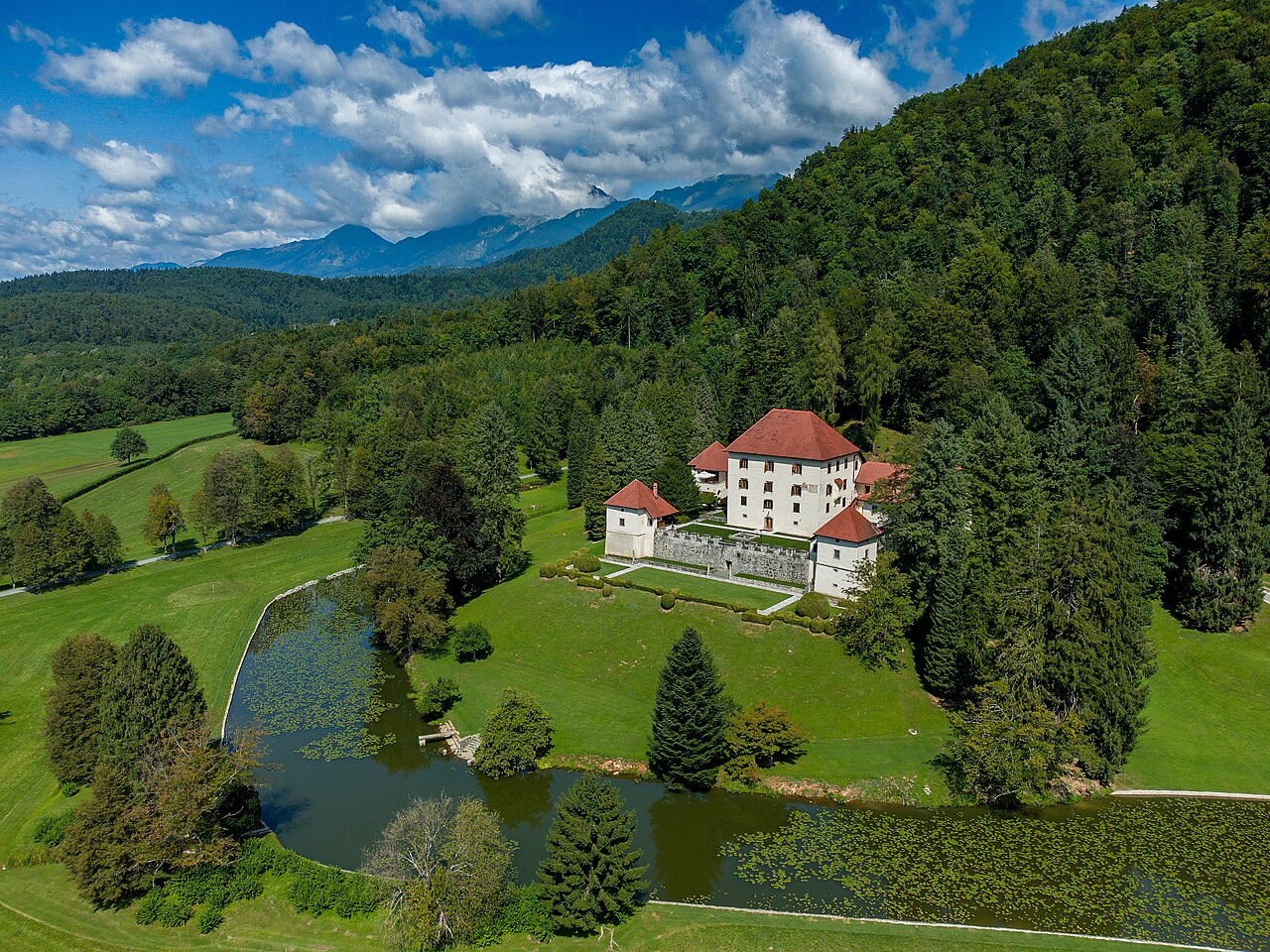
Brdo Castle near Kranj, Slovenia, stands as a significant Renaissance-era mansion with a rich history intertwined with political and cultural developments in the region. Constructed in 1510 by the Carniolan nobleman Georg (Jurij) Egkh, who served as the general administrator of Habsburg private estates in the Duchy of Carniola, the castle originally showcased the refined Renaissance architectural style. Over the centuries, it has undergone numerous renovations and stylistic changes, reflecting the evolving tastes and functions assigned to the estate.
Historical development and ownership
Initially built as a noble residence, Brdo Castle was acquired in the 18th century by Michelangelo Zois, a prominent figure whose family played a vital role in the Carniolan Enlightenment. His son, Žiga Zois, was a noted patron of the arts and natural sciences, linking the castle to the intellectual currents of the time. In the 19th century, the mansion changed ownership multiple times, during which its interior was extensively renovated, adapting to contemporary tastes and needs.
By the early 20th century, the castle had fallen into a state of decline until it was purchased in 1935 by Prince Paul of Yugoslavia. Under his ownership, the estate was transformed from a provincial mansion with eclectic and Biedermeier elements into a refined summer royal residence. This period saw the castle hosting distinguished guests, including Edward VIII of the United Kingdom, marking its importance as a site of high-profile social and political gatherings.
Brdo castle in the yugoslav and slovenian states
Following the establishment of the Communist Yugoslav state in 1945, the castle was confiscated from the Karadjordjević dynasty and became a summer retreat for Josip Broz Tito, the Yugoslav leader. Alongside Vila Bled near Lake Bled, Brdo was one of Tito’s preferred residences during spring and summer months. Notably, in spring 1980, Tito suffered a seizure at Brdo Castle and was subsequently transferred to the University Medical Centre Ljubljana, where he later died.
After Tito’s death, the estate passed to the Socialist Republic of Slovenia and eventually to the Government of independent Slovenia. The castle continues its traditional role as a venue for national and international conferences. In 1990, it hosted a critical meeting of leaders from the six Yugoslav republics attempting to prevent the federation’s dissolution. It also hosted the first official meeting between George W. Bush and Vladimir Putin in 2001, and during Slovenia's EU Presidency in 2008, it was the site of multiple high-level international meetings.
Architectural features and renovations
The original Renaissance style of Brdo Castle is evident in its layout and structural elements, although the building has been extensively remodeled over the centuries. The 18th-century ownership introduced Baroque influences, while Prince Paul’s renovations in the 1930s refined the mansion’s appearance into a more elegant and functional royal residence. The castle features formal gardens and a park landscape that complement its architectural grandeur.
The interior is richly decorated with artworks by prominent Slovene artists, including France Mihelič, Maksim Sedej, Boris and Zdenko Kalin, and Karel Putrih. These decorations include paintings, frescos, and sculptures that enhance the cultural and artistic value of the estate, linking it firmly to Slovenia’s national heritage.
Current use and cultural significance
Today, Brdo Castle serves as the Slovenian Government’s main venue for diplomatic meetings and official events. Its role as a site for hosting international summits and conferences underscores its continuing political importance. The castle’s blend of historical architecture and modern function makes it a unique symbol of Slovenia’s past and present.
The estate’s extensive parklands and proximity to Kranj make it accessible for visitors interested in exploring Slovenia’s noble heritage and political history. While the castle itself is primarily used for official functions, its grounds occasionally open for cultural events, providing a glimpse into the grandeur of Renaissance and later architectural styles preserved through careful maintenance and restoration.
Frequently asked questions (FAQ)
- How do I get to Brdo Castle?
- Brdo Castle is located in Kranj, Slovenia, and is easily accessible by car or public transport. If you're driving, there are parking facilities available on-site. Additionally, public buses from Kranj city center regularly service the area, making it convenient for visitors.
- What is the historical significance of Brdo Castle?
- Brdo Castle has a rich history dating back to the 11th century and has served various purposes throughout the centuries, including as a noble residence and a meeting place for state affairs. It is known for its role in Slovenian history, particularly during the time of the Habsburgs and the establishment of Yugoslavia. The castle now stands as a symbol of cultural heritage and national pride.
- When was Brdo Castle built?
- Brdo Castle was originally constructed in the early 11th century, though it has undergone numerous renovations and expansions over the years. The current architectural style reflects various influences from different periods, showcasing a blend of medieval and Renaissance elements. Its historical layers make it a fascinating site for visitors interested in architecture.
- Can I take a guided tour of Brdo Castle?
- Yes, guided tours are available for visitors who want to learn more about the history and architecture of Brdo Castle. These tours often include insights into the castle's past and its significance in Slovenian culture. It's advisable to check the schedule and book in advance to ensure your spot.
- Why is Brdo Castle a popular tourist destination?
- Brdo Castle is popular for its stunning architecture, beautiful gardens, and historical importance. Visitors are drawn to its picturesque location and the serene surroundings that offer a glimpse into Slovenia's noble past. The castle also hosts various cultural events, adding to its appeal as a tourist destination.
- Is it possible to host events at Brdo Castle?
- Yes, Brdo Castle offers facilities for hosting various events, including weddings, conferences, and other celebrations. The castle's elegant rooms and scenic surroundings provide a unique backdrop for special occasions. Interested parties should contact the castle's management for details on availability and arrangements.
- What are the opening hours for Brdo Castle?
- Brdo Castle is generally open to visitors from Tuesday to Sunday, with specific hours varying by season. It's recommended to check the official website or contact the castle directly for the most up-to-date information on opening times. Planning your visit accordingly can help you make the most of your experience.
- Are there any nearby attractions to visit while at Brdo Castle?
- Yes, there are several attractions near Brdo Castle that visitors can explore, including the beautiful Brdo Estate and the picturesque city of Kranj. The area offers outdoor activities, scenic views, and opportunities to learn more about Slovenian culture and heritage. Make sure to allocate some time to discover these nearby gems during your visit.
- What are the ticket prices for Brdo Castle?
- Ticket prices for Brdo Castle vary depending on the type of tour or event you wish to attend. Generally, entrance fees are affordable, making it accessible for all visitors. Check the official website for detailed pricing information and any special discounts available for families or groups.
Information
Loading map...
Visitor reviews
No reviews yet. Been here? Write the first review and help other travelers!
Write the first reviewVisited this castle? Share your experience
Your review helps other travelers and adds first-hand knowledge to our encyclopedia.