Strambino Castle
Strambino Castle is a significant medieval fortress located in the town of Strambino, in the Piedmont region of Italy. Its origins trace back to the 11th century, making it a notable example of early medieval fortification in northern Italy. The castle was first documented in the 12th century and was likely under the ownership of the Bishop of Ivrea, reflecting the common medieval practice of ecclesiastical authorities controlling strategic strongholds.
Historical development and ownership
The earliest records indicate that Strambino Castle served both military and administrative functions in the region. Its ownership by the bishopric of Ivrea positioned it as a key asset in controlling local territories and asserting ecclesiastical influence. Over the centuries, the castle underwent numerous modifications, adapting to changing defensive needs and residential requirements.
Architectural evolution and styles
11th-century origins and medieval fortifications
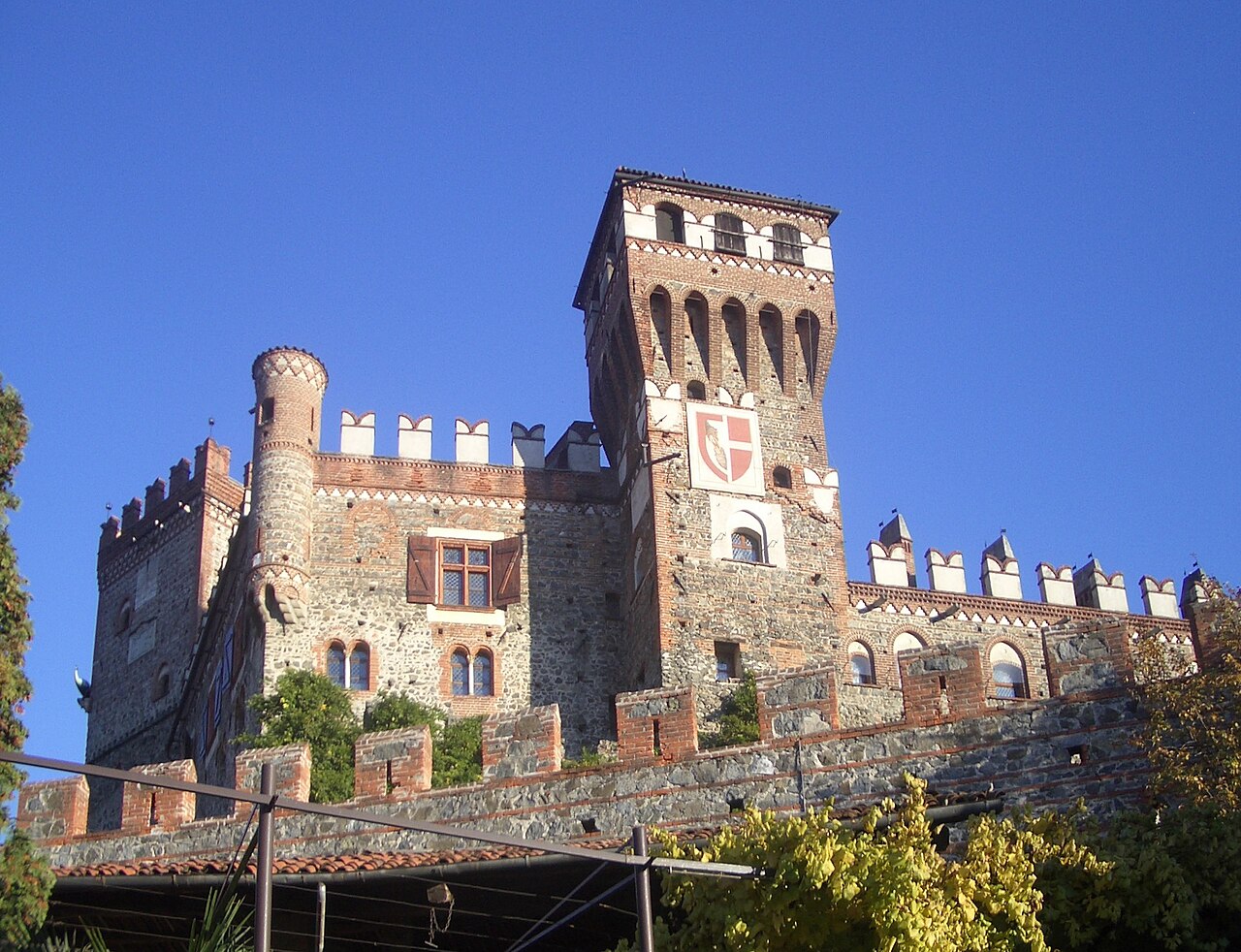
The castle's foundation dates back to the 11th century, with remnants of the original structure still visible today. These early elements include thick defensive walls and foundational masonry typical of high medieval military architecture. The layout was likely designed to maximize defense, featuring robust curtain walls and possibly a keep or donjon, although specific details about the original plan are limited.
15th-century Gothic additions
During the 15th century, Gothic architectural elements were introduced, marking a shift towards more refined stylistic features alongside continued military functionality. Gothic features such as pointed arches, narrow windows, and decorative stonework were incorporated, reflecting the architectural trends of the late medieval period in northern Italy. These additions would have enhanced both the castle's defensive capabilities and its aesthetic presence.
17th-century noble residence transformation
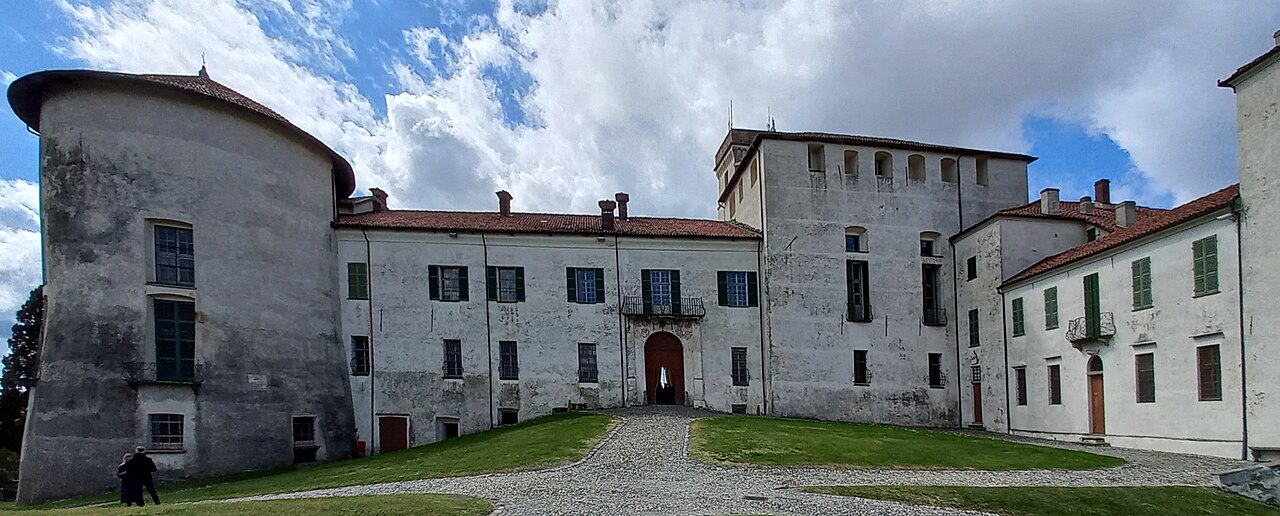
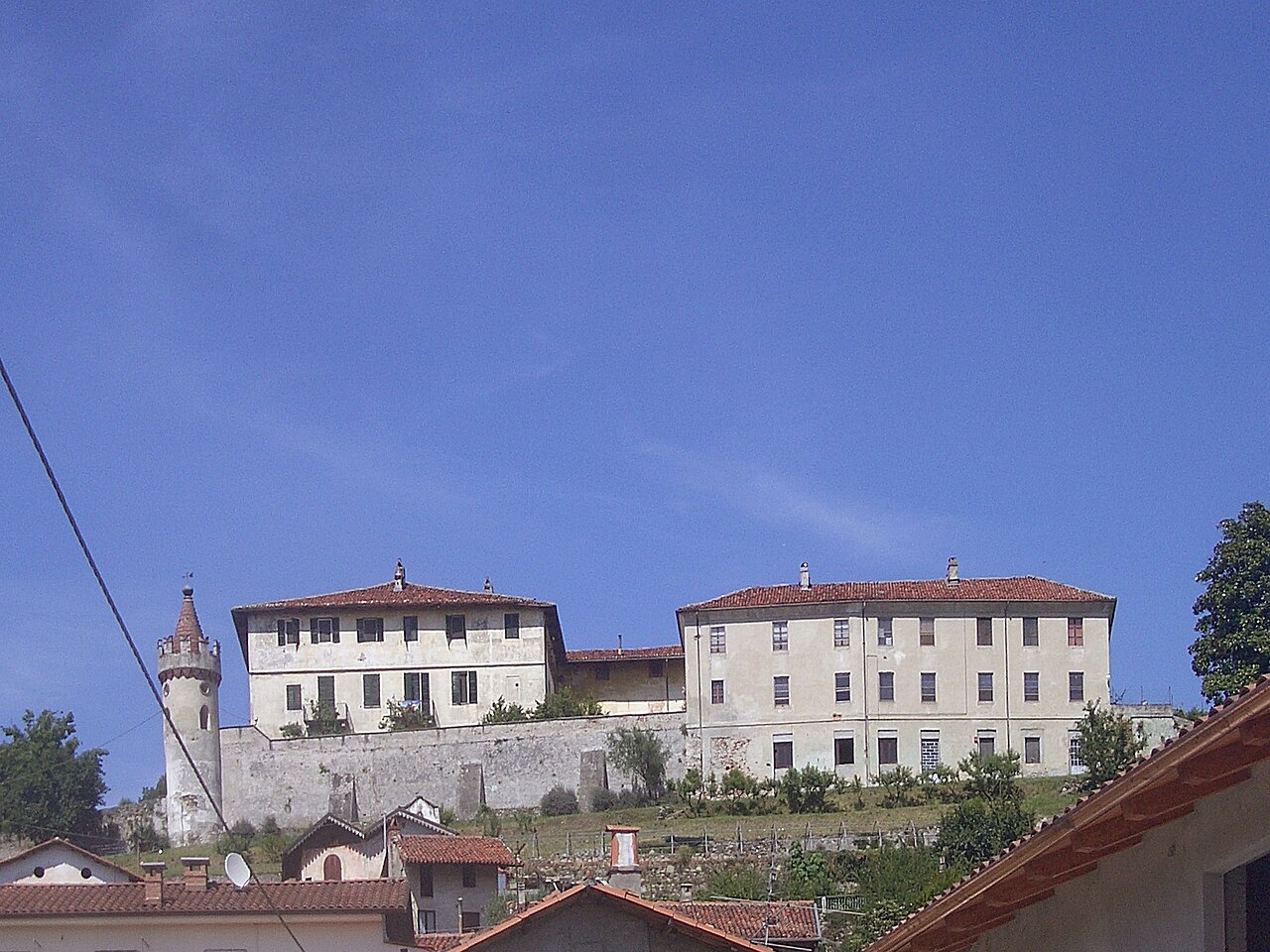
In the 17th century, the castle was transformed significantly into a noble residence, reflecting the reduced military role of such fortifications in the early modern period. The main part of the castle as it stands today is largely the result of this period, with more comfortable living quarters and representative spaces replacing purely defensive structures. This transformation aligns with broader European trends where medieval castles were adapted into palatial homes.
Architectural features and layout
Strambino Castle exhibits a complex architectural layering due to its long history. The surviving medieval walls and Gothic structures coexist with the later residential additions. The castle likely includes a central courtyard, surrounded by fortified walls and towers, although detailed descriptions of its layout are limited. The 17th-century renovations introduced larger windows, refined interiors, and possibly ornamental gardens or courtyards suited for noble life.
Significance and current condition
Today, Strambino Castle stands as a testament to the architectural and historical evolution from a medieval fortress to a noble residence. Its preservation of elements from the 11th century through the 17th century provides valuable insight into the changing functions and styles of Italian castles. The castle remains an important cultural landmark in the Piedmont region, attracting visitors interested in medieval history and architecture.
Frequently asked questions (FAQ)
- How do I get to Strambino Castle?
- Strambino Castle is conveniently located in the town of Strambino, Italy. Visitors can reach it by car, with ample parking available nearby, or by using public transportation, such as trains or buses that connect to the local area.
- What is the historical significance of Strambino Castle?
- Strambino Castle dates back to the 10th century and has played a crucial role in the region's history. It has served as a defensive stronghold and a residence for local nobility, reflecting the architectural styles and societal structures of its time.
- When was Strambino Castle built?
- The construction of Strambino Castle began in the 10th century, with various modifications and expansions made throughout the centuries. Its long history is evident in the blend of architectural styles that can be seen in its structure today.
- Can I take a guided tour of Strambino Castle?
- Yes, guided tours are available for visitors wanting to learn more about the castle's history and architecture. These tours often include access to areas that are not open to the general public and provide insightful information from knowledgeable guides.
- Why is Strambino Castle considered an architectural gem?
- Strambino Castle is celebrated for its blend of medieval and Renaissance architectural features, showcasing intricate stonework and impressive fortifications. The castle’s design reflects the historical significance of the region and provides a glimpse into the past.
- Is it possible to visit Strambino Castle during the off-season?
- Yes, Strambino Castle is open to visitors year-round, although hours may vary during the off-season. It’s advisable to check the castle's official website for specific opening times and any seasonal events that may be taking place.
- What are the ticket prices for visiting Strambino Castle?
- Ticket prices for Strambino Castle are typically affordable, with discounts available for students and seniors. It’s best to check the official website for the latest pricing information and any special offers that may be available.
- What is the best time to visit Strambino Castle?
- The best time to visit Strambino Castle is during the spring and fall when the weather is mild, and the surrounding scenery is particularly beautiful. Visiting during these seasons allows you to enjoy the castle grounds and nearby attractions without the peak summer crowds.
- Are there any nearby attractions to visit while in Strambino?
- Yes, Strambino is surrounded by charming towns and beautiful landscapes, making it a great base for exploring the region. Nearby attractions include the historic town of Ivrea and the scenic hills of Canavese, perfect for day trips and outdoor activities.
Information
Loading map...
Visitor reviews
No reviews yet. Been here? Write the first review and help other travelers!
Write the first reviewVisited this castle? Share your experience
Your review helps other travelers and adds first-hand knowledge to our encyclopedia.