Sternberk Castle
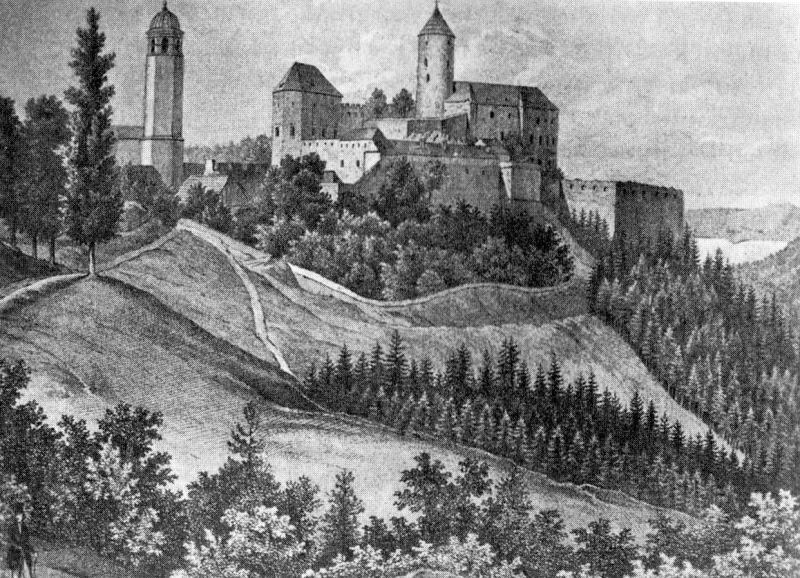
Šternberk Castle stands as a remarkable example of a high medieval hill castle in the Czech Republic, embodying centuries of architectural evolution and historical significance. Founded in the mid-13th century by Zdeslav of Šternberk, the castle was originally constructed as a fortified seat to secure the surrounding lands granted to him by the Bohemian crown. Its earliest documented mention dates to 1269, although construction began several decades earlier, reflecting the strategic importance of the site atop a rocky promontory overlooking the town of Šternberk and the Nízký Jeseník mountain range.
The castle’s long history is marked by a series of ownership changes, architectural transformations, and episodes of conflict and restoration. Initially a stronghold of the Šternberk noble family, it later served as an episcopal residence under Bishop Albrecht Aleš of Šternberk in the 14th century, who enhanced the castle’s chapel with decorations inspired by the artistic styles prevalent at the court of Emperor Charles IV. This period underscored the castle's religious and political importance within the region.
Medieval origins and early history
The foundation of Šternberk Castle is closely tied to the military and political events of the mid-13th century. Zdeslav of Šternberk was rewarded for his role in repelling a Cuman invasion in 1253, receiving lands and the title of royal cup-bearer. The castle was built to consolidate his power and protect the territory. Throughout the 13th and 14th centuries, the castle was expanded and fortified, adapting to the needs of its noble occupants.
During the 14th century, under Bishop Albrecht Aleš, the castle's chapel was adorned with artistic elements reflecting the Gothic style dominant at the time. This included frescoes and architectural details that connected the castle to the cultural milieu of the Bohemian royal court.
Turbulence and renaissance transformation
The 15th century brought significant challenges as Šternberk Castle became embroiled in the Hussite Wars. In 1430, it was occupied by Hussite forces, marking a period of conflict and instability. The castle sustained damage during these wars and later during the Thirty Years’ War in the 17th century, which left it in a state of disrepair.
Following a destructive fire in the 17th century, the castle underwent substantial reconstruction under the ownership of the Berka family. They introduced Renaissance architectural elements, including a new wing featuring the Vizitkový Hall, celebrated for its intricate rib vaulting. This hall exemplifies Renaissance innovation in structural design and aesthetic refinement, combining both strength and decorative complexity.
Ownership by the minsterberk princes and liechtenstein family
By the late 16th century, Šternberk Castle passed to the Silesian princes of Minsterberk, descendants of King George of Poděbrady. Their tenure lasted until the mid-17th century when the castle was acquired by Prince Hans Adam I of Liechtenstein around the turn of the 18th century. The Liechtenstein family maintained ownership until the end of World War II, overseeing periods of decline as well as restoration.
The Liechtensteins’ stewardship included a major Neo-Gothic restoration in 1886, led by Viennese architect Karl Gandolph Kayser. This renovation repaired structural damage and introduced Gothic revival elements such as pointed arches and decorative stonework, blending historical preservation with 19th-century stylistic trends. The castle’s interiors were updated while preserving key medieval and Renaissance features.
20th-century developments and conservation efforts
In the early 20th century, between 1907 and 1909, a forest park was designed adjacent to the castle by Viennese architect Albert Esche. This landscaped area enhanced the castle’s natural surroundings and provided a picturesque setting that complements its elevated hilltop position.
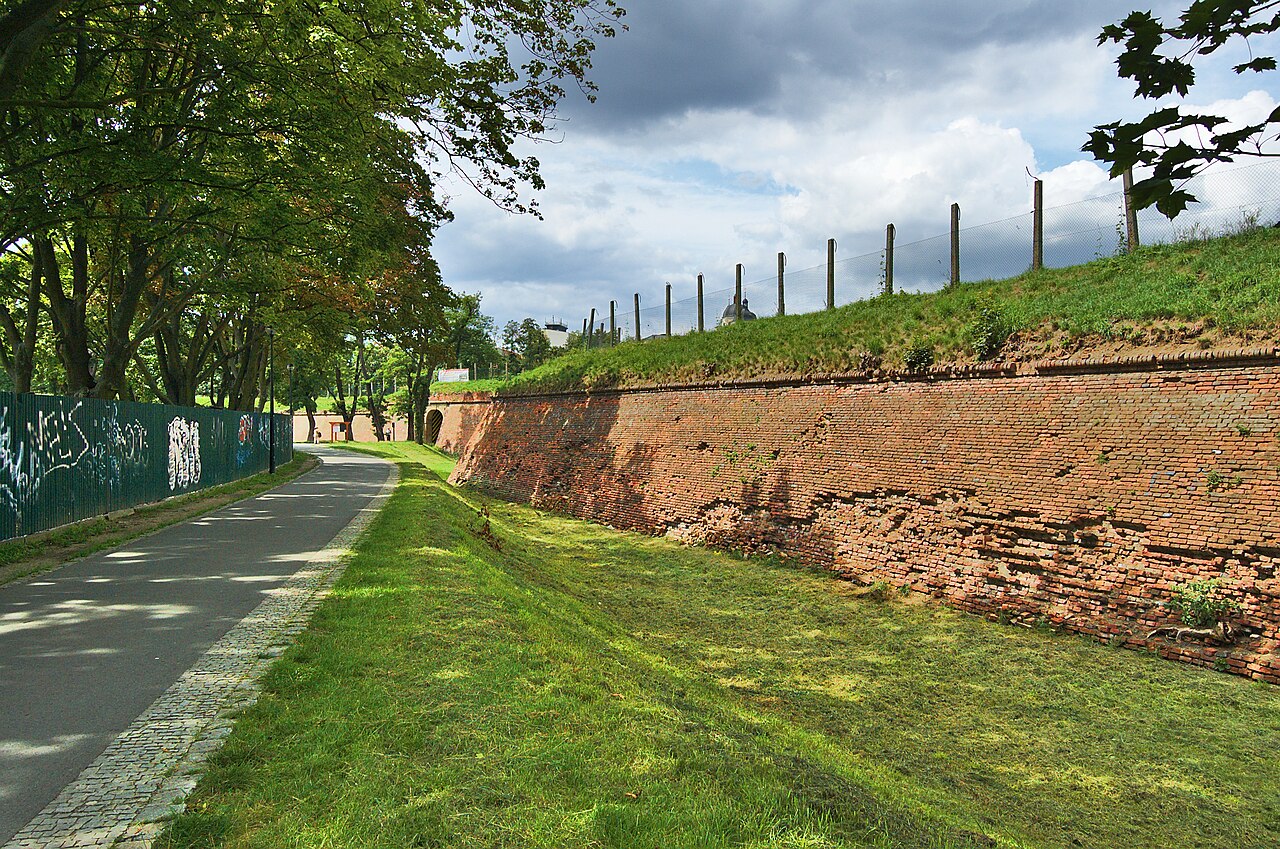
After World War II, the castle was nationalized, and although the Liechtenstein family sought its recovery, it remained under state ownership. Over time, parts of the castle and its fortifications showed signs of deterioration, including the eastern retaining wall of the parkán defensive enclosure, the stone bridge leading to the main entrance, and sections of the courtyard walls.
Recent conservation initiatives, particularly a major restoration from 2019 to 2022, have focused on stabilizing and preserving these vulnerable elements. These efforts ensure the castle’s structural integrity and allow visitors to experience its rich historical layers.
Architectural features and layout
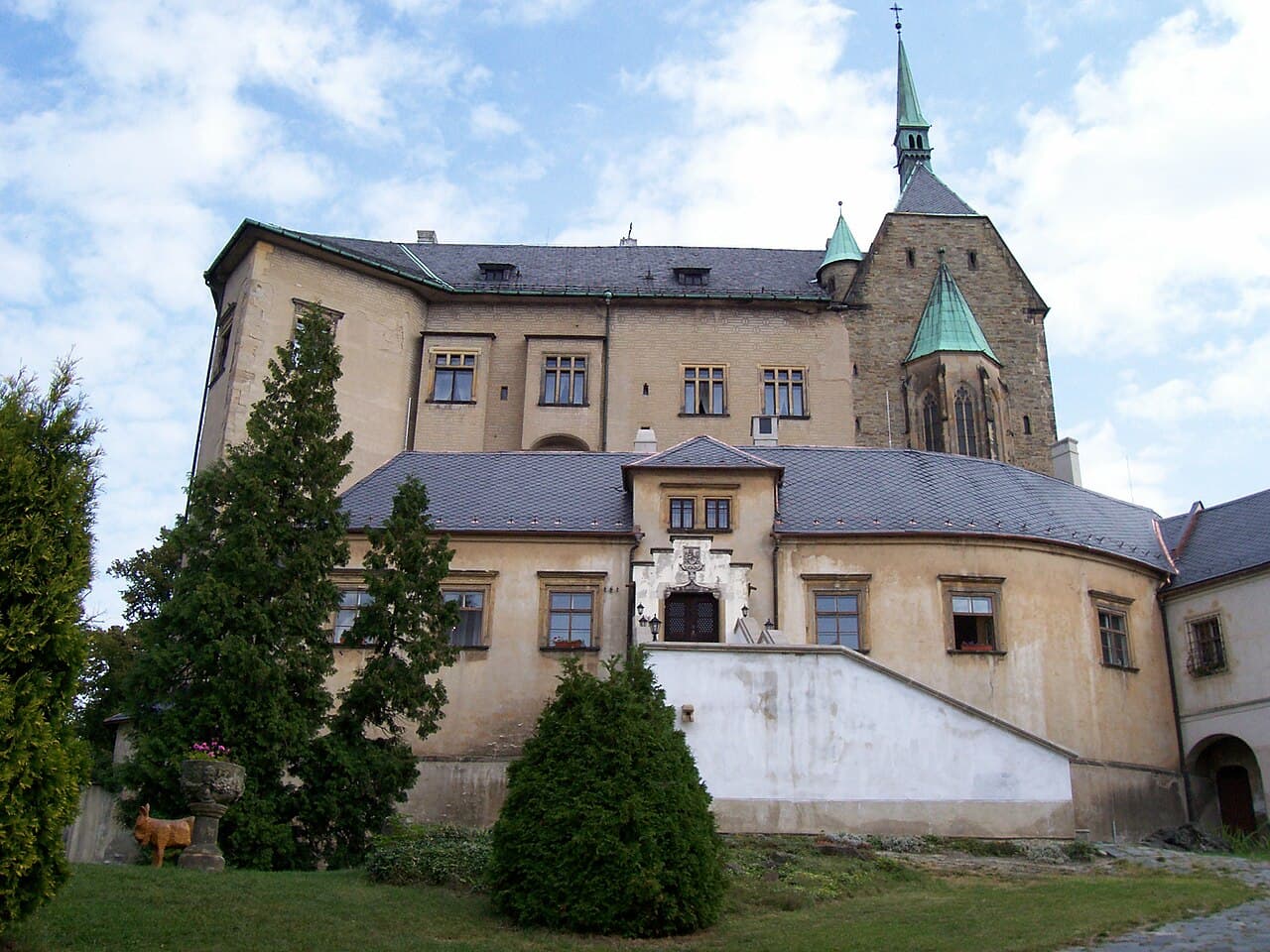
Šternberk Castle’s architecture is a palimpsest of styles and periods, reflecting its continuous adaptation over centuries. The original medieval fortress layout includes multiple wings and defensive walls, strategically positioned on a rocky outcrop approximately 300 meters above sea level.
The Renaissance wing, built during the Berka family’s tenure, stands out for its Vizitkový Hall with its sophisticated rib vaulting, a hallmark of Renaissance structural ingenuity. The castle chapel, with its 14th-century medieval decoration, remains a significant cultural and religious feature, linking the site to the artistic heritage of the Bohemian crown.
The 19th-century Neo-Gothic restoration introduced pointed arches, decorative battlements, and other Gothic revival motifs, harmonizing with the castle’s medieval character while enhancing its aesthetic appeal. The castle complex also includes former economic and administrative buildings that supported its role as a seat of local power.
Defensive structures and surroundings
The castle’s fortifications include the parkán, an outer defensive enclosure typical of medieval hill castles, designed to protect the main fortress from attack. The stone bridge leading to the entrance exemplifies medieval engineering adapted to the rocky terrain.
The adjacent forest park, created in the early 20th century, provides a scenic natural buffer and recreational space, enhancing the visitor experience and preserving the castle’s historic landscape context.
Cultural significance and public access
Today, Šternberk Castle is managed by the National Heritage Institute’s regional office in Olomouc and serves as a museum open to the public. The first floor houses exhibitions of historic furnishings, artworks, tapestries, and antique weaponry, offering a tangible connection to the castle’s multifaceted history.
The Liechtenstein family resided on the second floor until the end of World War II, after which the castle transitioned to state ownership. Its preservation and public accessibility reflect ongoing efforts to celebrate and maintain Czechia’s rich medieval and Renaissance heritage.
Šternberk Castle remains a prominent cultural landmark, attracting visitors interested in medieval architecture, Renaissance art, and the complex history of Bohemia’s noble families. Its layered architectural styles and well-preserved interiors offer a unique window into Central European history.
Frequently asked questions (FAQ)
- When was Šternberk Castle originally built?
- Šternberk Castle was founded in the mid-13th century, with the first written mention dating to 1269.
- What architectural styles are visible at Šternberk Castle?
- The castle features a blend of medieval, Renaissance, and Neo-Gothic styles, reflecting centuries of construction and restoration.
- Is Šternberk Castle open to the public for visits?
- Yes, the castle is open to visitors, with the first floor functioning as a museum showcasing historic furnishings and artifacts.
- Who owns Šternberk Castle today?
- The castle is owned and managed by the National Heritage Institute’s regional office in Olomouc.
- What notable features can visitors see inside the castle?
- Visitors can explore the Renaissance Vizitkový Hall with its rib vaulting, the medieval chapel decorations, and collections of historic artworks and weaponry.
- How has Šternberk Castle been preserved in recent years?
- A major restoration from 2019 to 2022 addressed structural deterioration, ensuring the castle remains well-preserved for future generations.
Photo gallery

Information
Sources & official resources
Verify the information above using these authoritative references.
Loading map...
Visitor reviews
No reviews yet. Been here? Write the first review and help other travelers!
Write the first reviewVisited this castle? Share your experience
Your review helps other travelers and adds first-hand knowledge to our encyclopedia.