Stare Selo Castle
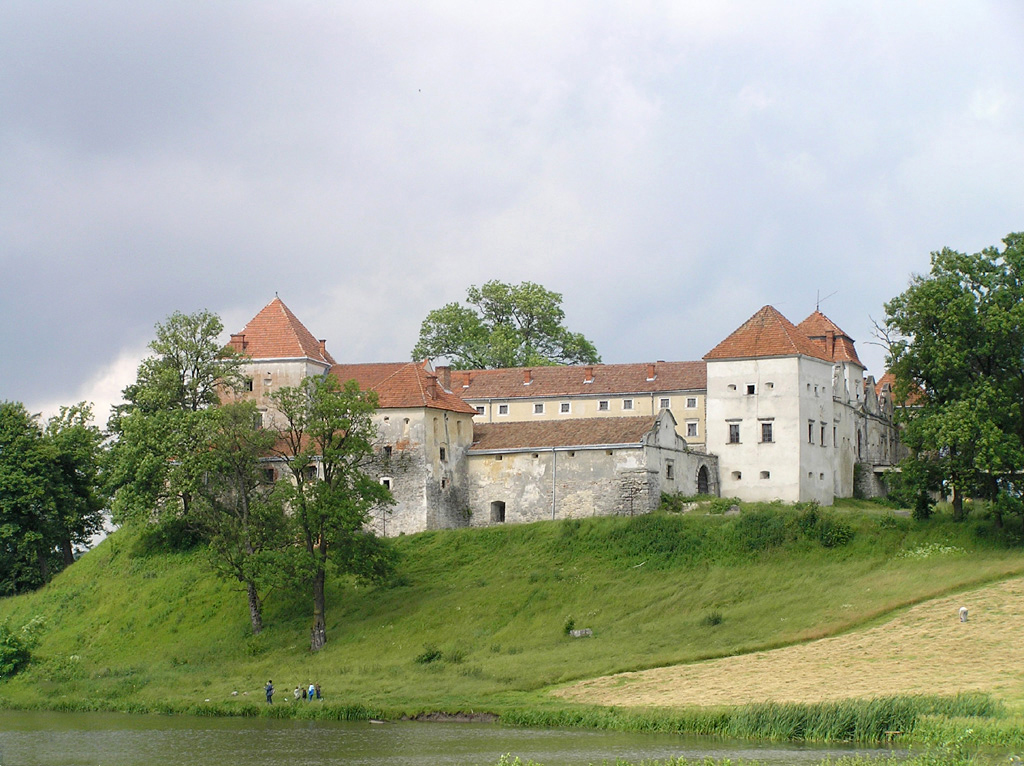
Stare Selo Castle is a prominent hill castle located in the village of Stare Selo, within the Lviv Oblast of Ukraine. This fortress, built primarily in the 15th century, reflects the turbulent history and strategic military importance of the region. Originally constructed as a wooden fortification, it evolved through several phases of rebuilding and fortification, mirroring the shifting political and military landscape of Eastern Europe.
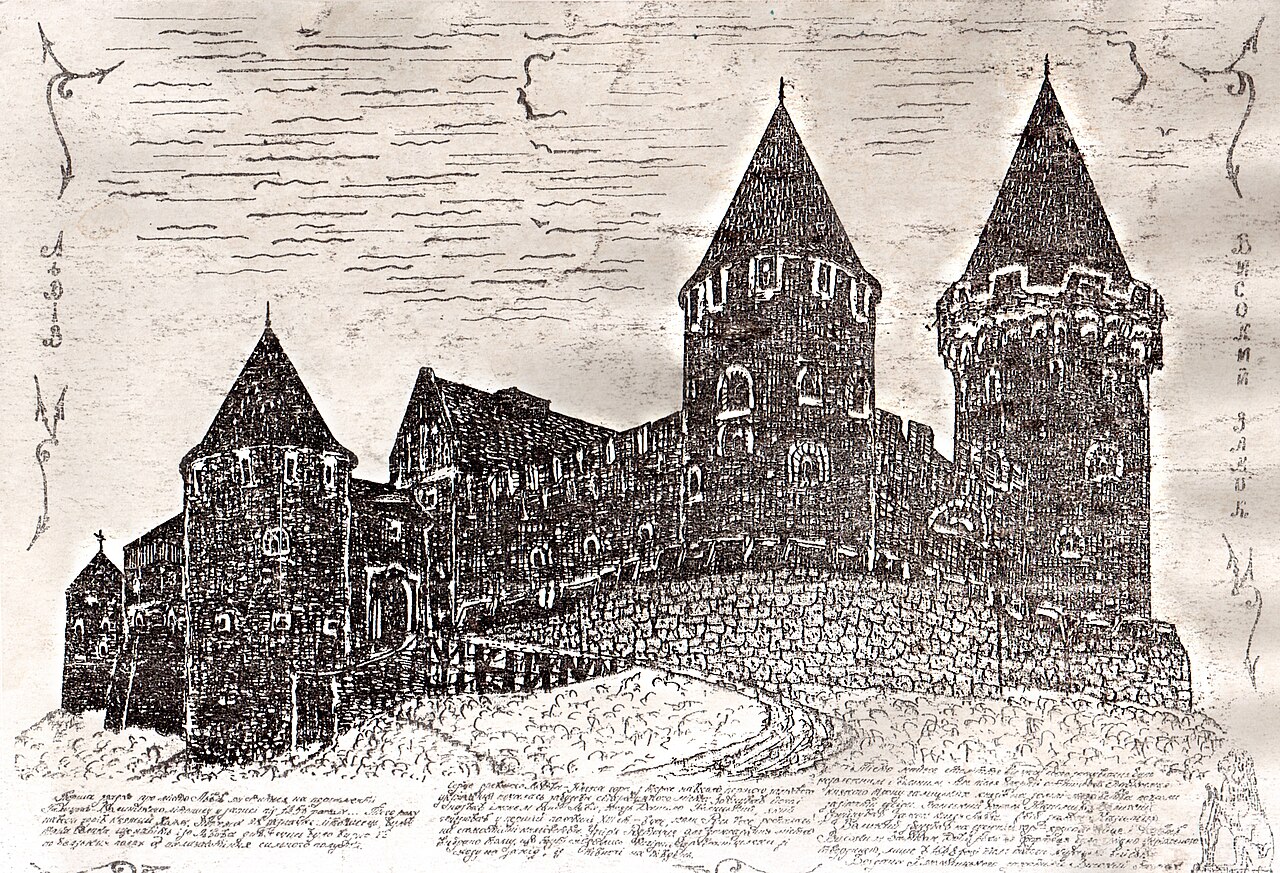
The earliest fortifications at Stare Selo were established in 1448 as a wooden castle designed to protect travelers and local inhabitants along the vital Tatar or Wallachian route leading to Lviv. This route was frequently targeted during raids, leaving the local population vulnerable until the castle's construction. In 1498, the wooden fortress and surrounding village endured a devastating attack by the Turks, resulting in significant loss of life and destruction, underscoring the region's volatility during the late medieval period.
Historical development and ownership
Ownership of the estate shifted notably in 1553 when Sophia Tarnawska brought Stare Selo as part of her dowry to Prince Vasyl-Kostiantyn Ostrozkyi. This transfer marked the beginning of significant architectural and cultural developments, including the construction of the Church of the Beheading of St. John the Baptist within the castle complex. Later in the 16th century, under Prince Dominik Ostrogski, the castle underwent a major transformation from wood to stone between 1584 and 1589. This reconstruction, guided by the Italian architect Ambrosius Prikhilny, introduced Renaissance military engineering principles, enhancing the fortress's defensive capabilities against escalating threats.
In 1642, Vladyslav Dominik Ostrogski proposed a new defensive castle intended to serve as a refuge for local villagers during attacks. Designed again by Ambrosius Prikhilny, this structure was destroyed during the Bohdan Khmelnytsky Cossack uprising in 1648. Reconstruction efforts from 1648 to 1654 resulted in a stronger fortress featuring a moat, raised earthworks (ramparts), and a drawbridge. This rebuilt castle exemplified European Renaissance military architecture adapted to lowland conditions and successfully resisted subsequent sieges by both Cossack and Turkish forces during the mid-17th century.
Architectural features and layout
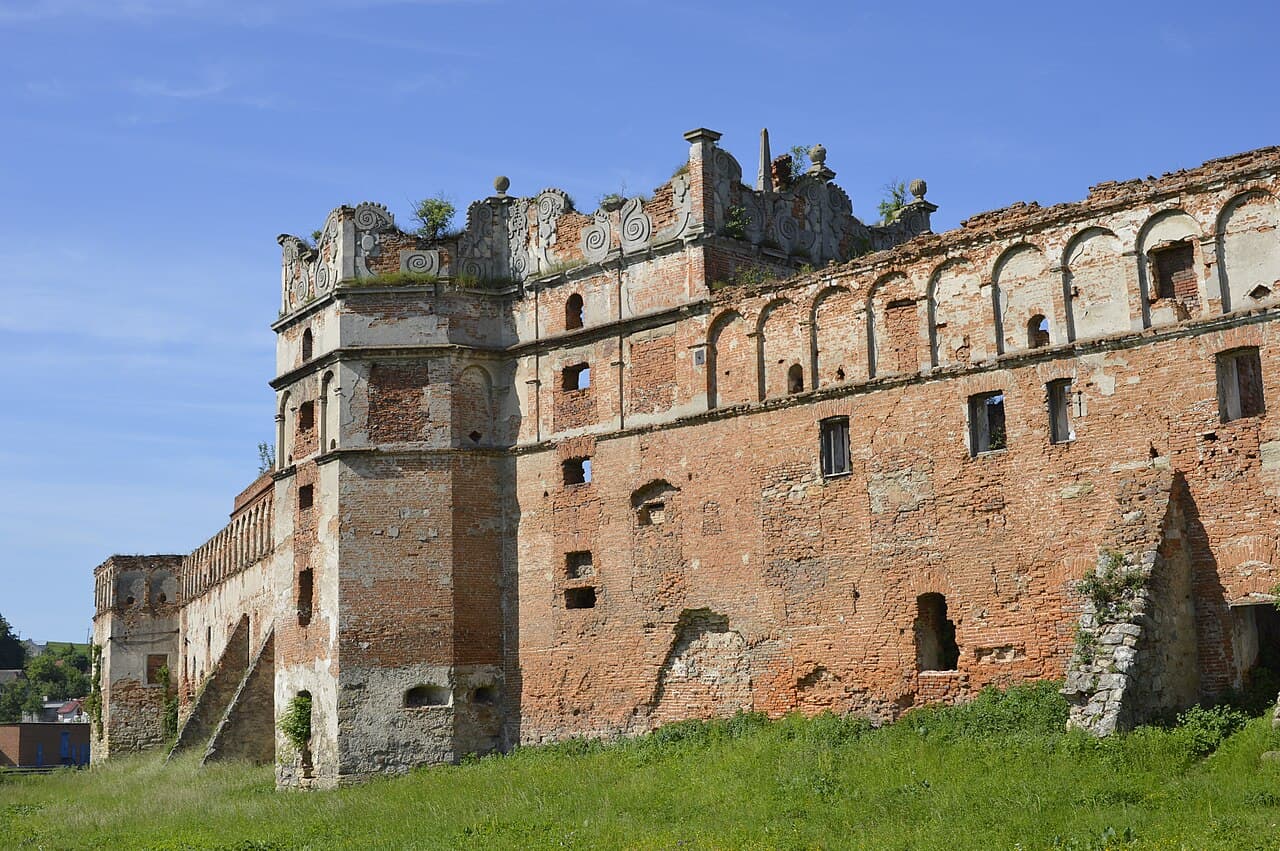
The castle occupies an area of approximately two hectares, making it one of the largest fortified sites in the Lviv region. Its layout is an irregular pentagon, closely resembling a triangular shape, with sides measuring between 160 and 175 meters and a perimeter of nearly 500 meters. Originally, the fortress had six towers, but only three remain today. The walls stand between 14 and 16 meters high, topped by attic sections decorated with blind arches—rows of recessed arches that add ornamental detail without openings.
The surviving towers feature Baroque stone carvings, including crown-shaped designs on the parapets. The eastern tower is notably well-preserved, adorned with elaborate Baroque decorations such as sculpted parapets with white stone vases, obelisks, and volutes, creating a distinctive crown-like appearance. The fortress walls contain embrasures arranged on three levels: the upper tier for small arms like muskets, and the lower levels for artillery, demonstrating the castle's adaptation to evolving military technology.
A narrow gallery once ran along the wall tops, providing a protected walkway for defenders and space for military banners used for signaling. The main entrance featured a gate with a drawbridge over the moat and ramparts, essential defensive elements of Renaissance fortifications. A second gate on the western side remains intact and bears the Leliva coat of arms of the Sieniawski family, likely added in the early 20th century as a heraldic enhancement.
Carved heraldic symbols embellish the gates and towers, including a black eagle and the Radziwiłł family coat of arms on the gate tower. One tower bears an inscription with the initials "WDXOYZWSLS," representing Vladyslav Dominik Ostrogski Zaslavsky, linking the fortress directly to its historic patron. Inside, large vaulted rooms on the ground floor were converted in the 18th century into brewery spaces, with one stone door still bearing a partially legible inscription crediting architect M. Hubman and indicating the year of construction related to this industrial adaptation.
Later use, decline, and preservation efforts
During the 18th century, the castle passed through several noble families, including the Lubomirski, Sieniawski, and Czartoryski. The Sieniawski family restored the fortress in 1709 and repurposed it as an arsenal in preparation for the Swedish invasion. By the early 19th century, the Potocki family acquired the castle and converted parts of it into a brewery, distillery, and storage facilities, marking a shift from military to industrial use.
Count Alfred Potocki was the last private owner before Soviet control, maintaining the brewery until 1939. Under Soviet administration from 1939 to 1991, the fortress was used as storage for a collective farm. In 2010, the site was leased to a private company with plans for restoration and tourism development, but no restoration work occurred by 2015. Legal proceedings from 2022 to 2023 ended the lease, returning the castle to state ownership.
Today, Stare Selo Castle stands in a state of ruins, affected by ground vibrations from a nearby railway, lack of drainage, and long-term neglect. Despite this, it remains a nationally recognized architectural monument, protected under heritage registers and studied for its significance in Polish and Lithuanian history. Archaeological excavations have uncovered Polish coins and iron implements, providing material evidence of the castle's historical occupation and varied uses.
The castle complex once included ancillary structures such as a factory named "ROZOLISOW," storage sheds, a malt mill powered by horse-driven mechanisms, and a large icehouse beneath the western wall, though many of these are now in poor condition. The central courtyard originally housed a chapel, later replaced by a garden area.
Military significance and sieges
Stare Selo Castle played a crucial role in regional defense, guarding the important trade and military route from Lviv to Romania. Its stone fortifications were designed to withstand the era's evolving siege technologies. The fortress successfully resisted multiple attacks, including a siege by Turkish forces in 1674 and various assaults during the Cossack uprisings of the mid-17th century.
The castle's design incorporated Renaissance military architecture features such as angled bastions, layered embrasures for different weapon types, and a moat with a drawbridge, reflecting contemporary European defensive trends. Its large size and complex layout allowed it to serve as a refuge for local populations during times of conflict.
Architectural and cultural legacy
As one of the largest and most architecturally significant fortified sites in the Lviv Oblast, Stare Selo Castle offers valuable insights into the military, political, and cultural history of Eastern Europe from the late medieval through early modern periods. The involvement of notable figures such as the Ostrogski family and architect Ambrosius Prikhilny links the castle to broader Renaissance architectural movements.
The castle's surviving Baroque decorative elements, heraldic symbols, and complex defensive structures contribute to its importance as a heritage site. Despite its advanced state of decay, it continues to attract interest from historians, archaeologists, and tourists interested in the region's past.
Frequently asked questions (FAQ)
- How do I visit Stare Selo Castle?
- Stare Selo Castle is located in the village of Stare Selo, Lviv Oblast, Ukraine. Visitors can reach it by local transport or car. Due to its ruinous state, caution is advised when exploring the site, and guided tours may be available through local heritage organizations.
- What is the historical significance of Stare Selo Castle?
- Stare Selo Castle was a key defensive fortress protecting trade routes to Lviv and Romania. It played a significant role during the Cossack uprisings and Turkish sieges, reflecting Renaissance military architecture adapted for Eastern European conflicts.
- When was Stare Selo Castle built and by whom?
- The original wooden fortifications were established in 1448, with the stone fortress constructed between 1584 and 1589 under Prince Dominik Ostrogski and architect Ambrosius Prikhilny.
- Can I see architectural features like towers and embrasures at the castle?
- Yes, three of the original six towers remain, featuring Baroque stone carvings and crown-shaped parapets. The walls have embrasures on three levels for muskets and artillery, showcasing Renaissance military design.
- Is the castle safe to explore?
- The castle is in ruins and affected by ground vibrations and neglect, making some areas unsafe. Visitors should exercise caution and consider guided tours for a safer experience.
- Are there any nearby attractions to visit after Stare Selo Castle?
- Visitors to Stare Selo can explore the nearby city of Lviv, known for its rich history, architecture, and cultural sites. The surrounding Lviv Oblast also offers natural landscapes and other historical landmarks.
Photo gallery

Information
Current owner
State ownership
Loading map...
Visitor reviews
No reviews yet. Been here? Write the first review and help other travelers!
Write the first reviewVisited this castle? Share your experience
Your review helps other travelers and adds first-hand knowledge to our encyclopedia.