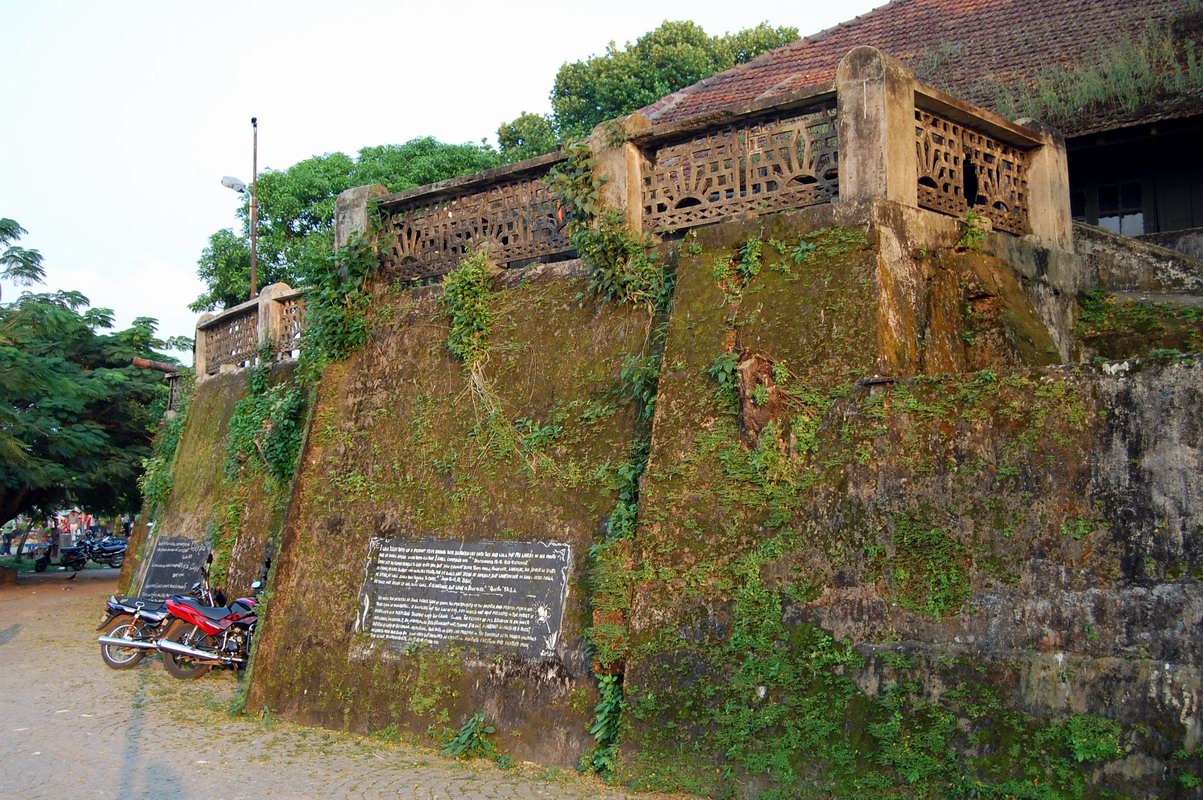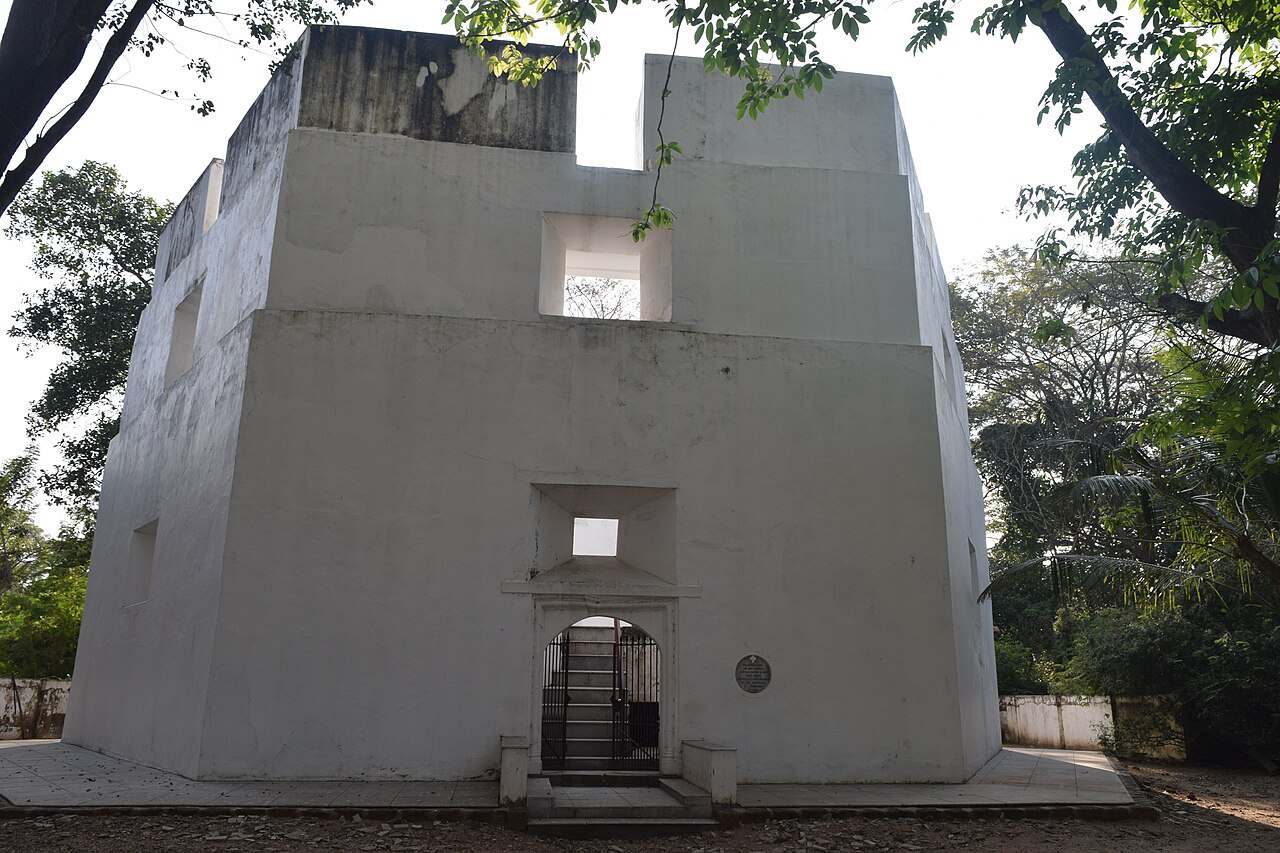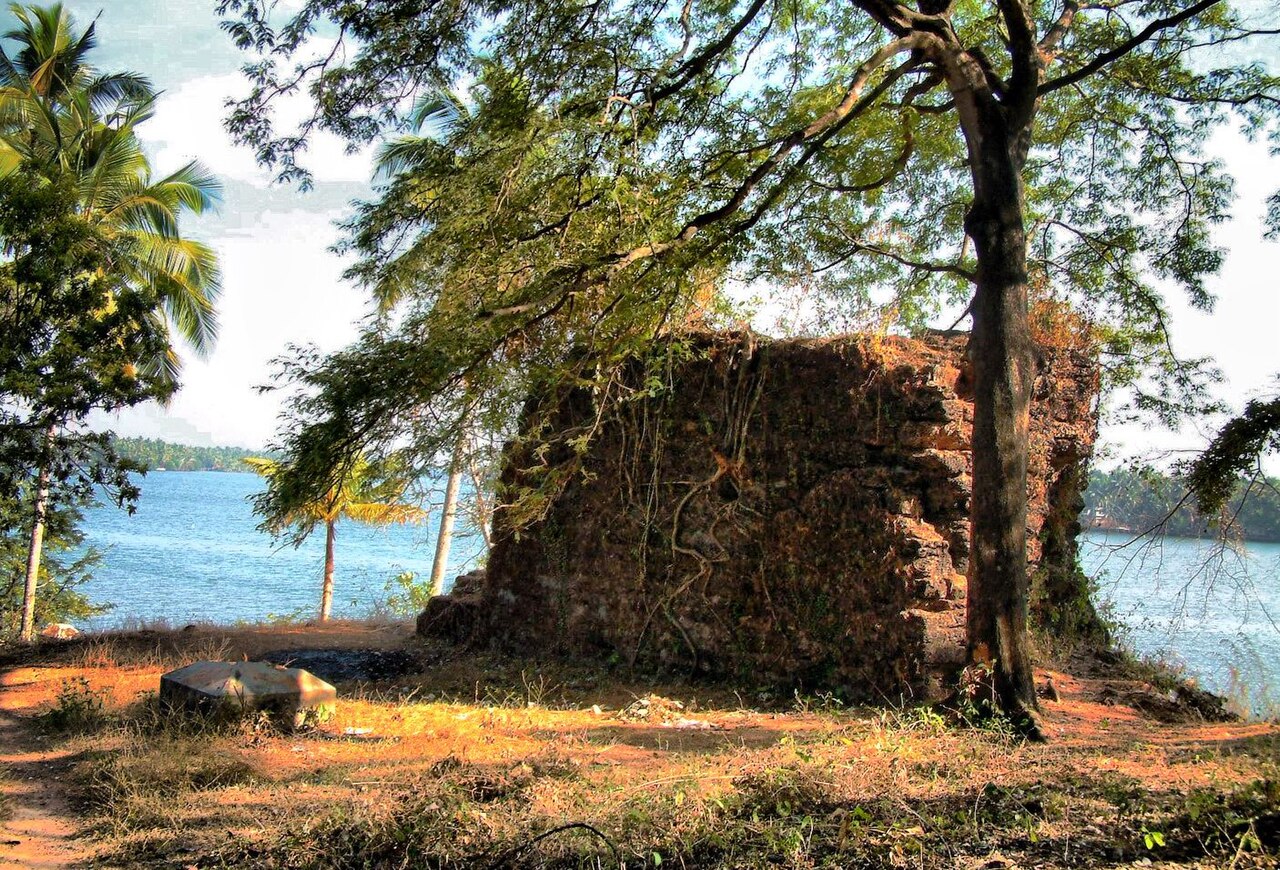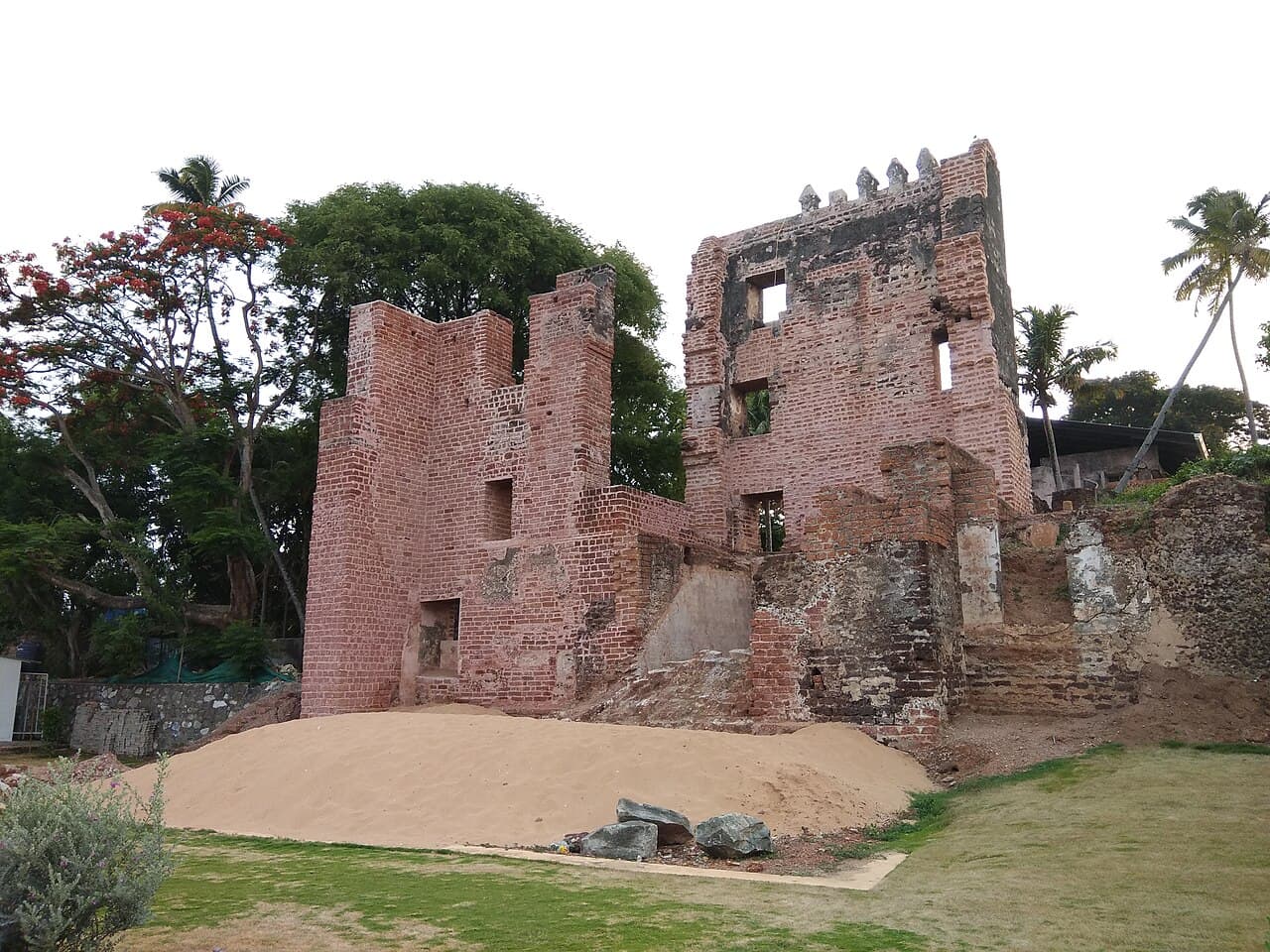
St Thomas Fort, also known as Fortaleza de São Tomé or Tangasseri Fort, is a historic fortification located in the coastal town of Tangasseri near Kollam in the southern Indian state of Kerala. This fort stands as a significant relic of the Portuguese colonial era in India, built in the 16th century during the period of European maritime expansion and trade dominance in the Indian Ocean.
Positioned strategically on the shores of the Arabian Sea, the fort was constructed to protect Portuguese trading interests and to serve as a military outpost overseeing the important port of Kollam, then known as Quilon. The location at Tangasseri was chosen for its natural harbor and proximity to the ancient spice trade routes, which were crucial to the Portuguese empire's economic ambitions.
Historical background and construction
The fort was originally established by the Portuguese in the early 1500s, likely around the mid-16th century, coinciding with their efforts to establish a foothold along the Malabar Coast. The fortifications were designed in the Renaissance period style typical of Portuguese military architecture, featuring thick stone walls, bastions, and a commanding view of the sea to detect incoming ships.
Throughout its history, St Thomas Fort witnessed several changes in control. After the Portuguese, it came under the rule of the Dutch East India Company in the 17th century, who modified and strengthened the fortifications to suit their strategic needs. Later, the fort was controlled by the British during their colonial administration of India.
Architectural features and layout
The fort was originally a compact, square-shaped structure with robust ramparts and bastions at the corners, designed to withstand artillery attacks. The walls were constructed from laterite stone, a material commonly used in Kerala due to its abundance and durability. The fort included a moat on the seaward side, enhancing its defensive capabilities against naval assaults.
Inside the fort, there were quarters for soldiers, storage facilities for arms and ammunition, and a chapel reflecting the Portuguese Catholic influence. The remnants of the fort today include crumbling walls, bastions, and the outlines of the original moat, offering insight into the military engineering of the period.
Strategic importance
St Thomas Fort's location was vital for controlling maritime traffic along the Malabar Coast. It served as a key point for the Portuguese to monitor and protect their spice trade routes, which were among the most lucrative in the world at the time. The fort's presence also helped establish Portuguese dominance in the region against competing European powers and local rulers.
Decline and current condition
With the decline of Portuguese power and the rise of other colonial forces, the fort gradually lost its military significance. Over the centuries, it fell into disrepair and was eventually abandoned. Today, St Thomas Fort stands as a ruined archaeological site, with only portions of its walls and bastions remaining visible amidst the coastal landscape.
Despite its ruined state, the fort remains an important cultural and historical landmark in Kollam. It attracts visitors interested in colonial history, military architecture, and the maritime heritage of Kerala. Conservation efforts have been sporadic, and the site faces challenges from coastal erosion and urban development.
Visiting st thomas fort
The fort is accessible to the public and located approximately 5 kilometres from the city center of Kollam. Visitors can explore the ruins and enjoy views of the Arabian Sea. The site is open year-round, with the best time to visit being during the cooler months from November to February.
Nearby attractions include the bustling Kollam port, local beaches, and other colonial-era structures in Tangasseri. Informational signage at the site provides historical context, enhancing the visitor experience.
Photo gallery

Information
Loading map...
Visitor reviews
No reviews yet. Been here? Write the first review and help other travelers!
Write the first reviewVisited this castle? Share your experience
Your review helps other travelers and adds first-hand knowledge to our encyclopedia.