Pallipuram Fort
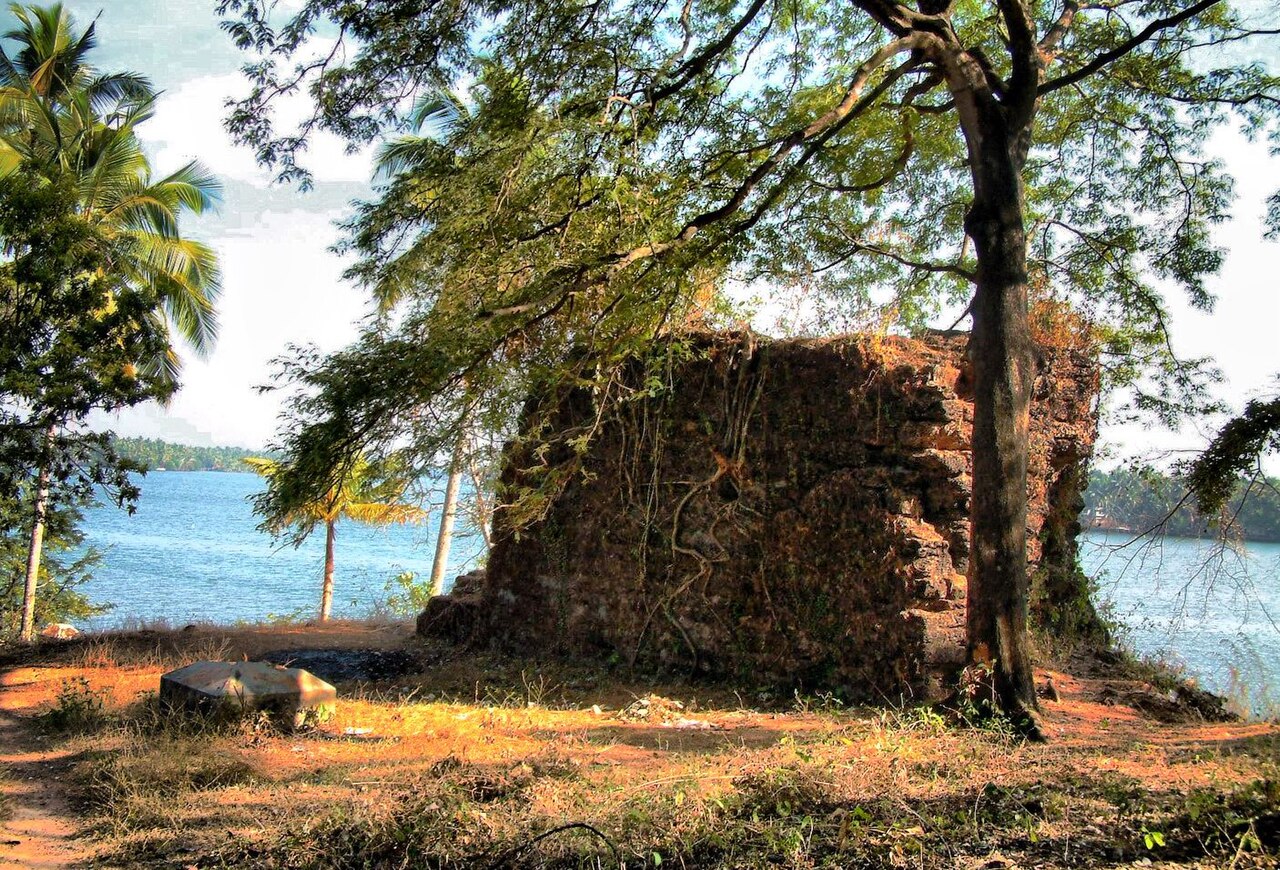
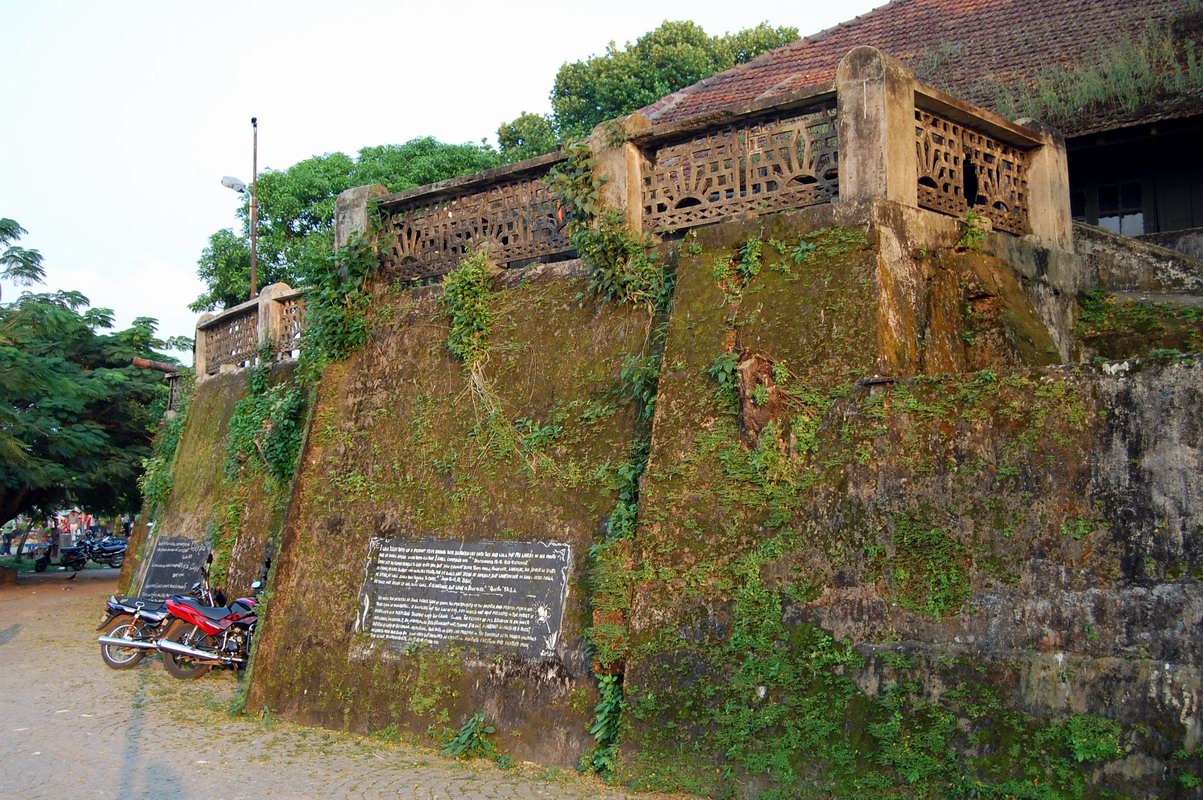
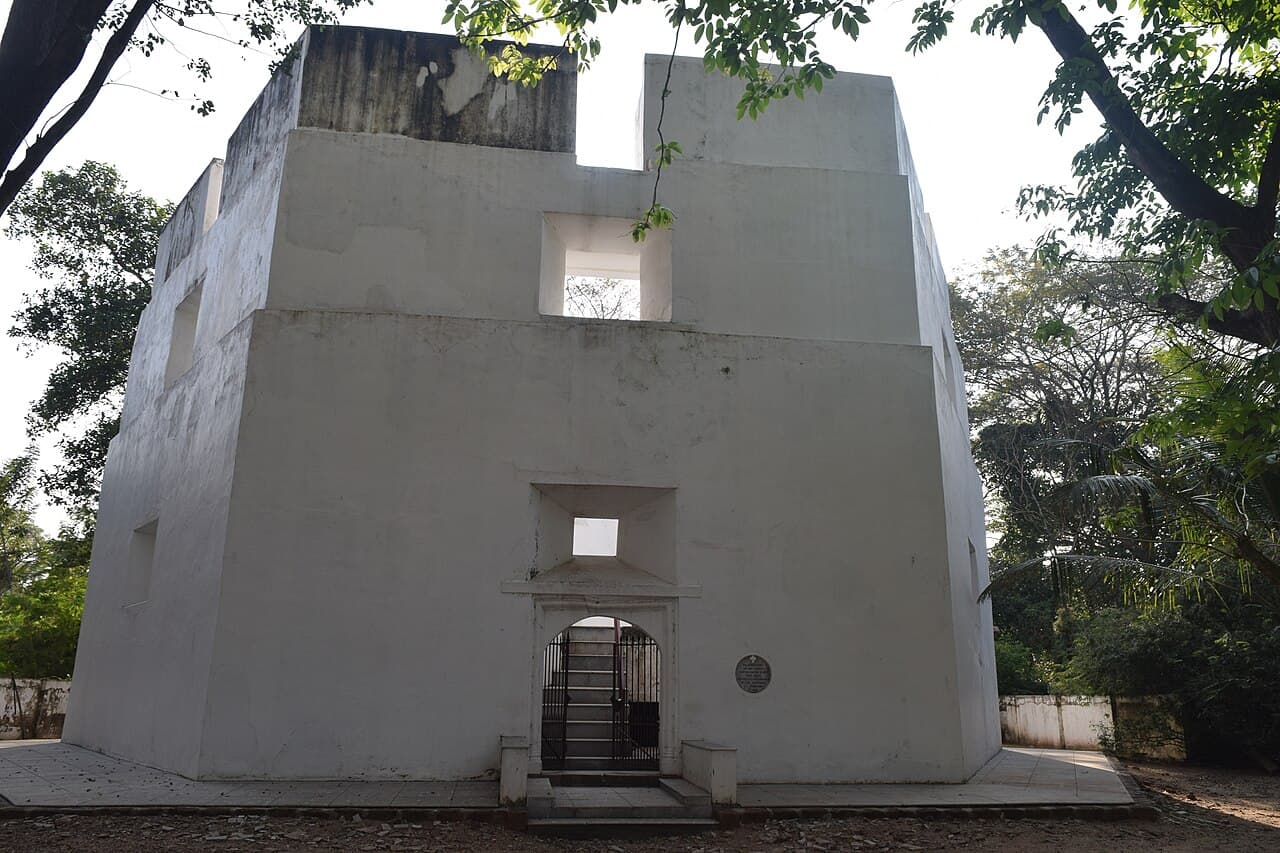
Pallipuram Fort, also known historically as Paleport Castelo em Cima, stands as the oldest existing European fort in India. Located on the northern tip of Vypeen Island in the Ernakulam district of Kerala, this hexagonal bastioned fortress marks a significant chapter in the maritime and colonial history of the Indian subcontinent. Constructed initially by Portuguese sailors on 27 September 1503, the fort underwent a rapid transformation from a timber structure to a robust stone fortress by 1505, reflecting early European military architectural practices in Asia.
Early construction and architectural features
The fort’s original construction using timber was a swift strategic move by the Portuguese to establish a foothold on the Malabar Coast, a critical region for controlling the spice trade routes. By 1505, the timber was replaced with stone, enhancing the fort’s durability and defensive capabilities. Pallipuram Fort is distinctive for its hexagonal shape, a rare design among Indian coastal forts, known locally as ayikkotta or alikotta. This shape allowed for better defense angles and coverage against naval and land attacks.
The fort’s bastioned design, characterized by projecting angular structures, was influenced by the Renaissance military architecture that was prevalent in Europe during the 16th century. These bastions enabled defenders to cover adjacent walls with gunfire, minimizing blind spots. The walls are thick and built from locally sourced laterite stone, which was abundant in Kerala and provided substantial resistance against cannon fire.
Strategic importance and colonial transitions
Situated at the northern extremity of Vypeen Island, Pallipuram Fort controlled one of the key maritime entry points to the rich trading ports of Kochi (Cochin). Its location allowed the Portuguese to monitor and protect their lucrative spice trade interests against competing European powers and local rulers.
In 1663, the fort was captured by the Dutch East India Company during their campaign to dominate the Malabar Coast. The Dutch maintained control for over a century, adapting the fort to their military needs while preserving its core structure. Eventually, in 1789, the fort was sold to the Kingdom of Travancore, marking the end of European colonial control over this fortress.
Architectural elements and layout
The fort’s hexagonal layout is complemented by thick walls, low ramparts, and bastions at each corner, designed for mounting cannons. The entrance gate is modest but fortified, reflecting the practical defensive needs rather than grandiosity. Inside, the fort once housed barracks, storage rooms, and a chapel, though many of these internal structures have not survived intact.
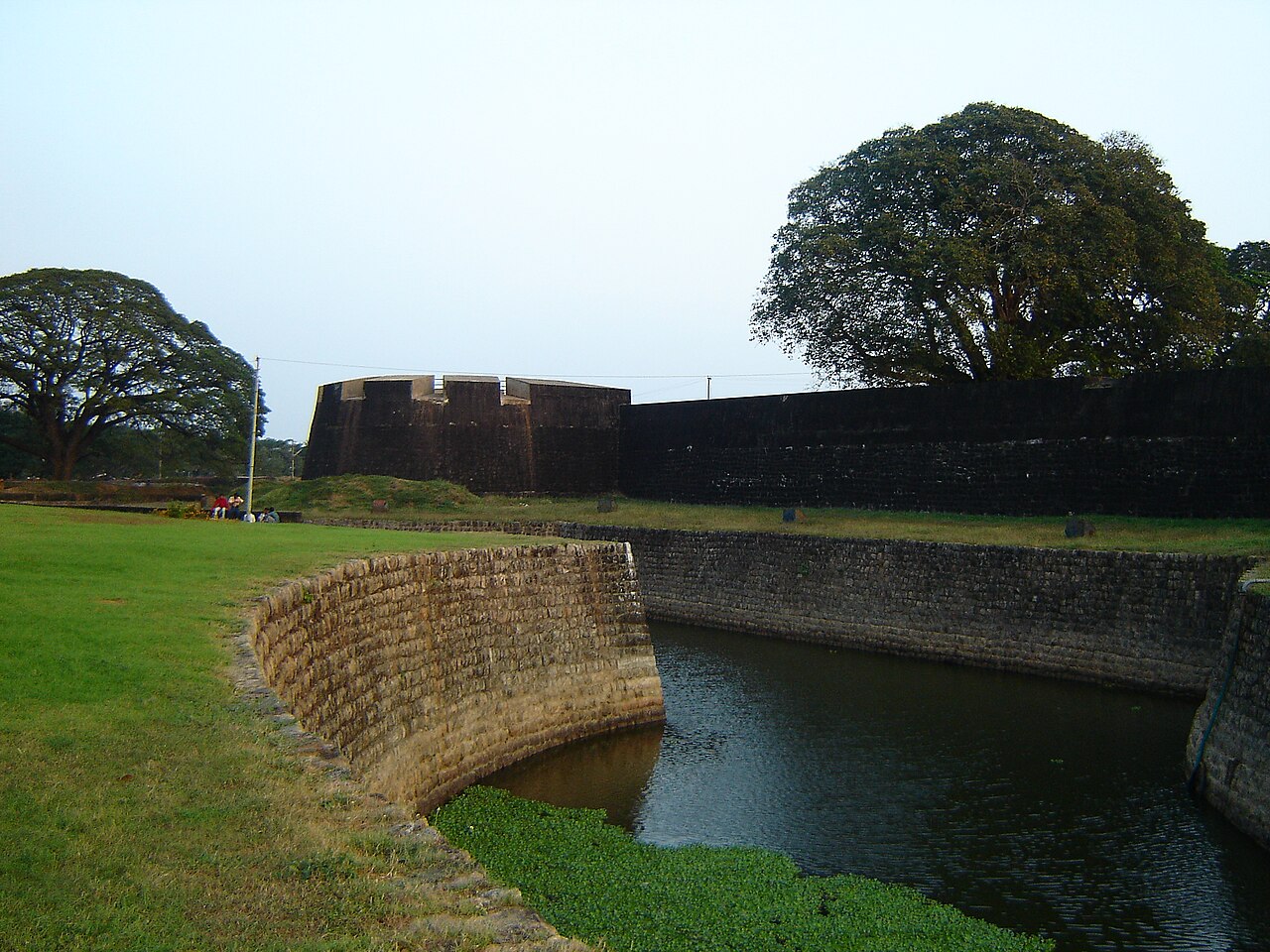
The moat that once surrounded the fort has largely disappeared, but historical records indicate it was part of the defensive system. The fort’s coastal position meant that it also relied on natural water barriers and the sea for protection.
Cultural and historical significance
Pallipuram Fort is a rare surviving example of early European military architecture in India, representing the initial phase of colonial expansion in the region. It provides valuable insights into the Portuguese approach to fortification and their adaptation to local environmental conditions. The fort is a testament to the strategic importance of Kerala’s coastline in global maritime trade during the Renaissance period.
Today, the fort is a protected monument under the Archaeological Survey of India. It attracts historians, architects, and tourists interested in colonial history, military architecture, and the early interactions between Europe and India. Despite its relatively small size, Pallipuram Fort’s historical layers reflect the broader geopolitical shifts that shaped South India from the 16th century onwards.
Visiting pallipuram fort
Visitors to Pallipuram Fort can explore its well-preserved bastioned walls and appreciate the unique hexagonal design. The fort’s location on Vypeen Island offers scenic views of the Arabian Sea and nearby Kochi harbor. While the interior structures are limited, the fort’s external features provide a tangible connection to its historical past.
Access to the fort is generally open to the public, with no significant entry fee, making it an accessible destination for those interested in history and architecture. The best time to visit is during the cooler months from November to February, avoiding the heavy monsoon rains typical of Kerala.
Nearby attractions
The fort’s proximity to Kochi means visitors can combine their visit with other historical sites such as Fort Kochi, Mattancherry Palace, and the Jewish Synagogue. These locations together offer a comprehensive view of Kerala’s rich colonial and cultural heritage.
Frequently asked questions (FAQ)
- When was Pallipuram Fort built and by whom?
- Pallipuram Fort was initially constructed by Portuguese sailors in 1503 using timber and rebuilt in stone by 1505.
- What is unique about the architectural design of Pallipuram Fort?
- The fort features a rare hexagonal bastioned design known locally as ayikkotta or alikotta, enhancing its defensive capabilities.
- Who controlled Pallipuram Fort after the Portuguese?
- The Dutch captured the fort in 1663 and later sold it to the Kingdom of Travancore in 1789.
- Is Pallipuram Fort open to visitors?
- Yes, the fort is open to the public with no significant entry fee, making it accessible for tourists and history enthusiasts.
- What are the best months to visit Pallipuram Fort?
- The best time to visit is from November to February when the weather is cooler and drier, avoiding the monsoon season.
Photo gallery

Information
Current owner
Archaeological Survey of India
Loading map...
Visitor reviews
No reviews yet. Been here? Write the first review and help other travelers!
Write the first reviewVisited this castle? Share your experience
Your review helps other travelers and adds first-hand knowledge to our encyclopedia.