Fortaleza da São Tomé
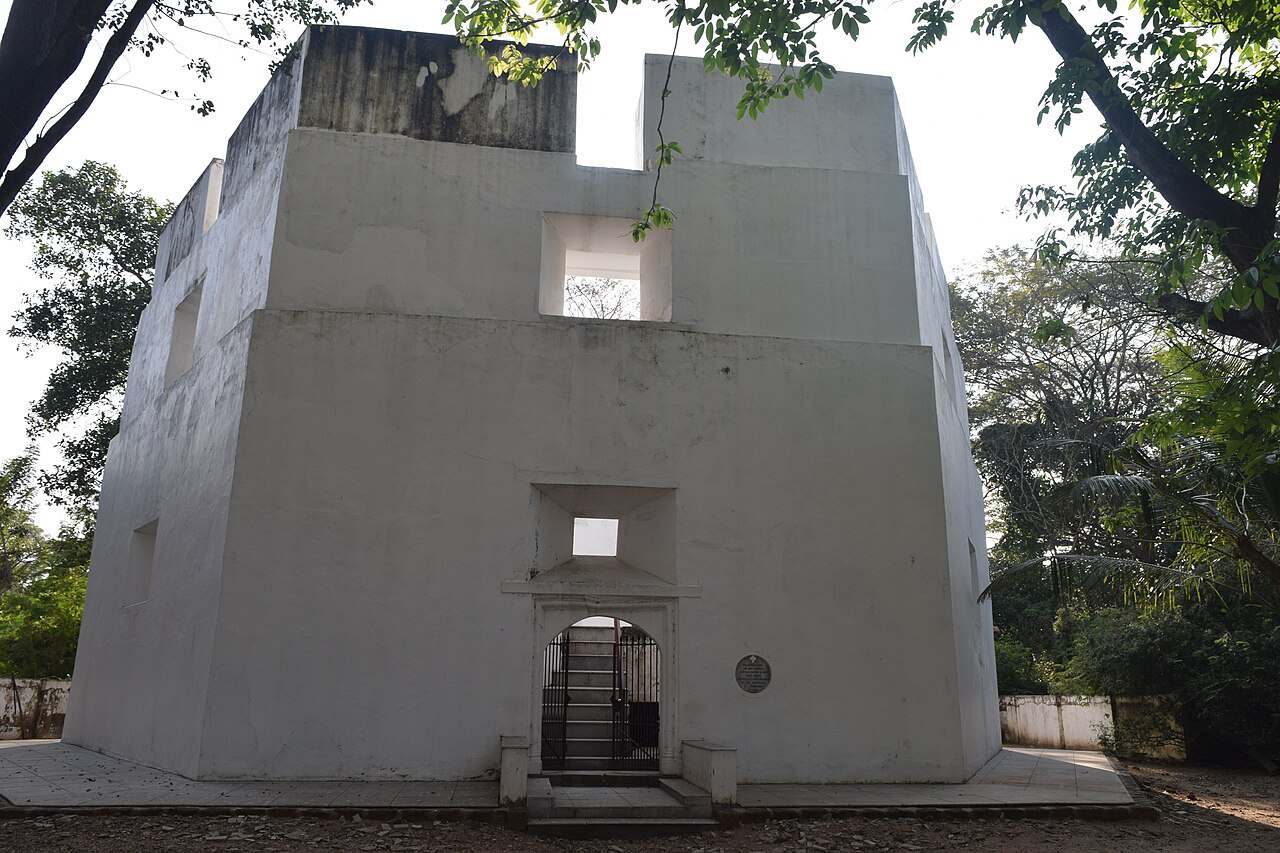
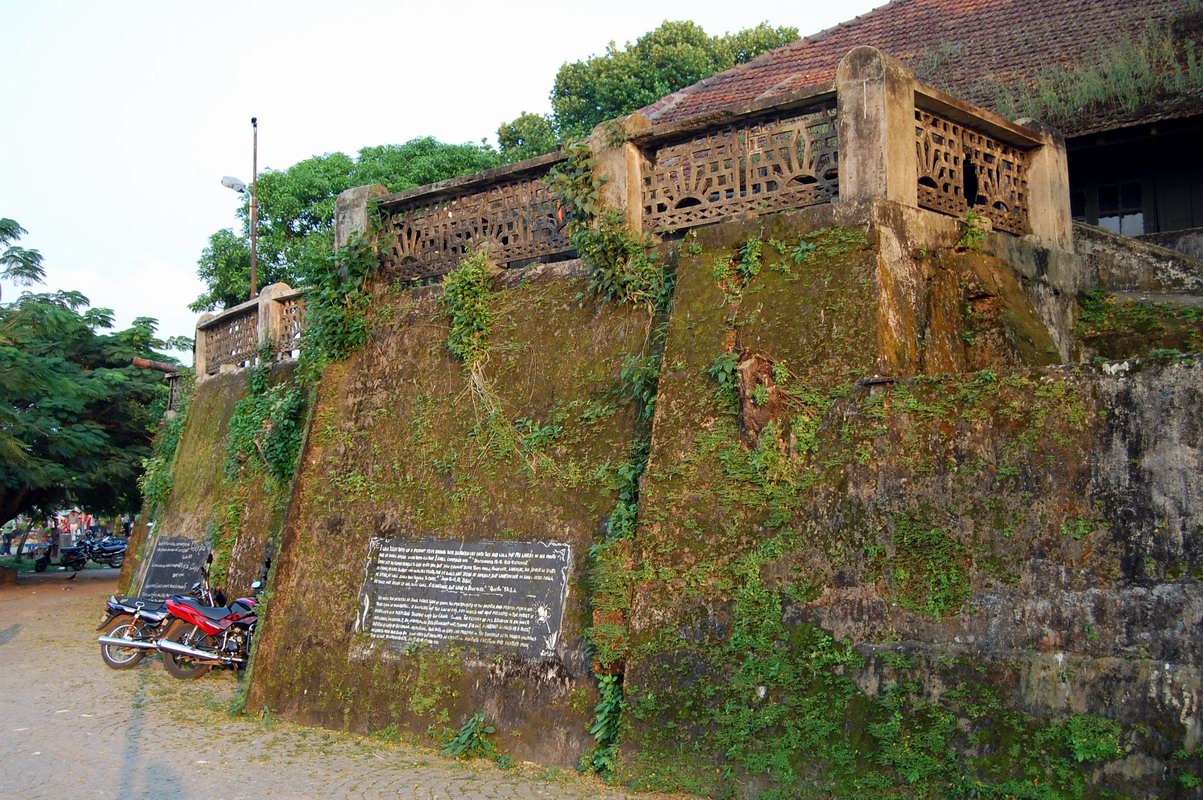
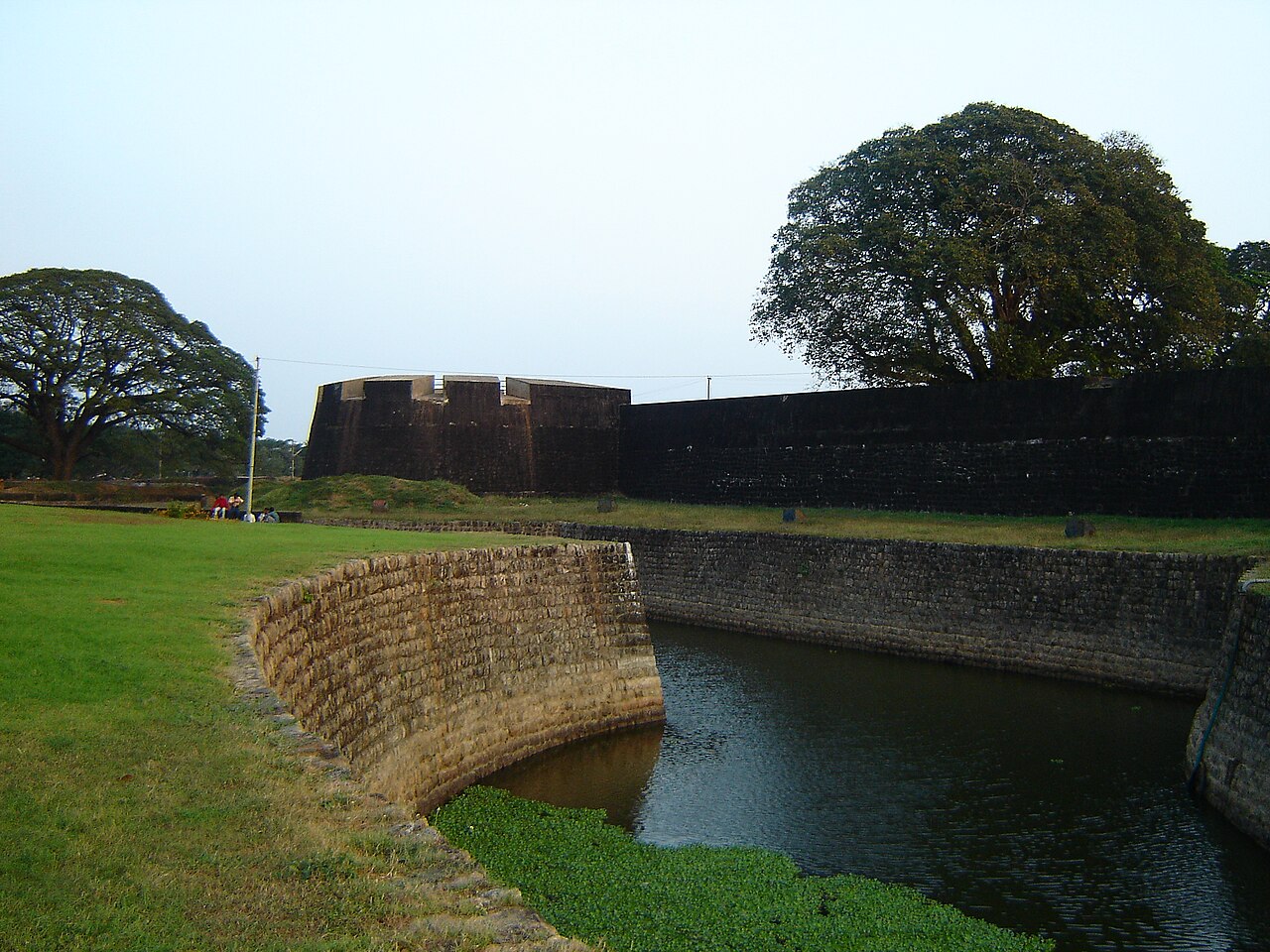
Fortaleza da São Tomé, also known as Cranganore Fort or Kottapuram Fort, is a historic bastioned fortress located in Kodungallur of the Thrissur District in Kerala, India. Constructed by the Portuguese in 1523, the fort was named after Thomas the Apostle, reflecting the strong Christian influence of the Portuguese colonial period. Built primarily of laterite stone, the fortress walls are remarkable for their thickness of approximately 18 feet, designed to withstand artillery attacks common in the 16th century.
Portuguese construction and architectural features
The fort was a prime example of Renaissance military architecture adapted to the Indian coastal environment. The Portuguese incorporated bastions and thick defensive walls to create a formidable stronghold for controlling the trade routes along the Malabar Coast. Its strategic location near the mouth of the Periyar River allowed control over maritime access and inland waterways, crucial for securing Portuguese dominance in the spice trade.
The use of laterite stone was typical for the region, providing both durability and ease of construction. The fortress featured curved bastions projecting from the main walls, enabling crossfire coverage against attackers. The walls, measuring 18 feet thick, were designed to absorb cannon fire and resist siege warfare techniques of the time.
Expansion and Dutch occupation
In 1565, the fort underwent significant enlargement to reinforce its defenses amid increasing regional conflicts and competition from other European powers. The Portuguese expanded the bastions and enhanced the fortifications to maintain their hold on the Malabar Coast.
However, the fort's control shifted in 1663 when the Dutch East India Company captured it during their campaign to displace Portuguese influence in India. The Dutch, after taking possession, partially destroyed the fort, diminishing its military importance. Despite this, the remnants of the fort continued to serve as a symbol of colonial power struggles in the region.
Role in regional defense and the Nedumkotta fortifications
Later, the fort became integrated into the Nedumkotta defensive line constructed by the Kingdom of Travancore in the 18th century. Under the leadership of Eustachius Benedictus de Lenoy, a European military engineer in Travancore service, the Nedumkotta was built to defend against invasions by Tipu Sultan of Mysore.
Kottapuram Fort's strategic location made it a vital component of this defense system, linking coastal fortifications with inland barriers. The Nedumkotta fortifications were a complex network of walls, ramparts, and forts designed to protect the Travancore kingdom from Mysorean incursions.
Legacy and current condition
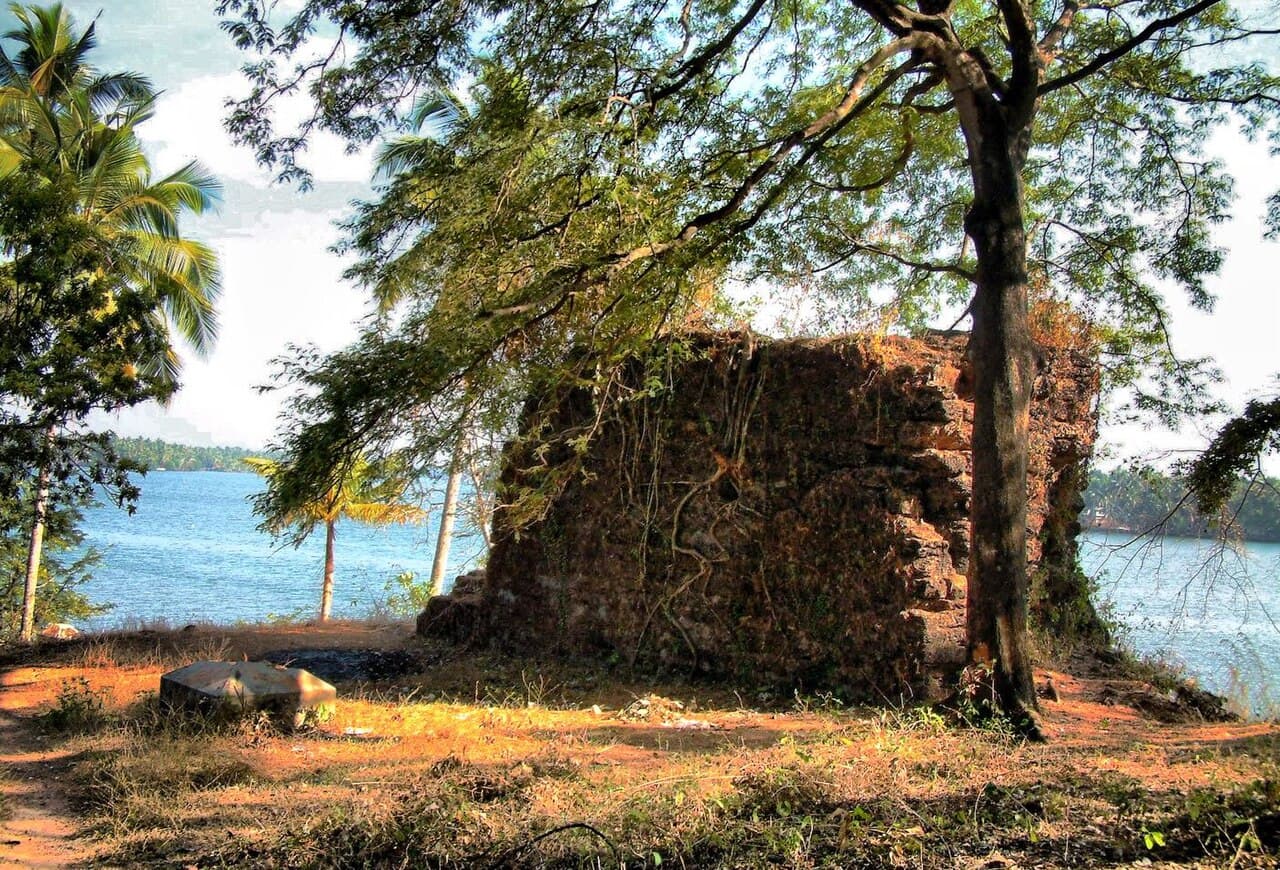
Today, the ruins of Fortaleza da São Tomé stand as a testament to the layered colonial history of Kerala, reflecting Portuguese and Dutch military architecture alongside indigenous defensive strategies. The fort's remains, though partially destroyed, offer valuable insights into 16th-century bastioned fort design and the geopolitical struggles of European powers in India.
Visitors to Kodungallur can explore the site to appreciate the scale and construction techniques of this significant fortress. Its cultural and historical significance highlights the intersection of European colonial ambitions and regional Indian powers during a transformative period in South Asian history.
Photo gallery

Photo by Challiyan at Malayalam Wikipedia•Public domain
Information
Loading map...
Visitor reviews
No reviews yet. Been here? Write the first review and help other travelers!
Write the first reviewVisited this castle? Share your experience
Your review helps other travelers and adds first-hand knowledge to our encyclopedia.