Fort Emmanuel
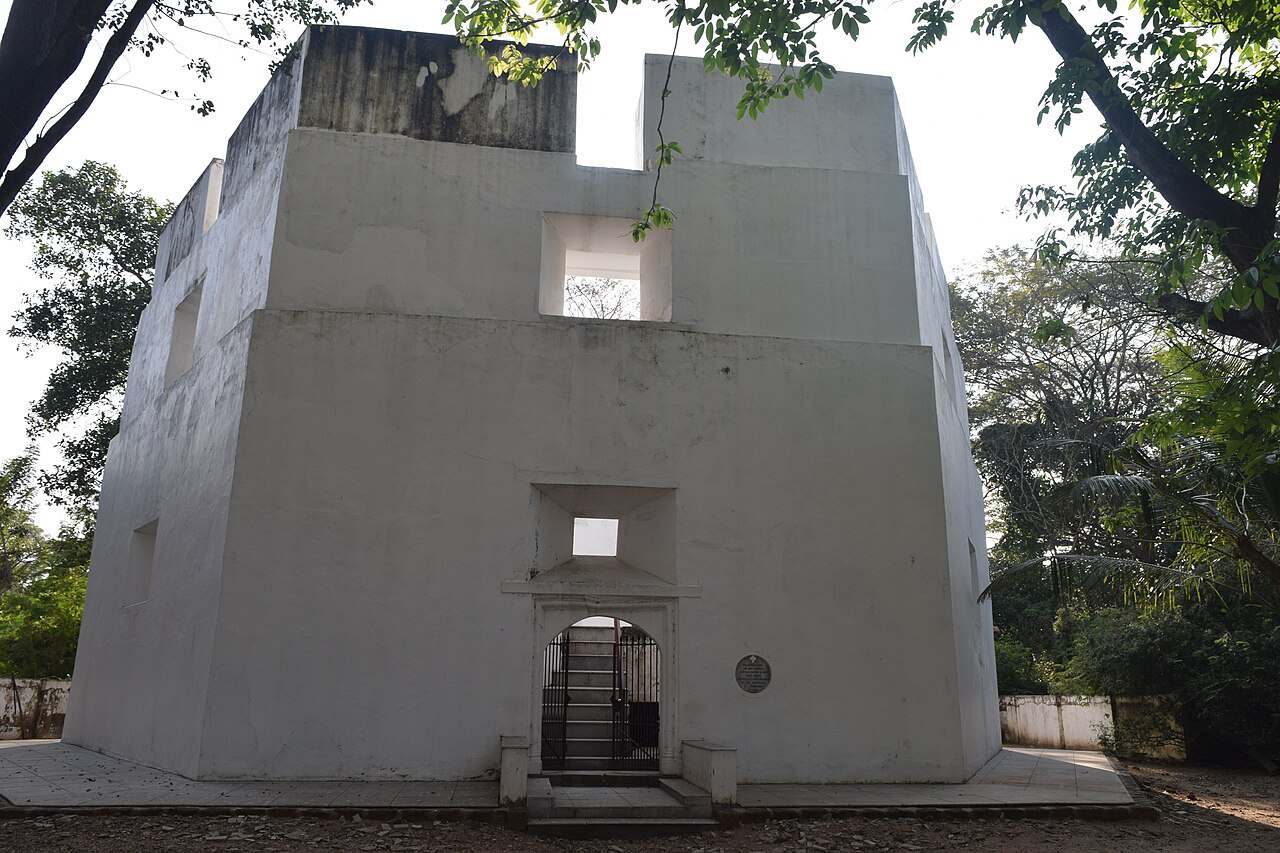
Fort Emmanuel, also known as Fort Manuel, stands as a significant archaeological ruin on Fort Kochi Beach in Kochi (Cochin), Kerala, India. Constructed in the early 16th century, it holds the distinction of being the first European fort built in Asia. This fort was established by the Portuguese Empire as a strategic bastion and symbol of their alliance with the Kingdom of Cochin.
Historical context and construction
The fort was commissioned in 1503 under the reign of Manuel I of Portugal, after whom it was named. The Portuguese sought to secure their foothold in the lucrative spice trade of the Malabar Coast. Fort Emmanuel was strategically positioned to protect Portuguese interests against rival powers, including the Zamorin of Calicut and later the Dutch East India Company.
Its construction marked the beginning of European colonial military architecture in India and Asia. The fortification was designed primarily as a bastioned fortress, featuring thick walls and artillery placements to withstand naval and land assaults. This design reflected the Portuguese adaptation of contemporary European military engineering principles to local conditions.
Architectural features and layout
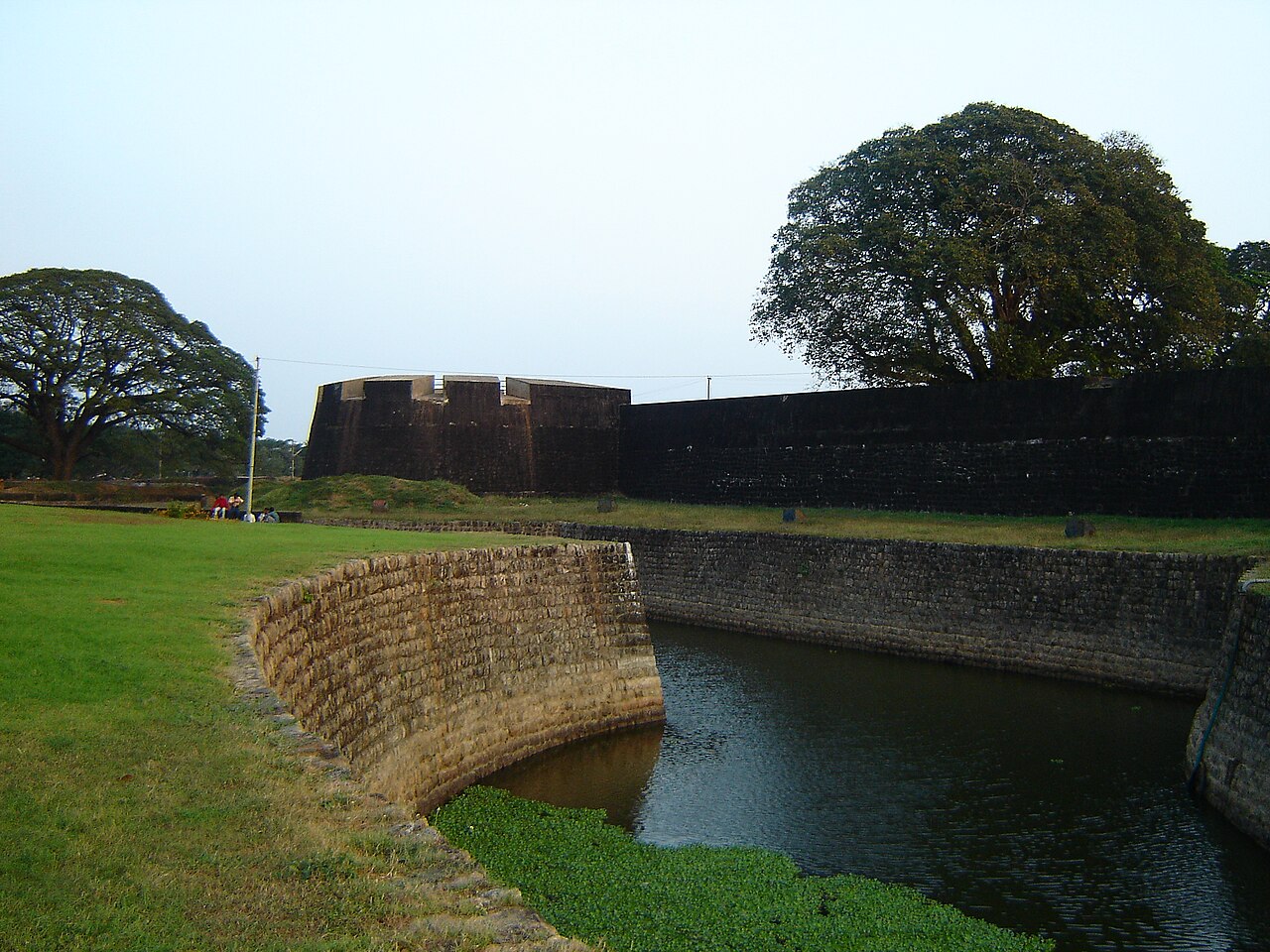
Fort Emmanuel was built with massive laterite stone walls and included bastions at its corners for mounting cannons. The fort's layout was roughly rectangular, enclosing a courtyard that housed barracks, storehouses, and administrative buildings. Its walls were surrounded by a moat filled with seawater, enhancing its defensive capabilities.
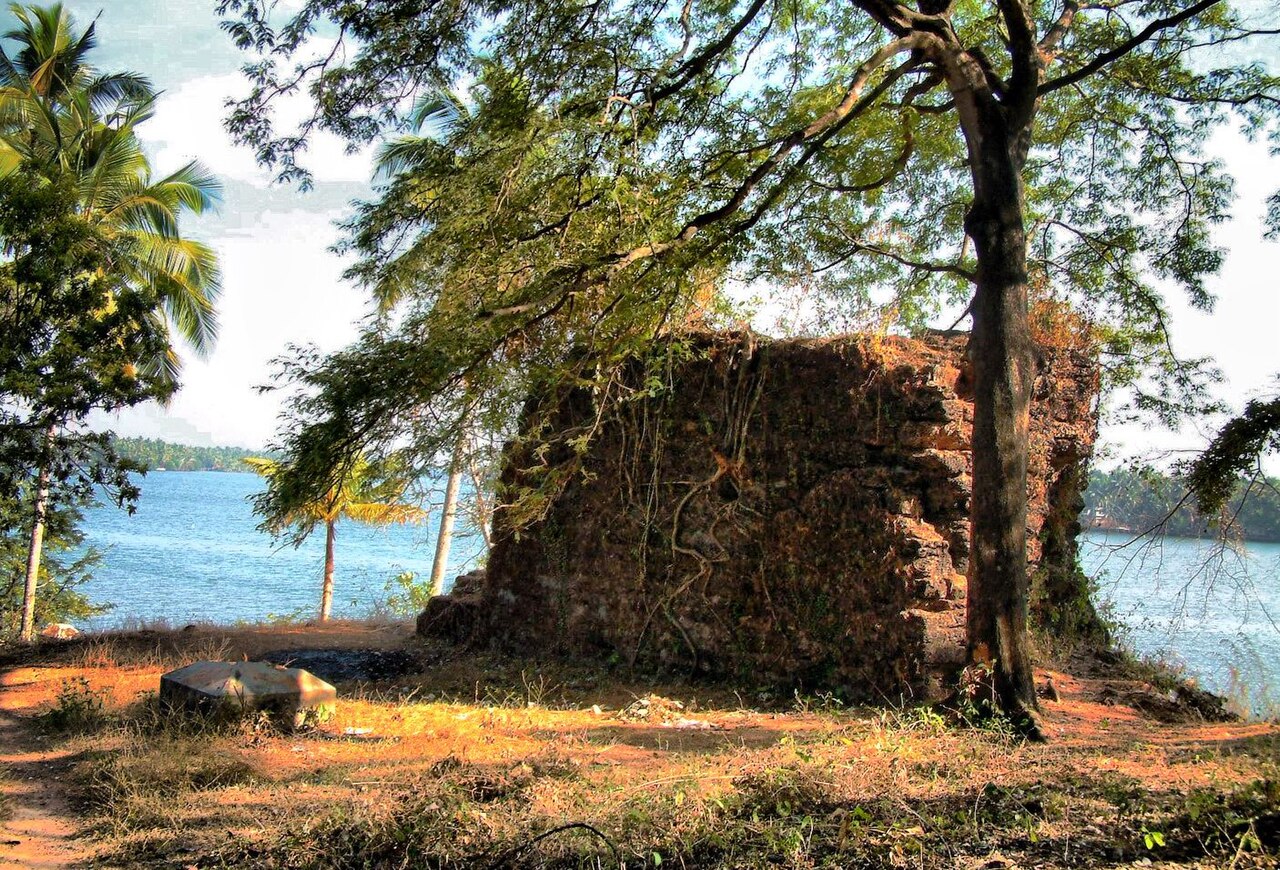
Though now in ruins, remnants of the fort's bastions and sections of the outer walls remain visible. The fort's design incorporated a sea-facing curtain wall to guard against naval attacks, while the landward side was fortified with ramparts and bastions.
Role in regional politics and conflicts
Throughout its history, Fort Emmanuel played a crucial role in the power dynamics of the Malabar Coast. It served as the Portuguese headquarters in the region until the Dutch captured it in 1663. The fort then came under Dutch control and was renamed Fort Cochin.
The fort witnessed several conflicts, including sieges and battles between European colonial powers and local kingdoms. Its strategic location made it a focal point in the struggle for dominance over the spice trade and regional influence.
Decline and current condition
Over the centuries, Fort Emmanuel fell into disrepair due to changes in political control and military technology. The fort was eventually abandoned and largely dismantled. Today, it exists as ruins, with only fragments of its original structure surviving.
The site is an important archaeological and heritage landmark in Kochi, attracting historians and tourists interested in the early European colonial history of India. Efforts have been made to preserve the remaining structures and promote awareness of the fort's historical significance.
Visiting Fort Emmanuel today
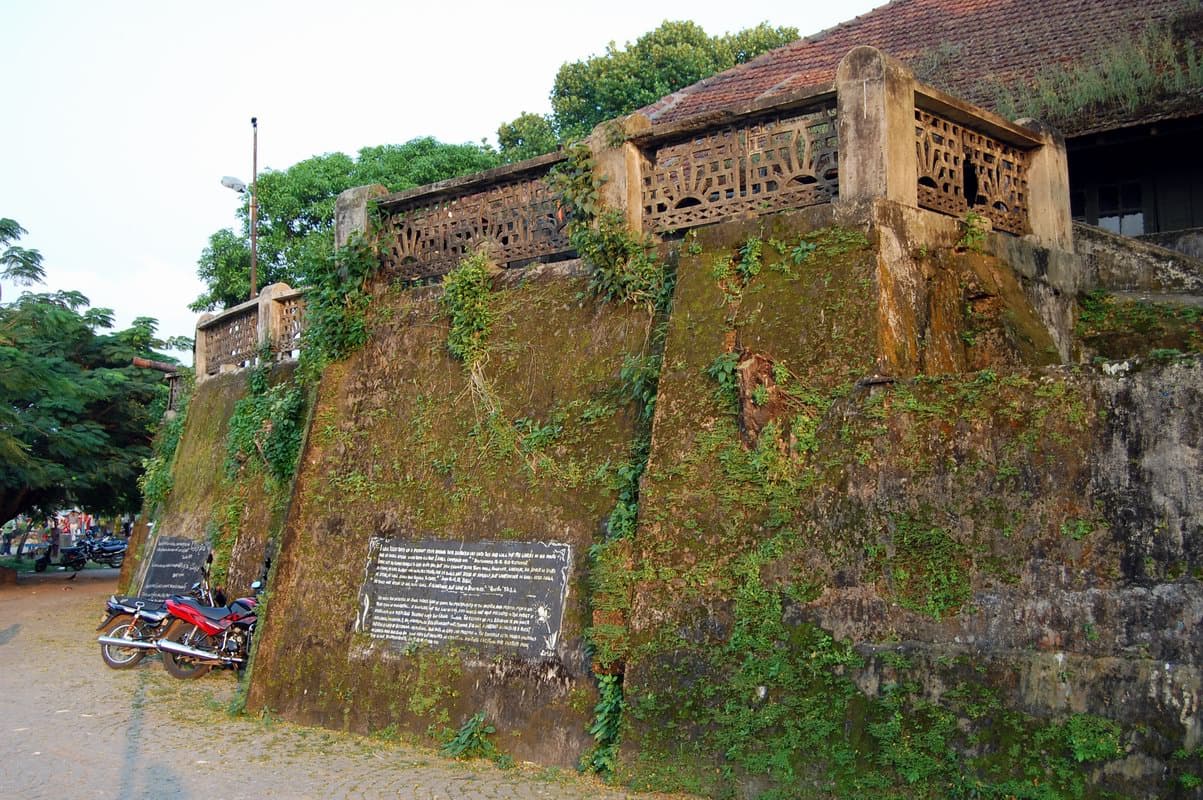
Visitors to Fort Kochi can explore the ruins of Fort Emmanuel along the beach. The site offers a glimpse into the early phase of European fortification in Asia and the Portuguese colonial presence in India. Interpretive signage and guided tours provide context about the fort's history and architecture.
The fort's location near other colonial-era landmarks in Fort Kochi makes it a key part of heritage tourism in Kerala. Its seaside setting and historical ambiance contribute to its appeal for visitors seeking to understand the region's complex past.
Frequently asked questions (FAQ)
- When was Fort Emmanuel built and by whom?
- Fort Emmanuel was built in 1503 by the Portuguese under King Manuel I to establish their presence on the Malabar Coast.
- What is the historical significance of Fort Emmanuel?
- It is the first European fort built in Asia and symbolized the strategic alliance between the Portuguese and the Kingdom of Cochin.
- What architectural features does Fort Emmanuel have?
- The fort featured massive laterite stone walls, bastions with cannon placements, a sea-facing curtain wall, and a seawater moat for defense.
- Can visitors explore the ruins of Fort Emmanuel?
- Yes, the ruins are accessible to visitors at Fort Kochi Beach, with interpretive signage explaining its history and architecture.
- Who controlled Fort Emmanuel after the Portuguese?
- The Dutch captured the fort in 1663 and renamed it Fort Cochin, maintaining its strategic importance in the region.
Photo gallery

Information
Address
Fort Kochi Beach, Kochi, Kerala, India
Loading map...
Visitor reviews
No reviews yet. Been here? Write the first review and help other travelers!
Write the first reviewVisited this castle? Share your experience
Your review helps other travelers and adds first-hand knowledge to our encyclopedia.