St. Angelo Fort
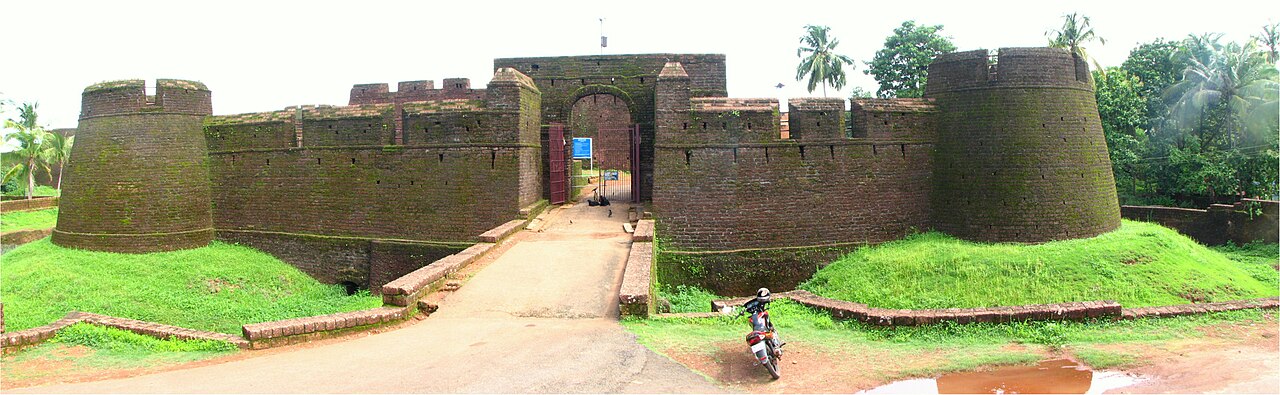
St. Angelo Fort, also known as Kannur Fort or Kannur Kotta, is a prominent 16th-century bastioned fortress located approximately 3 kilometers from the city of Kannur in the state of Kerala, India. This fort faces the vast Arabian Sea and is one of the best-preserved examples of early European military architecture in the region.
Historical background and construction
The fort was originally constructed by the Portuguese in 1505 under the command of the Portuguese Viceroy Dom Francisco de Almeida. Its primary purpose was to establish Portuguese dominance over the Malabar Coast and to protect their trade interests in spices and other valuable commodities. The design of St. Angelo Fort reflects the Renaissance military architectural principles that were prevalent in Europe during the 16th century, particularly the use of bastions for enhanced defense against artillery attacks.
Throughout its history, the fort changed hands multiple times. It was captured by the Dutch in 1663, who made several modifications to strengthen its defenses. Later, the British took control in the late 18th century, using it as a military base until Indian independence.
Architectural features and fortifications
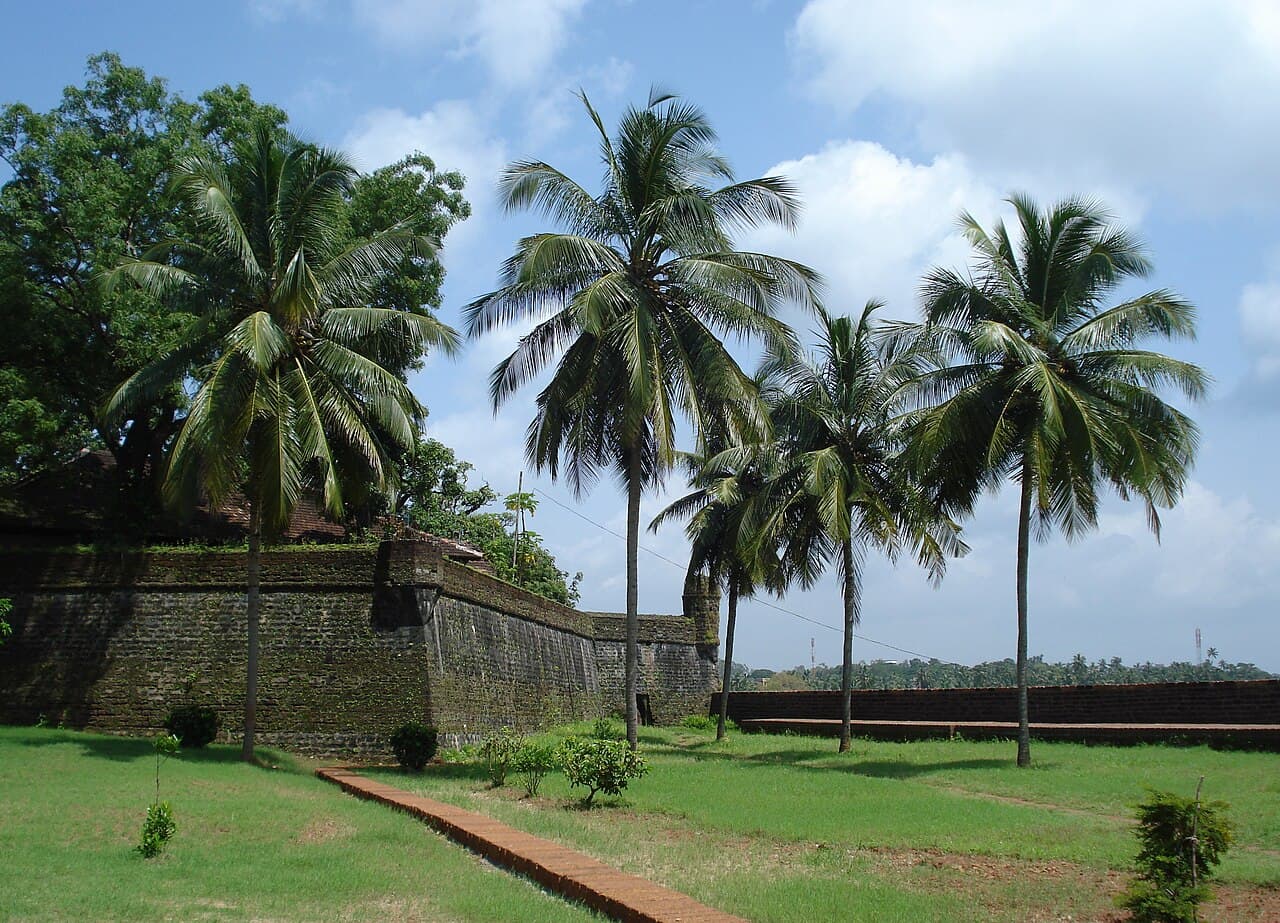
St. Angelo Fort is classified as a bastioned fortress, a style characterized by angular bastions protruding from the curtain walls, allowing defenders to cover adjacent walls with overlapping fields of fire. The fort's walls are constructed from laterite stone, a material commonly found in Kerala, which provides durability in the coastal climate.
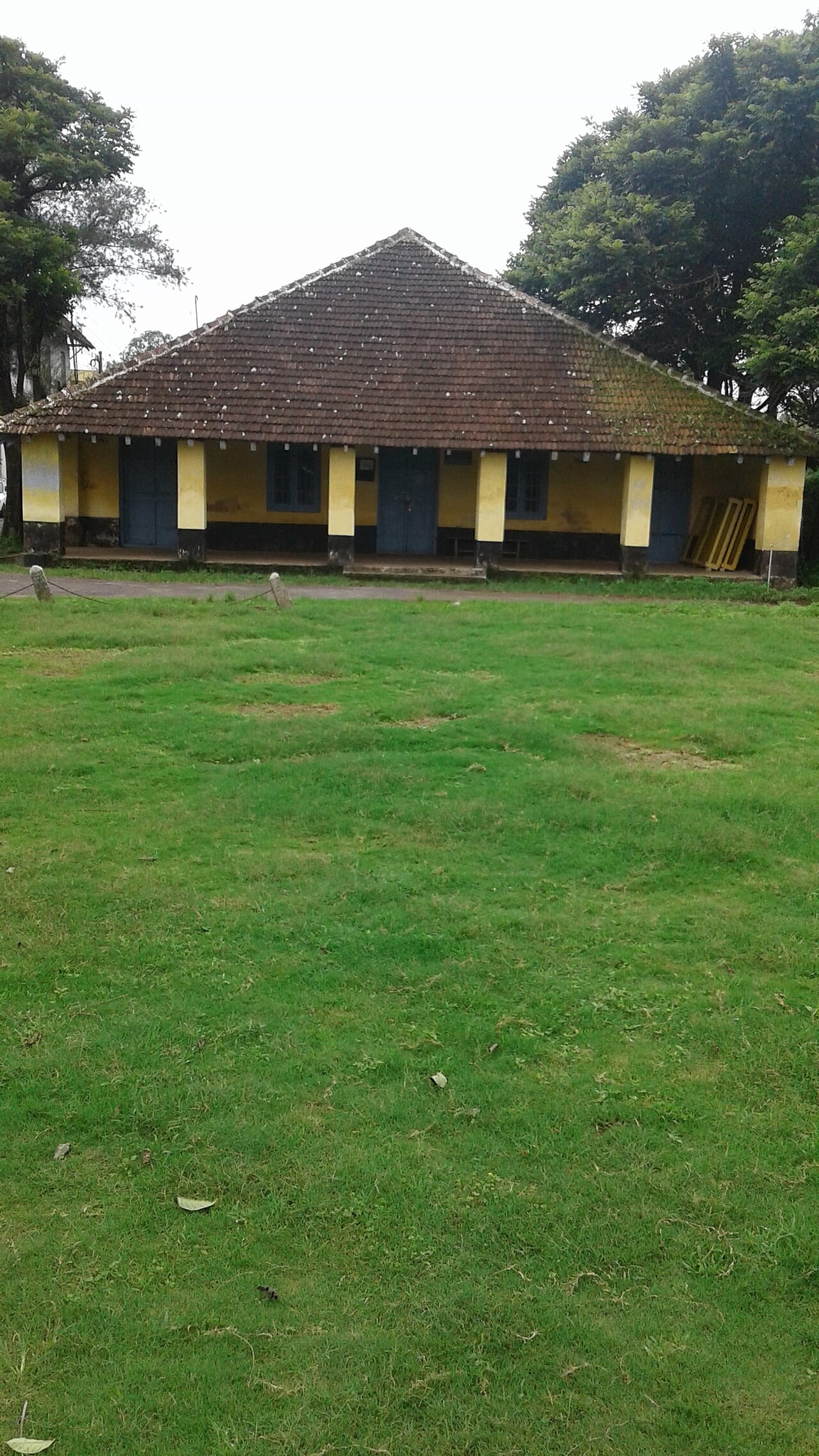
The fort's layout includes four main bastions named after saints: St. George, St. Anthony, St. Sebastian, and St. Angelo. These bastions are connected by thick curtain walls that enclose a large courtyard. Inside the fort, there are remnants of Portuguese-era structures including barracks, a chapel, and storage rooms.
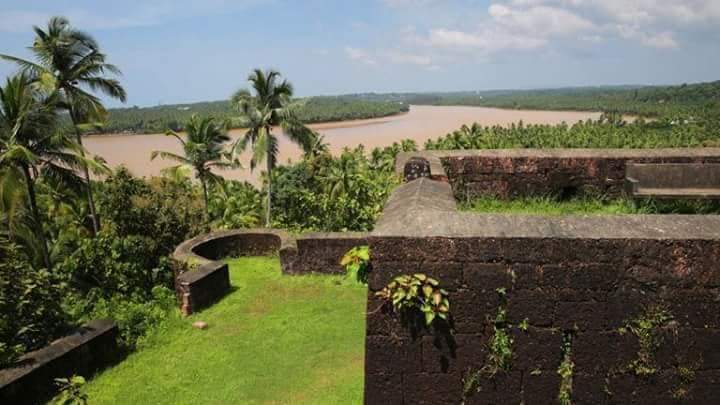
Its strategic location overlooking the Arabian Sea allowed the fort to serve as a lookout point for incoming ships and to control maritime traffic along the coast. The fort also features a moat and several cannons positioned on the bastions, which were used to defend against naval attacks.
Significance and cultural heritage
St. Angelo Fort holds significant historical and cultural value as one of the earliest European fortifications in India. It represents the beginning of European colonial influence on the Malabar Coast and the complex interactions between European powers and local kingdoms.
Today, the fort is a popular tourist destination in Kerala, attracting visitors interested in history, architecture, and coastal landscapes. Its well-preserved condition allows visitors to explore the fortifications and imagine the military strategies employed during its active years.
Visiting St. Angelo Fort
The fort is accessible year-round and is located near Kannur city, which is well connected by road and rail. Visitors can explore the bastions, walk along the ramparts, and enjoy panoramic views of the Arabian Sea. The site offers opportunities for photography, historical tours, and cultural events.
Local guides often provide detailed explanations of the fort's history and architecture, enriching the visitor experience. The surrounding area also features other attractions such as beaches, temples, and markets, making it a comprehensive cultural visit.
Frequently asked questions (FAQ)
- What is the historical significance of St. Angelo Fort?
- St. Angelo Fort, built in 1505 by the Portuguese, is a vital historical site in Kannur, India. It played a crucial role in the colonial history of the region, serving various rulers over centuries, including the Dutch and the British, which adds to its cultural heritage.
- When is the best time to visit St. Angelo Fort?
- The ideal time to visit St. Angelo Fort is between October and March when the weather is pleasant and conducive for exploration. During these months, visitors can enjoy the scenic views and the cool sea breeze.
- Can I access St. Angelo Fort with public transportation?
- Yes, St. Angelo Fort is accessible by public transportation, including buses and taxis that operate frequently in Kannur. Visitors can easily reach the fort from the city center, making it convenient for tourists.
- What are the opening hours for St. Angelo Fort?
- St. Angelo Fort is generally open to visitors from 9:00 AM to 5:30 PM every day. However, it's recommended to check for any specific holiday hours before planning your visit.
- Is it possible to take guided tours of St. Angelo Fort?
- Yes, guided tours are available at St. Angelo Fort, allowing visitors to learn about its rich history and architecture. These tours can enhance your experience by providing in-depth insights into the fort's significance.
- What are the ticket prices for visiting St. Angelo Fort?
- Entry to St. Angelo Fort is usually free for visitors, making it an affordable destination for tourists. However, there may be charges for guided tours or photography, so it's advisable to inquire upon your arrival.
- What architectural features should I look for at St. Angelo Fort?
- St. Angelo Fort showcases impressive architecture, including thick walls, bastions, and a moat that reflect its military significance. The blend of Portuguese and local architectural styles makes it a fascinating site for history and architecture enthusiasts.
- Are there any nearby attractions to visit after St. Angelo Fort?
- Yes, visitors can explore other nearby attractions such as the Muzhappilangad Drive-in Beach and Payyambalam Beach. These locations offer beautiful landscapes and recreational activities, making them perfect additions to your itinerary.
Photo gallery

Information
Loading map...
Visitor reviews
No reviews yet. Been here? Write the first review and help other travelers!
Write the first reviewVisited this castle? Share your experience
Your review helps other travelers and adds first-hand knowledge to our encyclopedia.