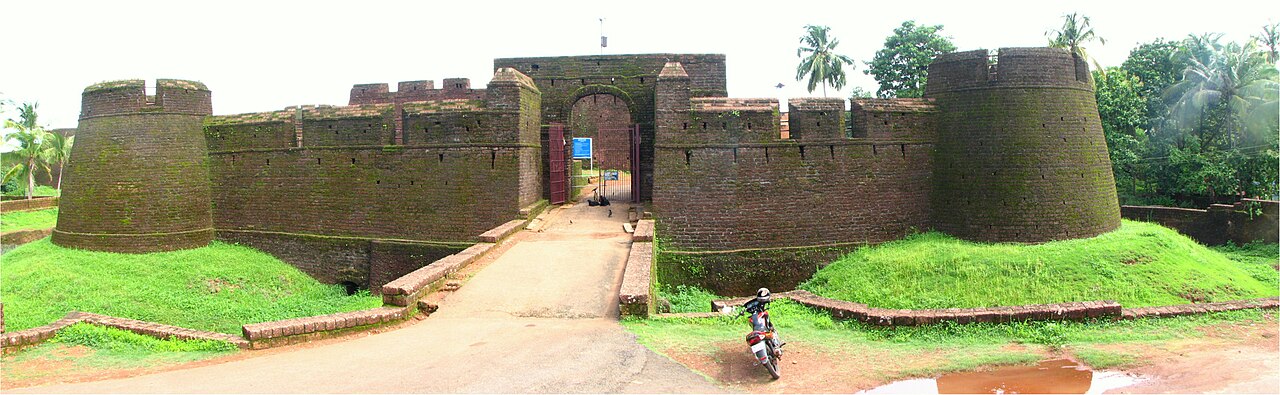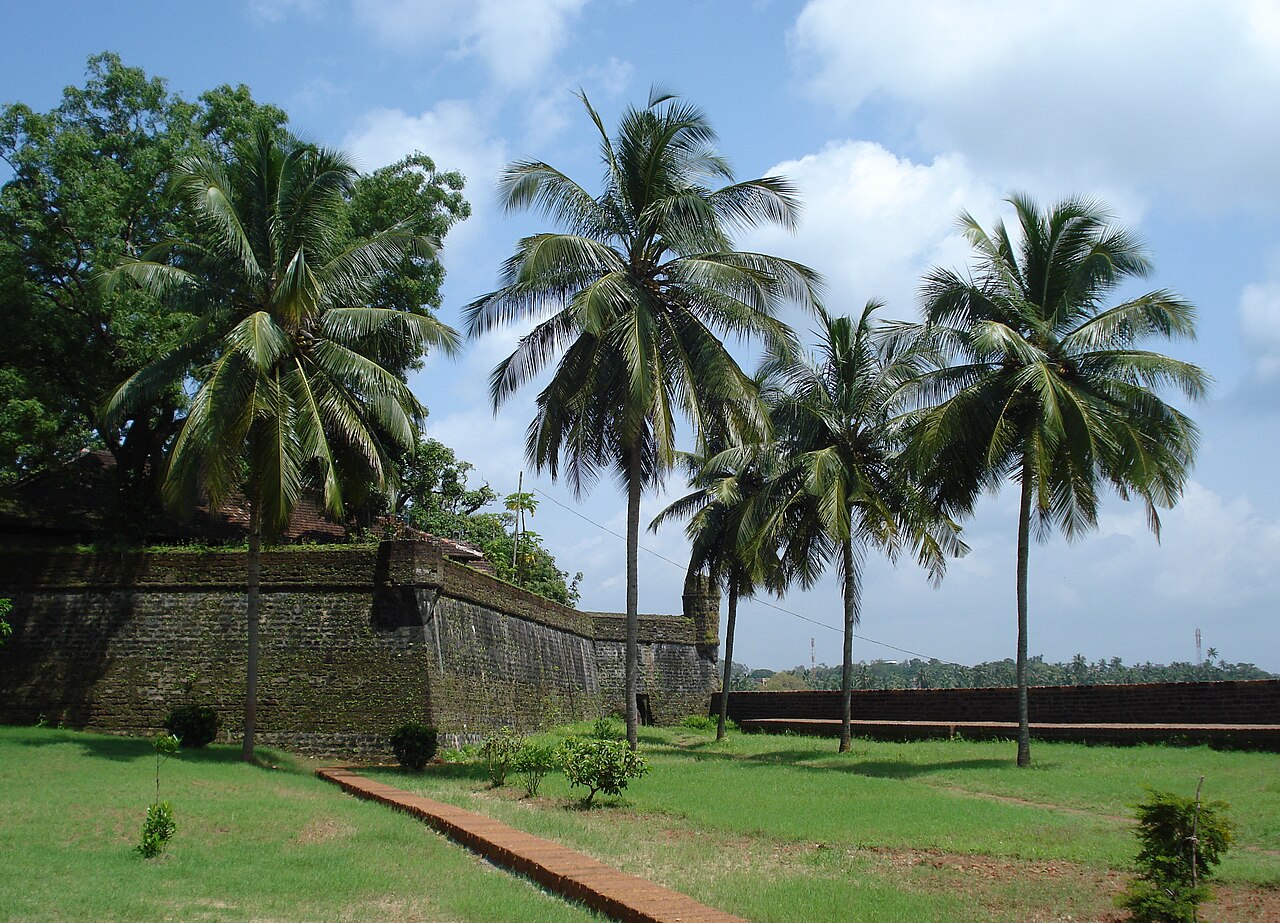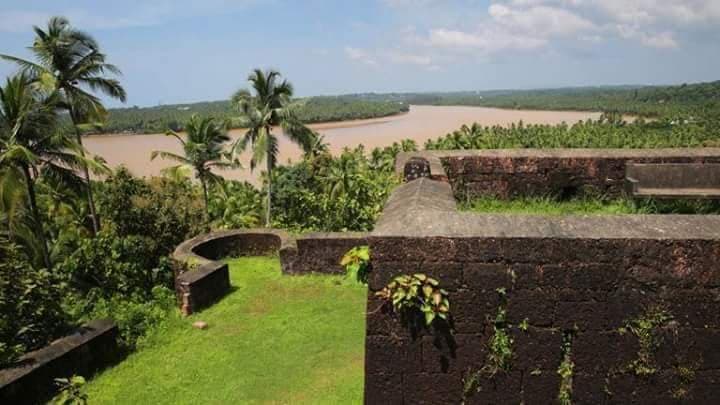
Chandragiri Fort is a historic fortification located in the Kasaragod District of Kerala, India. Constructed in the 17th century, this fort stands on a hill approximately 150 feet above sea level, overlooking the Chandragiri river. The fort occupies an area of about seven acres and is characterized by its large, squarish layout. Although now in a state of ruins, Chandragiri Fort remains an important archaeological site that reflects the military architecture and regional history of its time.
Historical background and significance
Chandragiri Fort was built during the early modern period in India, a time of significant regional conflicts and shifting powers. The fort's strategic location near the Chandragiri river allowed it to serve as a defensive stronghold controlling riverine trade routes and access to the Arabian Sea. It was part of a network of forts that protected the coastal region of northern Kerala, which was a key area for trade and military campaigns involving local rulers and foreign powers.
The fort's history is intertwined with the various dynasties and colonial forces that influenced the Malabar Coast, including the Vijayanagara Empire and later regional chieftains. Its position near the border of Kerala and Karnataka made it a critical military asset in controlling the surrounding territories.
Architectural features and layout
The design of Chandragiri Fort reflects typical features of hill forts built in the 17th century in South India. The fort's walls, constructed from laterite stone, are thick and robust, designed to withstand artillery attacks common during that period. The fort's squarish shape is complemented by bastions at the corners, which would have housed cannons and provided vantage points for defense.
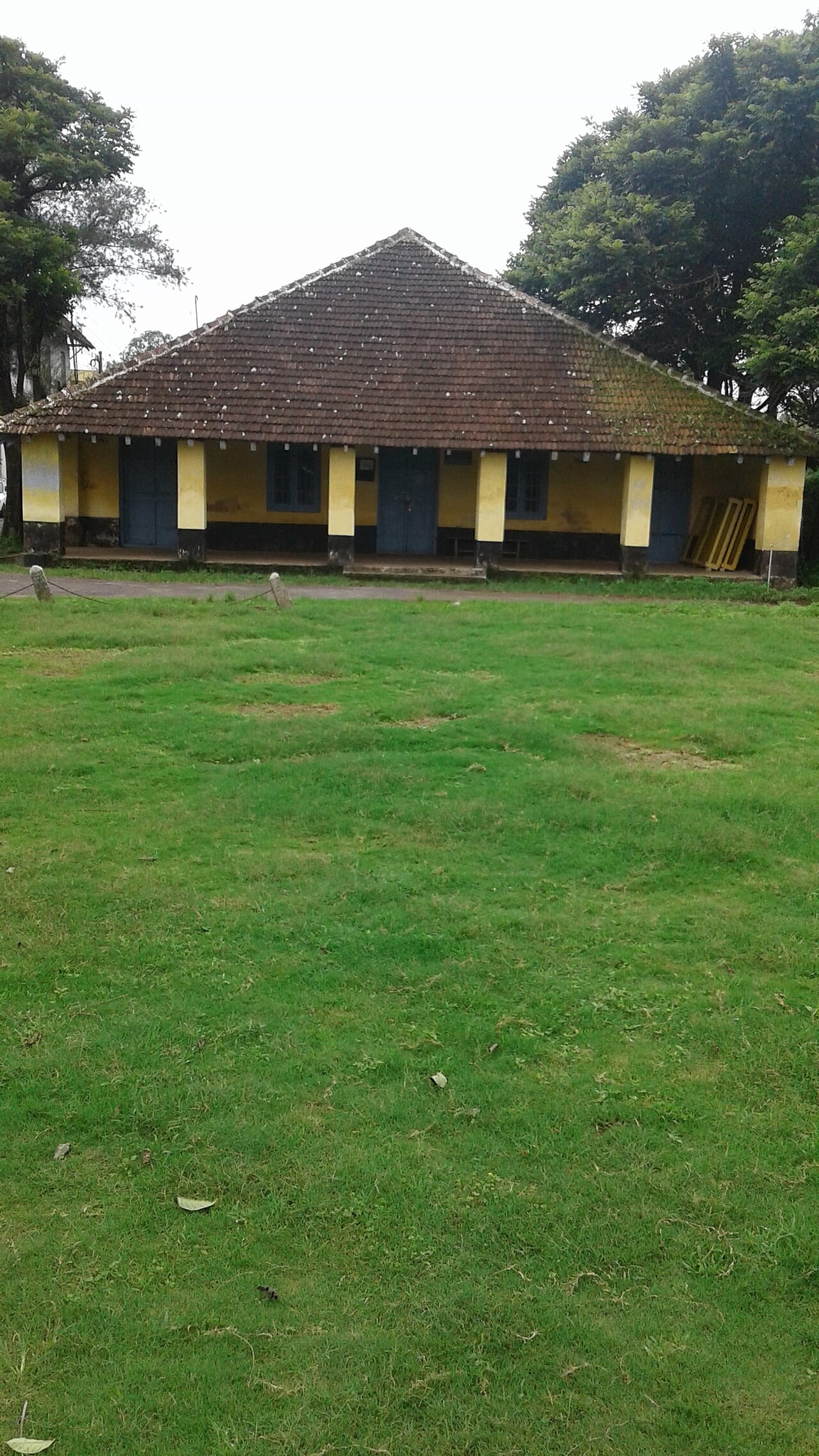
Inside the fort, remnants of various structures can be found, including the foundations of barracks, storehouses, and possibly a command center. The fortification included a main entrance gate, which was likely fortified with heavy wooden doors and iron fittings. The proximity to the Chandragiri river also suggests that the fort had access to a reliable water source, which was vital during sieges.
Defensive elements
The fort's elevated position on a hill provided a natural defensive advantage, allowing defenders to observe approaching enemies from a distance. The thick walls and bastions were designed to repel attacks and provide overlapping fields of fire. Although much of the fort is now in ruins, traces of the defensive walls and bastions remain visible, giving insight into the military engineering techniques of the time.
Current condition and archaeological importance
Today, Chandragiri Fort is classified as an archaeological ruin. The fort has suffered from centuries of weathering and neglect, resulting in the deterioration of many of its original structures. Despite this, the site continues to attract historians, archaeologists, and tourists interested in the region's heritage.
Efforts to preserve and study the fort have highlighted its significance as a cultural landmark in Kerala. The fort provides valuable information about the military architecture of the 17th century and the historical dynamics of the Malabar Coast. Visitors to the site can explore the ruins and appreciate the strategic location and construction techniques employed by its builders.
Visiting Chandragiri Fort
Chandragiri Fort is accessible to visitors interested in exploring Kerala's historical sites. The fort's hilltop location offers panoramic views of the surrounding landscape, including the Chandragiri river and nearby countryside. While the fort is in ruins, the site is open for exploration, allowing visitors to walk along the remaining walls and bastions.
Visitors should be prepared for uneven terrain and limited facilities at the site. It is advisable to visit during daylight hours for safety and to fully appreciate the views and historical features. The fort is a popular destination for those interested in history, architecture, and nature.
Frequently asked questions (FAQ)
- When was Chandragiri Fort built?
- Chandragiri Fort was constructed in the 17th century during the early modern period of Indian history.
- What is the architectural style of Chandragiri Fort?
- The fort features typical 17th-century South Indian hill fort architecture, with thick laterite stone walls and bastions for defense.
- Can visitors explore Chandragiri Fort today?
- Yes, visitors can explore the ruins of Chandragiri Fort, which is open to the public and offers panoramic views of the Chandragiri river and surrounding landscape.
- Why was Chandragiri Fort strategically important?
- Its location on a hill overlooking the Chandragiri river allowed control over riverine trade routes and defense of the northern Kerala coastal region.
- What condition is Chandragiri Fort in currently?
- The fort is in a state of ruins, classified as an archaeological site, with many original structures deteriorated due to weathering and time.
Photo gallery

Information
Loading map...
Visitor reviews
No reviews yet. Been here? Write the first review and help other travelers!
Write the first reviewVisited this castle? Share your experience
Your review helps other travelers and adds first-hand knowledge to our encyclopedia.