Bekal Fort
Bekal Fort is a prominent bastioned fortress located in the Indian state of Kerala, known for being the largest fort in the region. Constructed in 1650 AD by Shivappa Nayaka of Keladi, the fort covers an expansive area of approximately 40 acres (160,000 m2). Its strategic position along the Arabian Sea coastline allowed it to serve as a key defensive structure against invading forces during the 17th century.
Historical background and construction
The fort was built during the period when the Keladi Nayakas ruled parts of present-day Karnataka and Kerala. Shivappa Nayaka, a ruler known for his administrative skills and military prowess, commissioned the fort as a stronghold to guard against invasions from the Portuguese and other colonial powers expanding their influence along the Malabar Coast. The construction of Bekal Fort reflects the military architectural advancements of the renaissance period in India, incorporating bastions and defensive walls designed to withstand artillery attacks.
Architectural features and layout
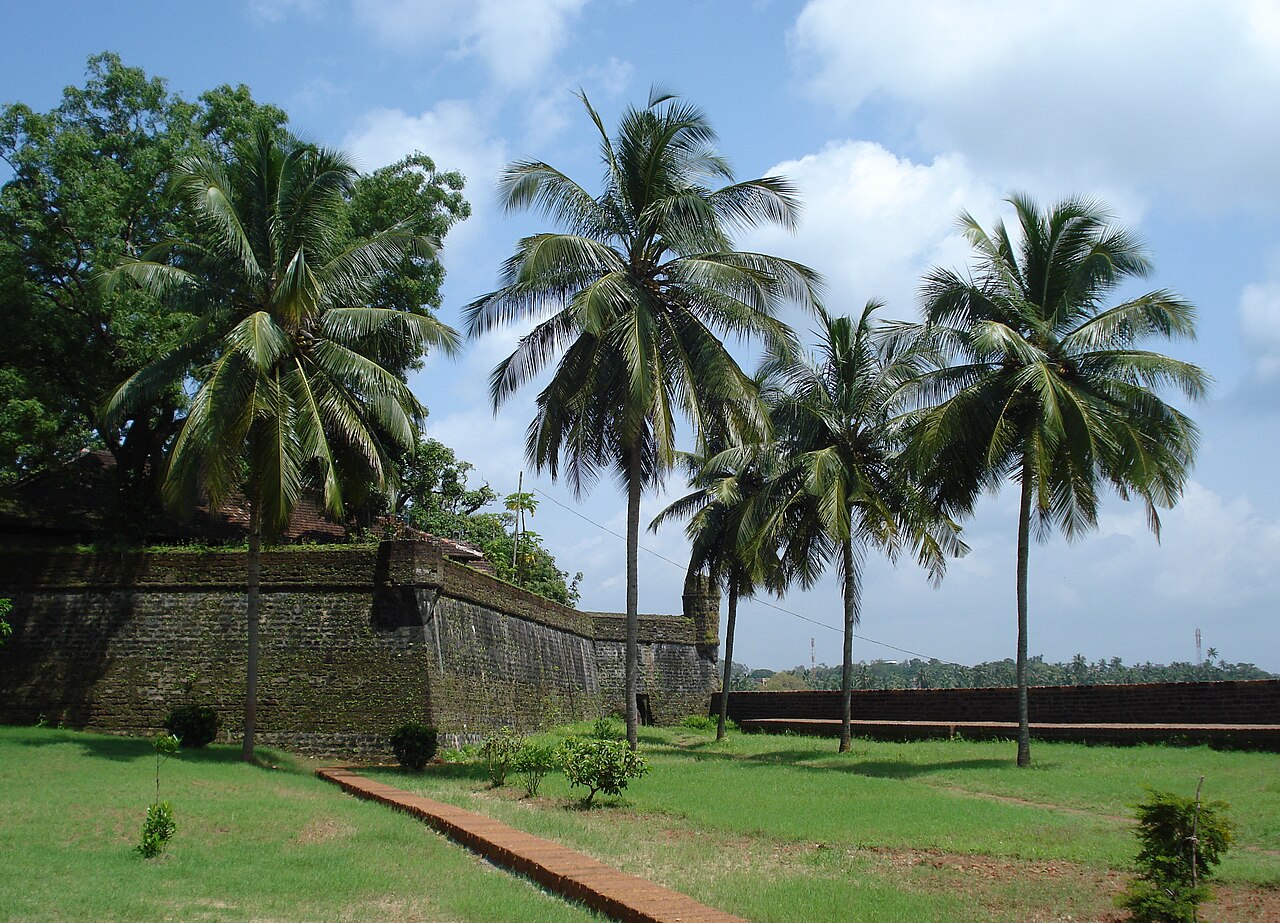
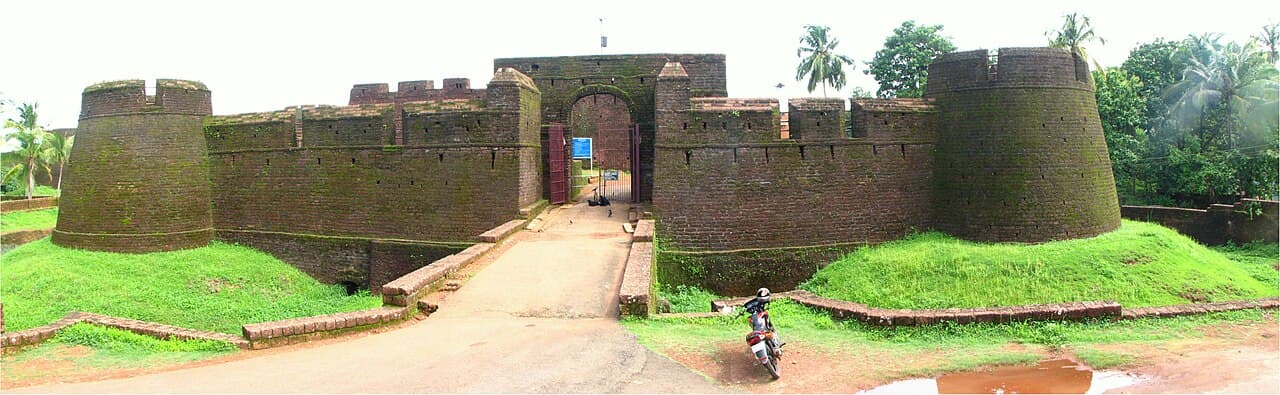
Bekal Fort is characterized by its bastioned walls that provide extensive coverage for defense. The fort's walls are built with laterite stones, a material commonly used in Kerala due to its availability and durability. The fort includes several observation towers and circular bastions that allowed defenders to monitor the surrounding area and repel attackers effectively.
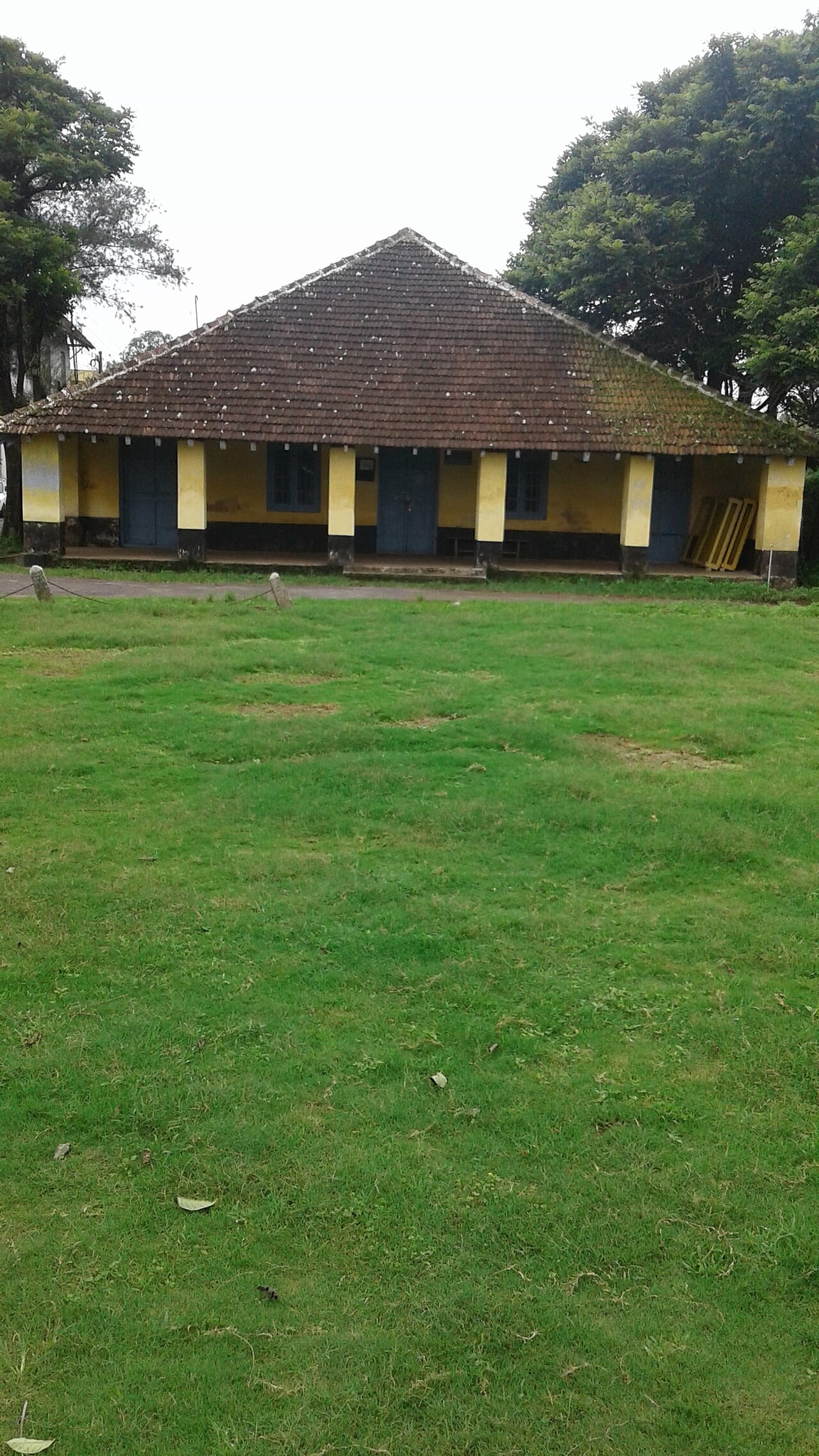
The fort's layout is roughly rectangular, with the main entrance facing the sea. It features a complex system of underground tunnels and secret passages that were used for movement of troops and supplies during sieges. The fort also contains a number of granaries, water tanks, and living quarters within its walls, indicating its role as a self-sufficient military base.
Defensive structures and strategic location
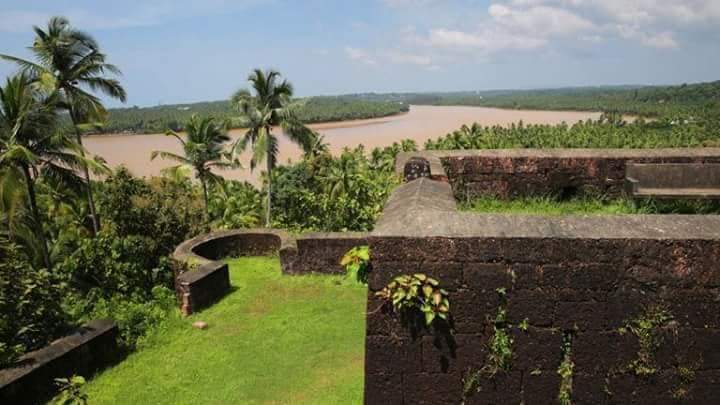
Bekal Fort's location on a hillock overlooking the Arabian Sea provided it with a commanding view of the coastline, enabling early detection of enemy ships. The fort's massive bastions were designed to mount cannons, reflecting the adaptation to gunpowder warfare. The presence of a moat and thick walls further enhanced its defensive capabilities.
Cultural significance and tourism
Today, Bekal Fort is a major tourist attraction in Kerala, drawing visitors interested in history, architecture, and scenic views of the Arabian Sea. The fort's well-preserved ramparts and bastions offer insight into the military engineering of the time. It has also been featured in several films and cultural events, highlighting its importance as a heritage site.
Visitors can explore the fort's extensive grounds, including the observation towers and the remnants of the secret tunnels. The fort is accessible year-round, with the best time to visit being during the cooler months from October to March.
Preservation and current condition
Bekal Fort is currently well preserved, maintained by the Archaeological Survey of India. Conservation efforts have focused on stabilizing the fort's walls and protecting its structural integrity against the coastal climate. The site is open to the public, with facilities to support tourism while preserving the fort's historical fabric.
Frequently asked questions (FAQ)
- How do I get to Bekal Fort?
- Bekal Fort is located in the Kasaragod district of Kerala, India. It is accessible by road and is approximately 16 kilometers from the nearest railway station, Bekal Fort Railway Station. Visitors can hire taxis or use local buses to reach the fort easily.
- What is the historical significance of Bekal Fort?
- Bekal Fort, built in the 17th century, is one of the largest and best-preserved forts in Kerala. It was strategically constructed to protect the coastal region and served as a stronghold for various rulers, including the Nayaks of Kerala and the British. The fort's history is rich with tales of trade, warfare, and the cultural heritage of the region.
- When was Bekal Fort built?
- Construction of Bekal Fort began in the 1650s and was completed in the mid-17th century. It was built by Shivappa Nayaka, the ruler of the Keladi Kingdom, and later expanded by the Dutch and British. The fort has stood the test of time, showcasing the architectural brilliance of its era.
- Can I visit Bekal Fort at night?
- Bekal Fort is generally open to visitors from early morning until sunset, and night visits are not permitted. It is advisable to plan your visit during daylight hours to fully appreciate the views and explore the fort's features. The tranquil surroundings and coastal scenery are best enjoyed in the daytime.
- Why is Bekal Fort a popular tourist destination?
- Bekal Fort is popular due to its impressive architecture, stunning views of the Arabian Sea, and rich historical background. The fort offers a unique blend of natural beauty and cultural heritage, making it an ideal spot for history enthusiasts and nature lovers alike. Its proximity to Bekal Beach also attracts many visitors looking for a complete experience.
- Is it possible to explore the fort on my own?
- Yes, visitors can explore Bekal Fort independently, as there are no guided tours required. The fort is well-marked with paths and signage, allowing for a self-guided experience. However, hiring a local guide can enhance your understanding of the fort's history and architecture.
- What are the opening hours of Bekal Fort?
- Bekal Fort is open to the public from 8 AM to 6 PM daily. It is recommended to arrive early to avoid crowds and to enjoy the fort and its surroundings at a leisurely pace. Be sure to check for any changes in hours during national holidays or special events.
- What are the ticket prices for Bekal Fort?
- Entry to Bekal Fort is free for all visitors, making it an excellent destination for budget travelers. There may be nominal fees for parking or certain amenities, but the fort itself can be enjoyed without any admission costs. This accessibility adds to its appeal as a historical site.
- What are some nearby attractions to Bekal Fort?
- Near Bekal Fort, visitors can explore Bekal Beach, known for its serene beauty and water sports. Other attractions include the Chandragiri Fort and the beautiful backwaters of Kasaragod. These nearby sites offer additional opportunities for sightseeing and relaxation following your visit to the fort.
Photo gallery

Information
Loading map...
Visitor reviews
No reviews yet. Been here? Write the first review and help other travelers!
Write the first reviewVisited this castle? Share your experience
Your review helps other travelers and adds first-hand knowledge to our encyclopedia.